


Bu madde henüz onaylanmamıştır.
+2 Daha
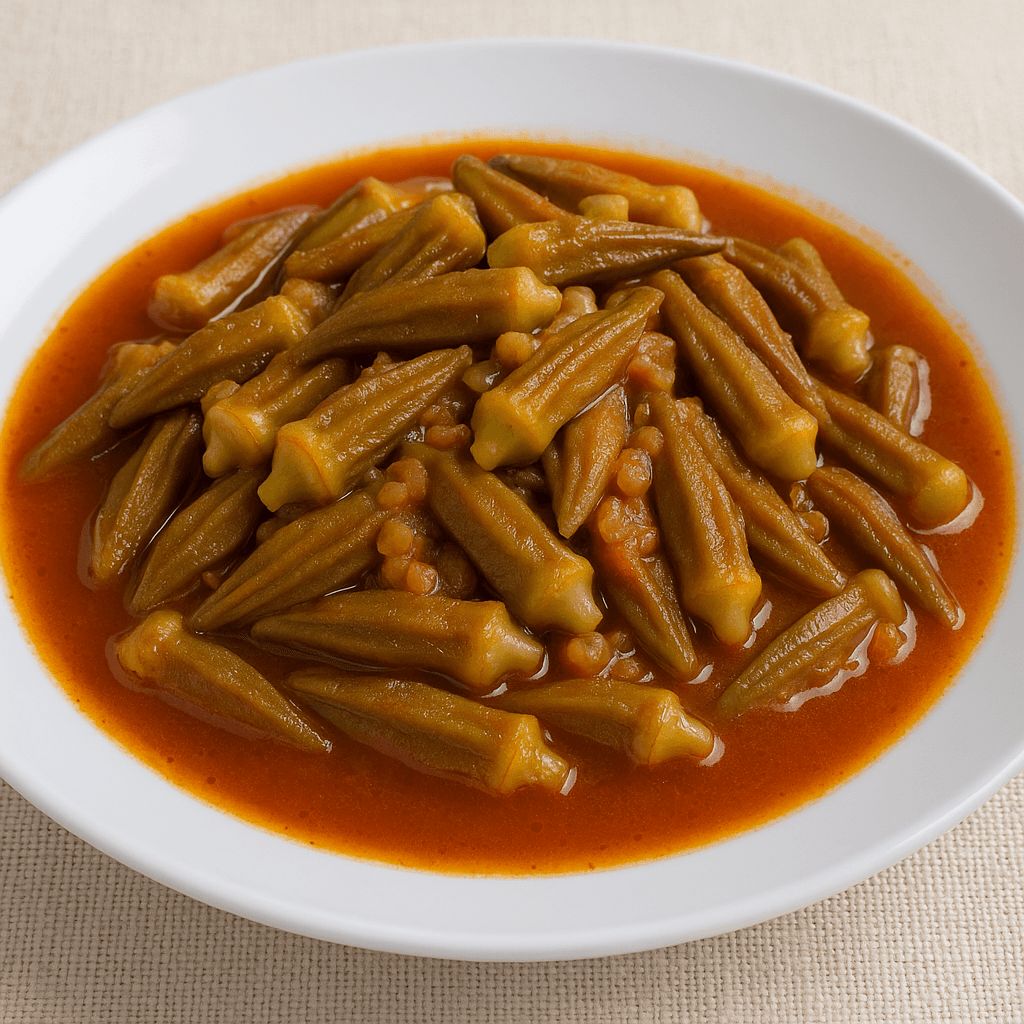
Bornova Henna Okra
Registration Number(Text) | 581 | ||||||||
|---|---|---|---|---|---|---|---|---|---|
Registration Date(Text) | 27/10/2020 | ||||||||
File Number(Text) | C2019/017 | ||||||||
Applicant / Registrant | Bornova Municipality | ||||||||
Product Category | Processed and unprocessed fruits and vegetables, including mushrooms | ||||||||
Bornova Henna Okra is a local okra variety cultivated predominantly in the Bornova district of İzmir and surrounding areas. Characterized by its reddish pigmentation on the fruit and peduncle, this product was registered as a “Designation of Origin” by the Turkish Patent and Trademark Office under Registration No: 581 on October 27, 2020, and is officially protected under geographical indication status.
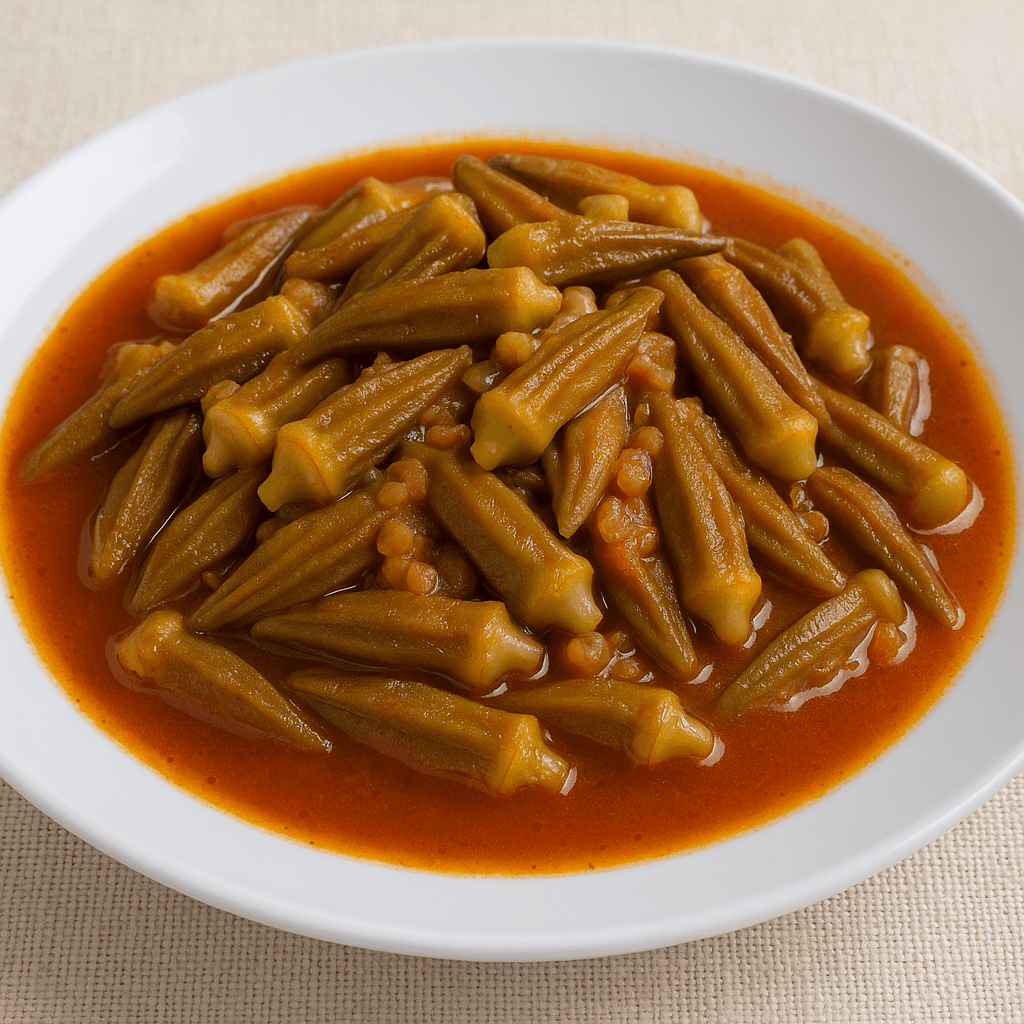
Bornova Henna Okra (Created with artificial intelligence.)
Scientifically classified as Abelmoschus esculentus (L.) Moench, Bornova Henna Okra exhibits irregular reddish coloration on the fruit body and peduncle. This pigmentation results from anthocyanin accumulation and varies depending on sun exposure.
The fresh fruits are approximately 3.5–4.0 cm in length, with an average weight of 2.5–3.0 grams and a diameter of around 1 cm. Typically five-loculed, some specimens may exhibit 6–7 locules. The fruit is tender, fiberless, and minimally hairy, making it particularly suitable for canning. The product does not cloud the canning liquid, which distinguishes it from other varieties.
The plant demonstrates a vigorous growth habit and, under favorable cultivation conditions, can produce 5–6 lateral branches and reach a height of approximately 3 meters. Reddish pigmentation may also appear on the root, stem, and leaf surfaces. Harvest typically begins in the second half of June, providing an early yield advantage.
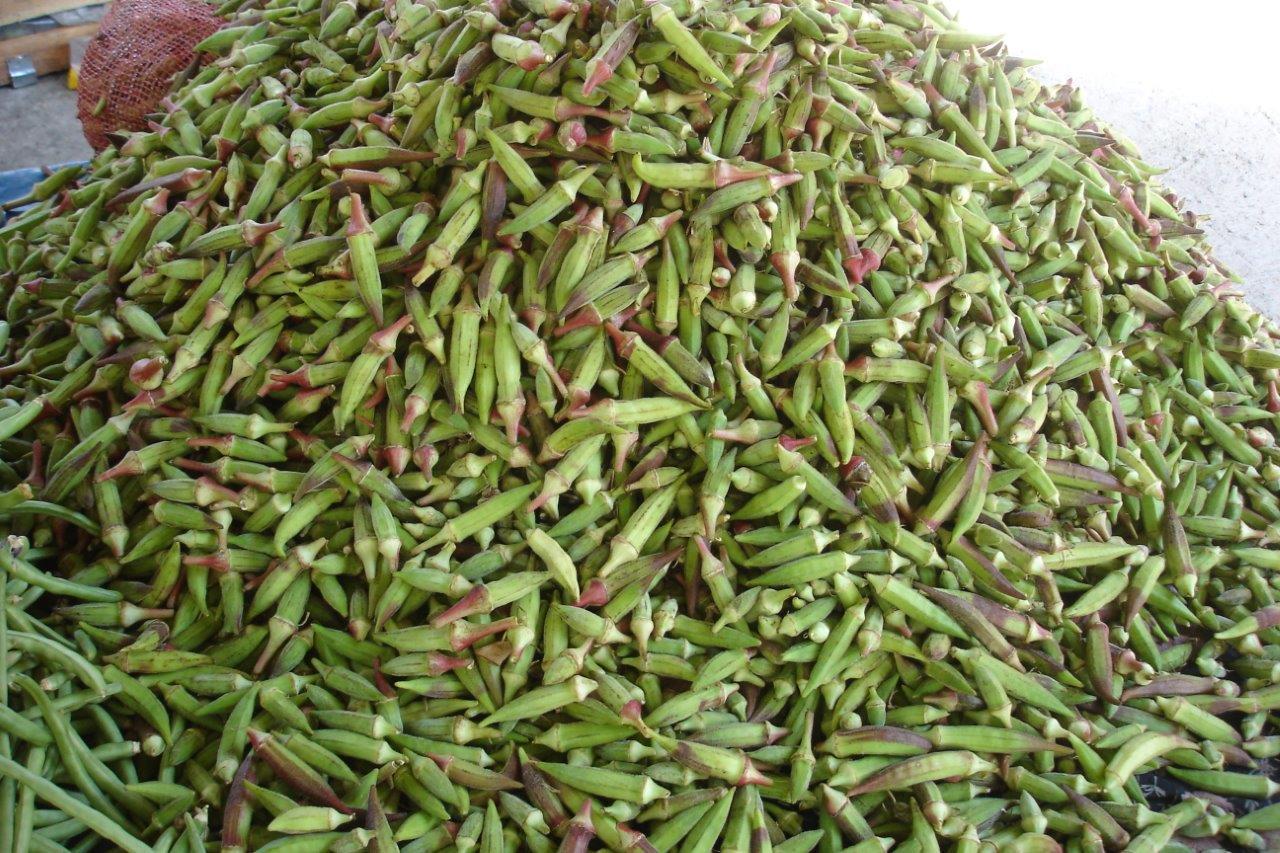
Bornova Henna Okra (Turkish Patent)
Bornova Henna Okra is sown in mid-April when the soil temperature reaches 15 °C. Seeds are sourced from the previous harvest cycle. Loamy and well-drained soils are preferred, and furrow irrigation is used to promote healthy root development, rather than drip systems.
Fertilizer application is guided by soil analysis. Recommended application per decare includes 3–4 kg nitrogen, 8–10 kg phosphorus, and 10–12 kg potassium. Excessive fertilization may cause structural changes in the plant and suppress the development of characteristic red pigmentation.
Depending on care conditions, the plant may grow 1.0–1.5 cm per day. Fruits are harvested at 3.5–4.0 cm length and 2.5–3.0 grams weight. Harvesting occurs on alternating days to prevent fibrous development. Planting density ranges between 10,000–12,000 plants per decare, with yields averaging 500–750 kg.
Bornova Henna Okra is cultivated within the administrative borders of Bornova, Urla, Çeşme, Karaburun, Balçova, Narlıdere, Güzelbahçe, Torbalı, Menderes, and Seferihisar districts in İzmir.
Republic of Turkey Ministry of Culture and Tourism. “Bornova Henna Okra.” Culture Portal. Accessed May 27, 2025. https://www.kulturportali.gov.tr/portal/bornova-kinali-bamyasi
Turkish Patent and Trademark Office. “Bornova Henna Okra.” Geographical Indication Registration No: 581. Accessed May 27, 2025. https://ci.turkpatent.gov.tr/cografi-isaretler/detay/122
İzmir Provincial Directorate of Culture and Tourism. “Bornova Henna Okra.” Accessed May 27, 2025. https://izmir.ktb.gov.tr/TR-294189/bornova-kinali-bamyasi.html

Bornova Henna Okra
Registration Number(Text) | 581 | ||||||||
|---|---|---|---|---|---|---|---|---|---|
Registration Date(Text) | 27/10/2020 | ||||||||
File Number(Text) | C2019/017 | ||||||||
Applicant / Registrant | Bornova Municipality | ||||||||
Product Category | Processed and unprocessed fruits and vegetables, including mushrooms | ||||||||
Henüz Tartışma Girilmemiştir
"Bornova Henna Okra" maddesi için tartışma başlatın
Product Description and Distinguishing Features
Production Method
Geographical Boundary and Inspection