

`watermelon` Related Article Results
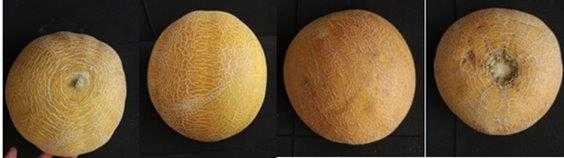
Kırıkhan Melon
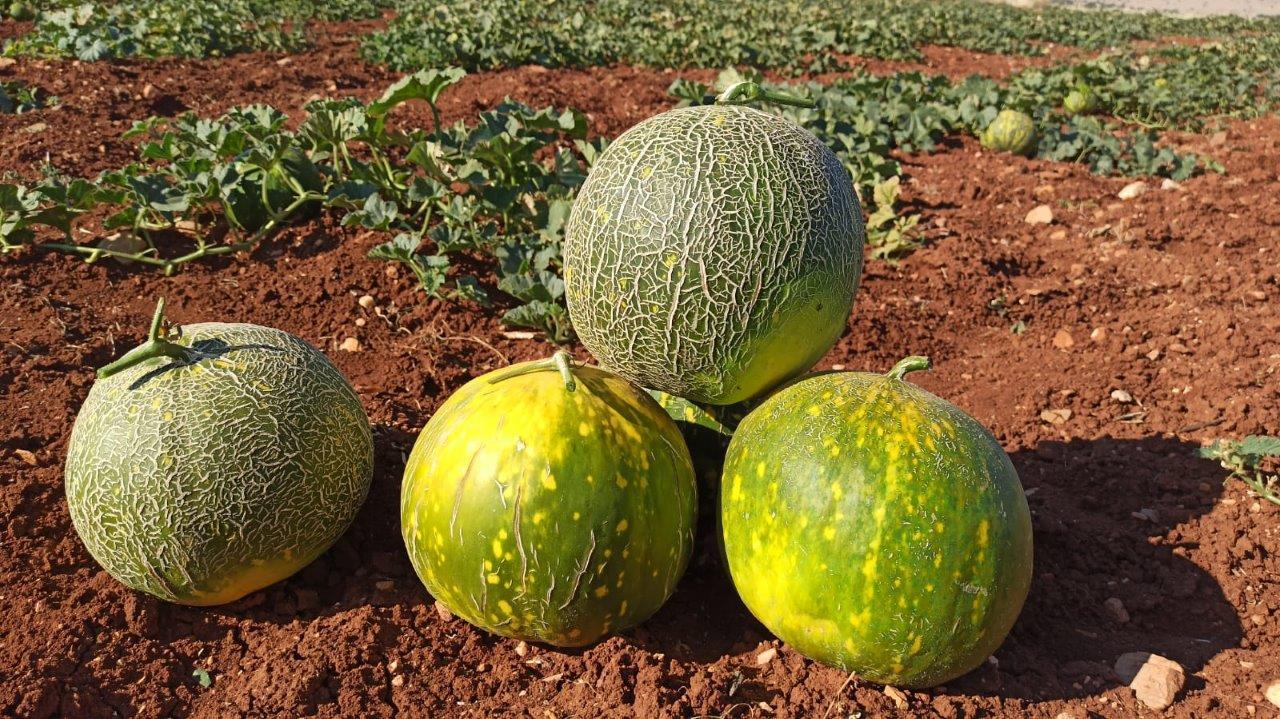
Kırıkhan Melon is a geographical indication registered on 13.09.2021 with registration number 886, cultivated within the boundaries of the Kırıkhan district of Hatay Province. This melon (Cucumis melo L.) is an annual, trailing-stemmed plant belonging to the Cucurbitaceae family. In cultivation, the Ananas and Galia C-8 varieties are predominantly preferred. Due to Kırıkhan’s unique ecological conditions, the fruit develops its distinctive aroma, flavor, and fragrance during its ripening period
EN
Nida Üstün
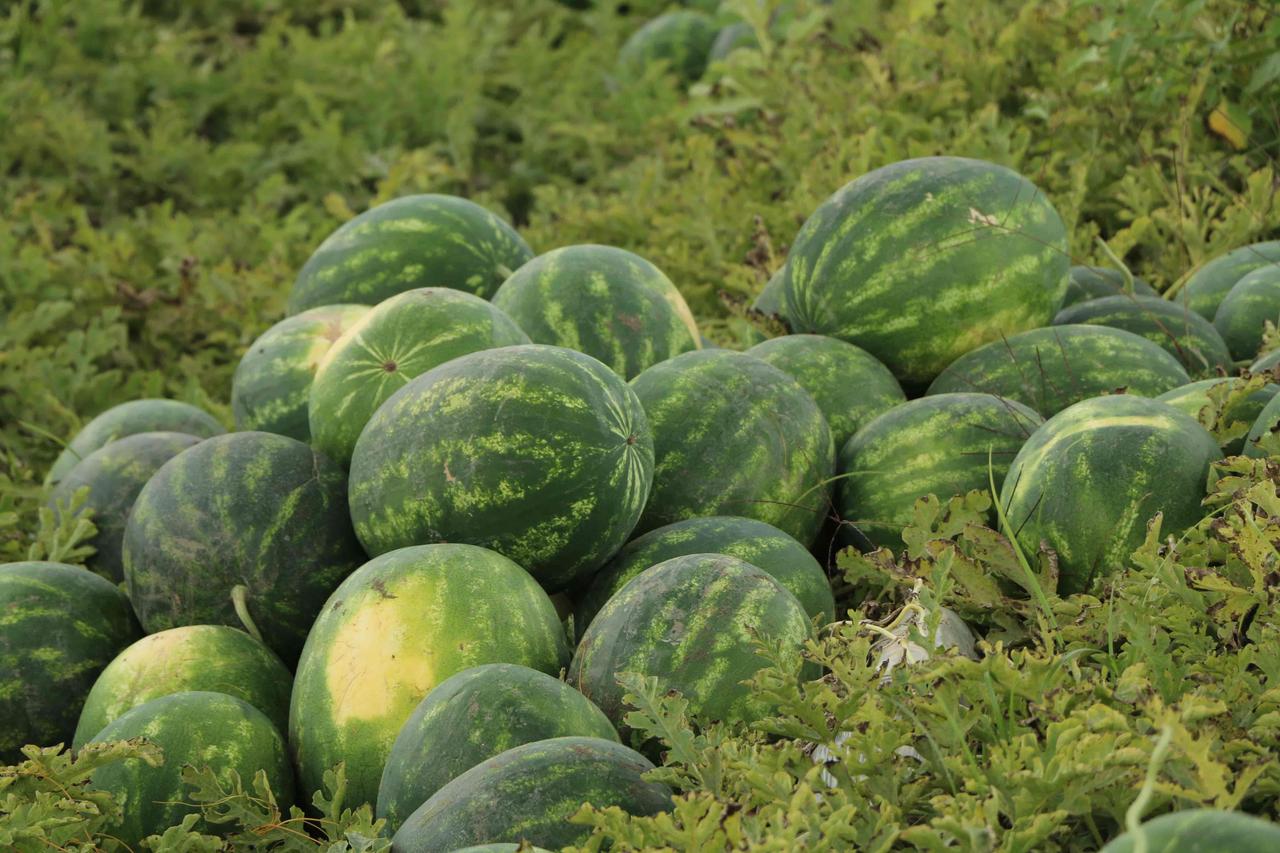
Adana Watermelon
Adana watermelon is a variety of Citrullus lanatus cultivated within the geographic boundary encompassing Adana Province and the Tarsus district of Mersin Province. Due to its sandy soil structure and region-specific climatic conditions, it stands out as an early-season crop. Thanks to planting beginning at the end of January, Adana watermelon is among the earliest to reach markets in Türkiye. It is produced using either seeds or seedlings, through either open-field or protected cultivation meth
EN
Sabiha Meyra Şahinler
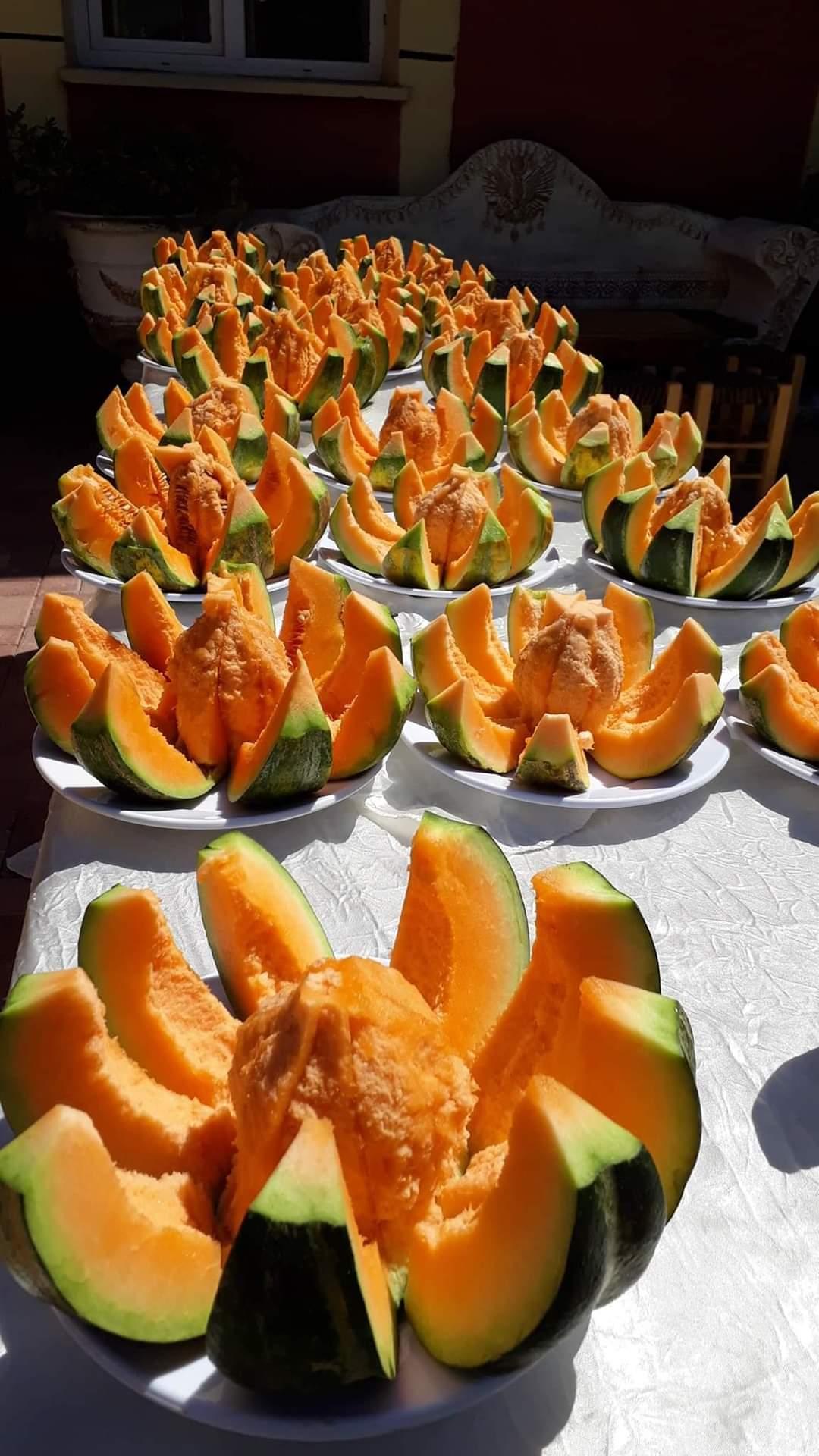
Yozgat Aydıncık Bağrıbütün Melon
Yozgat Province’s Aydıncık district is home to an agricultural product registered with a geographical indication. This product is characterized by seeds firmly attached to the placenta and the clustered arrangement of seed cavities, as well as a yellow, segmented rind. Locally, it is also known as “yer muzu” due to its distinctive taste, aroma, and texture. The serving method—slicing the fruit while leaving the center intact—gave the product its name. It was officially registered by the Turkish
EN
Kasım Emre Anıl
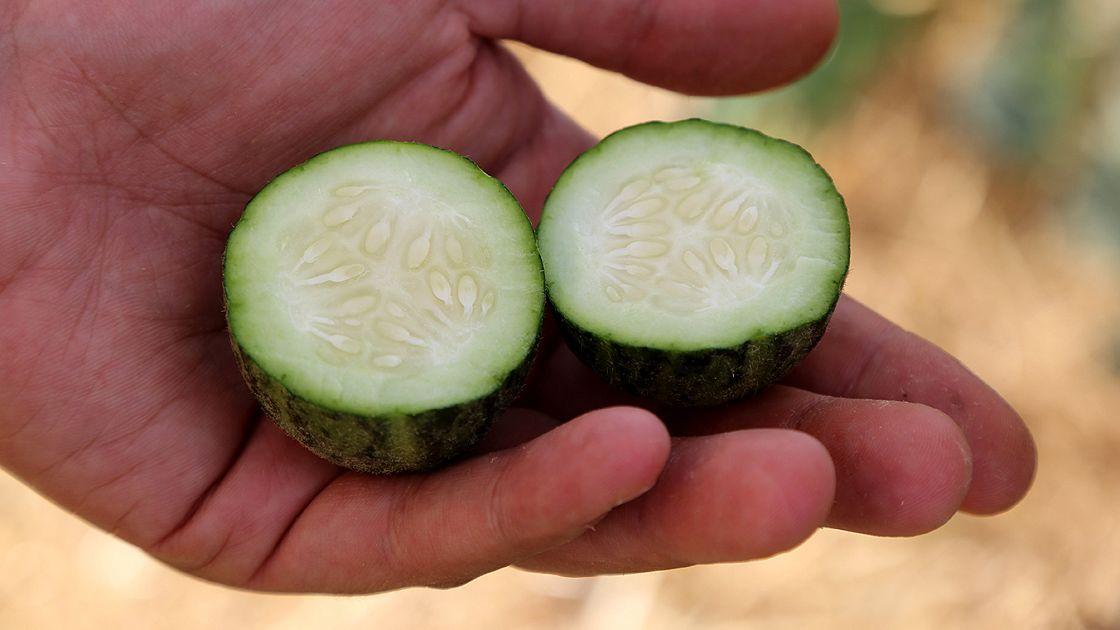
Shelengo (Viranşehir)
Viranşehir şelengosu (Cucumis melo var. cantalupensis) is an endemic plant species belonging to the Cucurbitaceae family and is unique to the Viranşehir district of Şanlıurfa province. This vegetable, also known as "encûr" in Kurdish by the local population, is cultivated exclusively in the Viranşehir Plain in Türkiye. Botanical and Morphological Characteristics The plant exhibits a prostrate growth habit, spreading horizontally along the soil surface and developing lateral branches. During the
EN
Şükran Ağırtaş

Two watermelons do not fit on one chair
Sometimes we try to do two different things at once. For example, playing a game and drawing a picture at the same time. That is exactly when our elders say, “Two watermelons cannot fit on one seat.” But what does this mean? Let’s learn together! Where Does It Come From? This saying may have originated in old times when people carried watermelons bought from the market. Watermelons are heavy and large. It is very difficult, almost impossible, to fit two watermelons under your arm at the same tim
ENNida Üstün

Kazan Pumpkin
The Kazan melon is an agricultural product unique to the Kahramankazan district of Ankara Province, protected by a registered geographical indication. The product was applied for on 30 July 2020 and officially registered by the Turkish Patent and Trademark Office on 24 May 2021 under registration number 763. The registering authority is the Kahramankazan Municipality. The Kazan melon is characterized by its ellipsoidal or round shape, a dark green rind approaching black, and a surface marked by
ENKasım Emre Anıl
Karahallı Melon
It is a local watermelon variety unique to the Karahallı district of Uşak province. This agricultural product, protected under registration number 1359, has fully adapted to the region’s soil and climatic conditions and developed distinctive characteristics. Scientifically classified under the species Cucumis melo, this watermelon is also known locally by various names such as Karahallı Düğleği, Cemile Düğleği, Cezik Kavunu, or Çoban Almaz. The geographical indication registration of the product
ENKasım Emre Anıl