

`visualmemory` Related Article Results
 Ma
MaManaki Brothers
Manaki Brothers, in the final period of the Ottoman Empire, were pioneering figures in photography and cinema history who operated in the Balkans. Of Ottoman subjects and ethnically Vlach (Aroman), the brothers documented the social, cultural, and political history of the Balkans through short documentary-style footage they began capturing from the early 20th century. Documentary on the Manaki Brothers (TRT 2) " youtube-video-element-format="right" youtube-video-id="Tqjg67pVeOo"> Lives Childh
EN
Duygu Şahinler
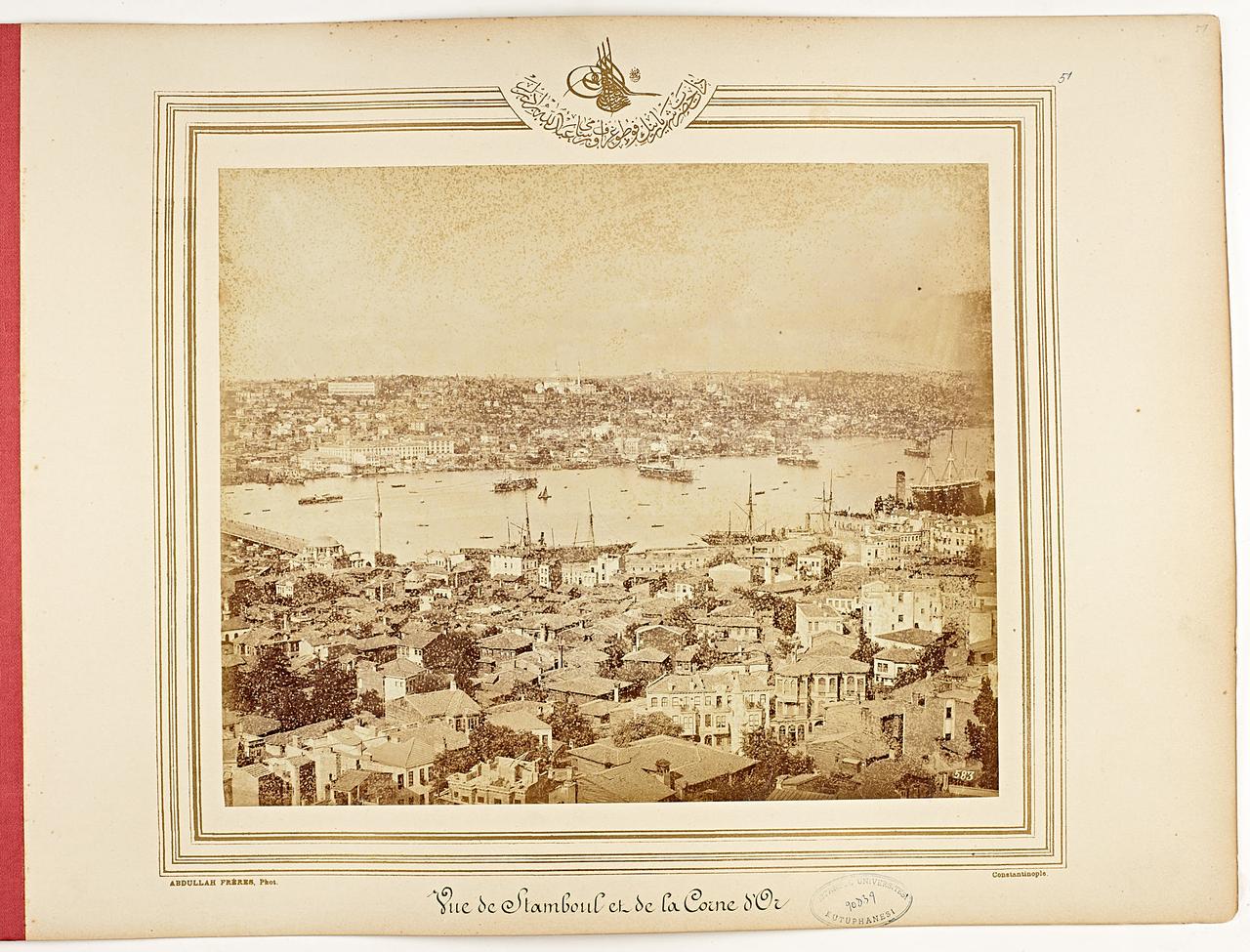
Yıldız Palace Photography Collection
Yıldız Sarayı Photograph Collection is one of the most extensive and comprehensive visual archives of the Ottoman Empire, established during the reign of Sultan Abdülhamid II (1876–1909). The collection emerged as photography began to be systematically employed in the late 19th century as a documentary, promotional, and propagandistic tool. Formation Process Photography, invented in 1839, quickly gained popularity within the Ottoman Empire. With the interest of Sultan Abdülhamid II, photography
EN
Burcu Sandıkçı
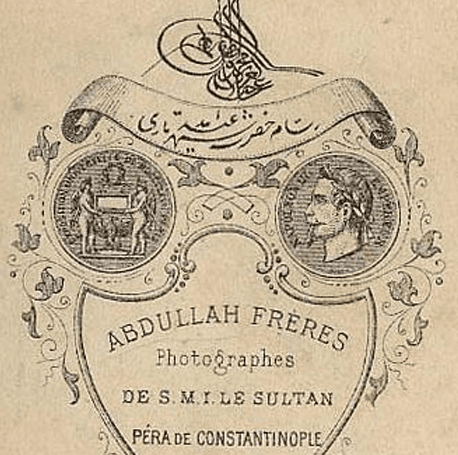
Abdullah Brothers (Abdullah Frères)
Abdullah Frères, a photographic studio founded in the 19th century in the Ottoman capital İstanbul by three Armenian brothers named Vichen (Abdullah Şükrü Efendi), Kevork, and Hovsep. Known as the official photographers of the Ottoman court, the Abdullah Frères documented photography in the capital, capturing portraits of sultans, state officials, and prominent families. Friday Salutation at Hamidiye Mosque, 1889–1902, Abdullah Frères (Dilruba Kocaışık) " image-element-format="right" image-sourc
EN
Neriman Sena Külünk