

`virtual-reality` Related Article Results
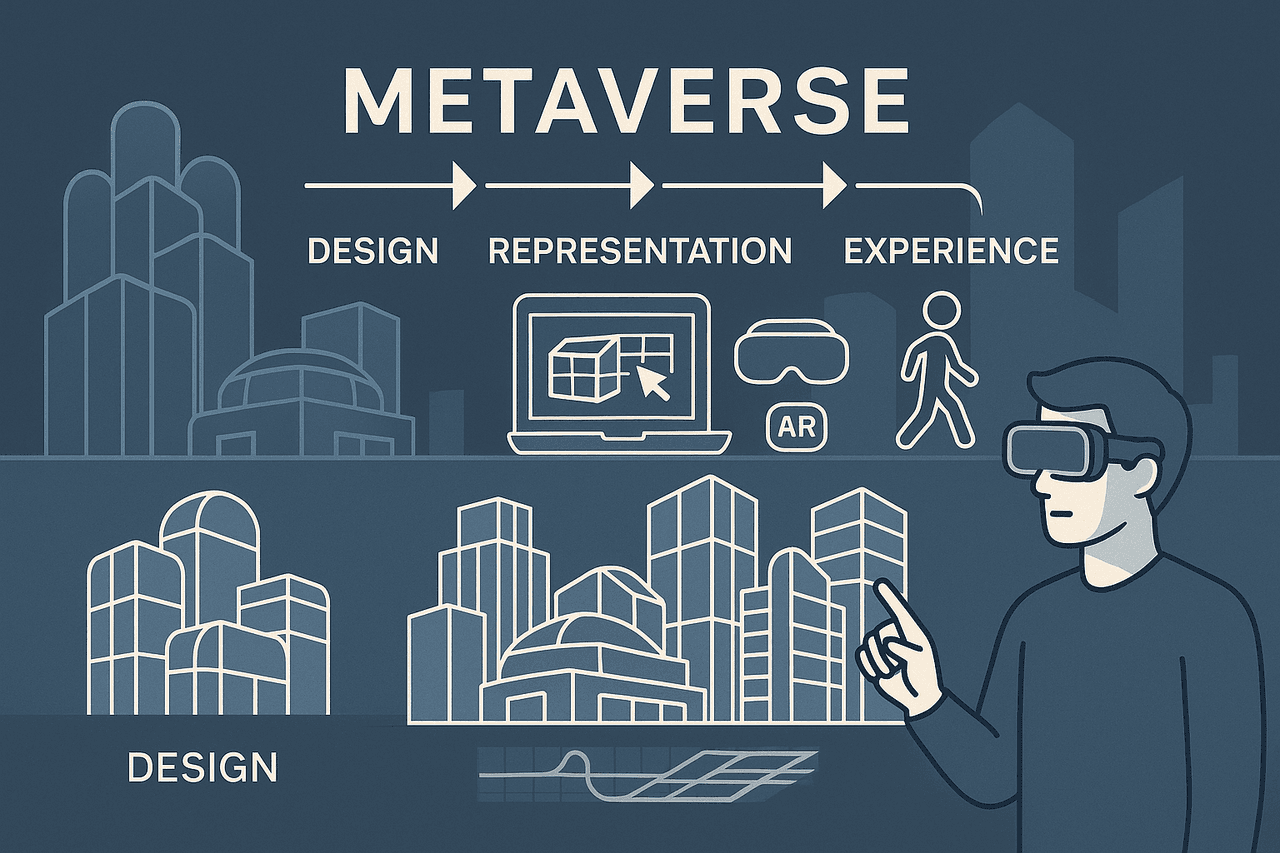
Architecture and the Metaverse
The metaverse is a virtual universe composed of three-dimensional, persistent digital environments in which users interact through avatars. It is conceived as an immersive space independent of the physical world, shaped by the integration of technologies such as virtual reality, augmented reality, artificial intelligence, blockchain, and Web 3.0, and encompasses permanent, collectively experienced digital spaces. In the context of architecture, the metaverse offers a new medium that transcends t
EN
Esra Özkafa

The Evolution of the Digital Universe
The metaverse has emerged in recent years as a concept that increasingly blurs the boundaries between the digital world and the physical world. This article aims to examine the social, cultural, and psychological impacts of the metaverse. This study will delve into how individuals form identities and perceive reality within digital universes, analyzing how the metaverse reflects on individuals’ social interactions, behavioral patterns, and worldviews. Definition and Core Features of the Metavers
EN
Havva Karakaya
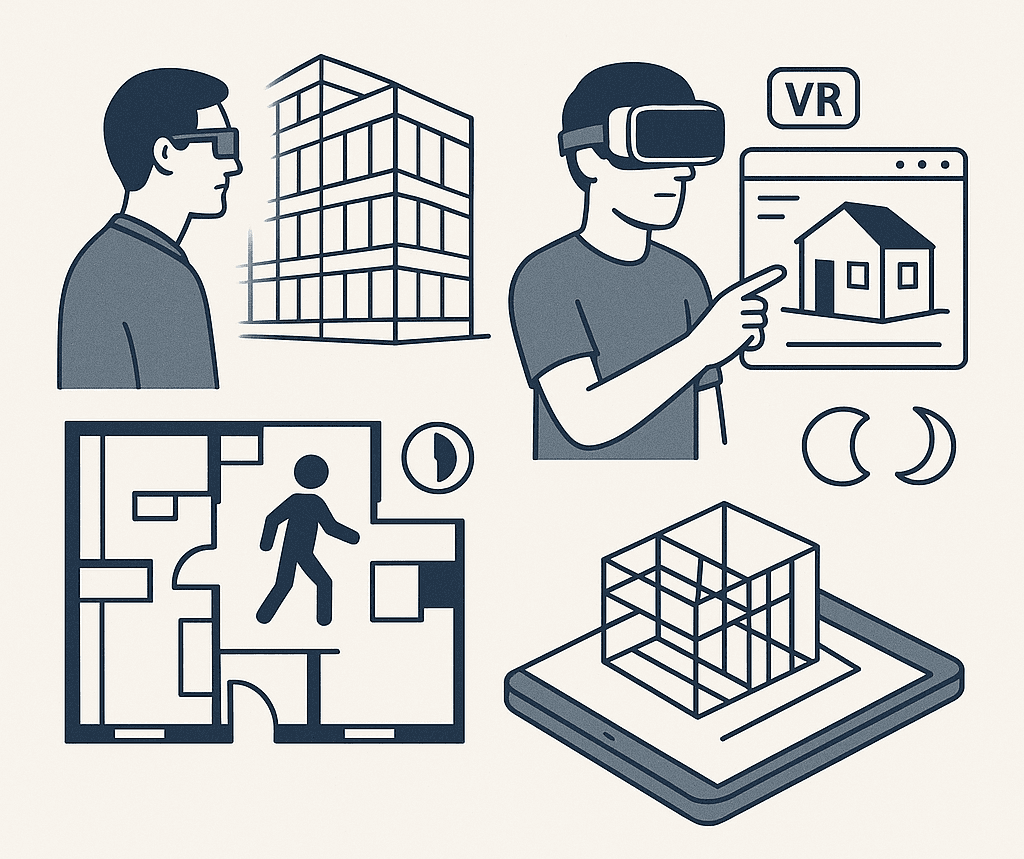
Architectural Design in Virtual and Augmented Reality
Virtual Reality (VR) and augmented reality (AR) technologies have emerged as transformative tools in architectural design processes in recent years. Virtual reality enables users to experience architectural spaces before they are physically constructed by immersing them entirely in a digitally constructed environment. Augmented reality, on the other hand, allows both designers and users to interact simultaneously with the physical space by overlaying digital data onto it. These technologies offe
EN
Esra Özkafa
 Ga
GaGame-Based Learning
Game-based learning is a pedagogical approach that aims to actively engage students in the learning process by acquiring knowledge through experiential, engaging, and interactive environments.Ayşegül Bakar, Hakan Tüzün ve Kürşat Çağıltay, “Öğrencilerin Eğitsel Bilgisayar Oyunu Kullanımına İlişkin Görüşleri: Sosyal Bilgiler Dersi Örneği,” Hacettepe Üniversitesi Eğitim Fakültesi Dergisi 35 (2008): 27–28 ">【1】 This approach has the potential to support students’ cognitive, affective, and social
EN
Ömer Faruk Tuğla
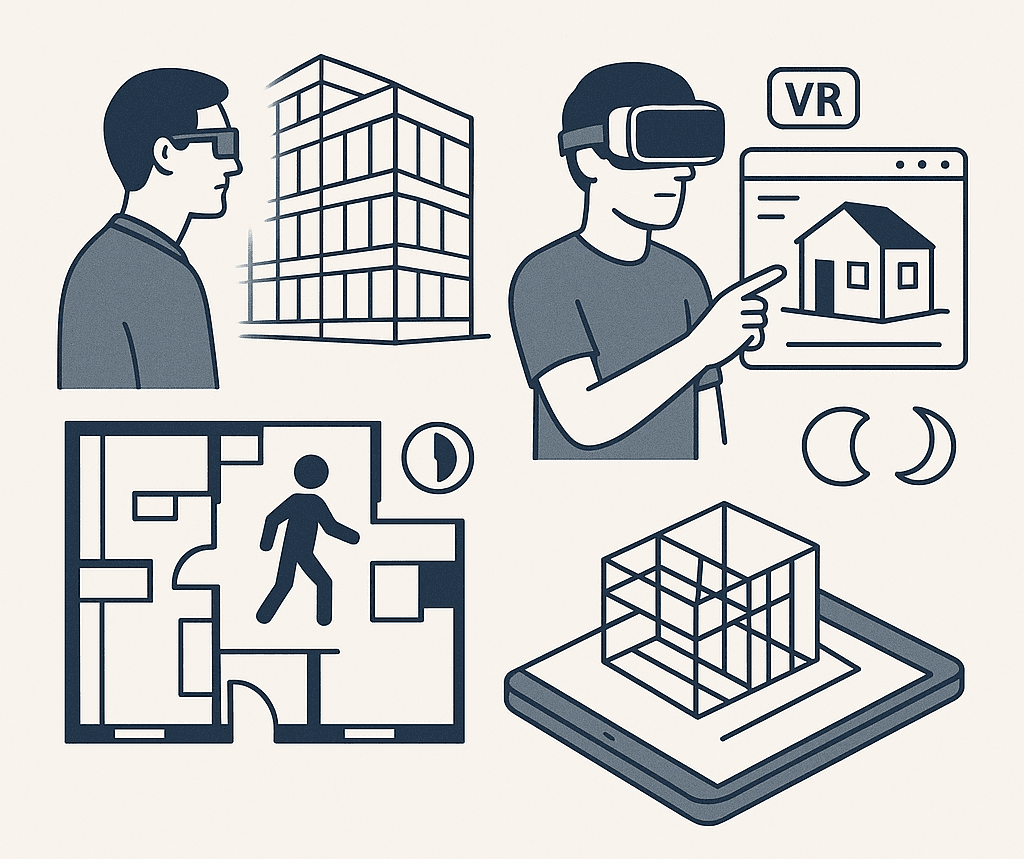
Architectural Design in Virtual and Augmented Reality
Virtual Reality (VR) and Augmented Reality (AR) technologies have emerged as transformative tools in architectural design processes in recent years. Virtual Reality enables users to experience architectural spaces before they are physically constructed by immersing them entirely in a digitally fabricated environment. Augmented Reality, on the other hand, overlays digital information onto the physical environment, allowing both designers and users to interact with real spaces in real time. These
ENEsra Özkafa
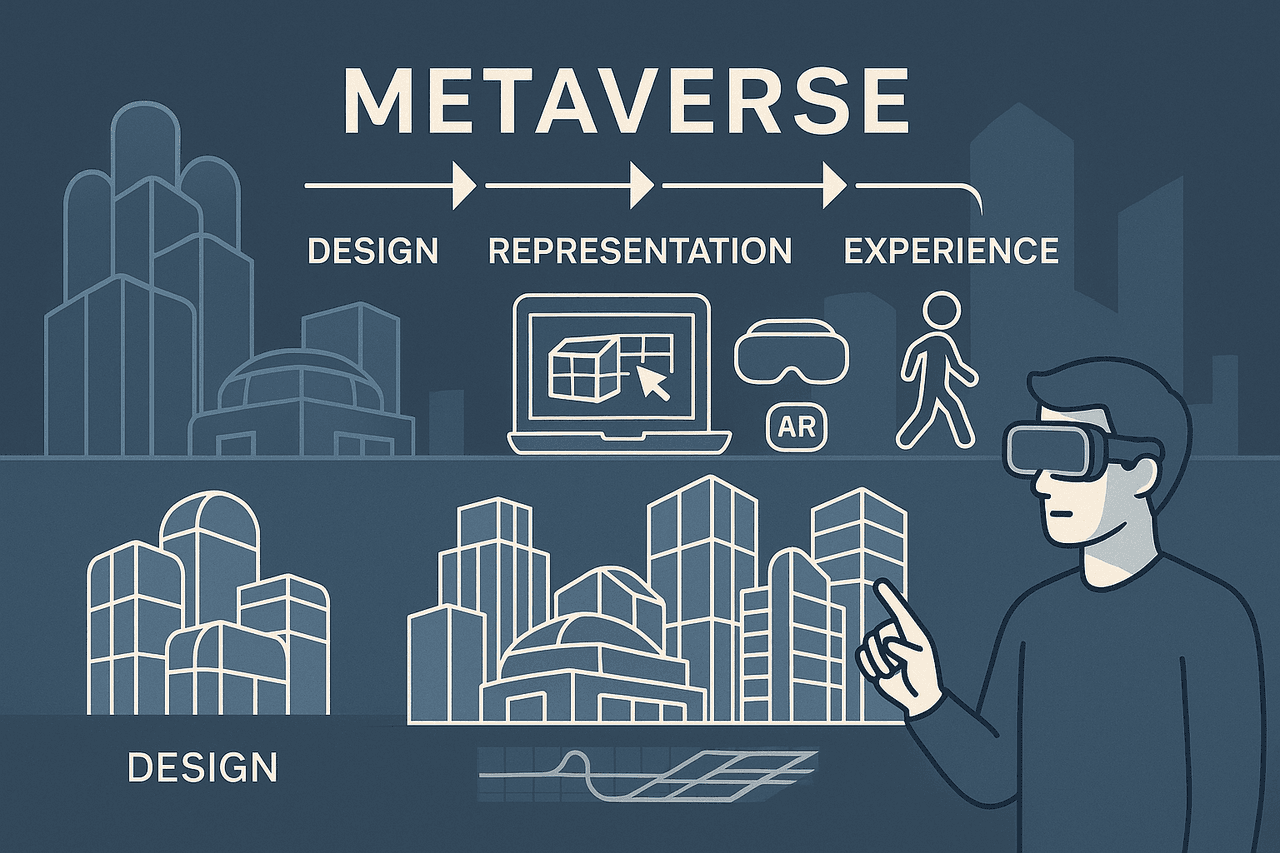
Architecture and the Metaverse
The metaverse is a virtual universe composed of three-dimensional and persistent digital environments in which users interact through avatars. It is envisioned as an evolution of the internet, shaped by the integration of technologies such as virtual reality, augmented reality, artificial intelligence, blockchain, and Web 3.0, and encompasses permanent, collectively experienced digital spaces independent of the physical world. In the context of architecture, the metaverse offers a new medium tha
ENEsra Özkafa