

`turkestan` Related Article Results
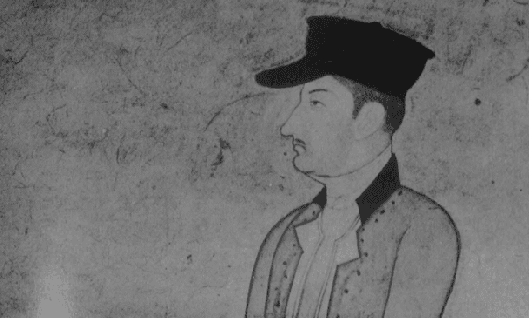
William Moorcroft
William Moorcroft, an English veterinarian and explorer. In the first quarter of the 19th century, he conducted exploration missions on behalf of the British East India Company into Turkistan, undertaking a journey between 1819 and 1825 that encompassed centers such as Kashgar, Balkh and Bukhara. His travel notes and posthumously published works contain some of the earliest Western observations on the cities of Afghanistan and Turkistan. Early Life and Education William Moorcroft was born in 176
EN
Neriman Sena Külünk
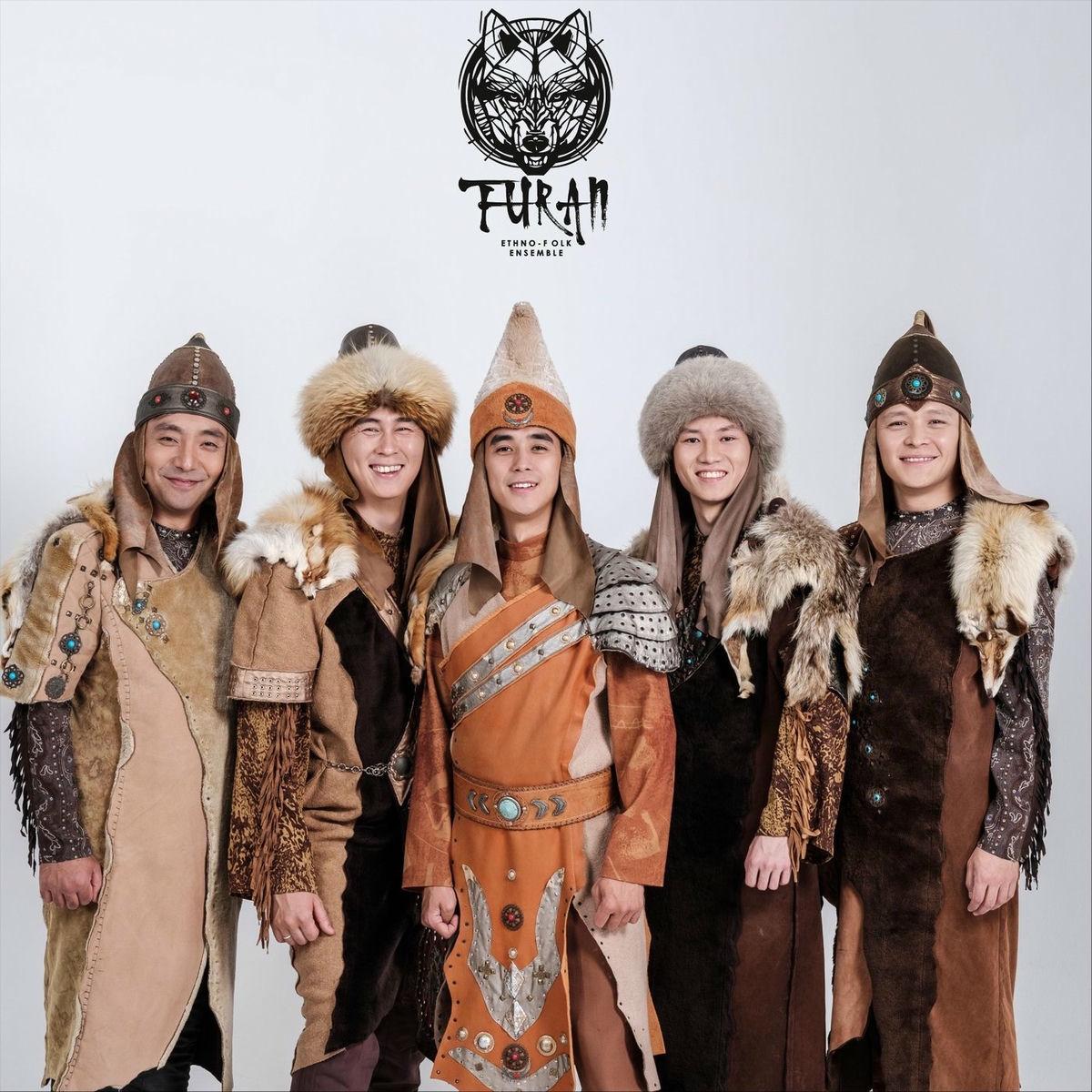
Er Turan (Music Group)
Er Turan (Kazakh: Тұран, English: Turan Ethno-Folk Ensemble) is a Kazakhstan-based ethno-folk music ensemble. Founded in 2008, the group is known for its works that blend Kazakh traditional music with elements from the historical and cultural heritage of the Turkic world. The ensemble has developed a unique musical approach by combining traditional instruments, vocal techniques, and contemporary stage arrangements, drawing inspiration from ethnic music, folk music, and classical music elements.【
EN
Zeyneb Kurun
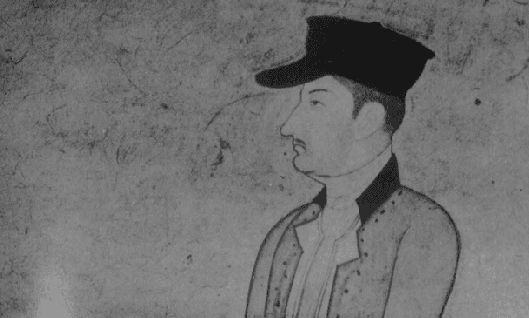
William Moorcroft
William Moorcroft was an English veterinarian and explorer. In the first quarter of the 19th century, he conducted exploration missions on behalf of the British East India Company toward Turkistan, undertaking a journey between 1819 and 1825 that included key centers such as Kashgar, Balkh and Bukhara. His travel notes and posthumously published works contain some of the earliest Western observations on the cities of Afghanistan and Turkistan. Early Life and Education William Moorcroft was born
EN
Neriman Sena Külünk
 Kü
KüKültöbe Inscription
Kültöbe Inscription is an important archaeological and philological find in the context of Central Asian Turkic history and epigraphy. It is the only known single-line runic Turkic inscription attributed to the early Oghuz Turks, dated to the 9th–10th centuries. The inscription was discovered within the historical Oghuz settlement of Kültöbe, located within the boundaries of the village of Orañğay (Oranğay), near the city of Turkistan, in southern Kazakhstan. Image of the Kültöbe Inscription (TR
EN
Duygu Şahinler
Ulugh Beg
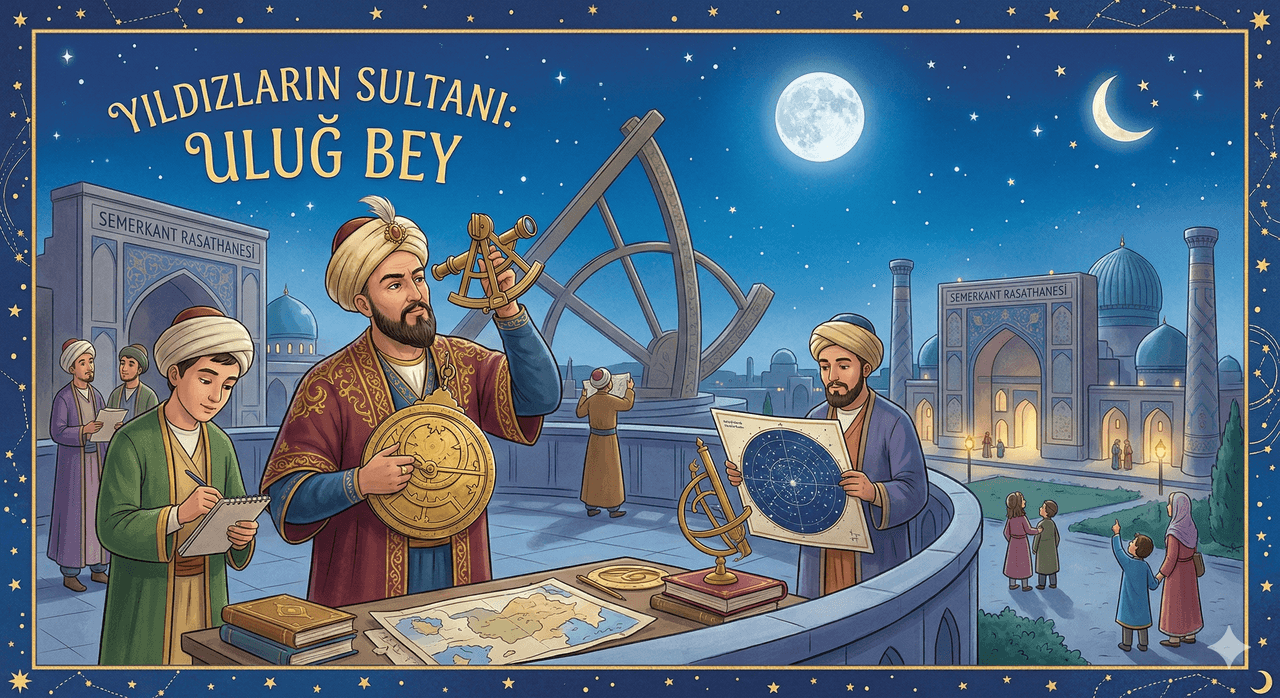
Ulugh Beg (1394–1449) was not only one of the greatest astronomers and mathematicians in Turkic-Islamic history but also the fourth ruler of the Timurid Empire. The grandson of Emir Timur and son of Shahrukh, Ulugh Beg crowned his reign not only with political achievements but also with a “Samarkand Renaissance” marked by the pinnacle of science and reason. Born as Muhammad Taragay, the ruler was born in the city of Soltaniye in Iran during the military campaigns of his grandfather Timur. From a
EN
Mustafa Cem İnci
Uzbekistan
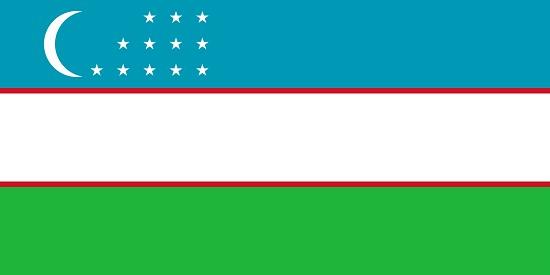
Uzbekistan Republic; is a landlocked state located in the center of Central Asia, bordered by the Tian Shan mountains to the east and the Turan Depression to the west. The majority of its territory is covered by the Kyzylkum Desert. With an area of approximately 447,400 km², Uzbekistan is one of only two “double landlocked” countries in the world, meaning it is landlocked and all its neighbors are also landlocked.【1】 With a population of 37.7 million according to recent data, Uzbekistan is the m
EN
Bahtışen Kabak
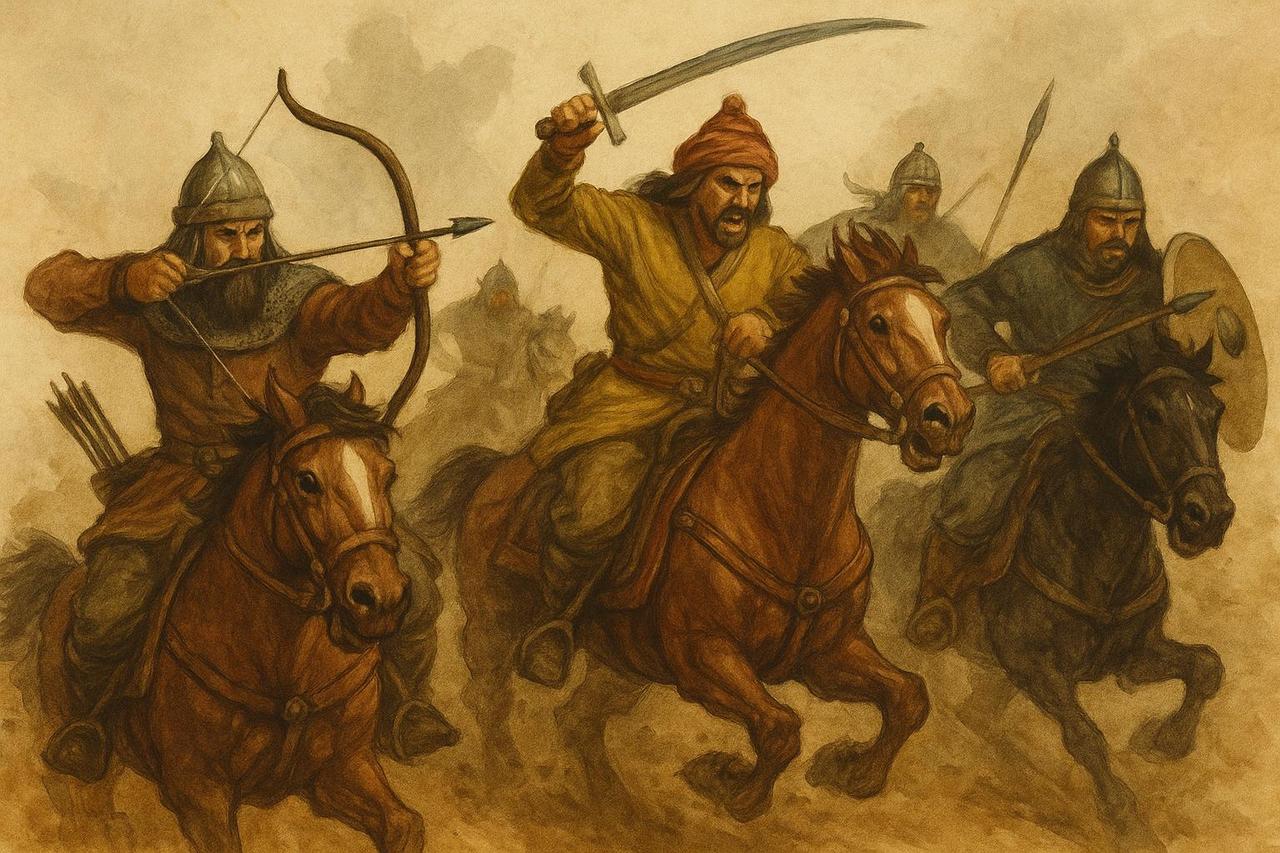
Hun State - The First Great Turkic Empire
Who Were the Huns? The Huns were the first major Turkic state in history. This society, composed of highly skilled warriors, was especially proficient in shooting arrows from horseback. Since their lifestyle was nomadic, they lived in tents, tended to livestock, and were constantly on the move. The Huns were not merely a warrior group; they also established a large and organized state. Where and When Were They Established? The Hun State was founded in Central Asia during the 3rd century BCE. The
ENMustafa Cem İnci

Great Seljuk State
Who Were the Seljuks? The Great Seljuk State was a major Turkish state established during the Middle Ages that significantly shaped history. It derived its name from Selçuk Bey, a chieftain of the Oghuz Turks. The Seljuks made great advances in science, art, and governance. They were not only warriors but also placed great importance on culture and education by building madrasas, mosques, and libraries. Where and When Were They Established? The Great Seljuk State was established in 1040 after th
ENMustafa Cem İnci
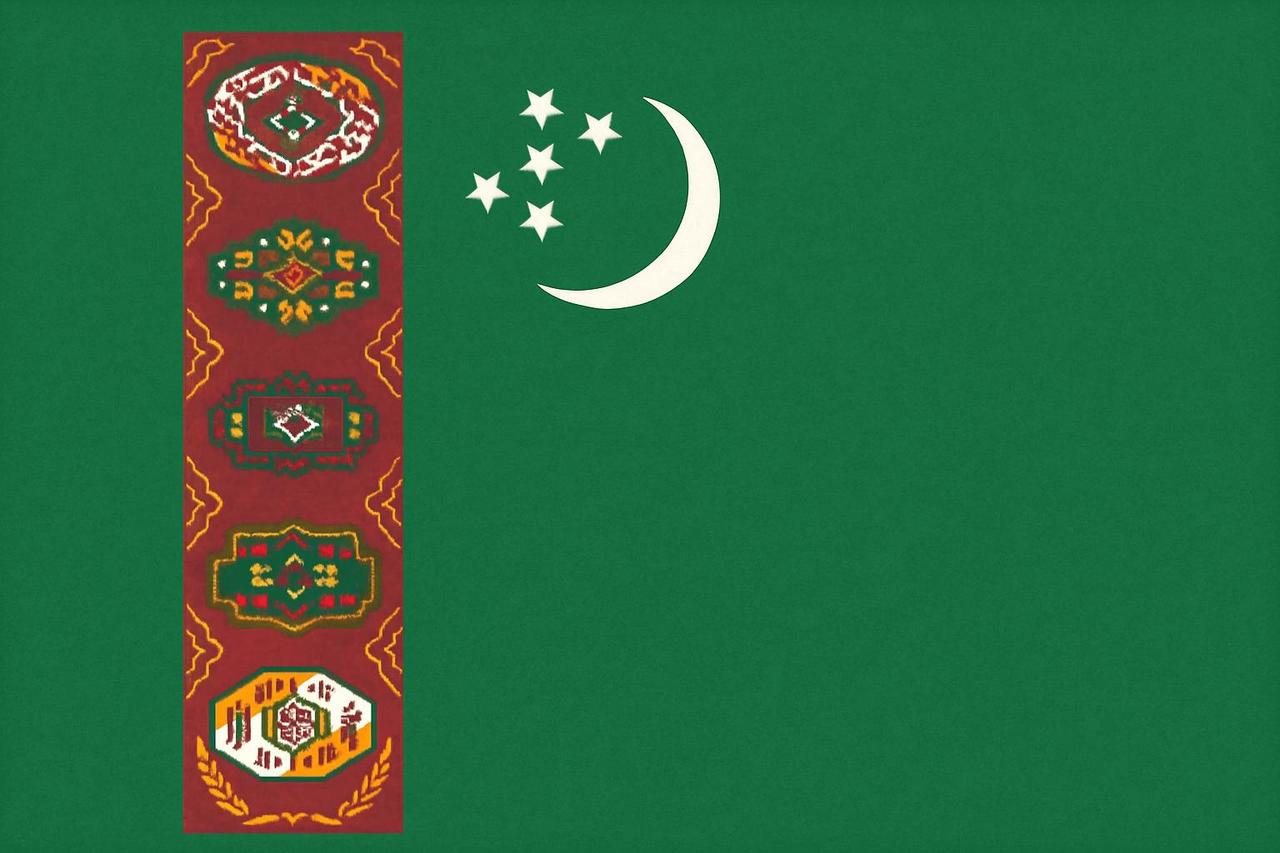
Let Us Get to Know Turkmenistan
Turkmenistan is an independent Turkic state located in Central Asia. To its west lies the Caspian Sea. Its capital, Ashgabat, is the largest and most developed city. The country features vast deserts and mountains across its territory. Turkmenistan is a nation deeply rooted in its traditions while simultaneously undergoing modernization. From Nomadic Tradition to Independent State Throughout history, nomadic Turkic tribes have inhabited the lands of Turkmenistan. These communities are known for
ENMustafa Cem İnci
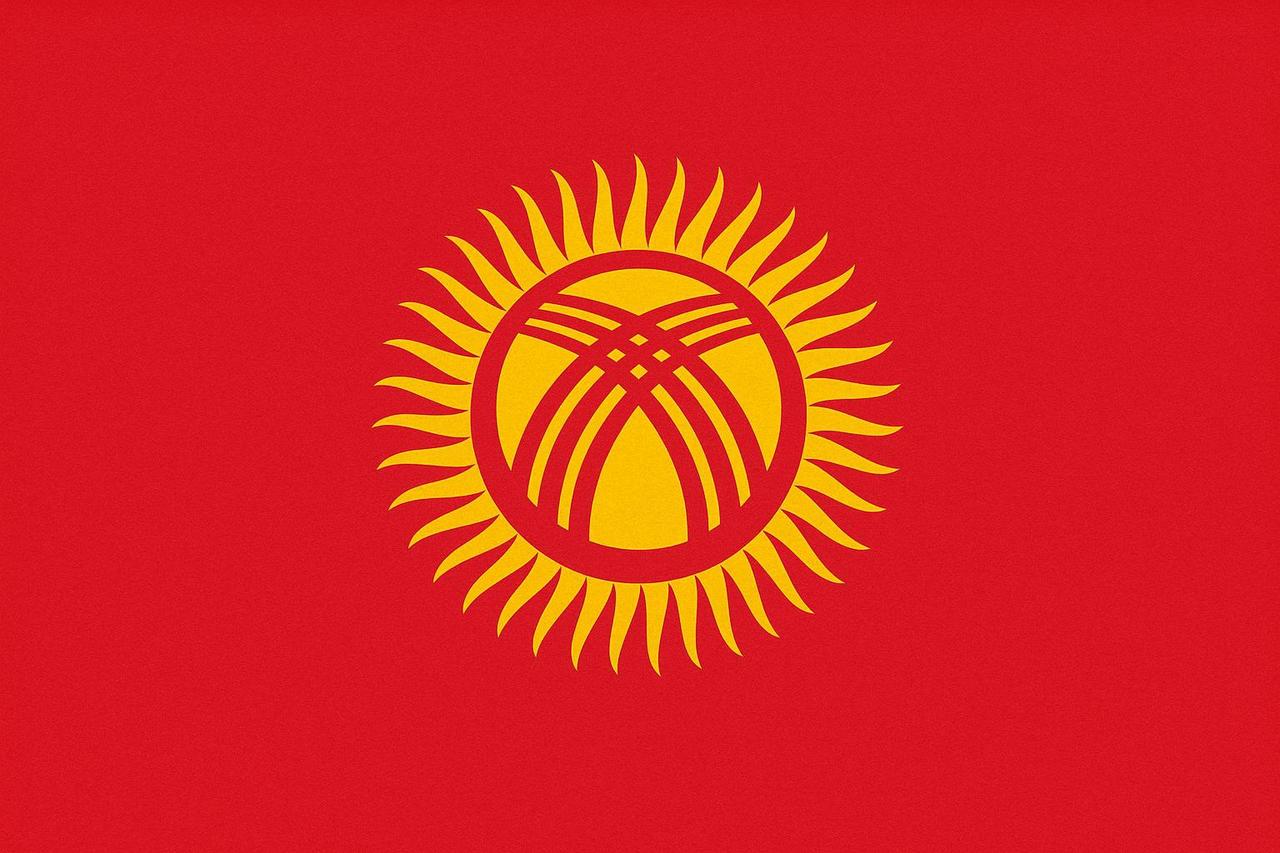
Let Us Get to Know Kyrgyzstan
Kyrgyzstan is a country located in Central Asia. Its neighbors are Kazakhstan, Uzbekistan, Tajikistan, and China. The capital of this mountainous country is Bishkek. A continental climate predominates in Kyrgyzstan, resulting in hot summers and very cold winters. Historical and Cultural Heritage Kyrgyzstan has a deep-rooted Turkic culture. The Kyrgyz people have lived a nomadic lifestyle since ancient times, riding horses and setting up tents. They possess a long and significant oral epic known
ENMustafa Cem İnci