

`tombul-cami` Related Article Results
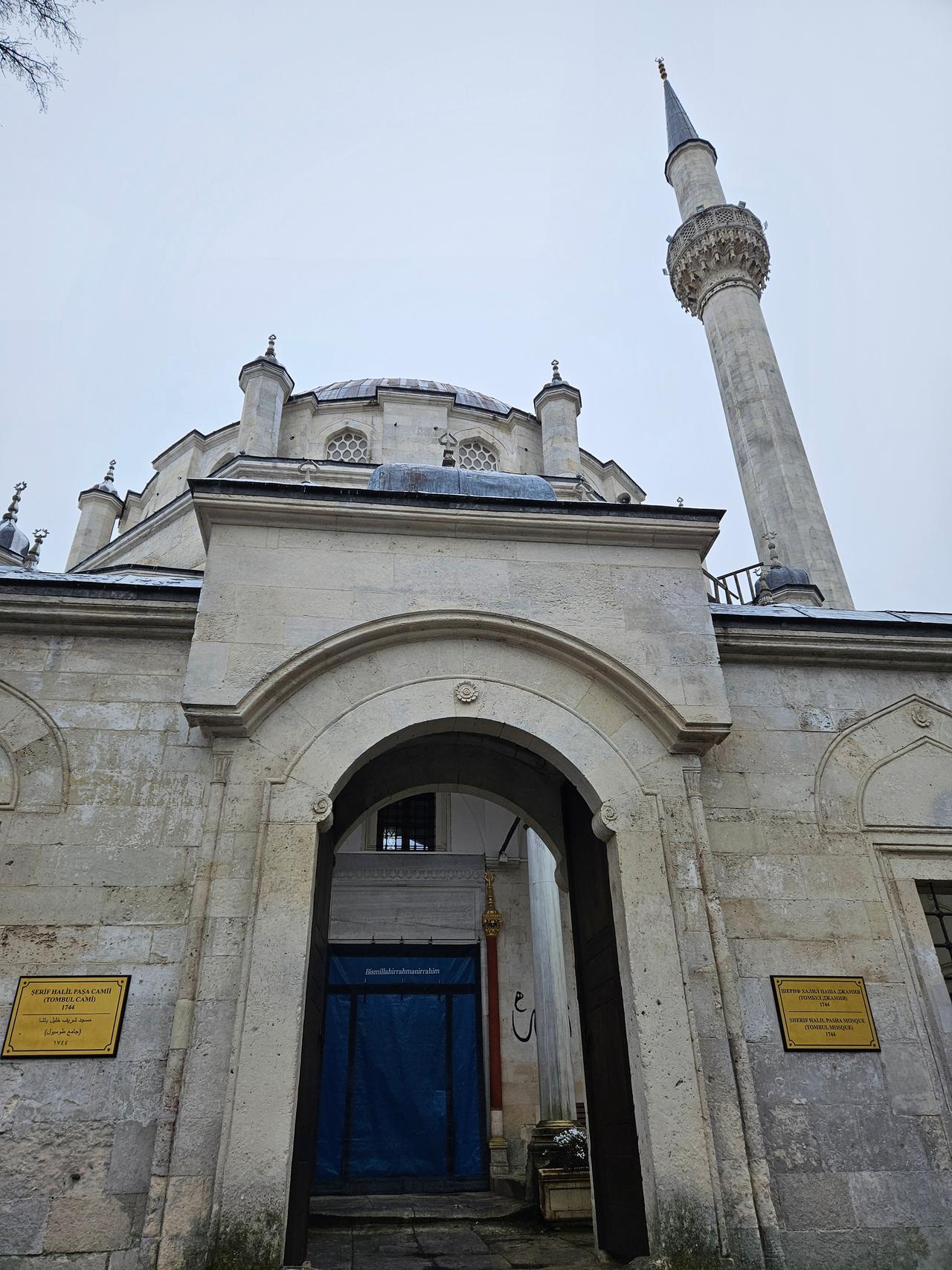
Tombul Mosque (Şerif Halil Paşa Mosque)
Tombul Cami, located in the city of Shumen (Bulgaria), is an Ottoman-era külliye structure commissioned in 1744 by Sadrazam Kethüdası Şerif Halil Paşa. The mosque is a characteristic example of 18th-century Ottoman architecture, reflecting the early adoption of Baroque and Rococo styles. Today, it stands as one of the largest surviving Ottoman religious structures in the Balkans. Its popular name, “Tombul Cami,” derives from the wide and rounded form of its dome. History Also known as the Şerif
EN
Meryem Şentürk Çoban
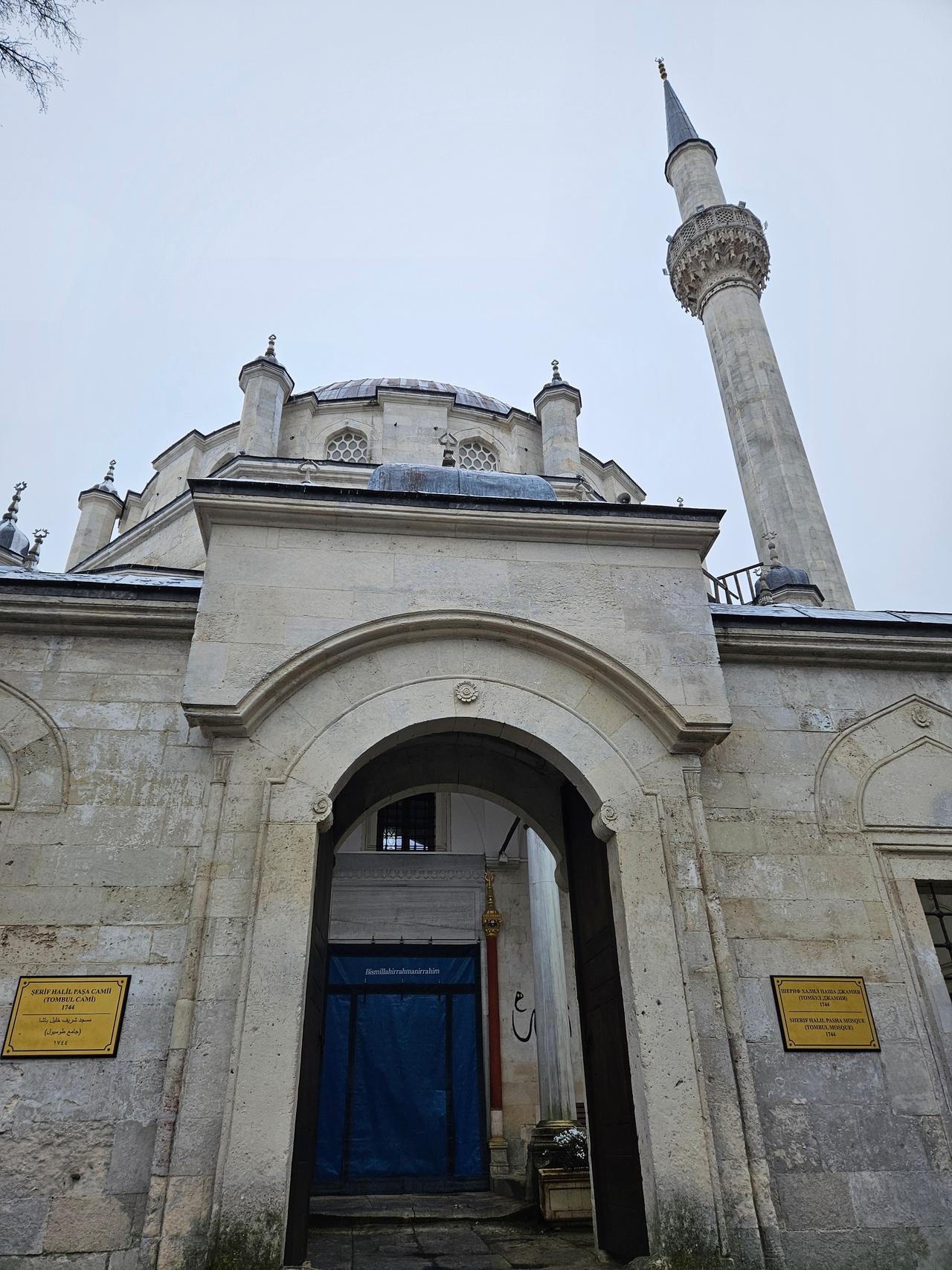
Tombul Mosque (Şerif Halil Paşa Mosque)
Tombul Cami is an Ottoman-era külliye structure built in 1744 in the city of Shumen by Sadrazam Kethüdası Şerif Halil Paşa. The mosque is a characteristic example of 18th-century architecture, reflecting the early incorporation of Baroque and Rococo styles into Ottoman design. Today, it stands as one of the largest surviving Ottoman religious structures in the Balkans. Its popular name, “Tombul Cami,” derives from the broad and rounded form of its dome. Interior of Tombul Cami (Photo: Meryem Şen
EN
Meryem Şentürk Çoban
Tombul Cami (Şerif Halil Paşa Cami)
Tombul Cami, Bulgaristan’ın Şumnu (Shumen) kentinde 1744 yılında Sadrazam Kethüdası Şerif Halil Paşa tarafından inşa ettirilen Osmanlı dönemi külliye yapısıdır. Barok ve Rokoko üsluplarının Osmanlı mimarisine girmeye başladığı 18. yüzyılın karakteristik örneklerinden olan cami, günümüzde Balkanlar’da ayakta kalan en büyük Osmanlı dini yapılarından biridir. Halk arasında “Tombul Cami” olarak anılması, kubbesinin geniş ve yayvan formundan kaynaklanır. Tarihçe Tombul Cami, diğer adıyla Şerif Halil
TRMeryem Şentürk Çoban