

`tombstone` Related Article Results
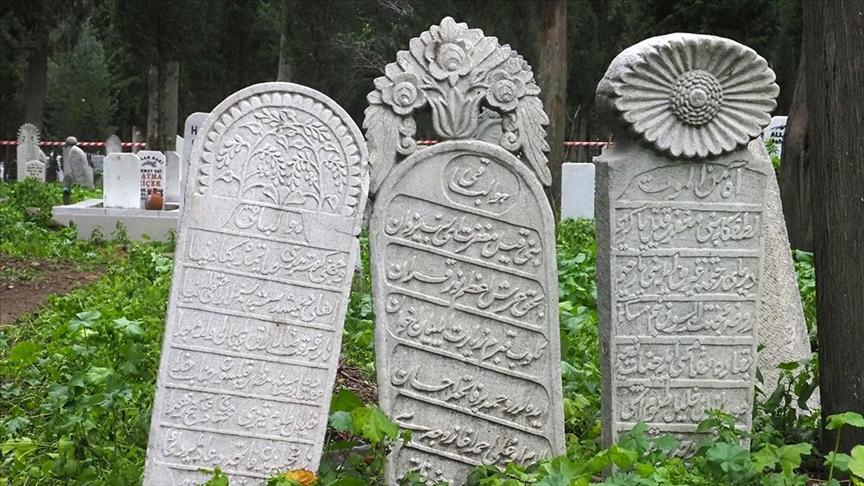
Ottoman Tombstones
Ottoman tombstones are important cultural heritage elements that reflect the aesthetic understanding of Turkish-Islamic art and provide information about the social, cultural, and religious life of their time. These stones contain details regarding individuals’ identities, professions, statuses, and life stories, while also serving as artistic objects enriched by calligraphy, stone craftsmanship, and symbolic motifs. Throughout history, these monuments, which evolved from Central Asian tradition
EN
Elif Laçin
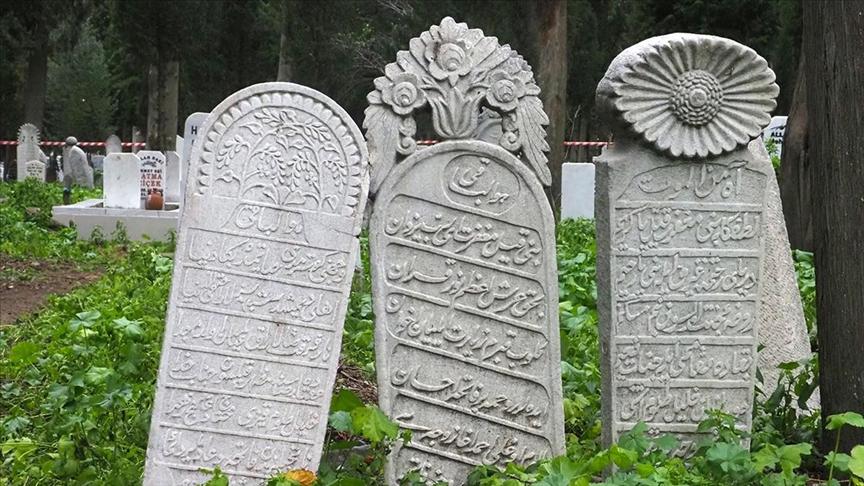
Ottoman Tombstones
Ottoman tombstones are important cultural heritage elements that reflect the aesthetic understanding of Turkish-Islamic art and provide information about the social, cultural, and religious life of their time. These stones contain details regarding individuals’ identities, professions, statuses, and life stories, and constitute artistic objects enriched with calligraphy, stonemasonry, and symbolic motifs. Throughout history, these monuments, which evolved from Central Asian traditions and merged
EN
Elif Laçin
 Gü
GüGündoğdu Tomb
The Gündoğdu Tomb is located in the Niğde city center, on Türbe Street in Yenice Quarter, south of the Hüdavend Hatun Tomb. There is no construction inscription on the structure that has survived to the present day. However, the tombstone inscription in the tomb is dedicated to Ahi Bevvap, son of Gündoğdu, who passed away in Safer 745 H. (June 1344 M.), and this inscription was later placed on the main portal on the east facade. Based on this date, it is accepted that the tomb was built around 1
EN
Meltem Saraç