

`tomb` Related Article Results
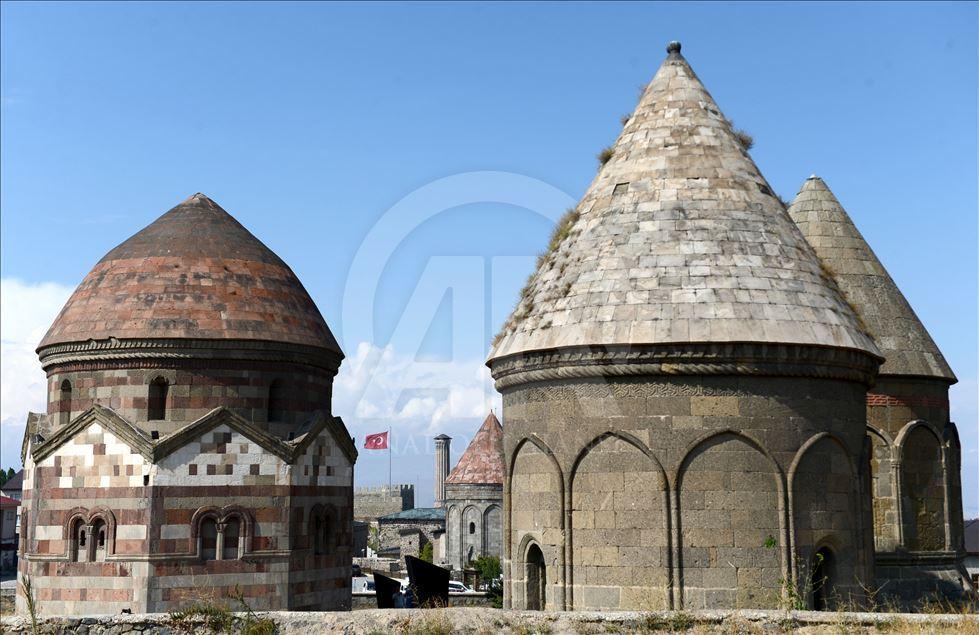
Kümbet
Origin The word is borrowed from Persian and Middle Persian (Pahlavi) kubbe, meaning "dome" or "arch," from the term gunbad (گنبد). It has been noted that this term shares a common root with kubbtā, derived from the Aramaic and Syriac root kbb, which carries the same meaning. In Turkish, historical usage has been recorded in the forms "günbed," "künbet," and kümbet. Areas of Use Architecture: In the art of building, it is used as an architectural term to describe roof systems, replacing direct r
EN
AYŞE TUBA KESKİL
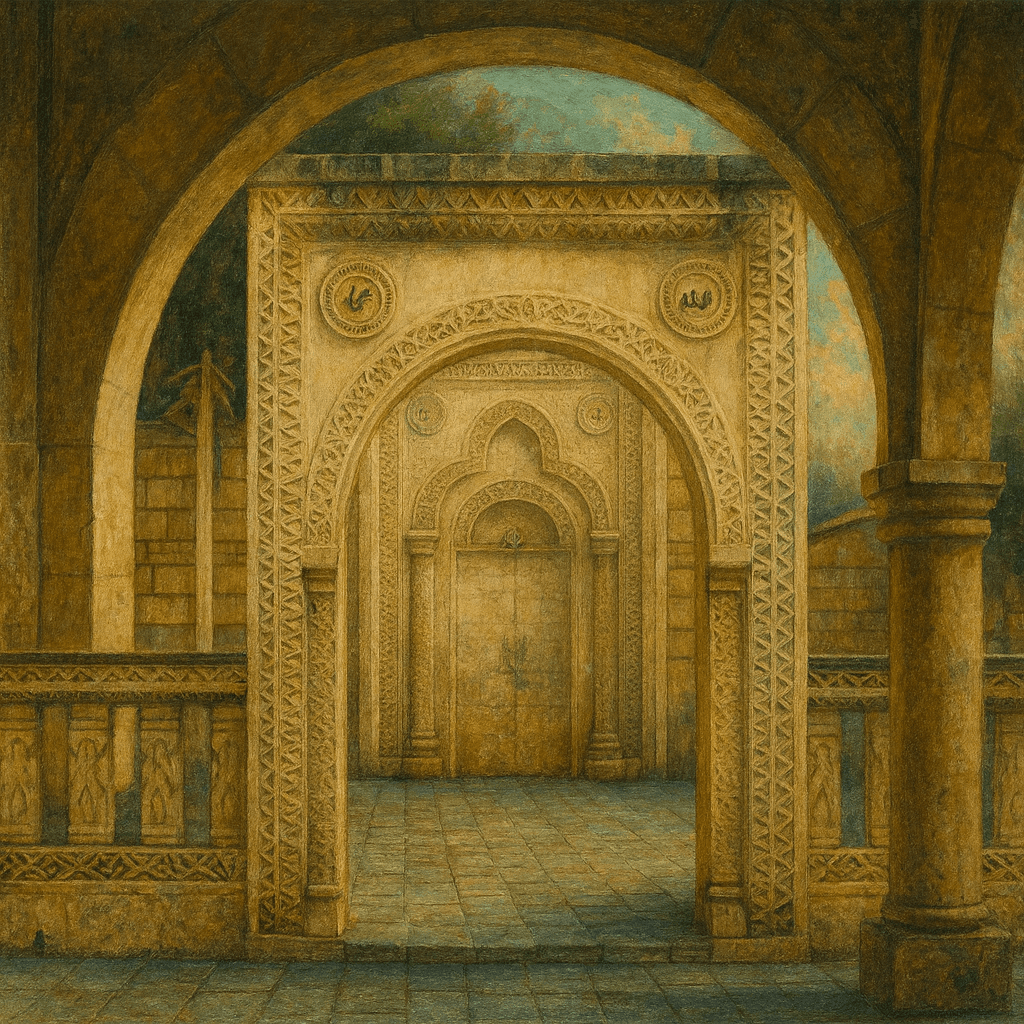
Veysel Karani Türbesi
Where Is the Veysel Karani Tomb? This tomb, located in the village of Veysel Karani under the Baykan district of Siirt, is one of Anatolia’s most significant pilgrimage sites. The tomb is part of a külliye that includes a mosque, a fountain, and guest buildings. The structure, which has a rectangular plan close to a square, is covered by a dome. Inside the tomb, wooden carved coffins and botanical decorations attract attention. Each year, thousands of people from different parts of the world com
EN
Hikmet Can Urhan
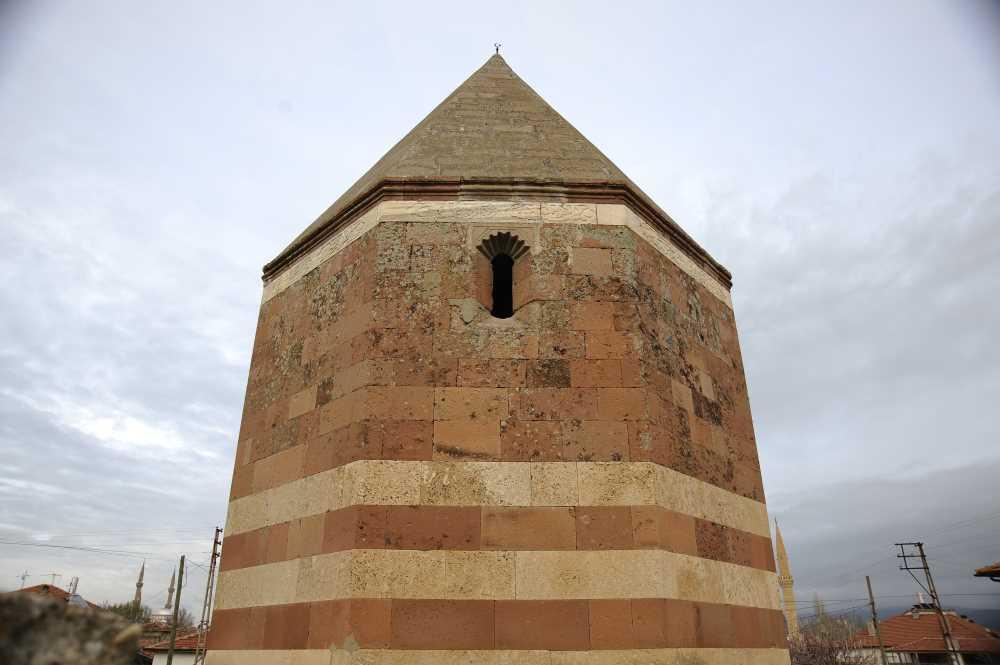
Çandır Şah Sultan Hatun Türbesi
The Çandır Şah Sultan Hatun Türbesi is located within the boundaries of the Çandır district of Yozgat Province. The structure was built in the name of Şah Sultan Hatun, who lived during the period of the Dulkadiroğulları Beylik. According to the inscription inside the tomb, it was constructed in 905 AH (1499–1500 CE). The source clearly states that Şah Sultan Hatun was the wife of Dulkadiroğlu Şahruh Bey. In this regard, the tomb represents an important architectural example among women’s tombs
EN
Yusuf İslam Tuğla
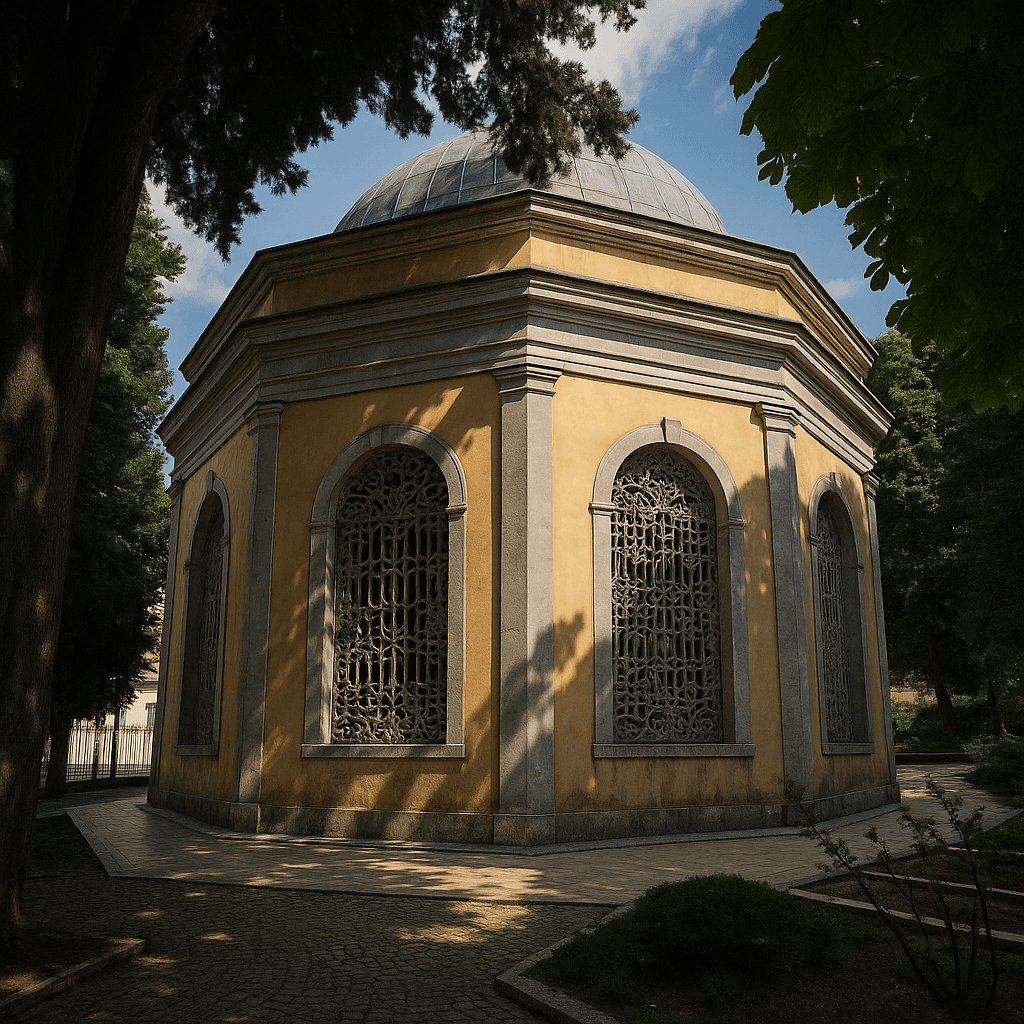
Tomb of Osman Gazi
Osman Gazi, the founder of the Ottoman State, was an important leader who lived between 1258 and 1324. Upon his death during the siege of Bursa, he was buried in the chapel of a former Byzantine monastery, as per his will, after the city was conquered. This special site is now known as the Tomb of Osman Gazi. (Generated by Artificial Intelligence) " image-element-format="justify" image-source="https://cdn.t3pedia.org/media/uploads/2025/08/16/zvefEGYJfTkDODlFqvIINuTt4MsTQbF4.png"> The History
ENHikmet Can Urhan
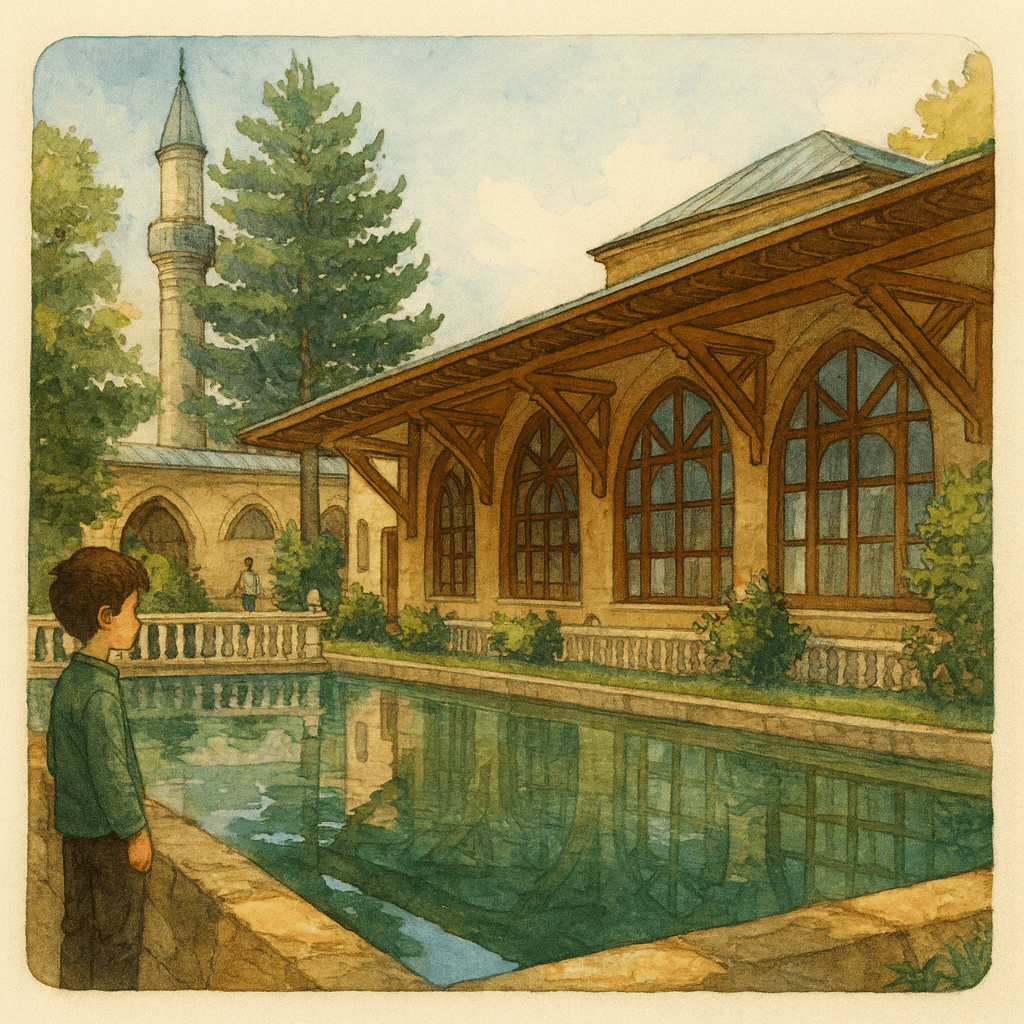
Somuncu Baba Mosque and Tomb
A Mysterious Place of Visit In the Zaviye Neighborhood of Darende district in Malatya, there is a very special site: Somuncu Baba Camii ve Türbesi. Here, a mosque houses a tomb within its structure, beside it lies Balıklı Göl, and beneath it is a museum. Every year, thousands of visitors come from across Türkiye and from various parts of the world to pay their respects. (Generated by Artificial Intelligence) " image-element-format="justify" image-source="https://cdn.t3pedia.org/media/uploads/202
ENHikmet Can Urhan
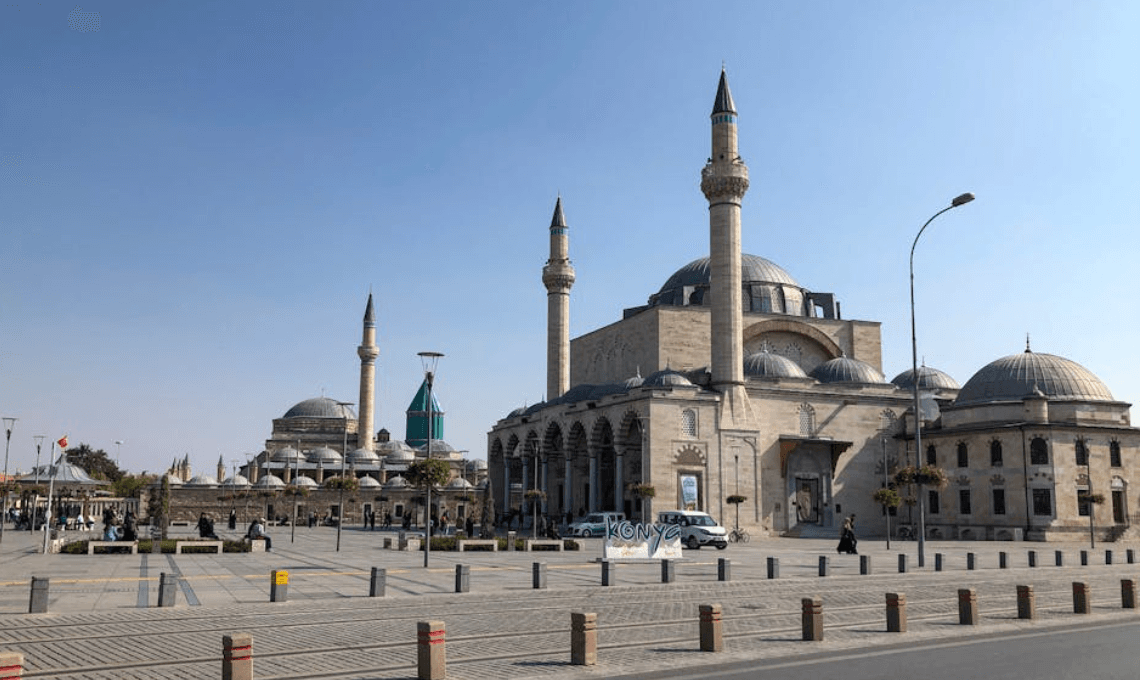
Mevlana Museum
The Mevlânâ Museum is a historical, cultural, and faith-based museum established during the Republican era by converting the former Mevlânâ Dergâhı complex, centered around the tomb of the great Sufi master Mevlânâ Celâleddin Rûmî. The museum houses architectural elements characteristic of the Mevlevî tradition, spaces reflecting the life of the order, and a large collection of valuable manuscripts and artistic works, serving as a center documenting Sufi culture from the Seljuk, Karamanid, and O
EN
Sümeyra Uzun
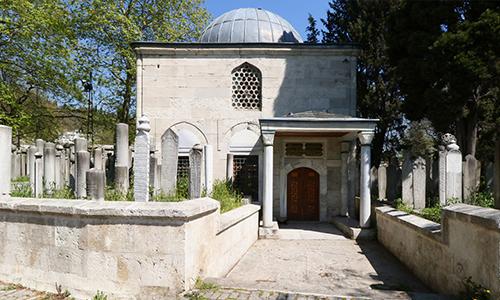
Feridun Paşa Türbesi
Feridun Ahmed Pasha Tomb, built in 1583 in the Eyüpsultan district of İstanbul, is a square-plan, single-dome funerary structure erected in honor of Feridun Ahmed Pasha, a 16th-century Ottoman bureaucrat, chancellor, poet, and writer.【1】 The Life and Literary Identity of Feridun Ahmed Pasha Feridun Ahmed Pasha was educated in the imperial court during the reign of Suleiman the Magnificent under the tutelage of Çivizade Abdullah Çelebi, the Grand Treasurer, and rose through the bureaucratic ranks
EN
Gözde Cabadak
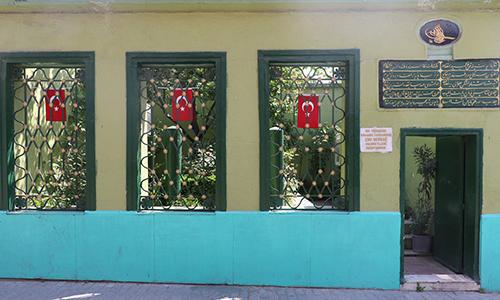
Tomb of Abu Darda
The Tomb of Abu al-Darda (Maqam of Abu al-Darda Radiyallahu Anhu) is a historical mausoleum and burial structure located on Zal Pasha Street in the Nişanca Neighborhood of the Eyüpsultan district of Istanbul, attributed to the esteemed Companion Abu al-Darda.【1】 Location and Environmental Features The structure is situated within the boundaries of Eyüpsultan on Zal Pasha Street, positioned between the Cezeri Kasım Paşa Camii and the Zal Mahmud Paşa Camii. Directly opposite the front facade of th
ENGözde Cabadak
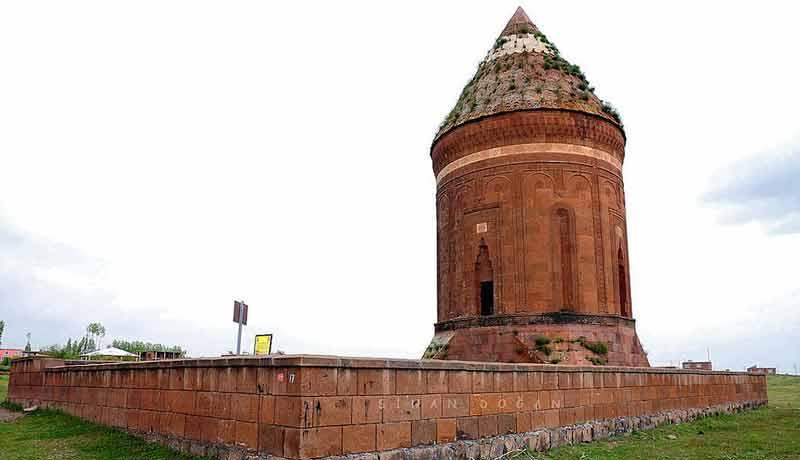
Master and Apprentice Mausoleum
The Usta Şagirt Kümbeti, located in the Ahlat district of Bitlis province, is the largest example of Seljuk-era tombs in the region and is also commonly known among the local population as “Ulu Kümbet.” The structure was built in the İyiler (Eyiler) locality of Ahlat’s İki Kubbe Mahallesi, near the Seljuk Cemetery and close to Lake Van. History and Period Classification No inscription identifying the construction date or the founder has been found on the tomb. Due to this absence, the exact date
EN
Zerrin Bayar
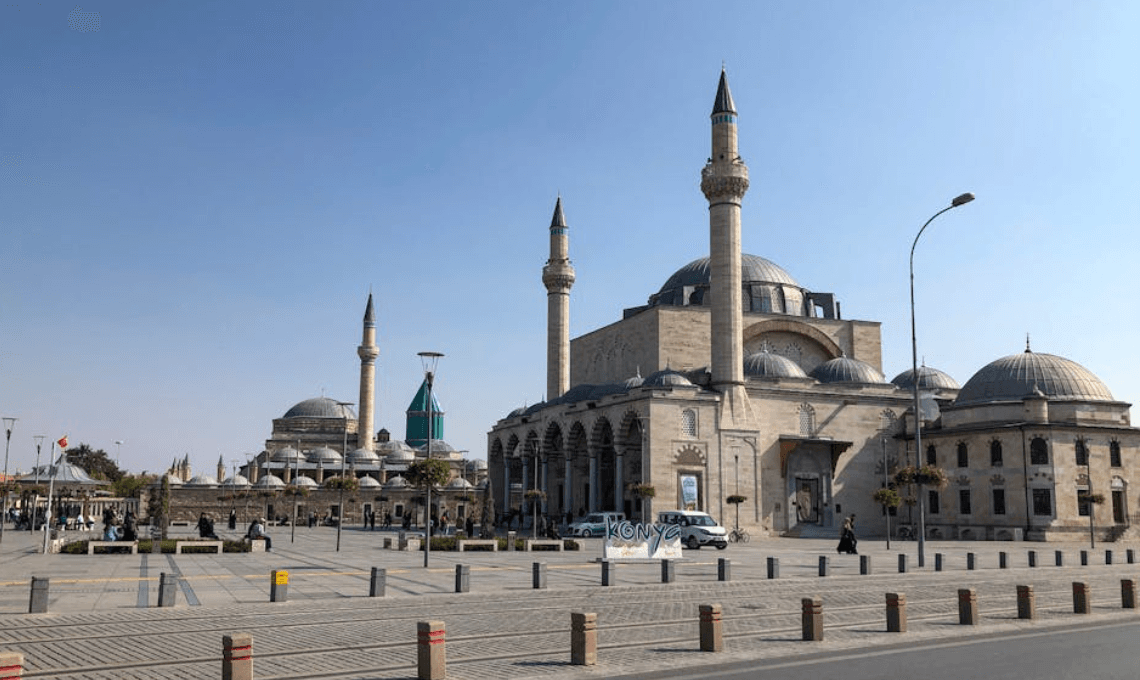
Mevlana Museum
The Mevlana Museum is a historical, cultural, and faith-based museum established during the Republican era by converting the former Mevlana Dergâhı complex, centered around the tomb of the great Sufi mystic Mevlana Celaleddin Rumi. The museum houses architectural elements related to the Mevlevi tradition, spaces reflecting the life of the order, and a large number of valuable manuscripts and artistic works, serving as a center documenting Sufi culture from the Seljuk, Karamanid, and Ottoman peri
EN
Sümeyra Uzun