

`thermodynamics` Related Article Results
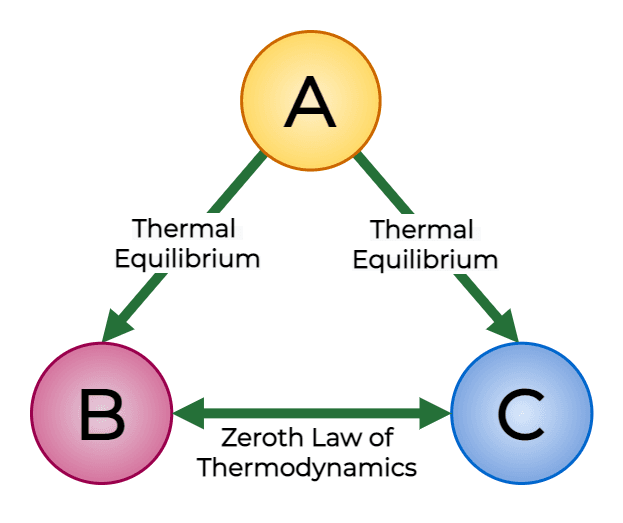
Laws of Thermodynamics
Thermodynamics is a branch of physics that studies energy transformations in nature and the relationships between these transformations and work, heat, entropy such as and physical quantities. The conservation and transformation of energy are of great importance in many fields such as engineering, chemistry, biology and physics. At the foundation of thermodynamics are four fundamental laws: the zeroth law, the first law, the second law and the third law. 1. The Zeroth Law of Thermodynamics: Ther
EN
Mevlüt Acar
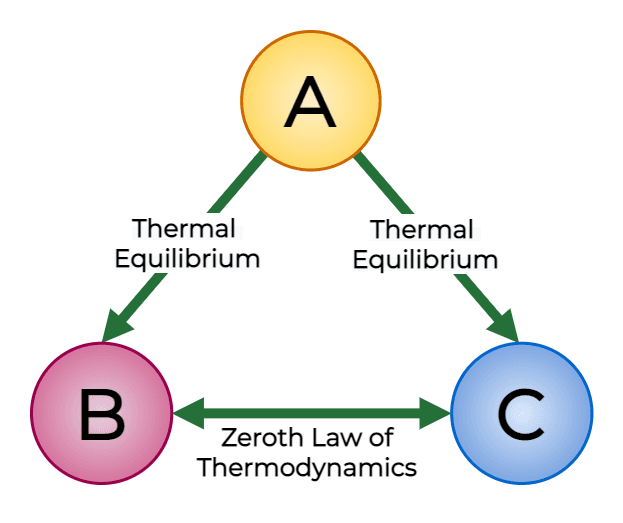
Laws of Thermodynamics
Thermodynamics is a branch of science that studies energy transformations in nature and their relationships with physical quantities such as work, heat, and entropy. The conservation and transformation of energy are of great importance in many fields including engineering, chemistry, biology, and physics. At the foundation of thermodynamics are four fundamental laws: the zeroth law, the first law, the second law, and the third law. 1. The Zeroth Law of Thermodynamics: Thermal Equilibrium and Equ
ENMevlüt Acar
 Wh
WhWhy Is It Not Possible to Travel Back in Time?
Time travel has become one of the most captivating and intriguing themes in science fiction. Films such as "Back to the Future," "Interstellar," and "The Time Machine" have inspired us to imagine the possibilities of traveling through time. Yet this idea appears highly complex and often impossible in the real world, especially when it comes to traveling to the past. Can we truly travel to the past? In this article, I will attempt to explain why traveling backward in time has become physically im
ENElif Nas Örsün