

`tarhana` Related Article Results

Tokat Grape Tarhana
Tokat Grape Tarhana is a regional variety of tarhana produced using traditional methods in Tokat Province and its surroundings, with grape as its primary ingredient and consumed as a winter food. This product is prepared by processing components such as wheat flour, grape, and yogurt through specific stages, and its production process is shaped by the region’s climatic conditions and local practices. Tokat Grape Tarhana holds an important place among the key elements of the regional culinary cul
EN
Melikcan BUDAK
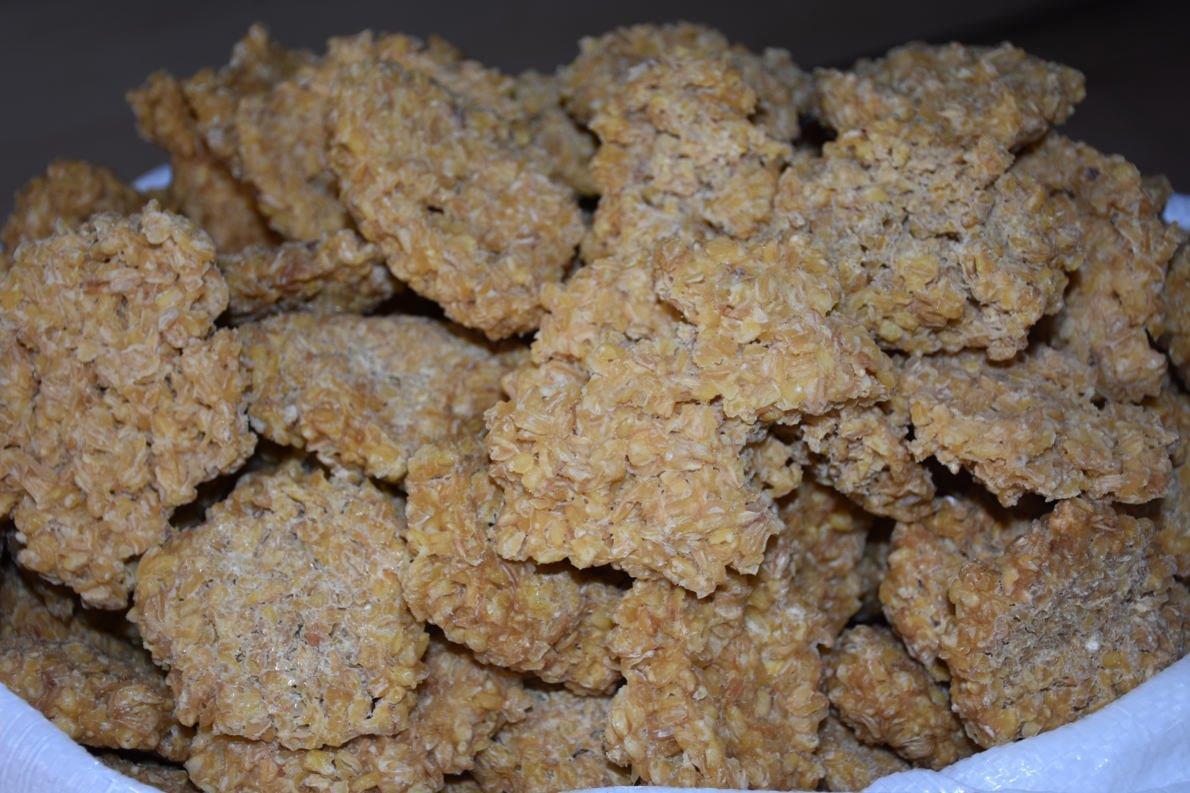
Malatya Tarhanası
edit 14 tem Malatya tarhanası is a traditional type of tarhana unique to Malatya province, officially registered as a geographical indication. It is produced by partially dehulling cracked wheat in a stone mill, boiling it, and then mixing it with yogurt, fresh dough yeast, flour, salt, and water, followed by fermentation. Geographical Indication and Legal Status Malatya tarhanası was registered as a geographical indication on 23 July 2022 under application number C2021/000446 by the Yeşilyurt M
EN
Sabiha Meyra Şahinler
Cide Tarhanası
Kastamonu Province’s Cide district is associated with a regional variety of tarhana registered as a geographical indication by the Turkish Patent and Trademark Office. This product has been traditionally produced in the region for many years using traditional methods, distinguishing it from other types of tarhana through its production technique and ingredient composition. Particularly characterized by the use of dereotu—known locally as darakotu—alongside garlic and çemen/buyotu/boyotu, Cide ta
EN
Kasım Emre Anıl
Cide Tarhanası
Kastamonu ilinin Cide ilçesi ile ün bağı bulunan ve Türk Patent ve Marka Kurumu tarafından mahreç işareti olarak tescillenmiş yöresel bir tarhana çeşididir. Uzun yıllardır bölgede geleneksel yöntemlerle üretilen bu ürün, üretim metodu ve içeriğindeki bileşenler sayesinde diğer tarhana türlerinden farklılaşır. Özellikle içeriğinde yer alan ve halk arasında darakotu olarak bilinen dereotu, sarımsak ve çemen/buyotu/boyotu kullanımı ile karakterize olan Cide tarhanası, bu bileşenlerin kattığı belirg
TRKasım Emre Anıl
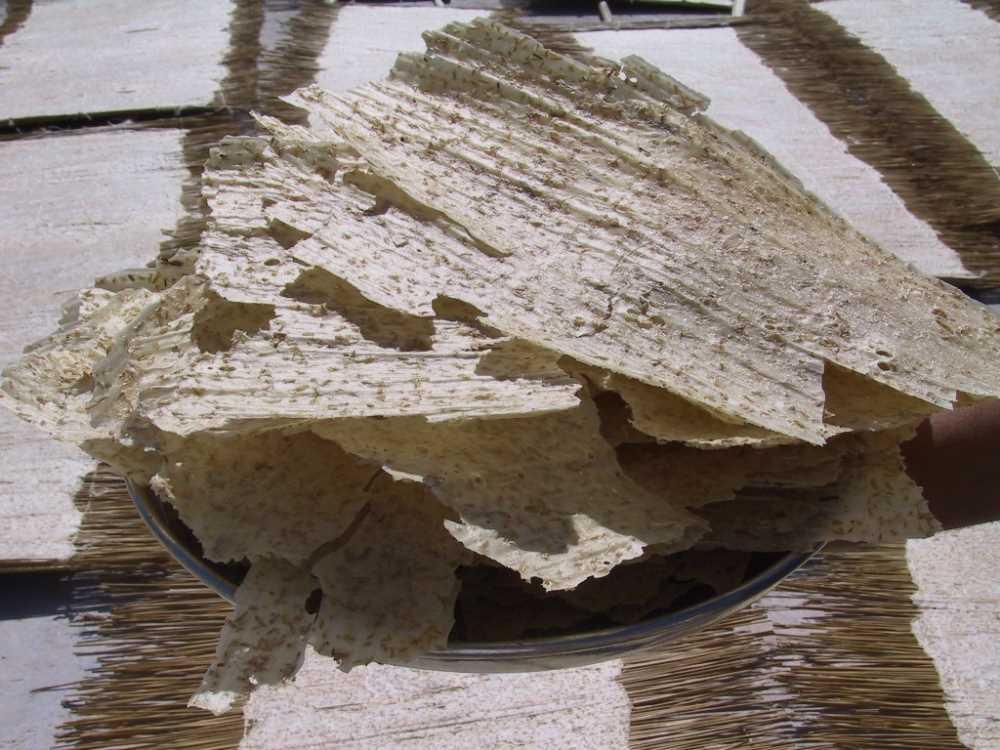
Maraş Tarhanası
Maraş tarhanası, Kahramanmaraş iline özgü bir tarhana türüdür. Üretiminde buğday yarması (dövme) ve yoğurt temel bileşen olarak kullanılır. Tarhana, çığ adı verilen sergilerde serilerek kurutulur. Ürünün besin içeriğinde mineral ve vitaminler ile bitkisel ve hayvansal proteinler bulunur. Maraş tarhanası (AA) " image-element-format="right" image-source="https://cdn.t3pedia.org/media/uploads/2025/08/19/TR3wLTfXzgf5Id9RMKvDTiwIRWGBNhvb.jpg"> Ayırt Edici Özellikler Maraş tarhanası, üretim teknolo
TR
Zelal Çakar
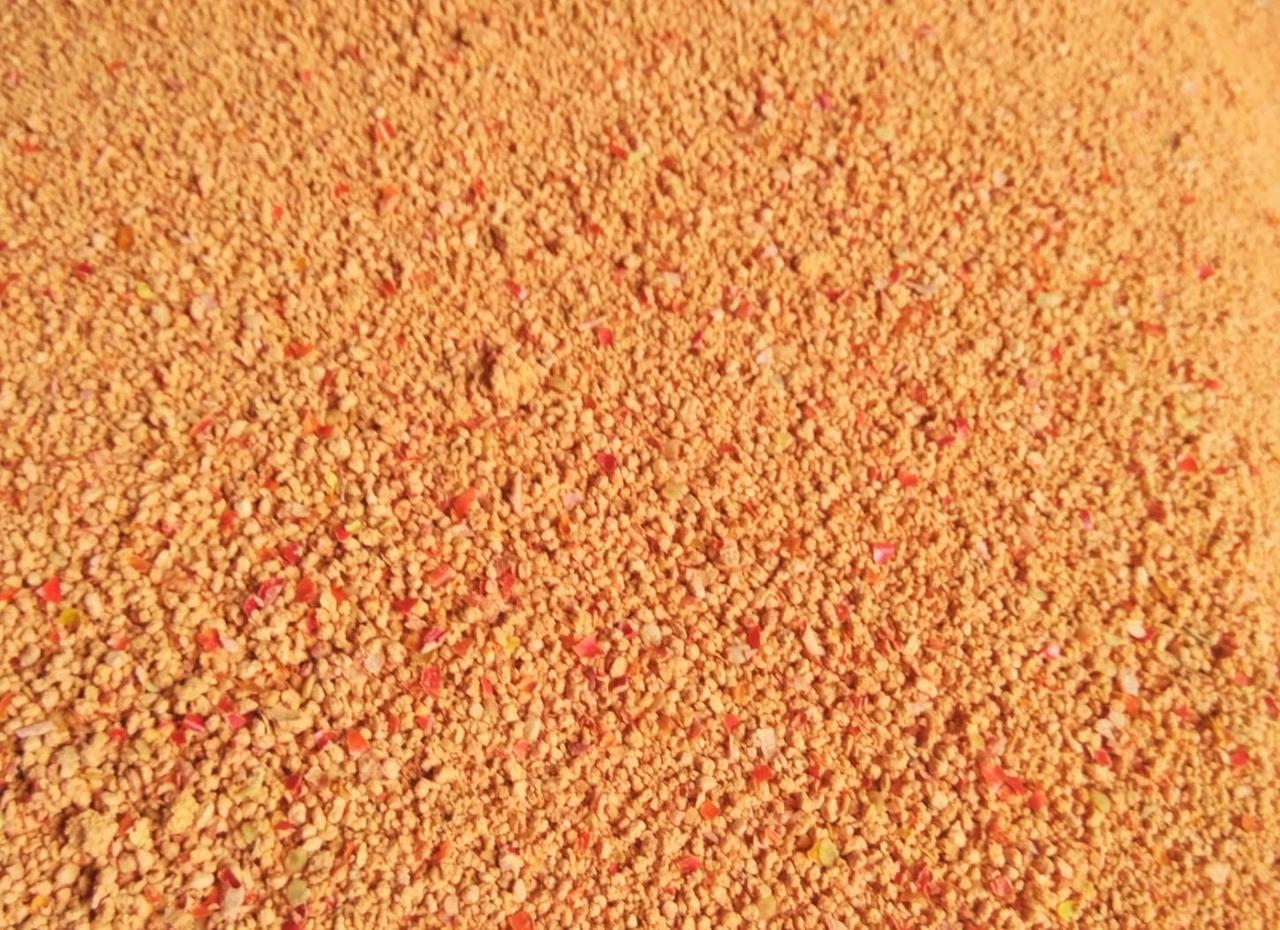
Gediz Tarhanası
Gediz tarhanası, Türkiye'nin Kütahya ilinin Gediz ilçesine özgü, coğrafi işaretle korunan geleneksel bir tarhana çeşididir. Buğday unu, tam yağlı yoğurt, kırmızı kapya biber, kırmızı acı biber, soğan, tuz, nane ve ekşi hamurun belirli oranlarda karıştırılmasıyla hazırlanan hamurun, 21 gün fermente edilmesi ve ardından gölgede kurutulmasıyla üretilen granül yapıda bir gıdadır. Turuncu rengi ve ekşimtırak tadıyla ayırt edilen bu tarhana, Gediz’in mutfak kültüründe önemli bir yere sahiptir ve coğra
TR
Elif Laçin

Tokat Üzüm Tarhanası
Tokat Üzüm Tarhanası, Tokat ili ve çevresinde geleneksel yöntemlerle üretilen, temel hammaddesi üzüm olan ve kışlık gıda olarak tüketilen yöresel bir tarhana çeşididir. Bu ürün, buğday unu, üzüm ve yoğurt gibi bileşenlerin belirli aşamalardan geçirilmesiyle hazırlanmakta olup üretim süreci, bölgenin iklim koşulları ve yerel uygulamalarla şekillenmektedir. Tokat Üzüm Tarhanası, yöresel mutfak kültürünün önemli unsurları arasında yer almaktadır. Tarihçe Tokat Üzüm Tarhanası’nın ortaya çıkışı, Toka
TR
Melikcan BUDAK
Tokat Grape Tarhana
Tokat Grape Tarhana is a regional variety of tarhana, traditionally produced in Tokat province and its surroundings using traditional methods, with grape as its primary ingredient and consumed as a winter food. This product is prepared by processing components such as wheat flour, grape, and yogurt through specific stages, and its production process is shaped by the region’s climatic conditions and local practices. Tokat Grape Tarhana holds an important place among the key elements of the region
ENMelikcan BUDAK

Bolu Kızılcık Tarhanası
Bolu Kızılcık Tarhanası is a traditional food product registered with a geographical indication from the Bolu region. The product has endured to the present day as a result of the cultural heritage of the local population. It was officially registered for protection by the Bolu Municipality on 01.12.2017, effective from 14.07.2017. The product/product group is classified as Tarhana / Meals and Soups. Description and Distinctive Characteristics Bolu Kızılcık Tarhanası is produced by mixing and kn
EN
Melahat Pamuk

Amasya Sıkma Tarhanası
Amasya Sıkma Tarhanası is a traditional tarhana variety unique to Amasya province in Türkiye. It is protected under a Protected Geographical Indication, registered on December 23, 2022, with registration number 1300 under the Industrial Property Law No. 6769. The registration was carried out by the Yeşilırmak Basin Development Union. Shaped by the region’s climate and cultural practices, Amasya sıkma tarhanası holds a significant place in local cuisine. Product Characteristics Amasya Sıkma Tarha
ENElif Laçin