

`sweet` Related Article Results

Dolanger Sweet
Dolanger sweet is a traditional syrup-based dessert specific to the Elazığ region of Türkiye. This dessert, which reflects the region’s rich culinary culture, is prepared by rolling dough thinly, frying it in hot oil until golden brown, and then soaking it in sweet syrup. Dolanger is one of Elazığ’s most important regional desserts and is commonly served on festive occasions and special holidays. History and Origin Dolanger sweet has been prepared in Elazığ’s cuisine for many years and is a tang
EN
Zeynep Şule Bingöl
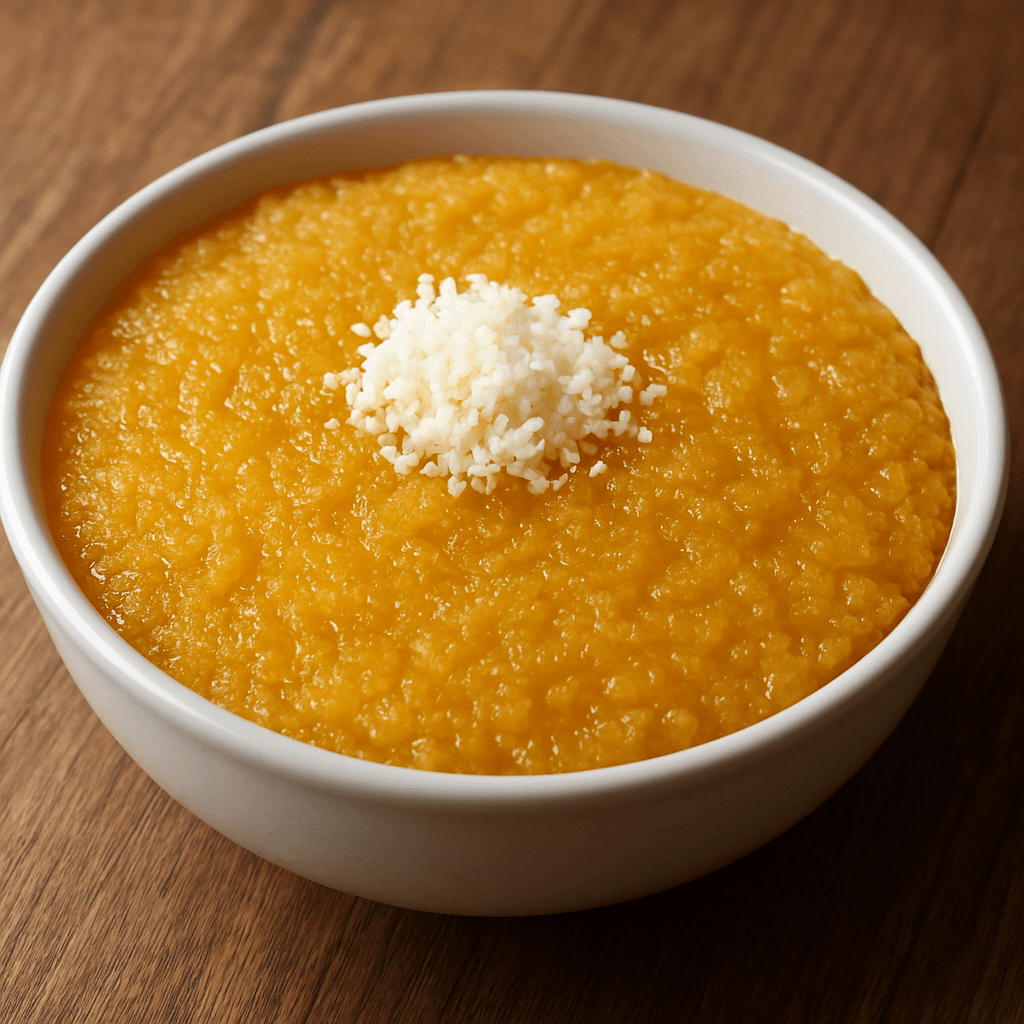
Balıkesir Höşmerim Sweet
Balıkesir Höşmerim Sweet is a traditional sweet with deep roots in Balıkesir and its surrounding regions of Türkiye. This dessert is prepared by blending cheese, semolina, and sugar, and bears clear traces of Ottoman culinary traditions both in its ingredients and preparation method. Höşmerim remains a popular dessert today, especially during wedding, holiday, and special occasions. Balıkesir Höşmerim Sweet has been officially registered with a geographical indication and is protected under geog
EN
Samet Sırlan
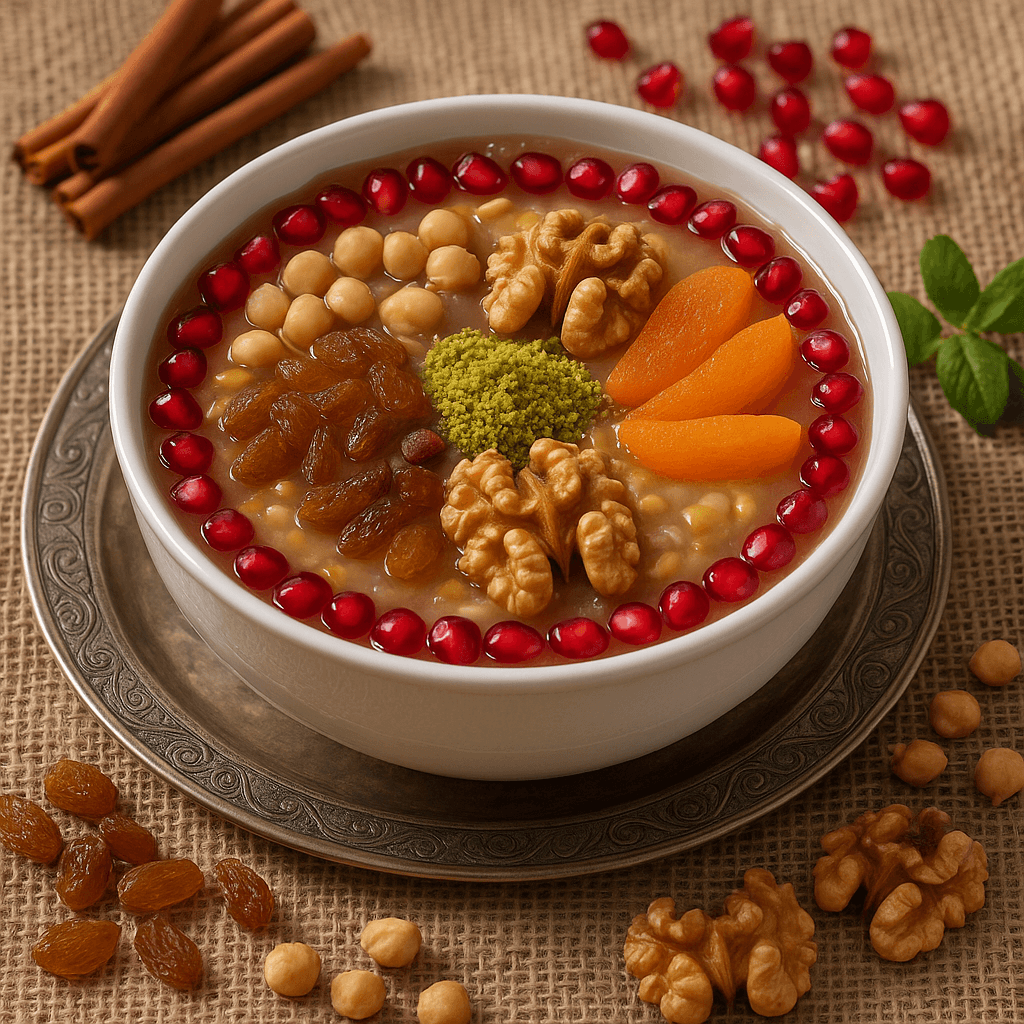
Aşure Day
Ashura Day is a special day that, throughout history, has carried multiple religious and cultural meanings and is sustained in Islamic societies through a shared sense of values. This day, which corresponds to the tenth day of Muharram—the first month of the Islamic calendar—has held special significance not only in the Islamic world but also in Jewish and Christian cultures, evolving over time into a day observed through fasting and rituals. The formation of rituals associated with Ashura Day i
EN
Onur Çolak
 Ha
HaHaside Sweet
Haside sweet is a traditional dessert known in the Central Anatolia region of Türkiye, particularly in the areas of Ankara and Kırıkkale. Made primarily from flour sugar and butter this dessert has become embedded in regional culinary culture through its specific preparation and serving methods. Haside is prepared both for everyday consumption and for special occasions. Origin and History Haside sweet has its roots in the local culinary traditions of Central Anatolia. It is documented that in An
ENEsra Korkmaz
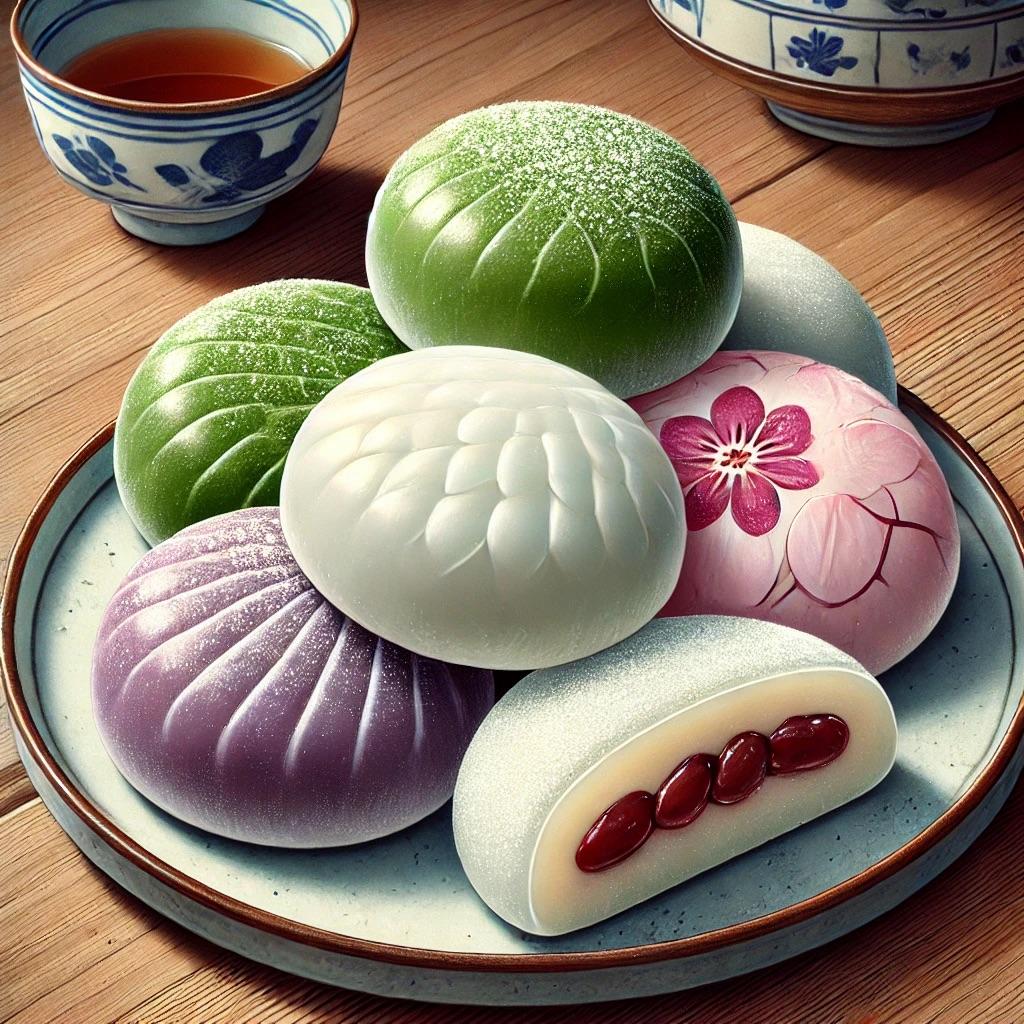
Mochi
Mochi (Japanese: 餅) is a traditional and iconic sweet in Japanese cuisine. Made from glutinous rice (mochigome), mochi is especially consumed during certain times of the year in Japan, particularly during New Year celebrations. Mochi Illustration Drawn by Artificial Intelligence " image-element-format="right" image-source="https://cdn.t3pedia.org/media/uploads/2025/03/04/PIgK9D9ffdTwV2awnzG4MV52SGpYCsZN.jpeg"> History and Cultural Significance Mochi's origins date back to the Heian period (79
EN
Nurten Yalçın
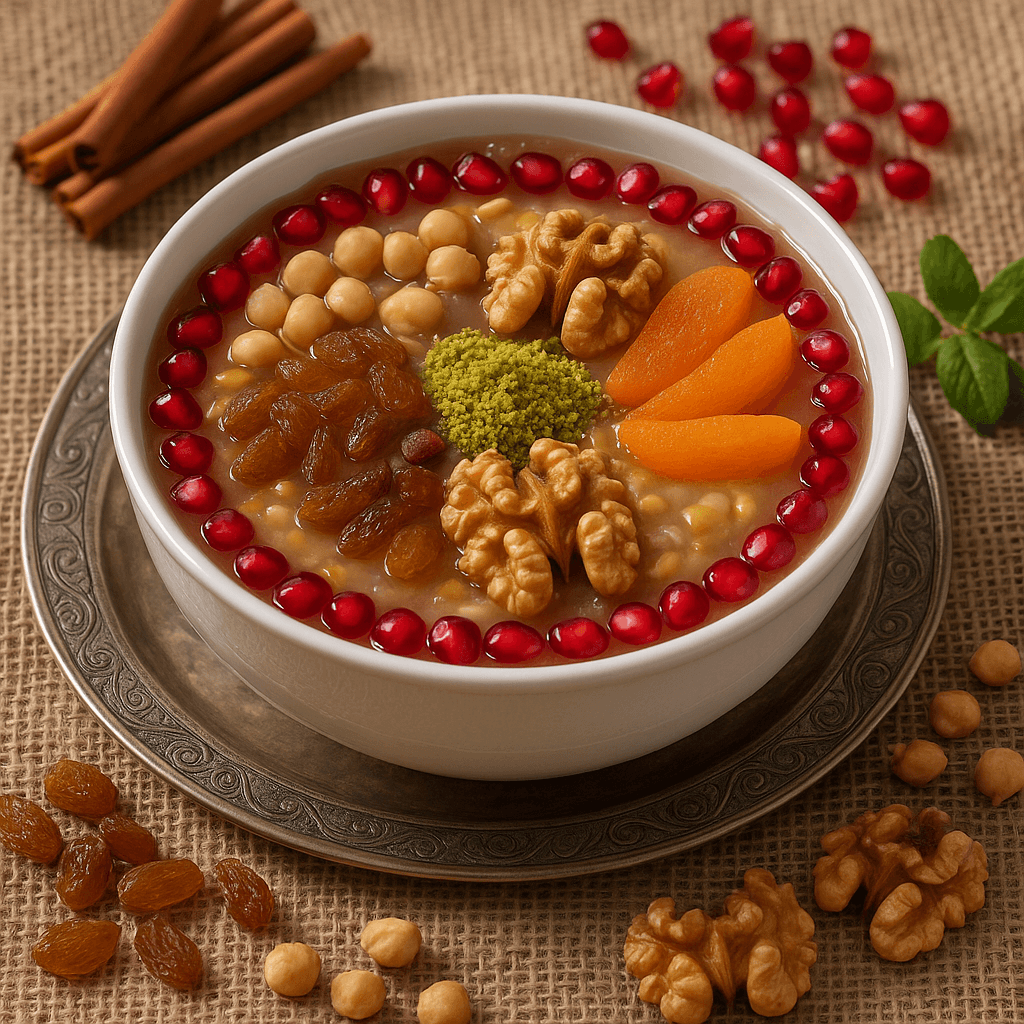
Ashura Day
Aşure Day is a special day that, throughout history, has carried multiple religious and cultural meanings and is observed in Islamic societies through a shared sense of values. This day corresponds to the tenth day of Muharram, the first month of the Islamic calendar, and has held special significance not only in the Islamic world but also in Jewish and Christian cultures, evolving over time into a day commemorated through fasting and rituals. The formation of rituals associated with Aşure Day i
EN
Onur Çolak
GüGümüşhane Kömesi
Gümüşhane Kömesi is a traditional sweet and energy-rich product made by dipping walnuts in a special mixture of mulberry syrup, milk, honey, flour, and sugar, then threading them onto strings and drying them. Although its appearance resembles walnut sucuk, it differs in composition and production process. Köme, shaped by the unique climate, vegetation, and production traditions of the Gümüşhane region, is both a nutritious and culturally significant product. Gümüşhane Kömesi (AA) " image-alterna
EN
Aysel Gül
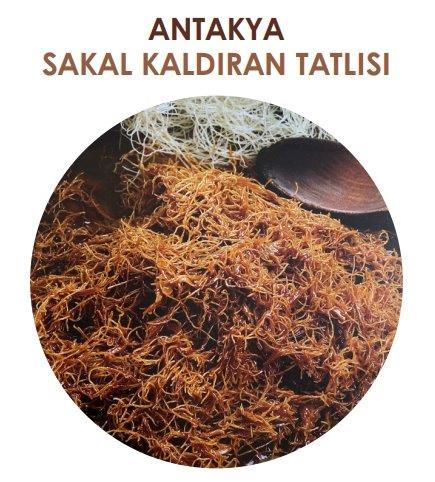
Antakya Beard-Removing Sweet
Antakya Sakal Kaldıran Tatlısı is a traditional dessert specific to the Hatay province, made with thin kataifi dough and a mixture of tahini and grape molasses. This dessert has been produced for many years within local culinary practices and is recognized as a distinctive example of Antakya’s culinary culture due to its ingredients, preparation technique, and context of consumption. Due to its strong association with Hatay province, the product has been registered under the geographical indicat
EN
Sevgi Kıraç
GüGümüşhane Kömesi
Gümüşhane Kömesi; walnuts dipped in a special mixture of mulberry juice, milk, honey, flour, and sugar, then threaded onto strings and dried, is a sweet and energy-rich traditional product. Although its appearance resembles walnut sucuk, it differs in composition and production process. Köme, shaped by the unique climate, vegetation, and production traditions of the Gümüşhane region, is both a nutritious and culturally significant product. Origin The history of Gümüşhane Köme dates back to the O
EN
Aysel Gül
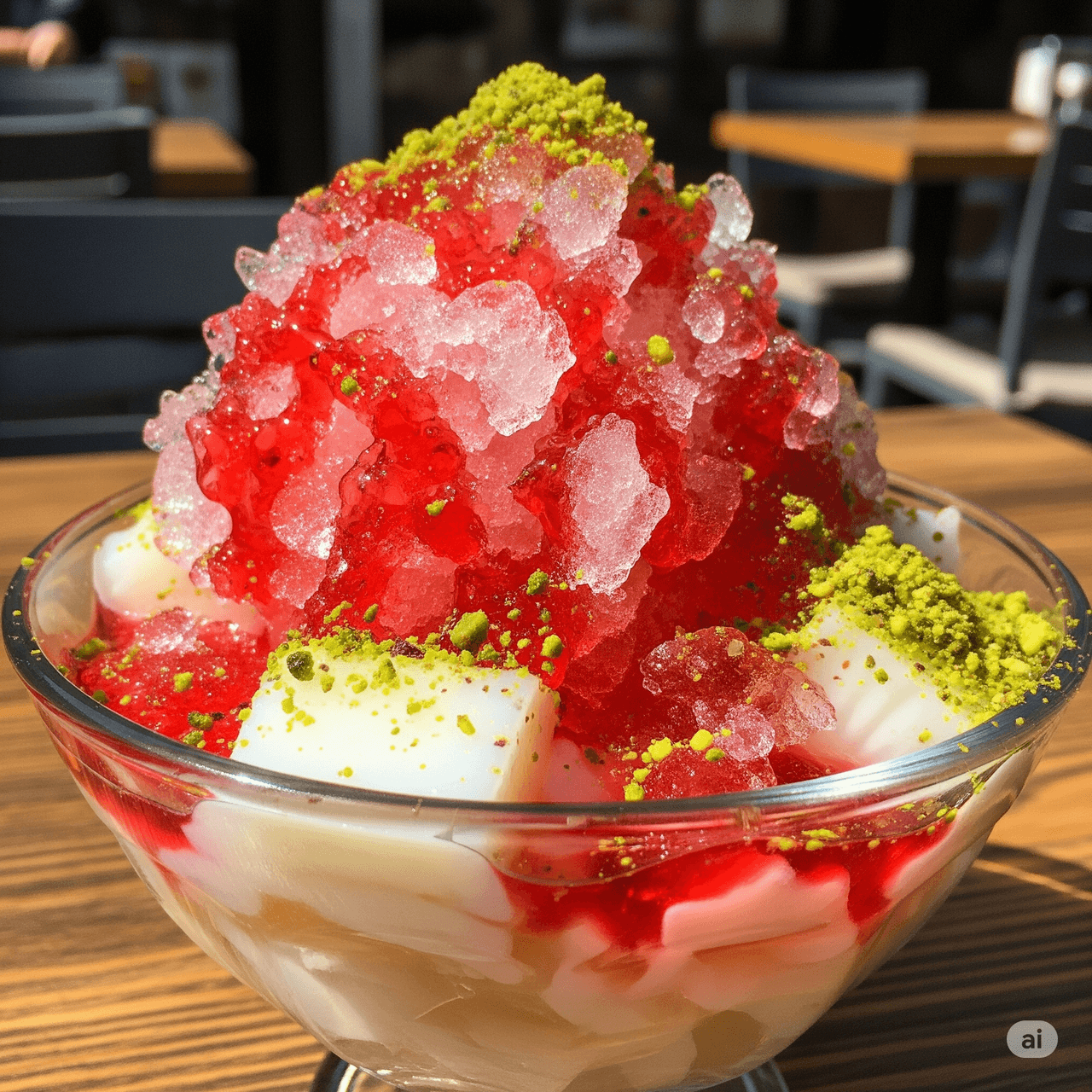
Adana Bici Bici
Adana Bici Bici is a refreshing dessert specific to the Adana region. It is prepared with thin starch jelly, ice, and rose syrup. It is preferred as a cooling treat during hot summer days. Due to its light texture, it is also very suitable for children. Today, it is easily found both in homes and on the streets. Where Is It Made? This dessert is especially made in Adana and has become synonymous with the region’s climate. It is one of the most consumed desserts in Adana for cooling off during it
EN
Rüya Dumlu