

`suurunleri` Related Article Results
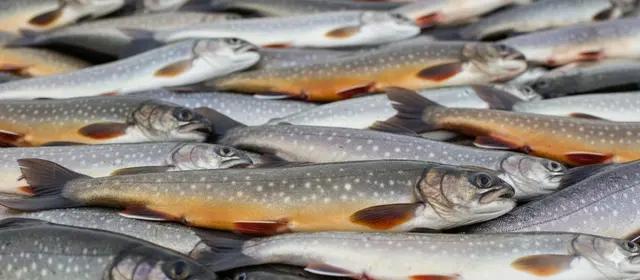
Trentino Trout
Trentino Trout (Originally: Salmerino del Trentino) is the Protected Geographical Indication (IGP) designation given to salmonid fish of the Alpine trout species, farmed in designated areas in the Autonomous Province of Trento and the commune of Bagolino in the Province of Brescia, Italy. Product Features Fish marketed as Trentino Trout must meet specific morphological and chemical criteria. Its color is grayish-green or brown, with whitish, yellow, or pink markings on the back and sides without
EN
Nursena Şahin
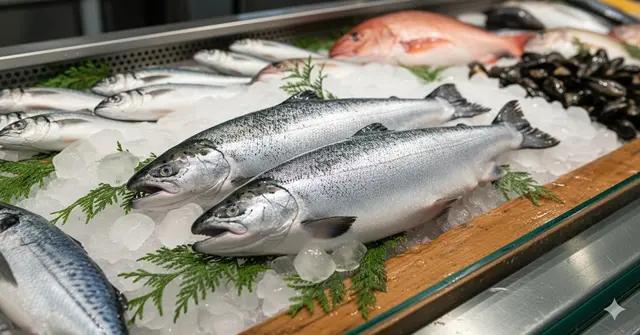
Miyagi Salmon
Miyagi salmon is a brand of fresh silver salmon (Coho salmon) farmed in Miyagi Prefecture, Japan. This salmon maintains its original flavor after being fished, making it suitable for raw consumption. History and Cultivation Salmon has been a staple in Japan's diet since the Jomon period. Coho salmon (silver salmon) is a cold-water fish native to the Sea of Okhotsk and the North Pacific Ocean and was not native to Japan. However, due to its fast growth, it was considered suitable for aquaculture,
ENNursena Şahin
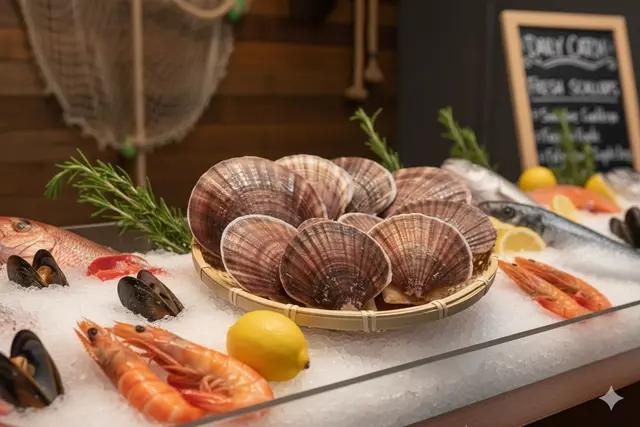
Iwate Nodamura Araumi Hotate
Iwate Nodamura Araumi Hotate is a scallop variety cultivated in Noda Bay off the coast of Noda Village, Iwate Prefecture, Japan. The product is registered as a Geographical Indication (GI) in Japan. "Araumi" (荒海) means "wild sea" and reflects the nature of the environment in which the scallops are cultivated. Breeding and Quality Characteristics A key aspect of raising the Iwate Nodamura Araumi Hotate is providing an environment with sufficient space for the scallops to swim freely. The scallops
ENNursena Şahin
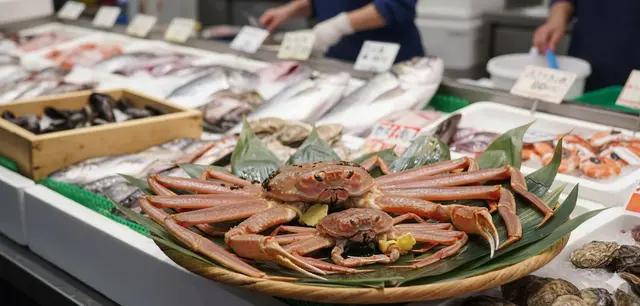
Echizen Gani / Echizen Kani
Echizen Gani is a snow crab variety native to Fukui Prefecture, Japan, and is known as both "Echizen Gani" and "Echizen Kani." It is registered as a Geographical Indication (GI) in the seafood category. It is recognized in Japan as a representative aquatic product of the prefecture, its price per weight exceeds the national average, and its quality makes it a local specialty of Fukui Prefecture. Geographical Conditions The production area for Echizen Gani is Fukui Prefecture. The sea west of the
ENNursena Şahin
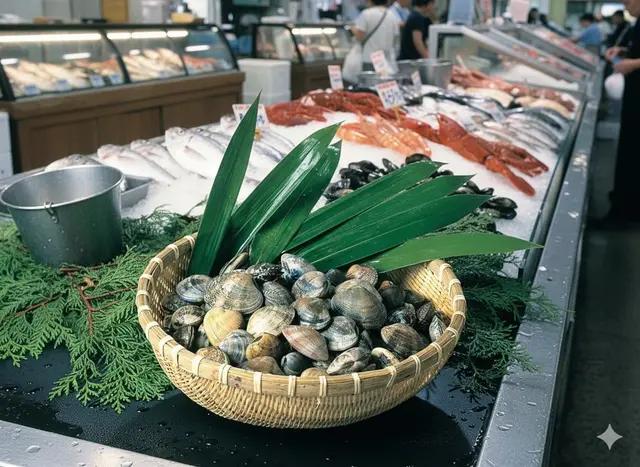
Ono Asari
Ono Asari is a type of short-necked clam (sand clam) that grows to a shell length of 35 mm or more. Its flesh is meaty and plump. Ono Asari is a registered Geographical Indication (GI) product in Japan. Harvest and Method Fishermen manage their fishing areas within their assigned blocks and harvest oysters only on their own blocks, using hand-digging with rakes at low tide. During harvest, small oysters lacking the characteristics of Ono Asari are returned to their designated fishing grounds. On
ENNursena Şahin
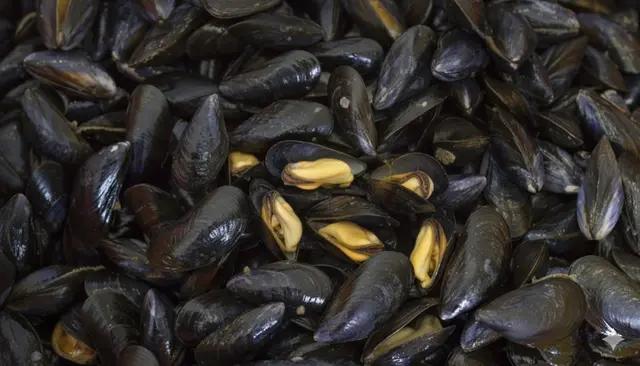
Scardovari Mussel
The Scardovari mussel (original name: Cozza di Scardovari) is a mussel belonging to the Mytilus galloprovincialis species , cultivated in the Scardovari Lagoon within the borders of the Porto Tolle Municipality in the province of Rovigo in the Veneto region of Italy . Product Features The Scardovari mussel is a two-valved mollusk with an elongated, nearly triangular, black-purple shell. The interior of the valves is violet-mother-of-pearl. The mussel possesses a strong, brown threadlike structur
ENNursena Şahin
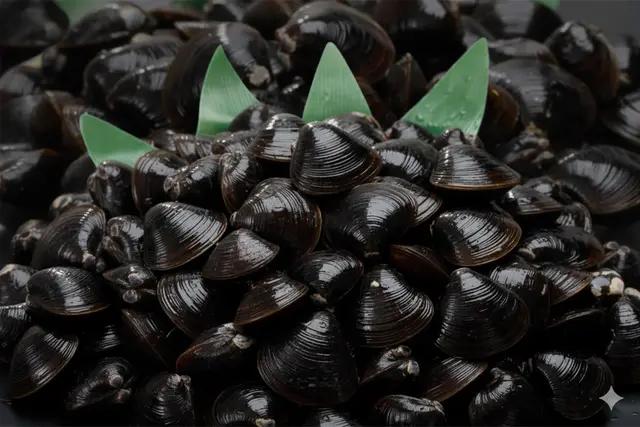
Jusankosan Yamato Shijimi
Jusankosan Yamato Shijimi is a variety of Yamato shijimi (Asian oyster) grown in Lake Jusanko, Aomori Prefecture, Japan. This seafood is registered under Japan's Geographical Indications (GI) system and is protected by registration number 23. History and Management Yamato shijimi is obtained by dredging the lake bottom using fishing nets with a mesh size of 12 mm or larger. The catch is sifted by machine or by hand to ensure that any smaller than the minimum size for transport are released back
ENNursena Şahin
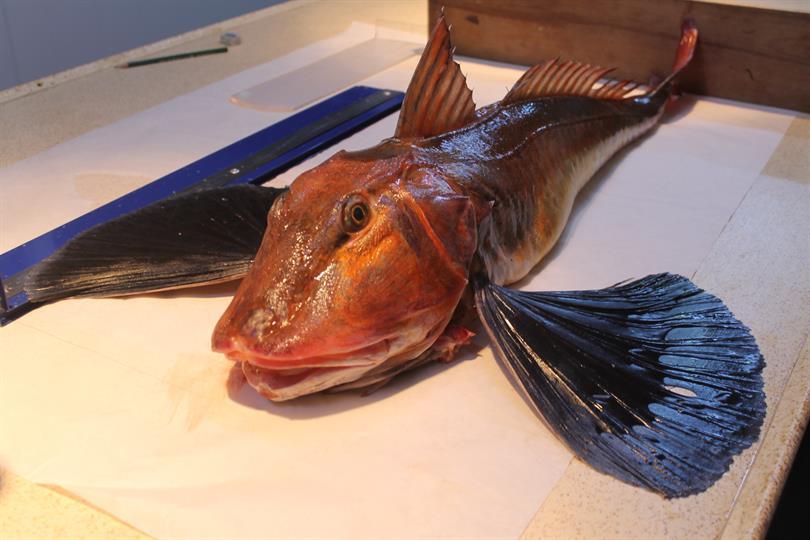
Kırlangıç Balığı
Kırlangıç balığı (Chelidonichthys lucerna, Linnaeus, 1758), Triglidae familyasına mensup demersal (dipte yaşayan) bir deniz balığı türüdür,. İskorpitgiller takımı içerisinde değerlendirilen ve morfolojik yapısı nedeniyle "uçan kırlangıç balığı" olarak adlandırılan türler de bulunmaktadır. Literatürde en yaygın bilinen tür Akdeniz kırlangıç balığıdır ve C. lucernus, C. lucerna ile sinonimdir. Coğrafi Dağılım ve Habitat Kırlangıç balığı, Doğu Atlantik’te Norveç kıyılarından Afrika (Senegal) kıyıla
TR
nisa nur bağlantı
 Pa
PaPapalina
Köken Papalina” kelimesi Türkçeye Yunanca papalína (παπαλίνα) sözcüğünden geçmiştir. Yunancada bu kelime, sardalyaya benzeyen küçük bir balık türünü (Sprattus sprattus) ifade eder. Kullanım Alanları Balıkçılık: Küçük bir deniz balığı türünü tanımlamak için kullanılır. Deniz Biyolojisi: Sardalyagiller familyasına ait balık türlerini belirtmek amacıyla kullanılır. Gastronomi: Ege mutfağında tüketilen bir balık çeşidini ifade etmek için kullanılır. Su Ürünleri: Ticari ve yerel balıkçılıkta avlanan
TR
ZUŞAN ÖNER
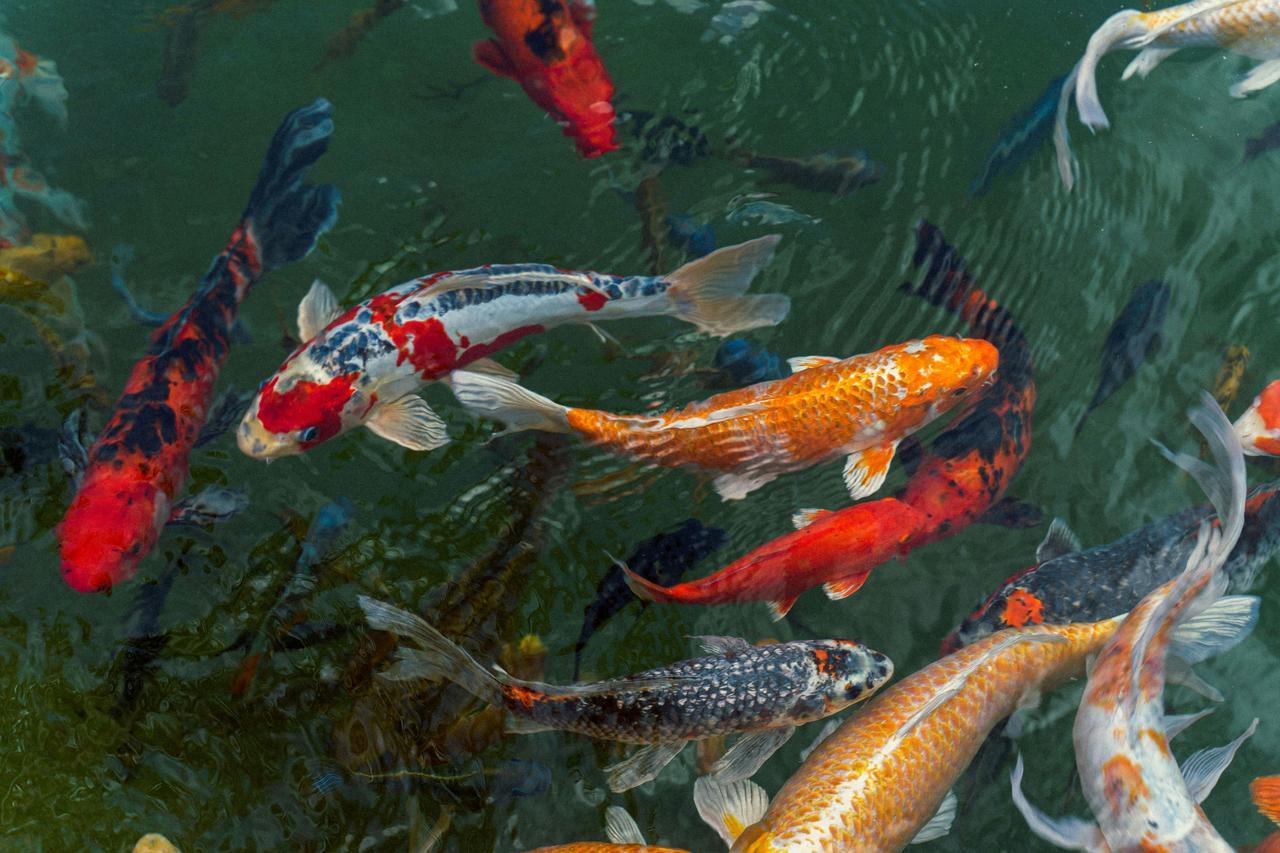
Koi Balığı (Cyprinus carpio Linnaeus, 1758)
Koi balığı, bilimsel adıyla Cyprinus carpio Linnaeus, 1758, sazan familyasına (Cyprinidae) ait, renkli ve süs amacıyla yetiştirilen bir tatlı su balığı türüdür. Japonya’da “koi” sözcüğü “sazan” anlamına gelir. Günümüzde “Japon koi balığı” olarak bilinen modern varyeteler, 19. yüzyılın başlarında Japonya’da pirinç tarlalarında yaşayan yabani, renkli sazanların seçici olarak yetiştirilmesiyle ortaya çıkmıştır. Koi balıkları temelde sıradan sazan balığının estetik açıdan çeşitlendirilmiş formlarıdı
TR
Nurten Yalçın