

`supernova-remnant` Related Article Results
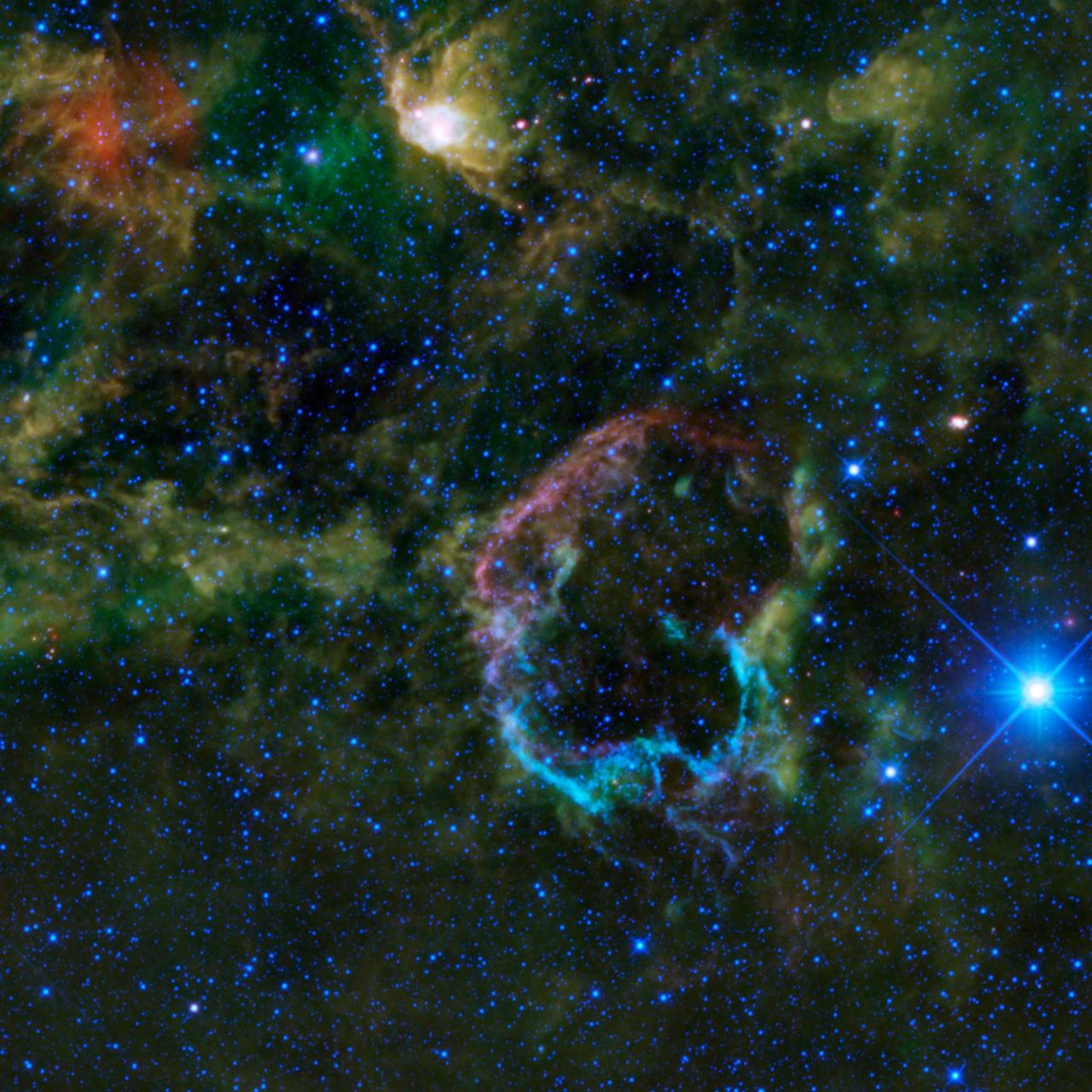
Jellyfish Nebula (IC 443)
Jellyfish Nebula (IC 443), is a supernova remnant located approximately 5,000 light-years from Earth in the direction of the Gemini constellation. It has acquired this name due to its complex filamentary structures that resemble neural networks. The nebula has been studied in detail through observations across radio, visible, infrared, and X-ray wavelengths. General Characteristics Catalog Designation: IC 443, also known as Sharpless 248 (Sh2-248) Constellation: Gemini Distance: Approximately 5,
EN
Osman Özbay
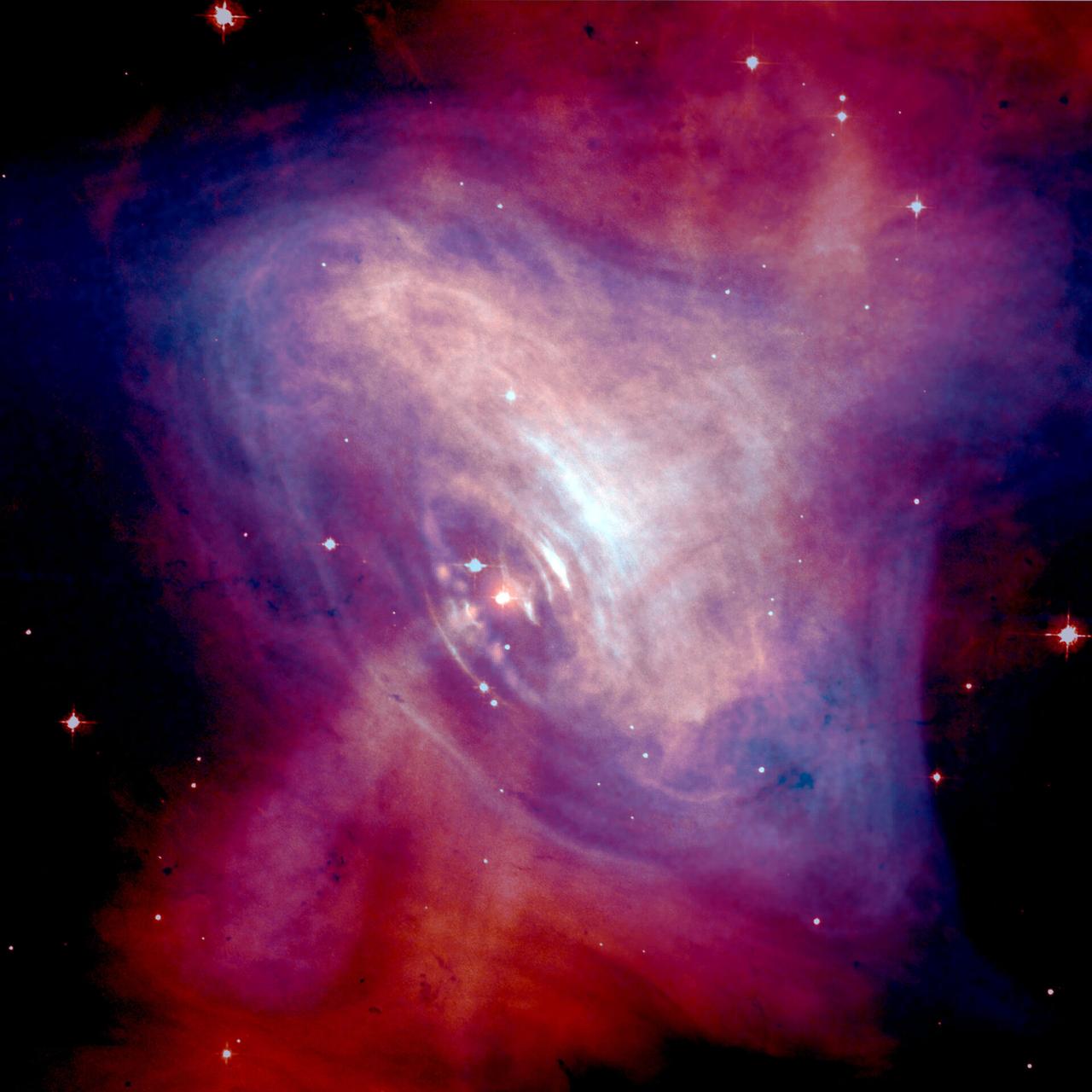
The Crab Nebula (Messier 1)
The Crab Nebula (Messier 1), also known by its catalog number NGC 1952, is the remnant of a supernova explosion recorded by Chinese and Arab astronomers in the year 1054. Located in the constellation Taurus, the nebula is approximately 6,500 light-years from Earth. Today, it can be observed across nearly the entire electromagnetic spectrum and is considered an important reference object for multi-wavelength observations. Location and Basic Characteristics Catalog Names: Messier 1 (M1), NGC 1952,
ENOsman Özbay
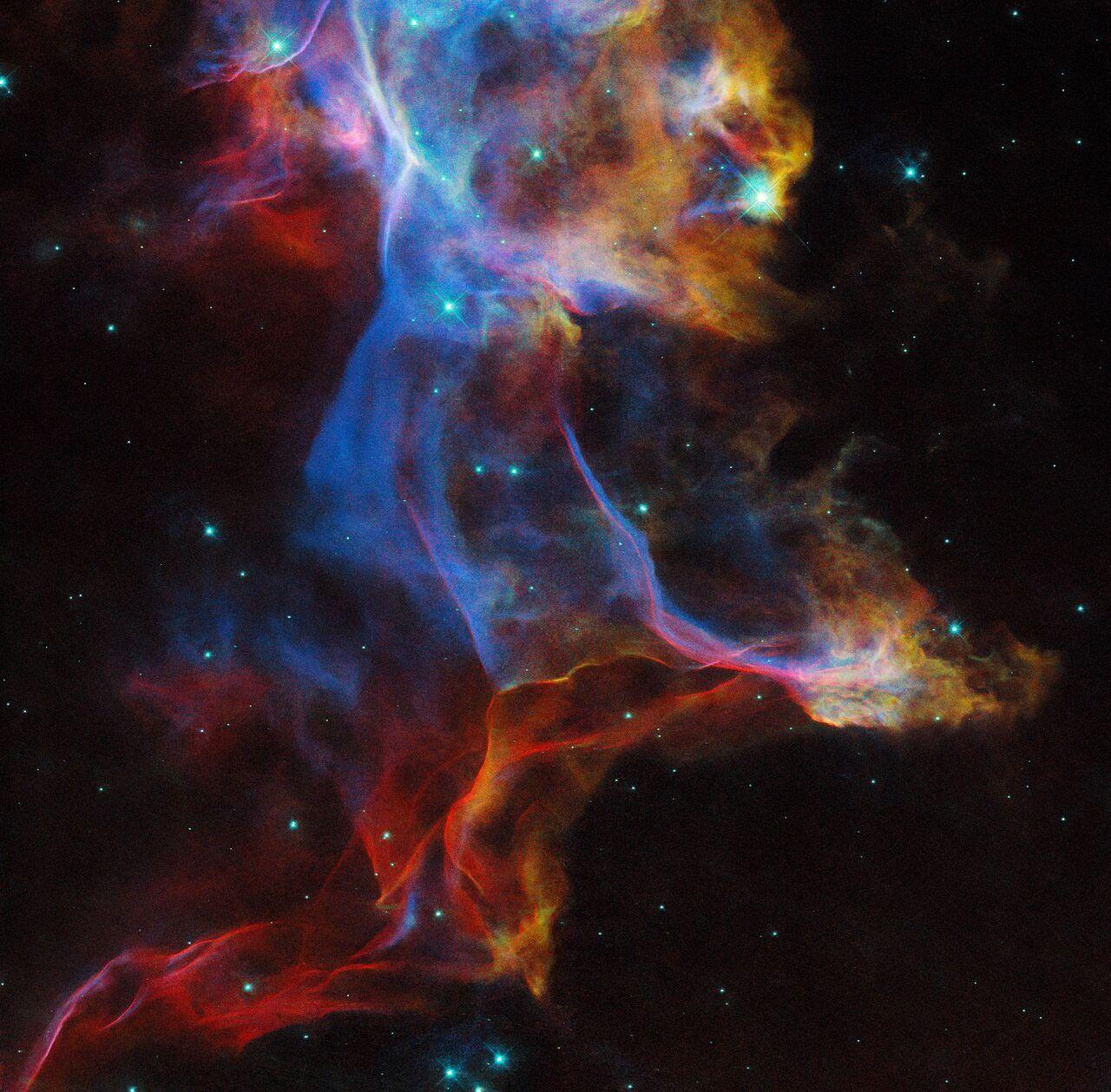
Veil Nebula (NGC 6960)
Veil Nebula (NGC 6960), is a large and diffuse supernova remnant located within the Cygnus constellation. It is estimated that the supernova explosion occurred approximately 8,000 years ago. Its visibility, due to its bright filamentary structures and extensive coverage of the sky, makes it particularly significant for astronomers. First discovered in 1784 by William Herschel, the Veil Nebula was later included in 19th-century expanded sky catalogs. Modern observations have been conducted using
ENOsman Özbay