

`supernova` Related Article Results
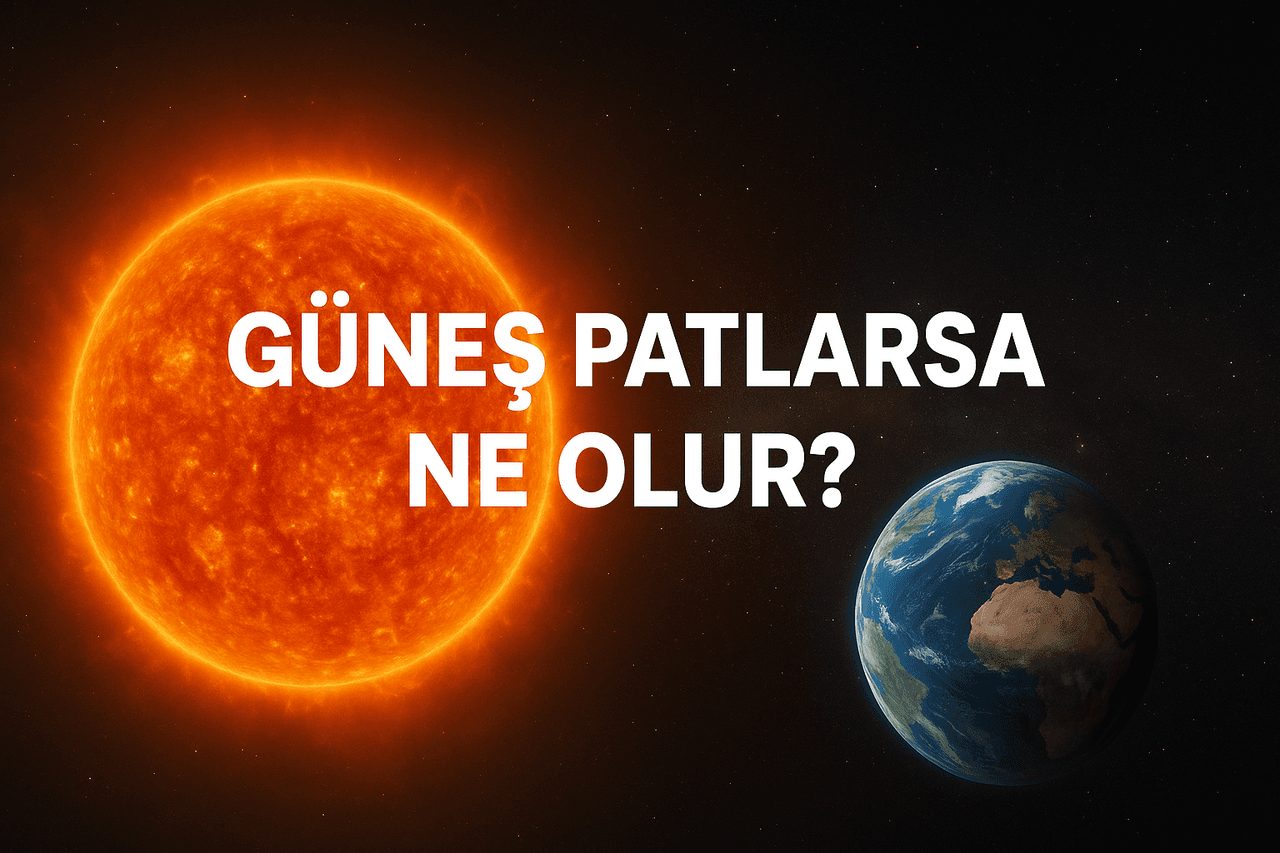
What Happens If the Sun Explodes?
The Sun is the source of everything on Earth. Our light, our heat, our seasons—all are made possible by the Sun’s steady luminosity. But a major question arises in the mind: What happens when the Sun one day dies? First, it is essential to understand: The Sun is not a star capable of exploding like a supernova. The reason is its relatively small mass. Supernova explosions occur only in massive stars with at least eight to ten times the mass of the Sun. Therefore, the Sun’s fate is not to explode
EN
Aykut Laçın
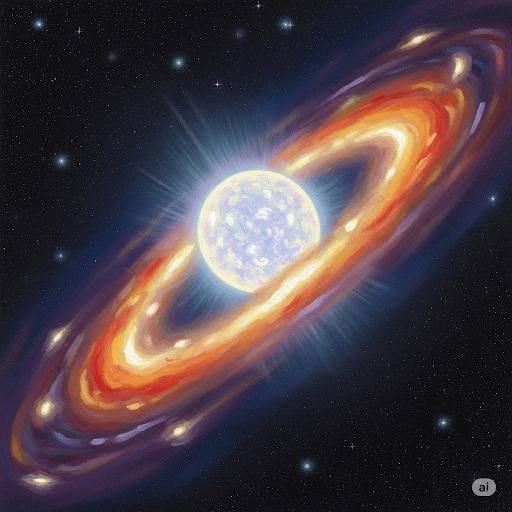
Neutron Star 🌌
Have you ever imagined a gigantic star shrinking and compressing into an incredibly small space? Neutron stars are celestial objects exactly like this. When a very massive star reaches the end of its life, it collapses in a massive explosion known as a supernova, leaving behind an object of incredible density. This is what we call a neutron star. Neutron stars are among the smallest yet densest objects in the universe. They are so massive that even if all the mountains and oceans on Earth were c
EN
Ennur İlayda Balaban
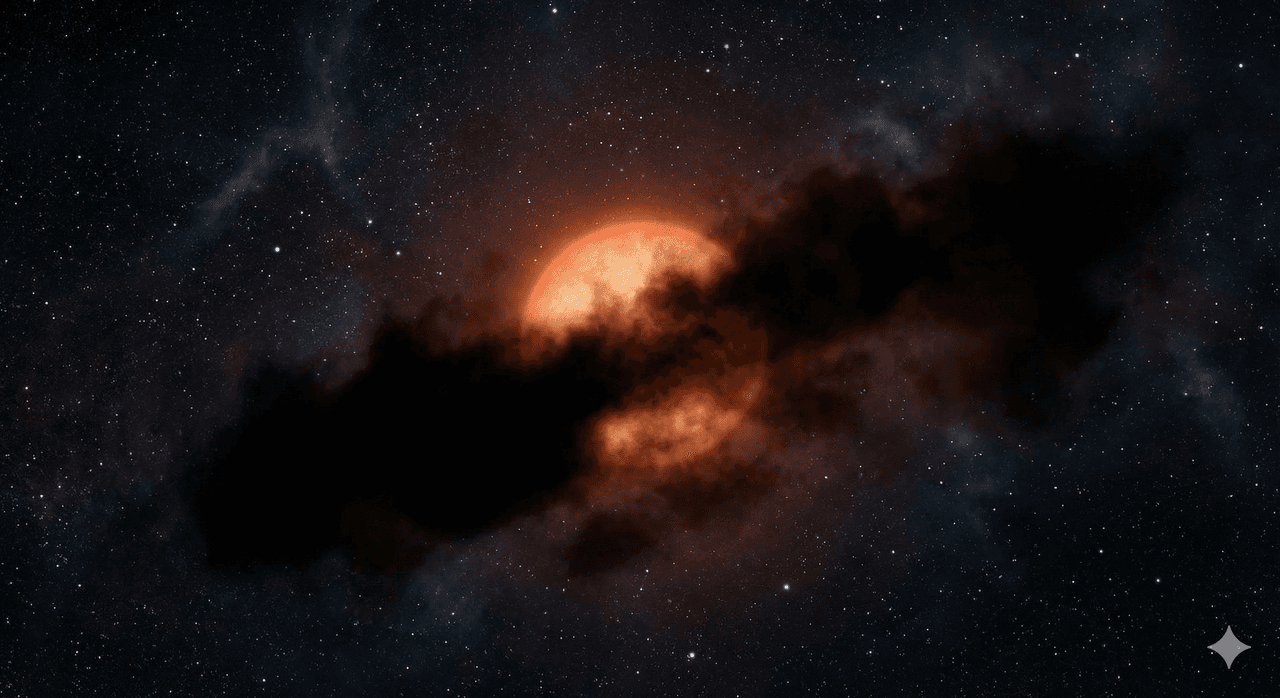
Betelgeuse
Orion Constellation’s shoulder, composed of the red supergiant Betelgeuse, one of the brightest stars in the sky, underwent one of the most prominent brightness variations ever recorded in modern astronomy history at the end of 2019. During this event, known as the “Great Dimming,” the star’s brightness dropped below its normal level, becoming noticeably darker to the naked eye. This process, which began in late 2019 and lasted into early 2020, sparked global speculation that the star might be a
ENAykut Laçın
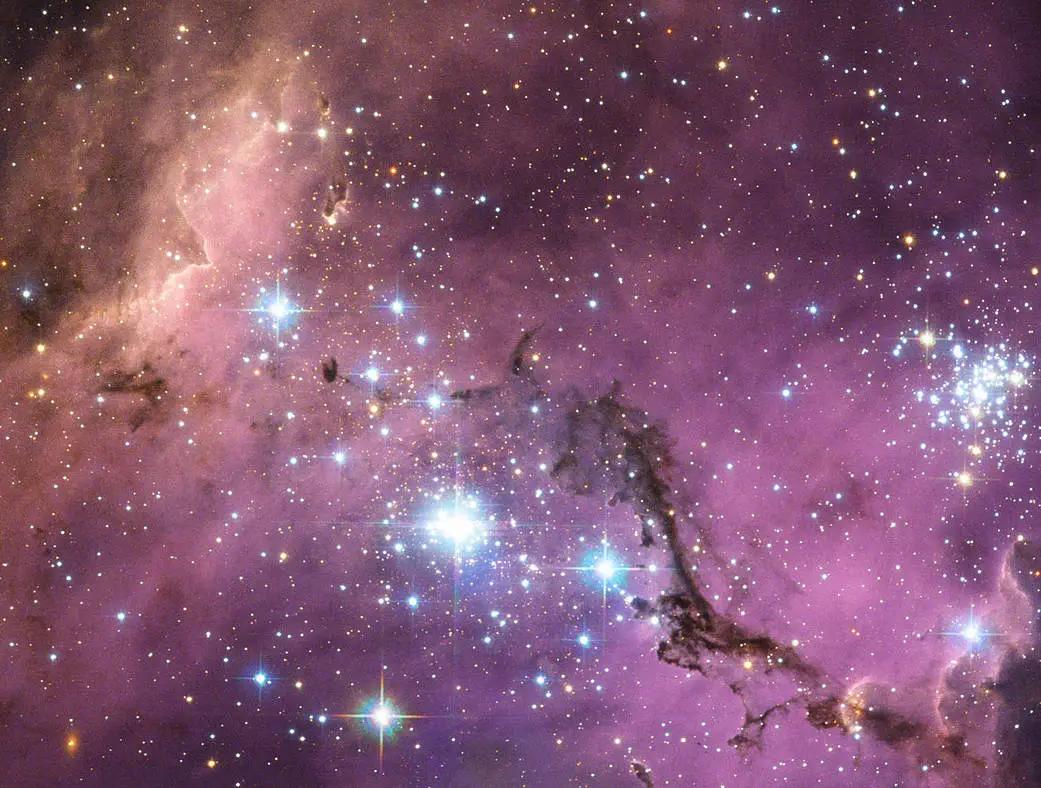
Büyük Macellan Bulutu (Large Magellanic Cloud)
Büyük Macellan Bulutu (Large Magellanic Cloud-LMC), Samanyolu Galaksisi'nin yakın komşularından biri olup, düzensiz cüce galaksi sınıfında yer almaktadır. Güney yarımküreden çıplak gözle gözlemlenebilen bu gök cismi, Samanyolu’nun uydusu konumunda bulunur. Astronomik gözlemler ve kozmolojik modellemeler açısından kritik bir hedef olarak kabul edilen LMC, yıldız oluşum bölgeleri, küresel kümeler ve süpernova kalıntıları gibi çeşitli yapılarıyla astrofiziksel araştırmalarda geniş yer tutmaktadır.
TR
Osman Özbay
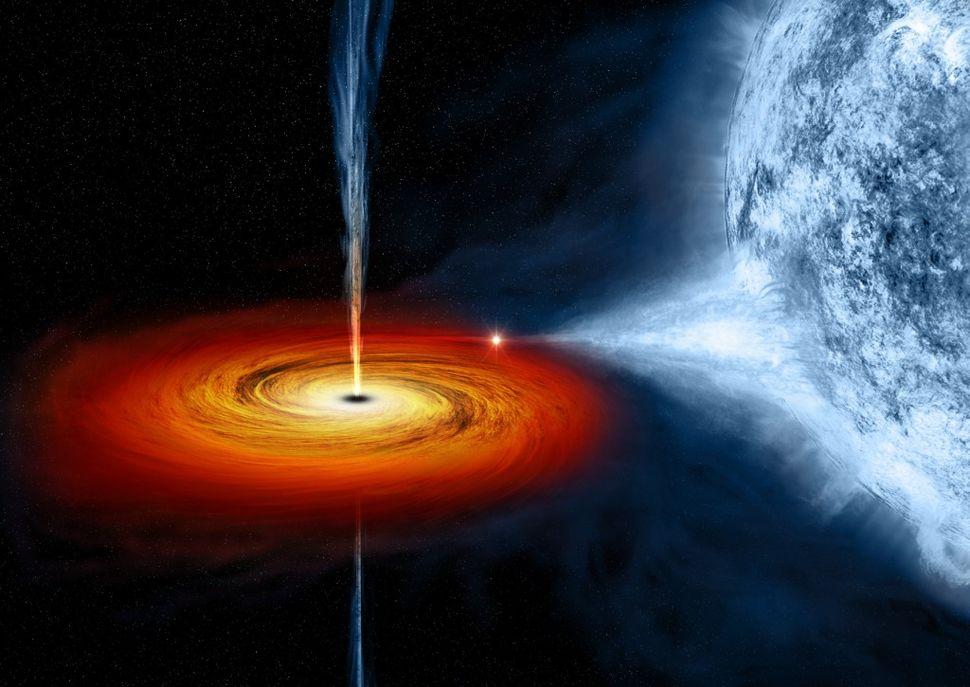
Pulsar
Pulsarlar, hızla dönen nötron yıldızlarıdır ve genellikle süpernova patlamaları sonrası ortaya çıkan, yoğun, küçük çaplı ve son derece güçlü manyetik alanlara sahip kompakt gök cisimlerdir. İlk kez 1967 yılında Jocelyn Bell Burnell ve Antony Hewish tarafından keşfedilen pulsarlar, düzenli radyo atımları şeklinde tespit edilmiş ve daha sonra bu atımların, dönme hareketi yapan nötron yıldızlarından kaynaklandığı anlaşılmıştır. Bu cisimler, yüksek yoğunlukları, hızlı dönüş hızları ve elektromanyeti
TROsman Özbay
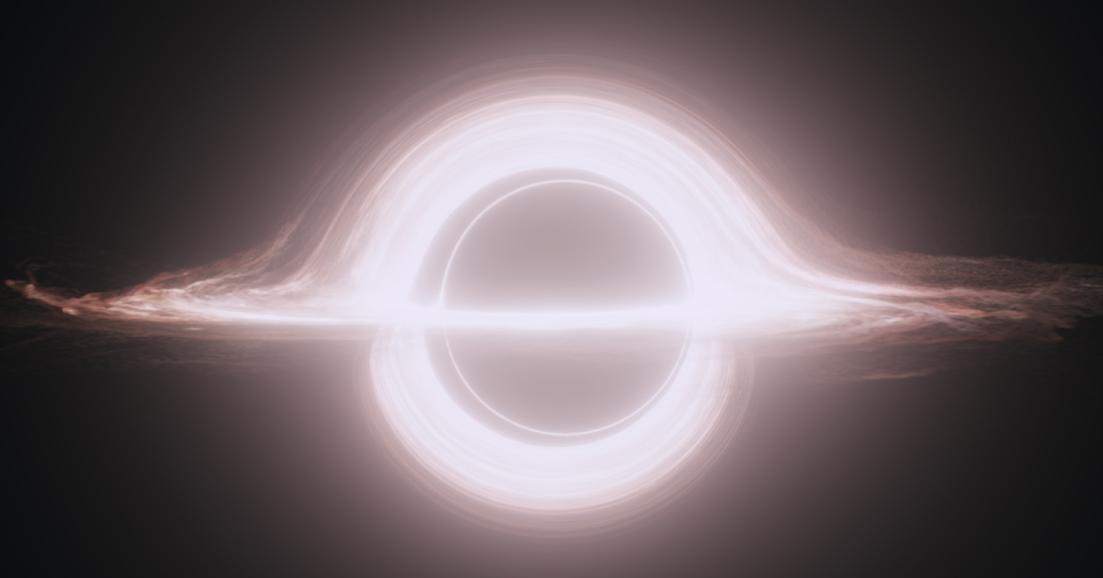
Star Evolution
Stellar evolution is one of the fundamental work areas of astrophysics and holds great importance significance for understanding the formation, galaxy dynamics, and cosmological processes of chemical elements in the universe. This process encompasses the physical and chemical transformations a star undergoes from its birth through its life cycle to its final stage. A star’s mass is the most critical factor determining its evolutionary path. Star Formation Stars form in cold, dense regions of gas
EN
Osman Özbay
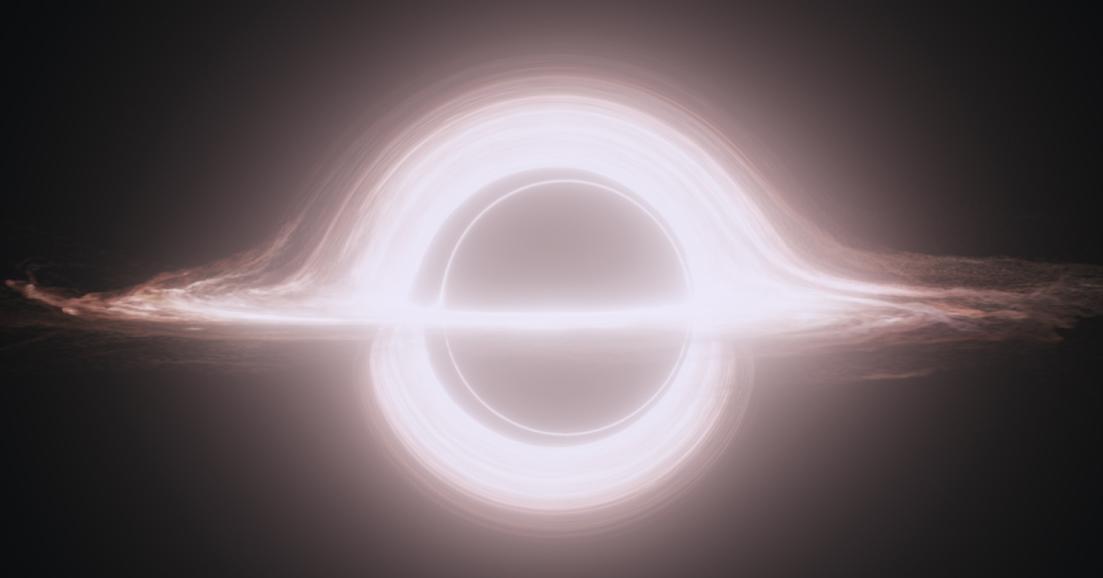
Star Evolution
Stellar evolution is one of the fundamental studies in astrophysics and plays a crucial role in understanding the formation of chemical elements in the universe, galaxy dynamics, and cosmological processes. This process encompasses the physical and chemical transformations a star undergoes from its birth through its life cycle to its final stage. A star’s mass is the most critical factor determining its evolutionary path. Star Formation Stars form in cold, dense regions of gas and dust known as
ENOsman Özbay
Pulsar
Pulsars are rapidly rotating neutron stars—compact celestial objects typically formed after supernova explosions, characterized by high density, small size, and extremely strong magnetic fields. First discovered in 1967 by Jocelyn Bell Burnell and Antony Hewish, pulsars were identified through their regular radio pulses, which were later determined to originate from rotating neutron stars. Due to their high density, rapid rotation, and emission of electromagnetic radiation, pulsars have become i
ENOsman Özbay
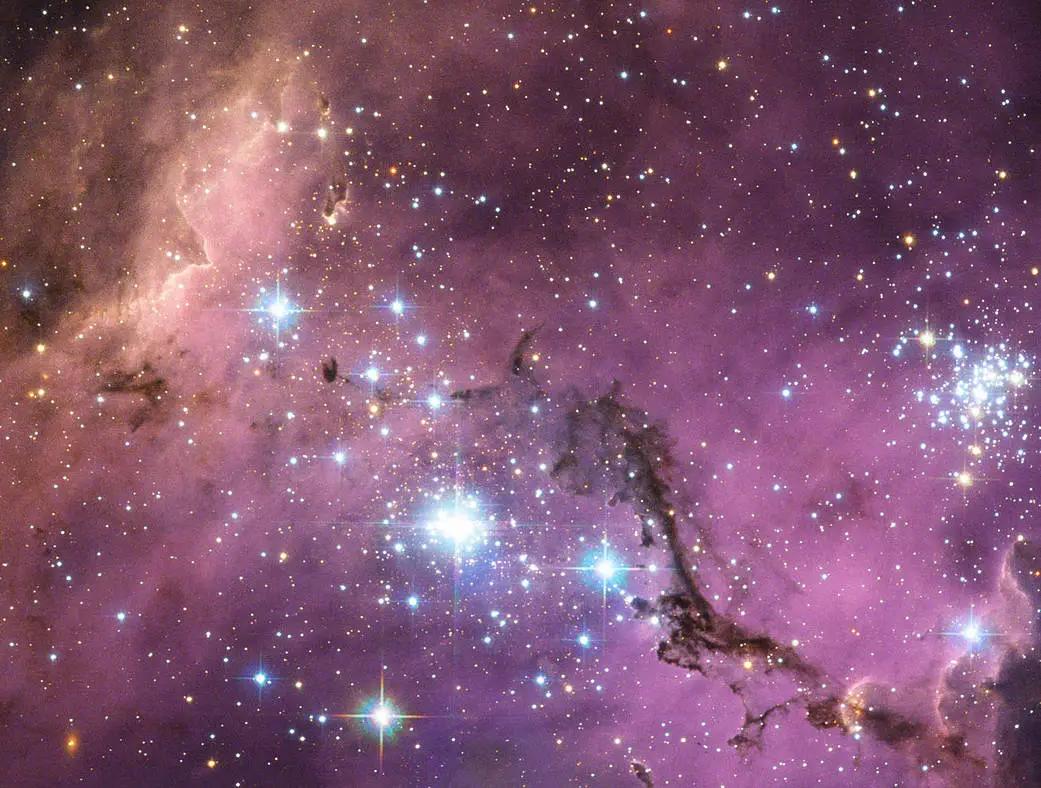
Large Magellanic Cloud (LMC)
The Large Magellanic Cloud (LMC) is one of the closest neighbors of the Milky Way Galaxy and is classified as an irregular dwarf galaxy. This celestial body, which can be observed with the naked eye from the Southern Hemisphere, is a satellite of the Milky Way. Considered a critical target for astronomical observations and cosmological modeling, the LMC occupies a significant place in astrophysical research with its various structures such as star-forming regions, globular clusters, and supernov
ENOsman Özbay
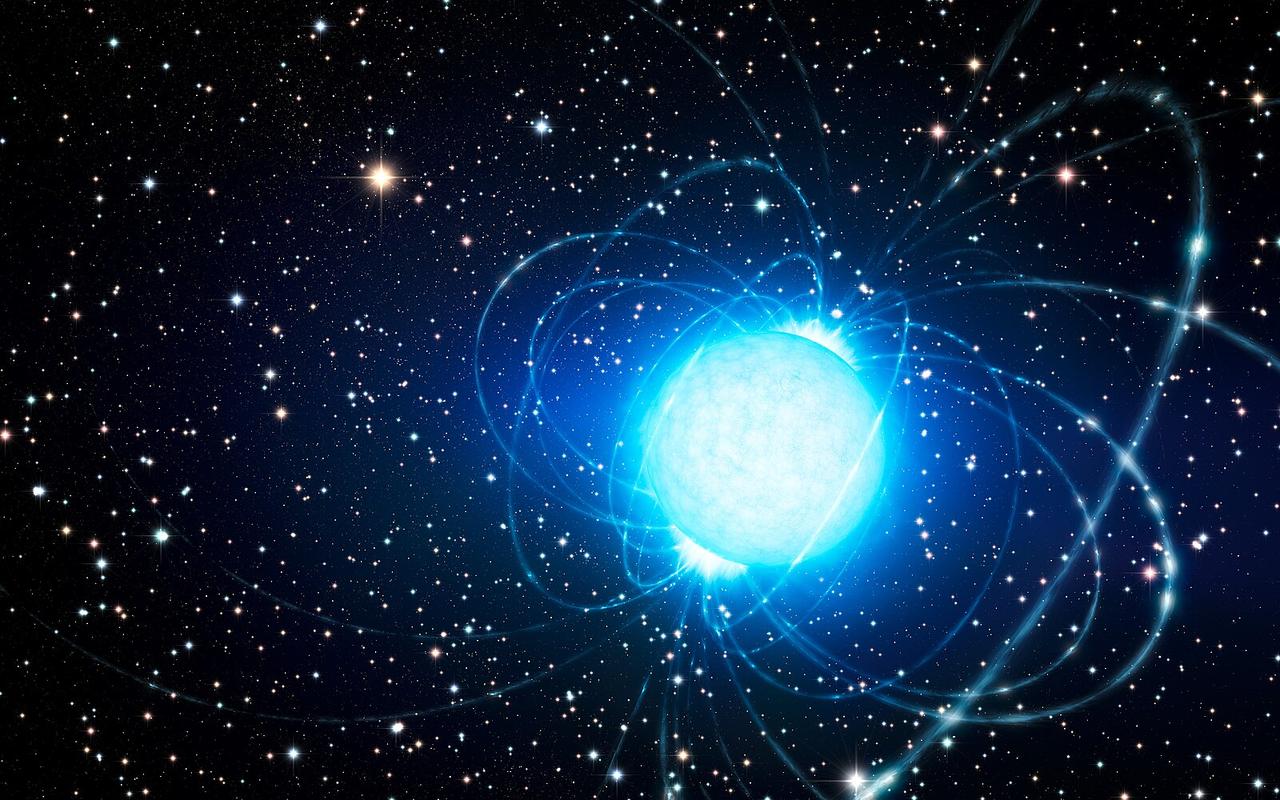
Magnetarlar
Magnetarlar, nötron yıldızlarının yüksek enerjili astrofizik kapsamında ele alınan özgül bir alt sınıfını oluşturur ve aşırı güçlü manyetik alanlarıyla karakterize edilir. Bu nesneler, büyük kütleli yıldızların yaşamlarının sonunda meydana gelen çekirdek çökmesi ve süpernova patlaması süreçleri sonucunda oluşur. Magnetarların ayırt edici özellikleri, olağanüstü manyetik alan şiddetleri ile bu alanların yol açtığı yoğun X-ışını ve gama ışını salınımlarıdır. Gözlemsel olarak magnetarlar, elektroma
TR
Melikcan BUDAK