

`statue` Related Article Results

Musée d'Orsay
Orsay Museum (Musée d'Orsay) is a museum that displays a collection of artworks produced from the second half of the 19th century to the early 20th century. Located on the left bank of the Seine River in Paris, the capital of France, opposite the Louvre Museum, the institution opened to the public in 1986 after the conversion of the former Gare d'Orsay railway station. It is a building that documents the various artistic movements of this period. Its collection includes works from artistic curre
EN
Sümeyye Yalçıner
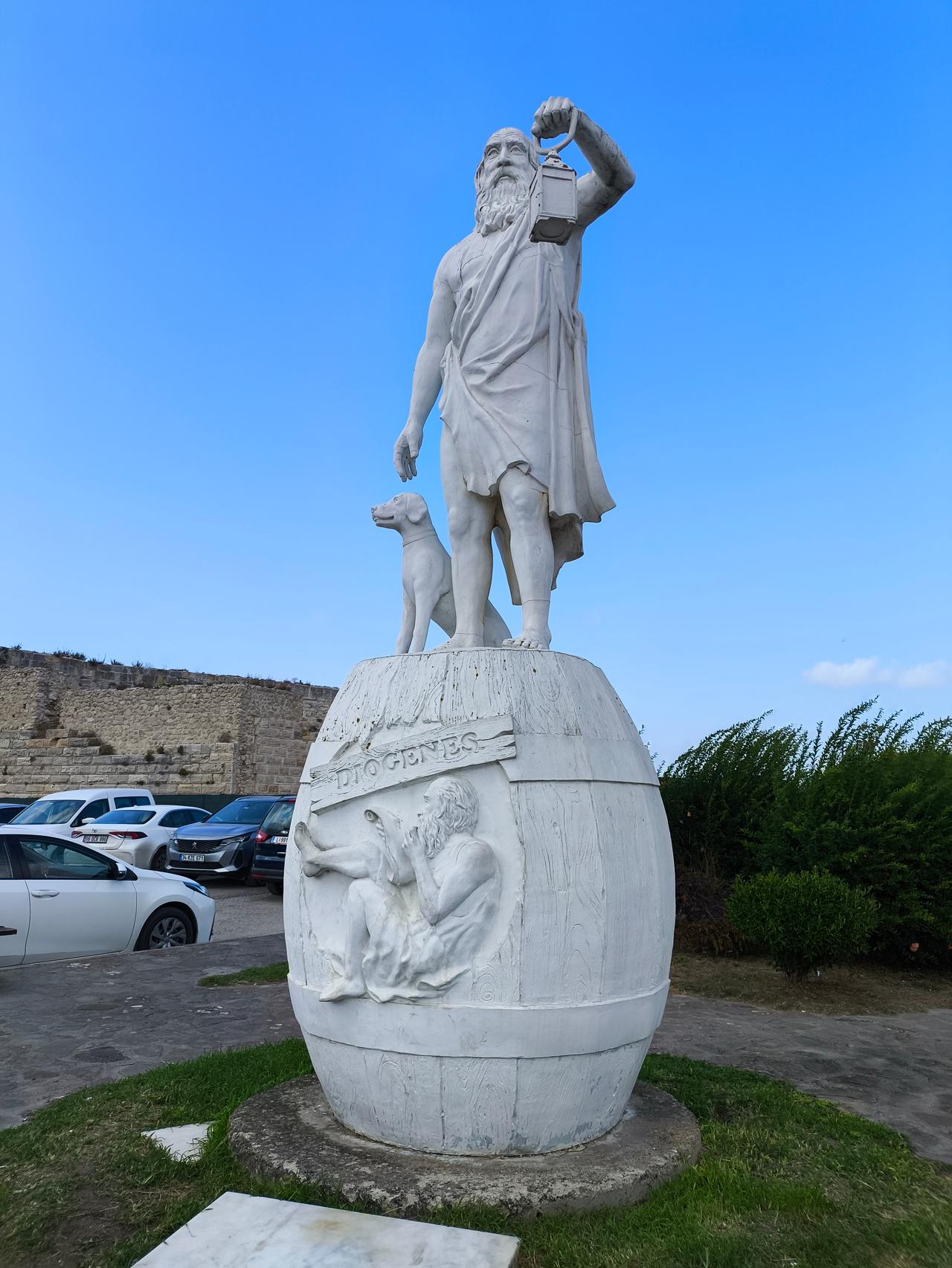
Statue of Diogenes
The Diogenes Statue in Sinop is a public artwork representing the ancient Greek philosopher Diogenes. It is regarded as an element closely tied to the city’s cultural identity and also serves as a reference to the history of philosophy. Location and Physical Characteristics The Diogenes Statue is located at the entrance of the Zeytinlik district in Sinop city center, on the Black Sea coast of Türkiye, directly opposite Sinop Castle. The statue stands 5.5 meters tall and weighs two tons. Created
EN
Yusuf Bilal Akkaya

Sarıkışla (District)
What if you were to travel to the heart of Sivas, a place where folk songs never fall silent and every handful of soil holds a story thousands of years old? This is Şarkışla, the homeland of our renowned minstrel, Aşık Veysel! Mysterious Treasures Beneath the Soil The history of Şarkışla stretches back to the distant Neolithic era, when humans first crafted tools from stone. Flint scrapers found in villages near the district whisper of human presence here for millennia. Even a tiny bronze figuri
EN
Samet Cemalettin ALKAN
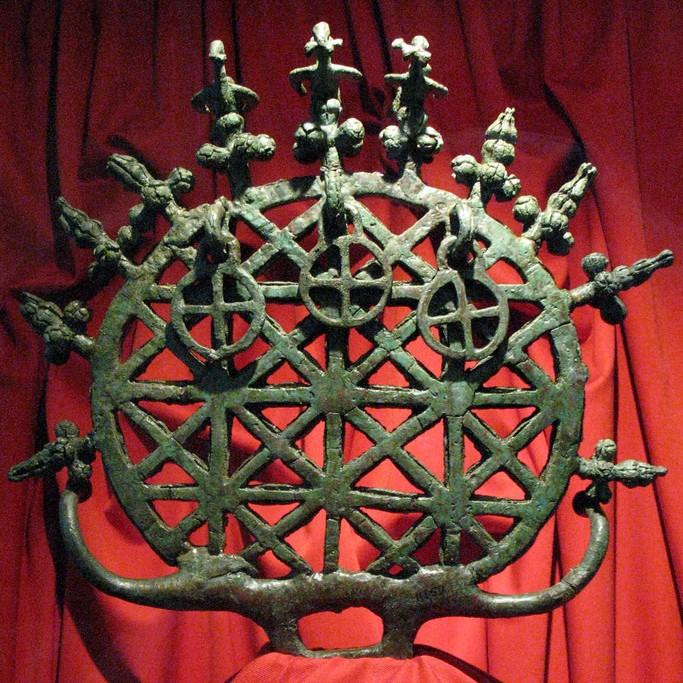
Hittite Sun Disc
The Sun Throne is a symbolic ritual object associated with solar and cosmic symbolism, particularly prominent among the ancient Anatolian civilizations of the Hattians and Hittites. Typically crafted from bronze, these objects were used in religious ceremonies and often designed in the form of a symbol carried atop a bull’s horn. Sun Thrones are regarded as an essential component of the belief systems of early Anatolian peoples, who sanctified natural phenomena and expressed them through symboli
EN
Emine Erdal
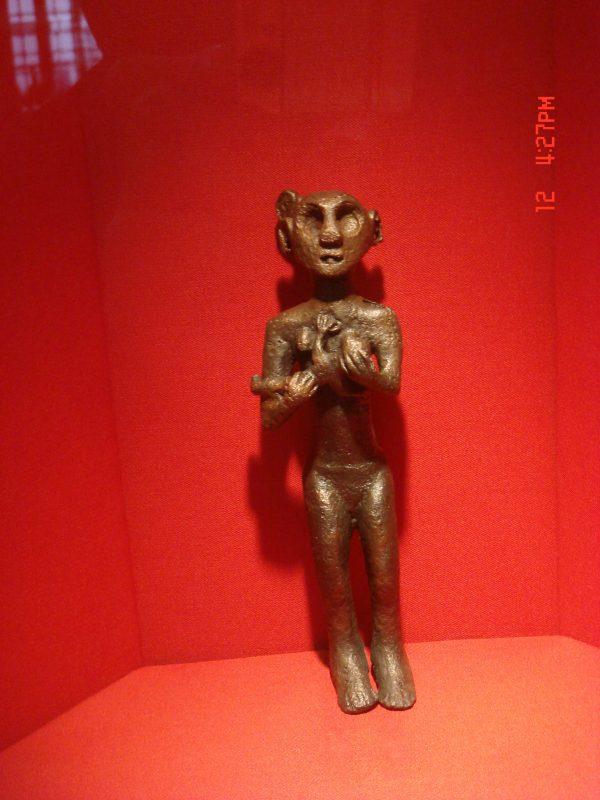
Horoztepe
Horoztepe is located east of the Erbaa district of Tokat, south of the Kelkit River, on the Erbaa Plain. Today, the site is bounded to the west by the İmbat Stream and surrounded on all other sides by modern housing and roads. History Horoztepe is one of the region’s oldest known settlements, with a history extending back to the 3000s BCE. Throughout history, Horoztepe and its surroundings have been under the rule of numerous states, including the Hattusa Kingdom, the Hittite Empire, the Phrygia
EN
Muhammet Ali Demir
Parnassianism
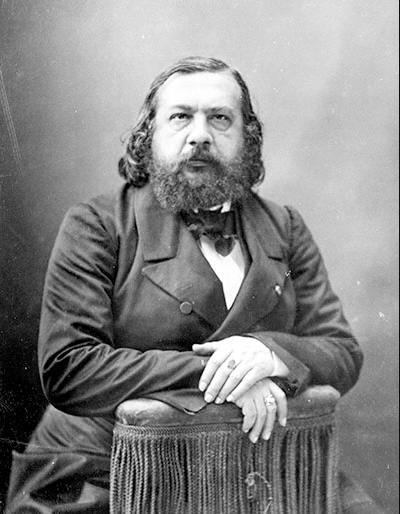
Parnassianism is a literary movement that emerged in the mid-19th century in LINK[1faef66ab914d4f98]. Named after Mount Parnassus, the source of inspiration for poets and artists in Greek mythology, this movement distinguished itself through its pursuit of beauty and poeticism in art. Emerging as a reaction against the emotional excesses and individual subjectivity of Romanticism, Parnassianism adopted an objective aesthetic approach and focused on the formal perfection of artistic creation. His
EN
Enes Tayyar
Horoztepe
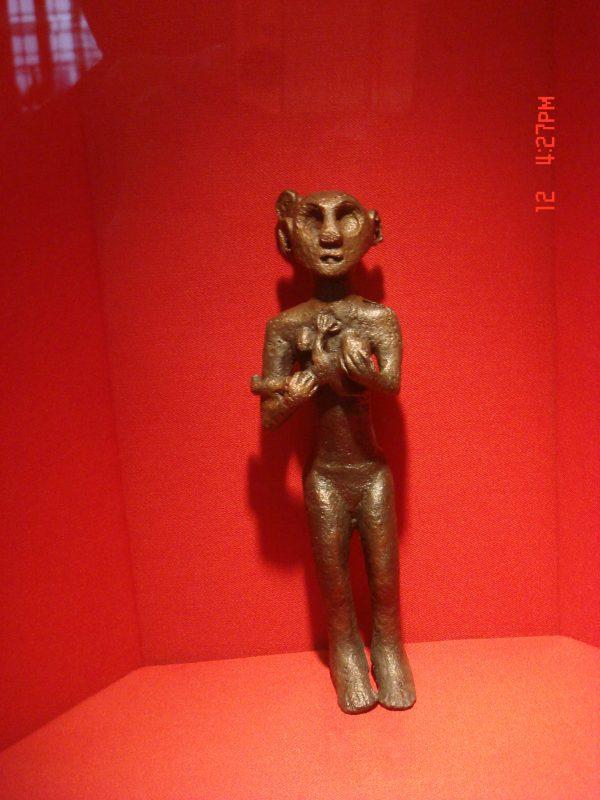
Horoztepe is located east of the Erbaa district of Tokat province, south of the Kelkit River, on the Erbaa Plain. Today, the site is bounded to the west by the İmbat Creek and surrounded on other sides by modern residential areas and roads. History Horoztepe, as one of the earliest known settlements in the region, has a history extending back to the 3000s BCE. Throughout history, Horoztepe and its surroundings have come under the rule of numerous states, including the Kingdom of Hattusa, the Hit
EN
Muhammet Ali Demir
Alanya Archaeology Museum
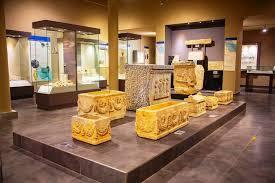
Alanya is a district located within the borders of Antalya province. The Alanya Archaeology Museum is an institution that exhibits and preserves the archaeological heritage of this region. Alanya, which has hosted many civilizations from antiquity to the present, plays an important role as a reflection of this rich historical background. The museum presents the history and culture of the region through artifacts obtained from archaeological excavations in Alanya and its surroundings. Foundation
EN
Ahsen Güneş
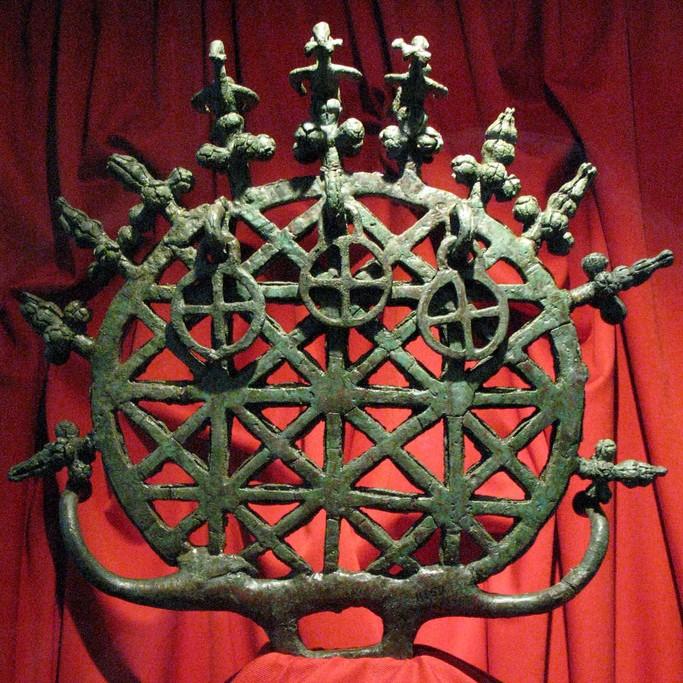
Hittite Sun Disc
Güneş kursu is a symbolic ritual object found among the ancient Anatolian civilizations, particularly in the Hatti and Hittite societies, representing the sun and the cosmos. Typically made of bronze, these objects were used in religious ceremonies and often designed in the shape of a symbol carried atop a bull’s horn. Sun disks are regarded as an essential component of the belief systems of early Anatolian peoples, who sanctified natural phenomena and rendered them symbolic. Hitit Güneş Kursu H
EN
Emine Erdal
 Gr
GrGreat Statue of Artemis
The Great Statue of Artemis is a sculptural type representing the cult image of Artemis venerated at the Temple of Artemis at Ephesus. Known as the Ephesian Artemis, this statue type features an iconography distinct from classical Greek depictions of Artemis, portraying the goddess frontally, standing upright, and adorned with rich symbolic elements. Discovery and Excavations Significant finds related to the statue of Artemis at Ephesus were uncovered during archaeological excavations conducted
EN
Hatice Özbeyli