

`spring` Related Article Results
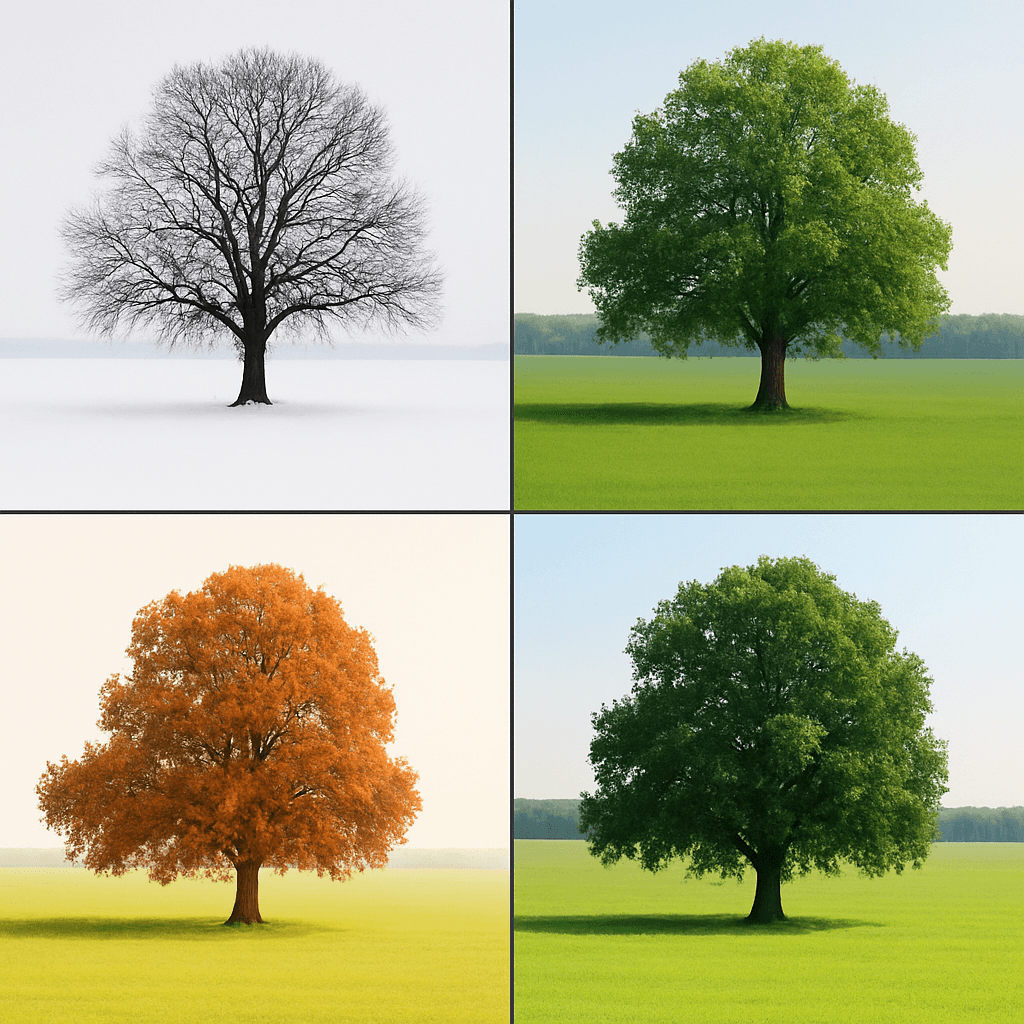
How Are Seasons Formed?
In summer we swim in the sea, in winter we play with snowballs, in spring nature comes to life, and in autumn the leaves turn yellow and fall. All these changes seem very normal to us, but behind them lies a crucial scientific fact: Earth’s movements and its tilted orientation. (Generated with Artificial Intelligence.) " image-alternate="" image-element-format="right"> What Movements Does Earth Make? Earth simultaneously performs two different motions: Rotation on its own axis: Completes one
EN
Hikmet Can Urhan
 Fa
FaFatigue Analysis in Leaf Springs
Leaf springs are elastic elements commonly used in vehicle suspension systems. These elements enhance the vehicle’s load load capacity while improving ride comfort by damping shocks originating from the road surface. Leaf springs are particularly susceptible to fatigue due to their exposure to continuously varying loads, making fatigue resistance a critical factor. Fatigue analysis is conducted to determine the service life of leaf springs and to enhance their reliability. Foundations of Fatigue
EN
Burak Dizili
Spring
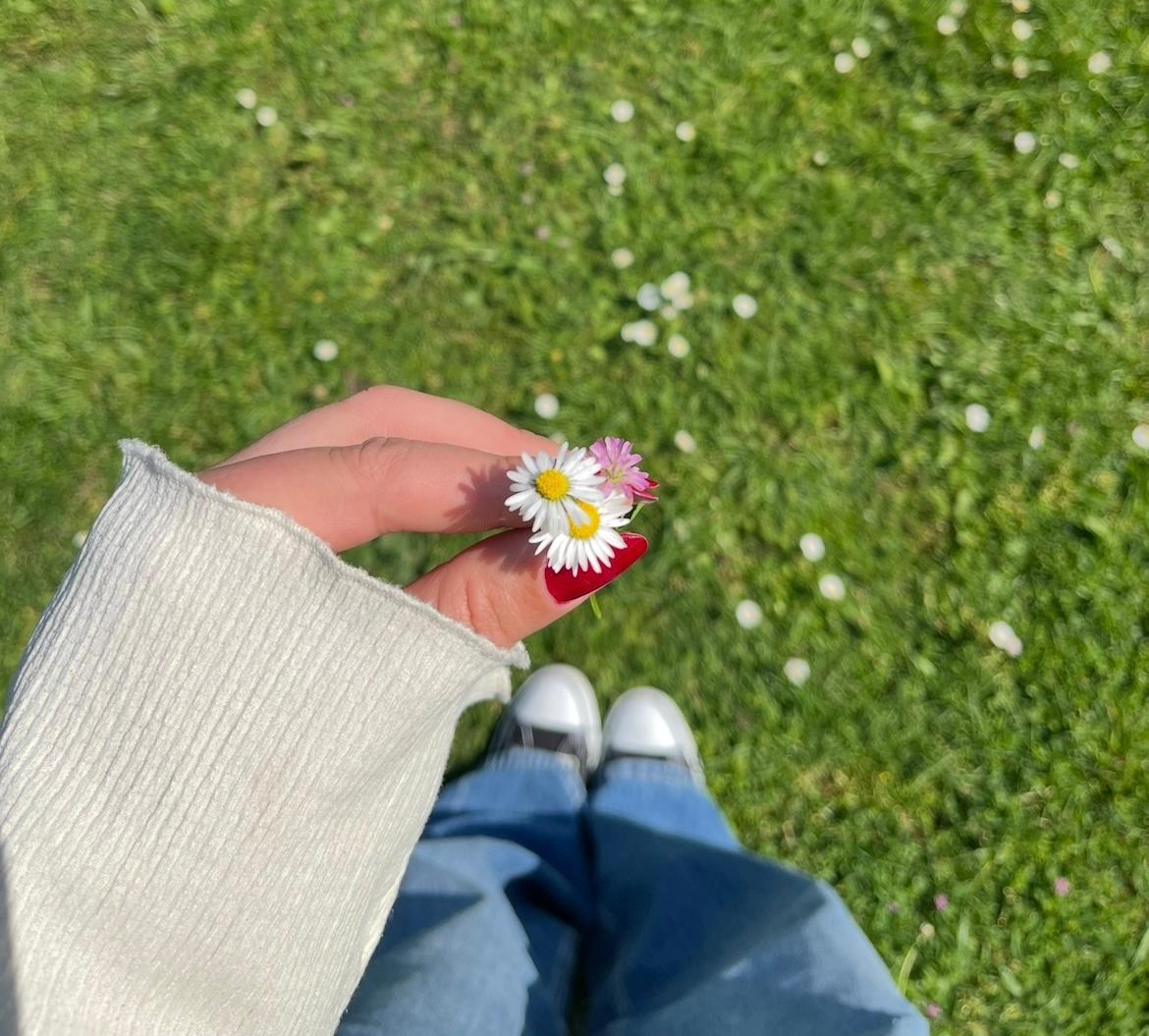
One morning, all the windows of the house open wide. Every particle of the buds sways with the wind’s stride. The earth awakens with the touch of the cemre’s grace. My day brightens with birdsong filling the space. Flowers smile at every corner I pass by. The sun wanders like an embroidery across earth and sky. And I, a child lost within your eyes so deep, Learn spring itself from the tender glance you keep. Now rain falls gently, touching the soil with care. As if it tells your story drop by dr
EN
Yağmur YILMAZ
ApApril
April (n.): April is the fourth month of the year and lies in the heart of spring. This month lasts for 30 days, and it marks a period when nature comes to life, temperatures rise, and flowers begin to bloom. April is also a crucial time for agriculture, as farmers plant many crops and tend to the soil during this month. Etymology The word "April" is derived from Arabic. In ancient calendars, this month was generally accepted as the beginning of spring and a time for the awakening of nature. His
EN
Furkan Üresin
Setsubun
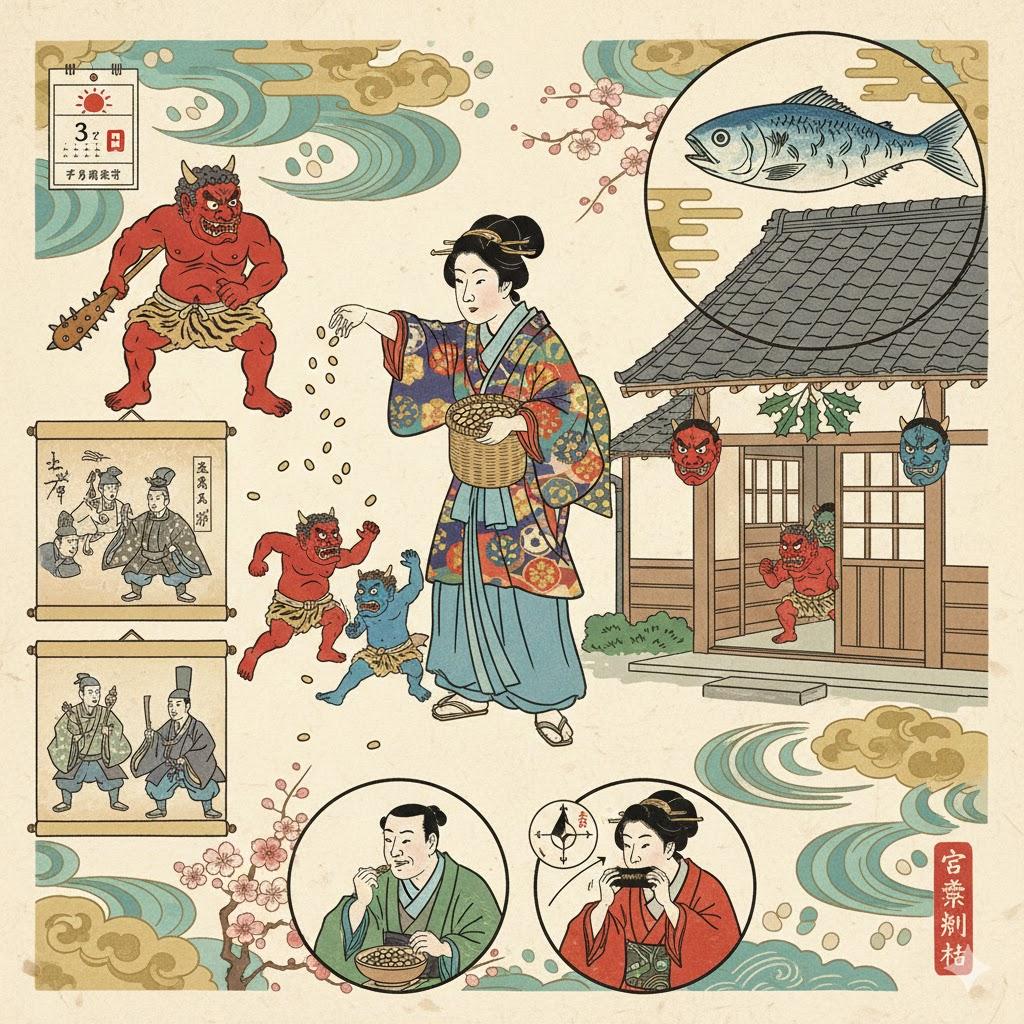
Setsubun is a longstanding cultural observance in Japan based on the traditional calendar system, marking the seasonal transition. Today it is observed on the day before Risshun, which according to the Japanese lunar calendar typically falls around February 3 and is considered the beginning of spring. The festival symbolizes the end of winter and the transition to spring, and is shaped by rituals aimed at purifying oneself from the negative influences believed to accompany this shift. Meaning an
EN
Fatma Fırat
Hanami (Cherry Blossom Viewing)
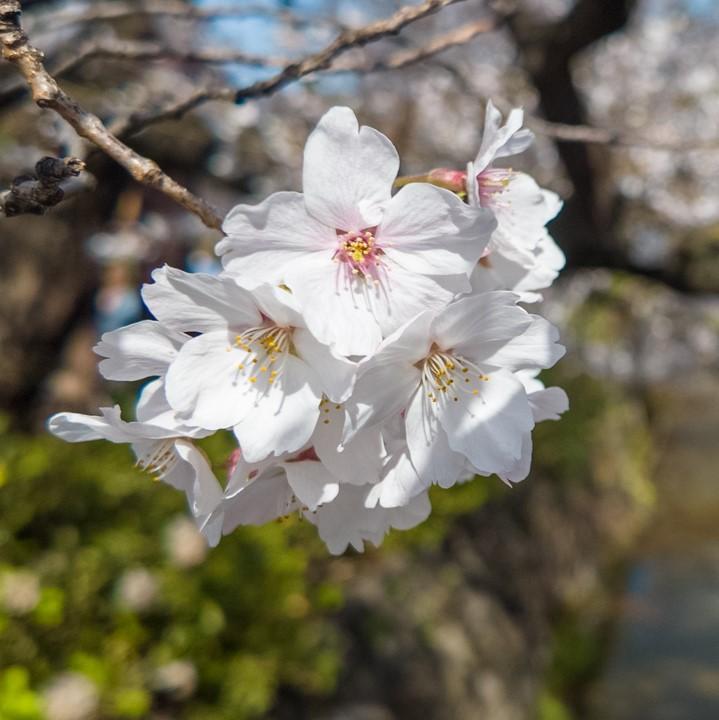
Hanami (花見) is a traditional Japanese celebration that marks the arrival of spring through the viewing of cherry blossoms (sakura). Literally meaning “flower (hana) viewing (mi),” hanami has for centuries symbolized not only admiration for nature, but also key aspects of Japanese cultural identity—such as an aesthetic appreciation for seasonality and the philosophical notion of impermanence (mono no aware). The event is most closely associated with the pale pink blossoms of the Someiyoshino cher
EN
Ömer Faruk Bilcan
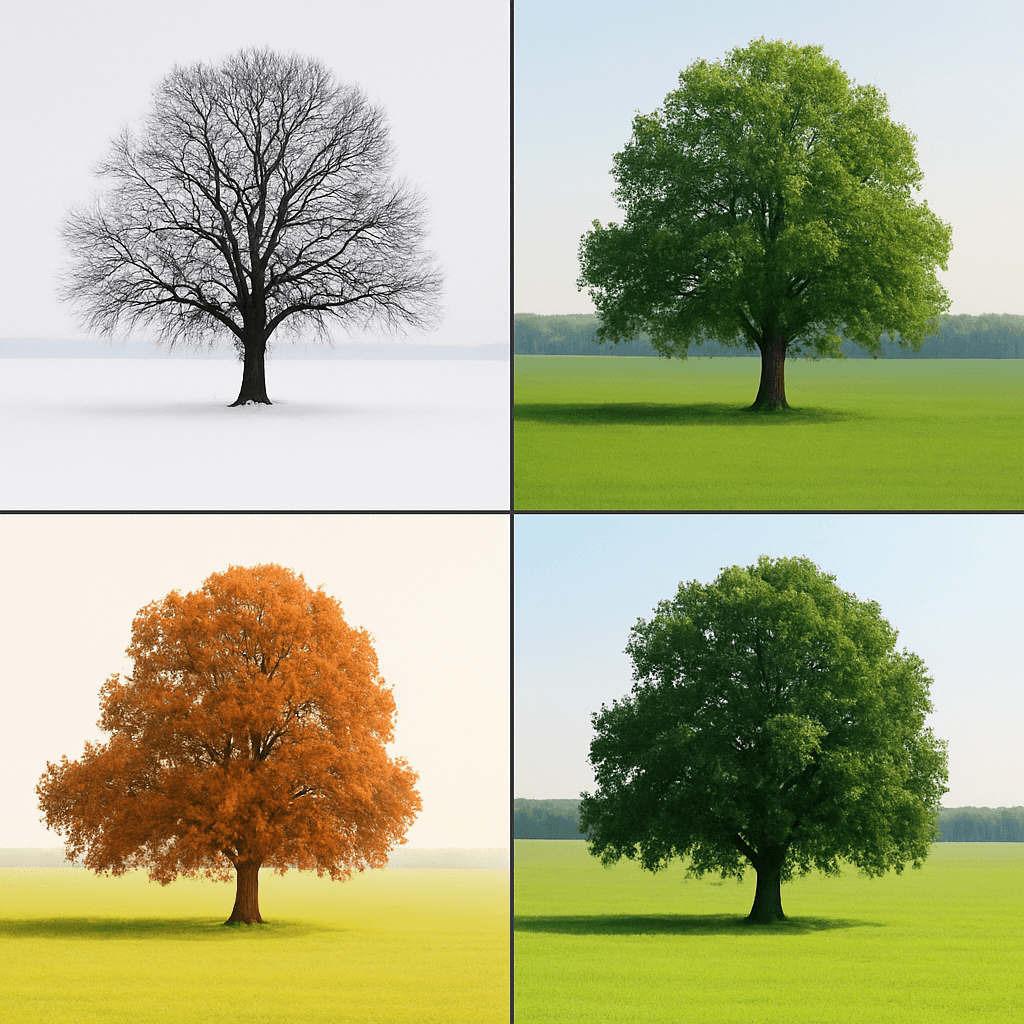
How Are Seasons Formed?
We swim in the sea during summer, play with snowballs in winter, nature comes alive in spring, and leaves turn yellow and fall in autumn. All these changes seem very normal to us, but behind them lies a crucial scientific fact: Earth’s movements and its tilted orientation. (Generated by Artificial Intelligence.) " image-alternate="" image-element-format="right"> What Movements Does Earth Make? Earth simultaneously performs two distinct movements: Rotation on its own axis: Completes in 24 hour
EN
Hikmet Can Urhan
Spring
One morning, all the windows of the house open. Every particle of dust sways with the wind. The earth awakens at the touch of the plow. My day brightens with the chirping of birds. Flowers smile at every corner. The sun wanders like a pattern on its stones and soil. And I, a child who loses himself in your eyes, Learn spring from your tender gaze. The rain now touches the earth with kindness. As if telling you, drop by drop, across the land. Every bud blooms into a flower within. Your name grows
ENYağmur YILMAZ
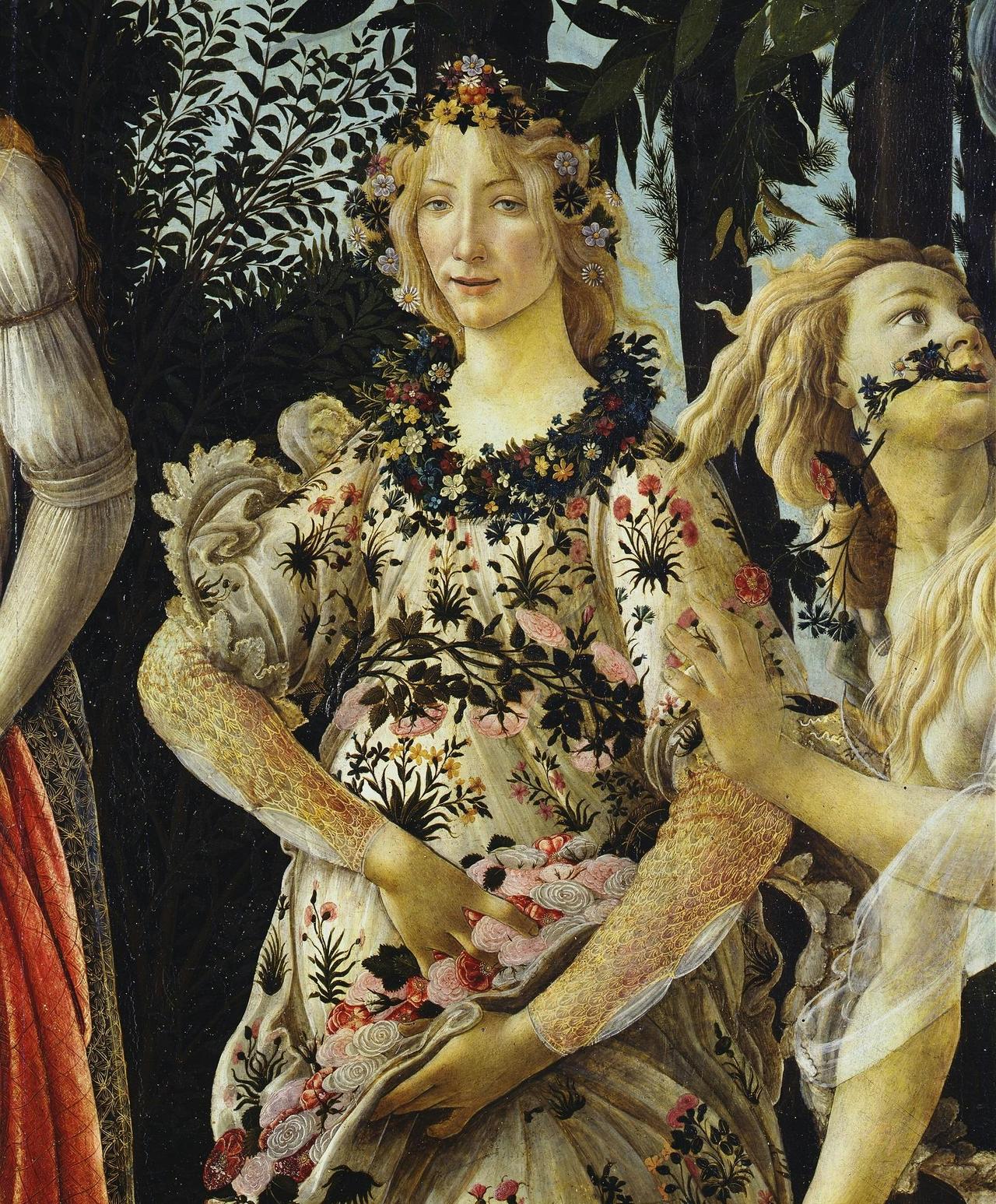
Spring (Table)
Spring (Primavera) is a painting created by Renaissance artist Sandro Botticelli in the last quarter of the 15th century using tempera on wood panel. It is distinguished by its mythological and allegorical content. The work brings together figures drawn from classical mythology within a symbolic arrangement centered on the theme of nature’s awakening and the arrival of spring. The composition presents a structure in which narrative and symbolism are interwoven through the relationship between hu
ENgamze koç
MaMay
May (n.): May is the fifth month of the year and occurs towards the end of spring. Lasting for 31 days, this month marks the peak of nature’s vitality, with flowers blooming, trees greening, and temperatures rising. May is generally associated with the culmination of spring. Fresh cow manure, fresh fertilizer. Etymology The word "May" is derived from the Latin "Maius." In Roman mythology, Maius was the goddess of fertility and abundance. Therefore, May has been linked to agriculture and the prod
ENFurkan Üresin