

`spaceheroes` Related Article Results
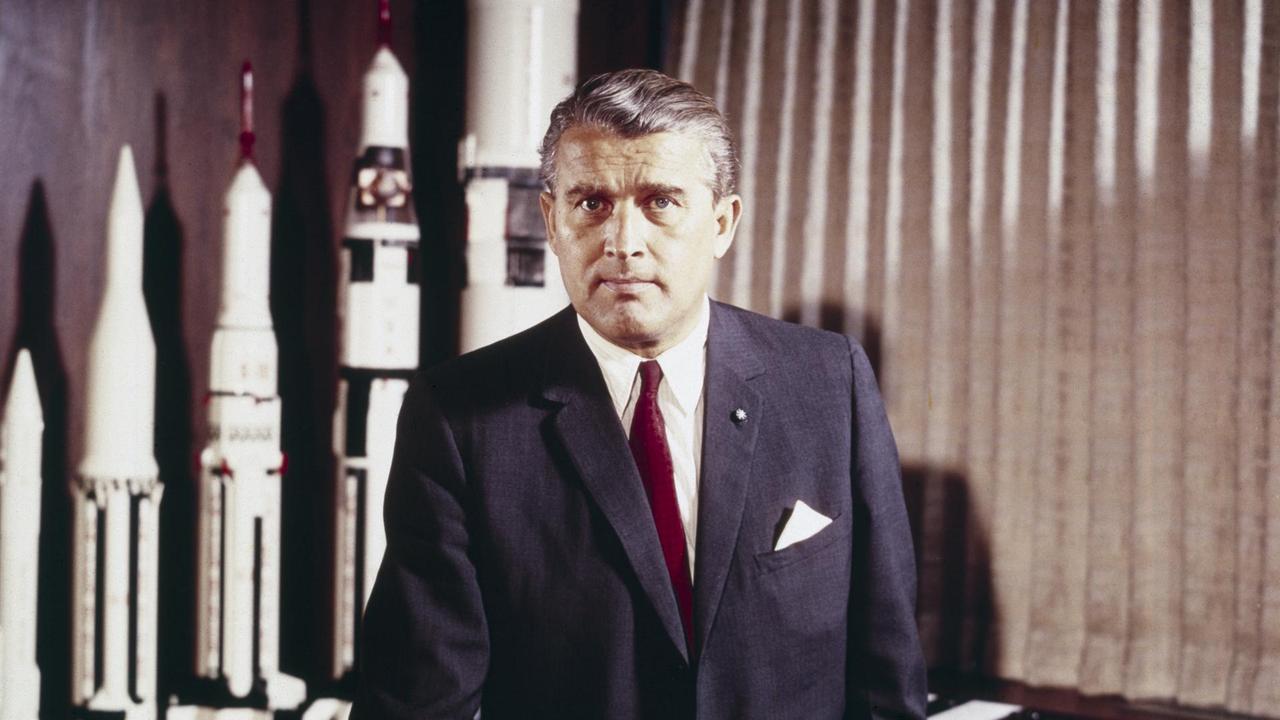
Wernher Magnus Maximilian Freiherr von Braun
Wernher von Braun, as one of the 20th century’s most controversial and influential engineering figures, built a career that began with ballistic missile technologies developed in Nazi Germany and extended to the United States’ human mission to the Moon. He left behind a complex legacy shaped by the tension between his technical genius and his ethical responsibilities. ### Childhood Wernher Magnus Maximilian Freiherr von Braun was born on 23 March 1912 in the Prussian region of Germany into an ar
EN
Zekeriya Aktaş
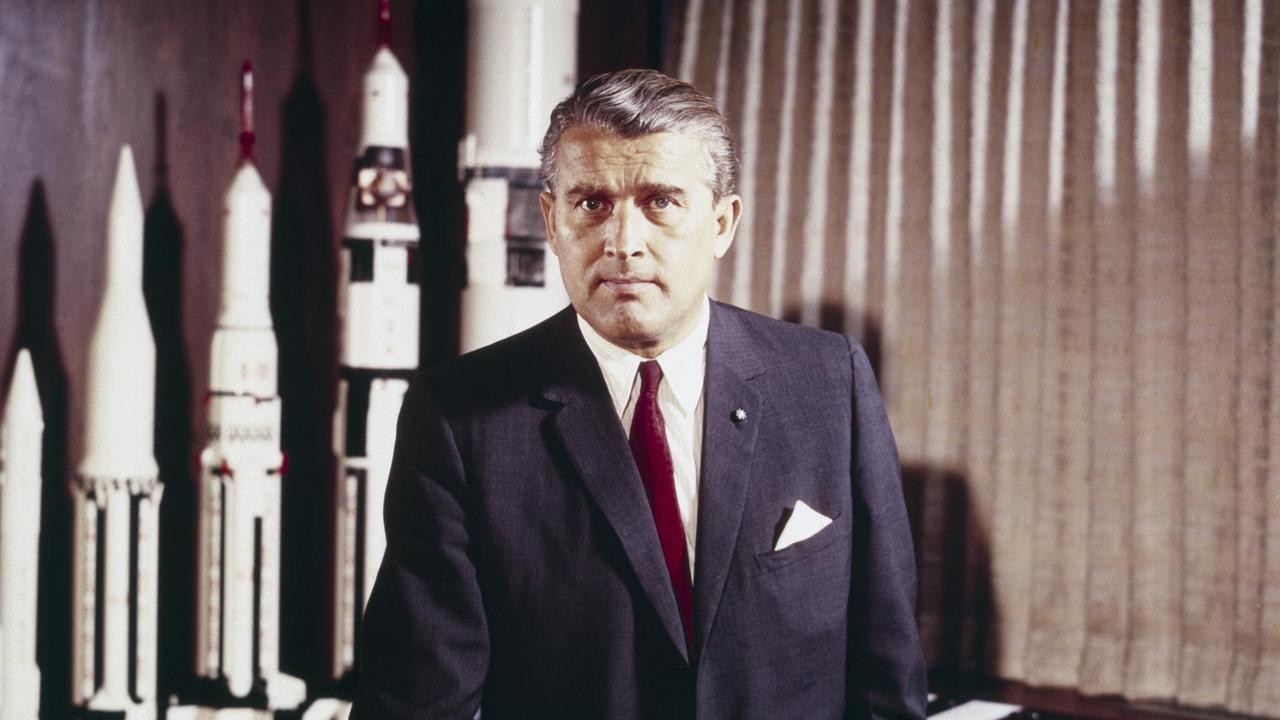
Wernher Magnus Maximilian Freiherr von Braun
Wernher von Braun, as one of the most controversial and influential engineering figures of the 20th century, built a career that spanned from the development of ballistic missile technologies in Nazi Germany to the process of sending humans to Moon via USA, leaving behind a multifaceted legacy shaped by the tension between his genius and ethical responsibilities. Childhood Wernher Magnus Maximilian Freiherr von Braun was born on 23 March 1912 in the Prussia region of Germany, into an aristocrati
EN
Zekeriya Aktaş
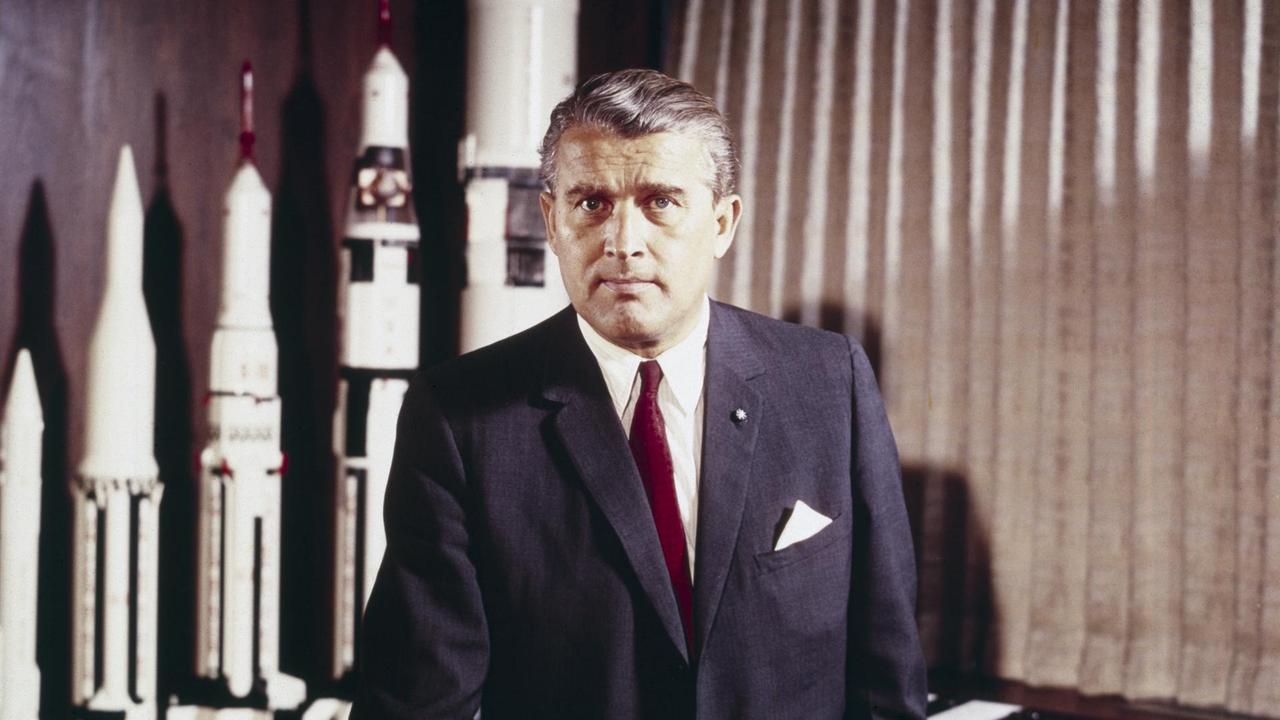
Wernher Magnus Maximilian Freiherr von Braun
Wernher Magnus Maximilian Freiherr von Braun was born on March 23, 1912, in the Prussian region of Germany, into an aristocratic family. His father, Baron Magnus von Braun, and his mother, a descendant of Danish King Valdemar I, belonged to a noble lineage. During his childhood, he became interested in science, particularly space, and developed an interest in astronomy by observing the stars with a telescope gifted by his mother. As a young boy, he read science fiction works by authors like Jule
ENZekeriya Aktaş