

`sleep` Related Article Results
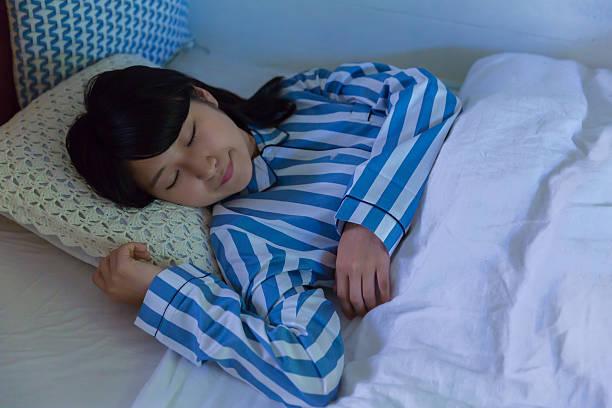
Inemuri
Inemuri is a unique form of sleep observed in workplaces, during travel, and even while eating, allowing individuals to remain energetic and alert throughout the day. This distinctive sleep habit is regarded as a way for people in Japan to cope with the intense pace and stress of work life. Inemuri is not merely a form of napping; it is also a practice respected and valued within Japanese culture. What Is Inemuri? In most countries, working hours and rest periods typically follow a defined sched
EN
Salih Gölcük
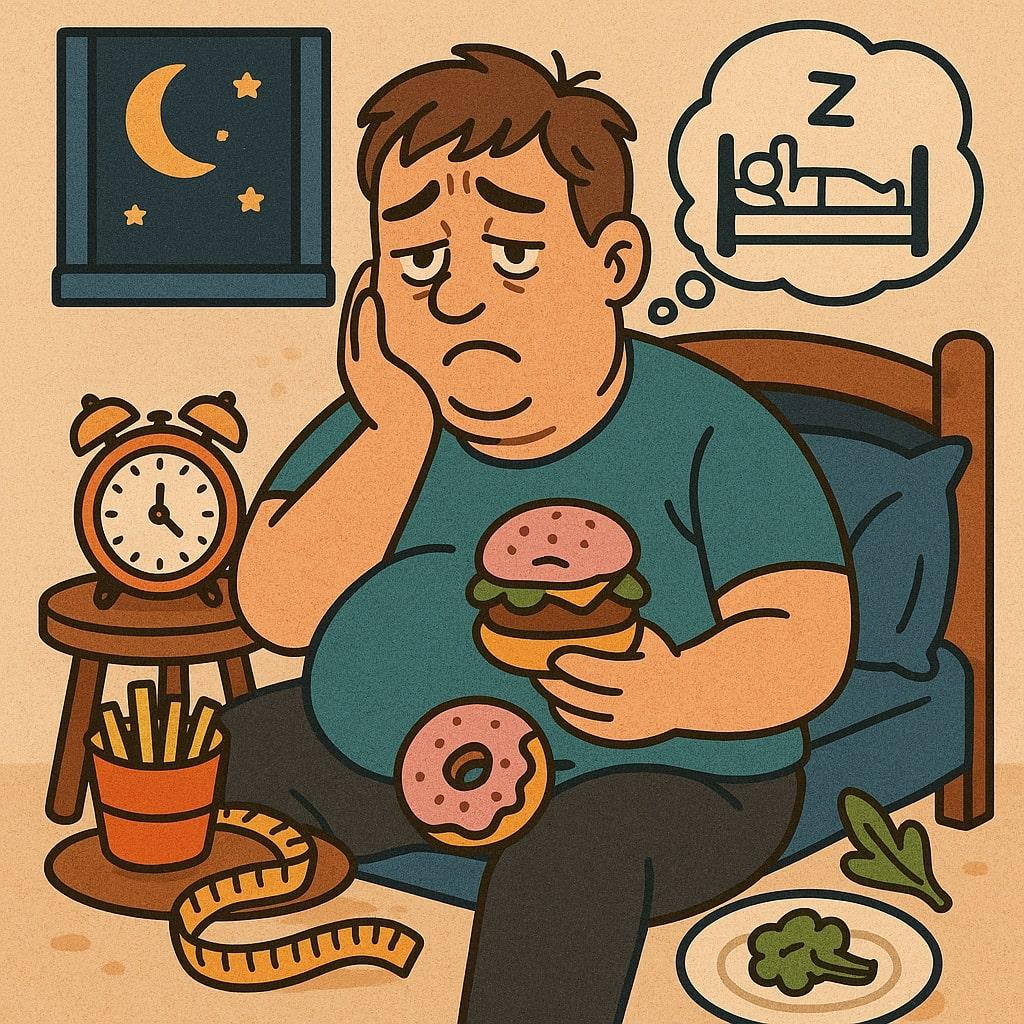
Sleep Deprivation Reflects on the Scale: Why Isn't the Diet Working?
You want to lose weight, you stick to your diet, and perhaps you even go to the gym regularly, yet the scale stubbornly keeps showing the same weight. You wonder where you are going wrong. Here is the answer: sleep deprivation. Inadequate sleep, now an unavoidable part of modern life, can be the invisible enemy of your weight loss efforts. Today’s individuals have begun stealing sleep between screen-filled nights, demanding work schedules, stress, and social commitments. Yet our bodies—especiall
EN
Nursena Şahin
Hypnic Jerks
Hypnic jerks (also known as hypnic myoclonus, hypnagogic jerk, or sleep-start) is a physiological phenomenon characterized by sudden, involuntary, and brief contractions of one or more muscles at the onset of sleep. These contractions are often accompanied by a sudden sensation of “falling,” “being pulled into emptiness,” or a “startle” as the individual begins to drift into sleep. Hypnic jerks typically occur during the transition to the first stage of non-rapid eye movement (NREM) sleep. They
EN
Nursena Güller
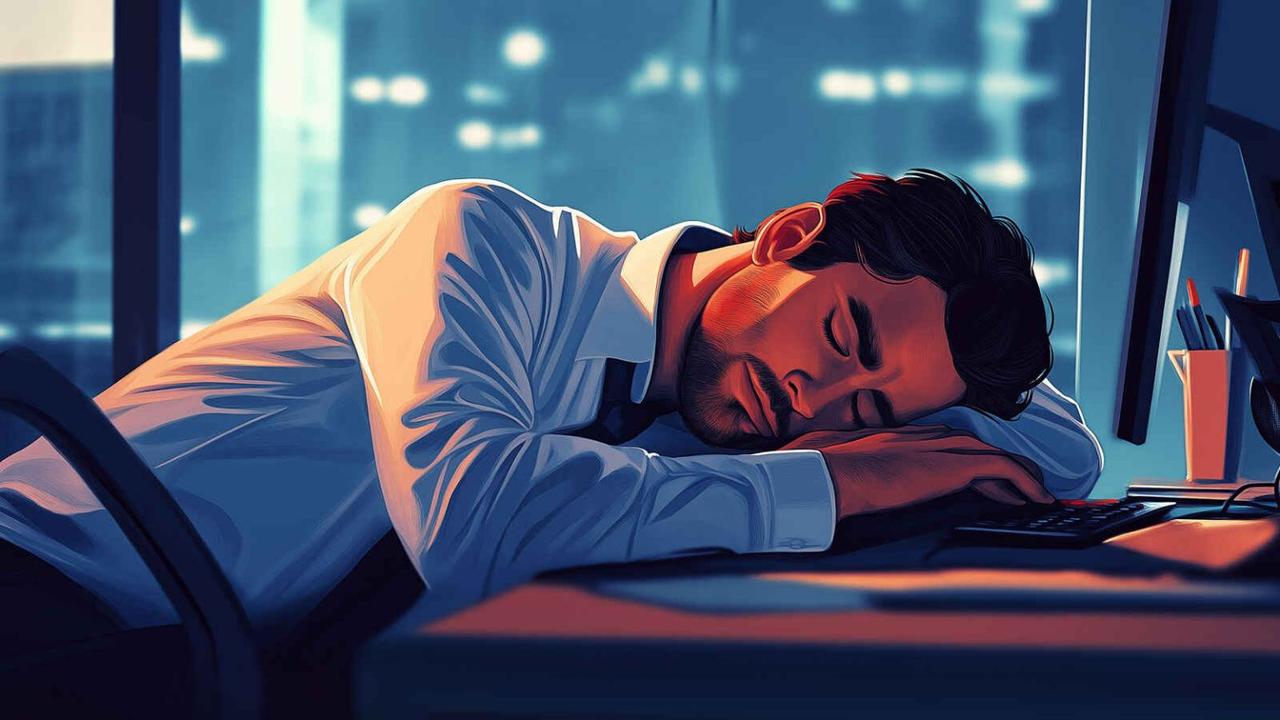
Sleep Deprivation
Sleep is a fundamental biological process essential for maintaining physical and mental health. This process, necessary for individuals to sustain daily functioning, is linked to both bodily renewal and the preservation of mental balance. However, contemporary living conditions, technological stimuli, workloads, and psychosocial stress factors can lead to changes in sleep patterns. Within this context, sleep deprivation—the inability to obtain the required duration and quality of sleep—is becomi
EN
Nuh Uçar
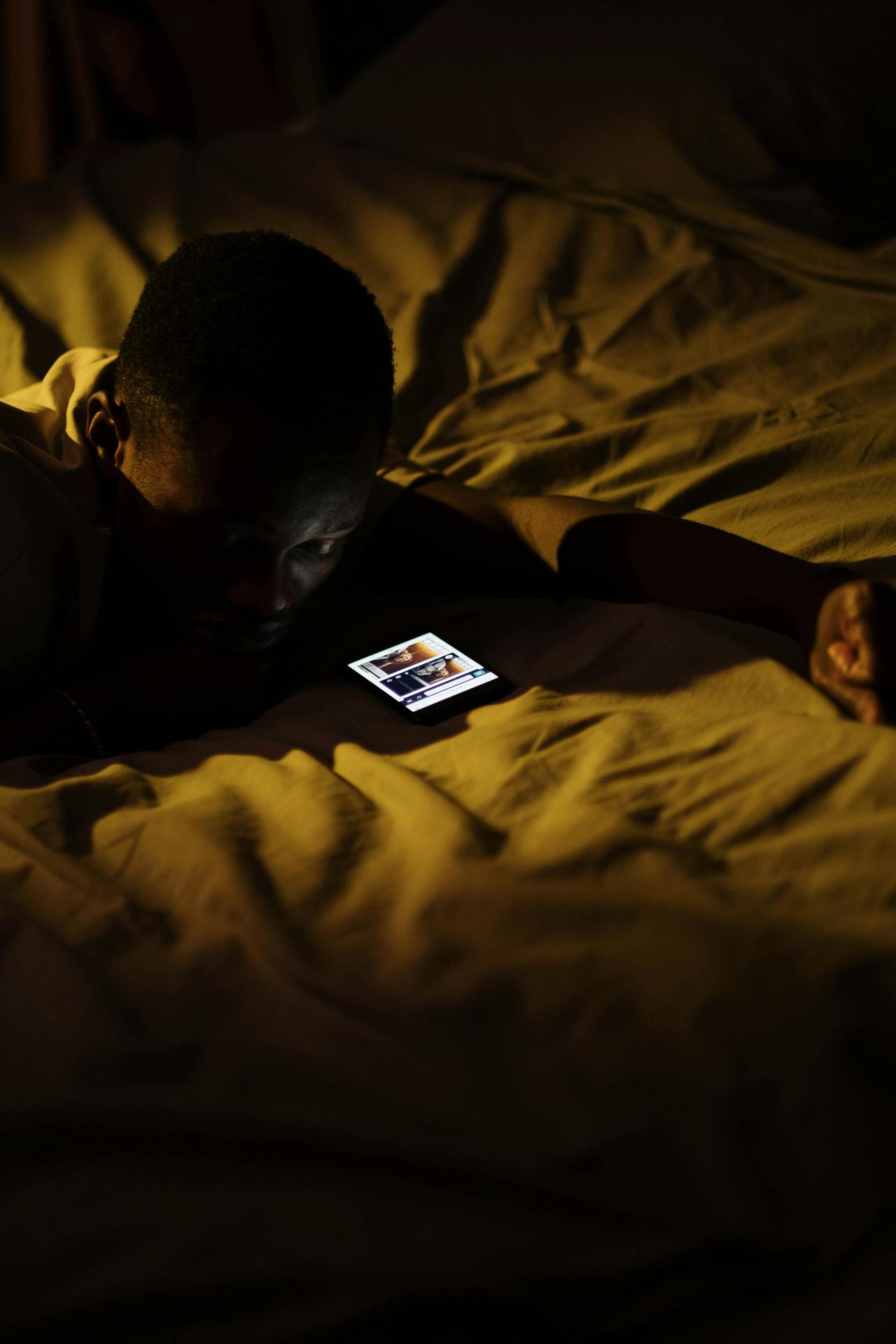
Revengeful Sleep Procrastination: Silent Resistance
The pace of modern life significantly limits individuals’ control over their daily routines, leading to various behavioral responses, particularly among those who struggle to create personal time. One such response, which has attracted attention in psychology and health literature in recent years, is revenge bedtime procrastination. This phenomenon, often referred to in academic texts as “bedtime procrastination” (the deliberate delay of sleep despite knowing one should sleep), occurs when a per
EN
Ebrar Özata
 Sh
ShShort Breaks in Sleep: Sleep Habits That Stimulate Creativity, from Edison to the Present
Sleep occupies a central place in our biological rhythms as an indispensable part of human life. However, across different historical periods, the meanings assigned to sleep and the habits adopted have varied significantly. In particular, the views of the renowned inventor Thomas Edison on sleep and the unconventional methods he developed sparked controversy in his time and have recently reemerged in scientific research. Today, Edison’s approach of using short naps to stimulate creativity has be
EN
Seda Özdemir
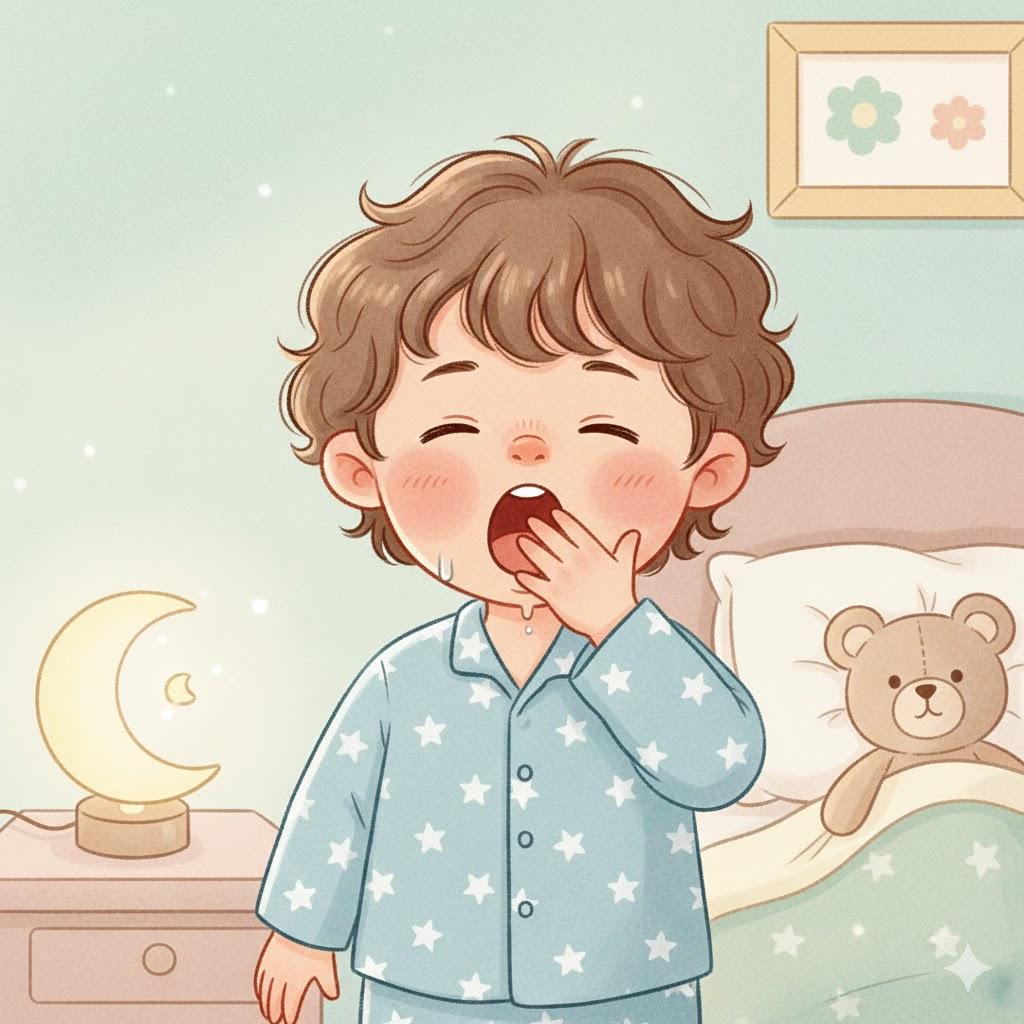
Why Do We Yawn?
Yawning is the involuntary wide opening of the mouth, a deep inhalation of air into the lungs, followed by exhalation. This intriguing behavior is not unique to humans; lions, dogs, fish and even bird hatchlings still inside their eggs yawn! What Do Scientists Say? Experiments and Theories It was once believed that yawning occurred to bring more oxygen into the body. However, when scientists observed that people continued to yawn even in rooms with abundant oxygen, they launched new investigatio
EN
Miray GÜR
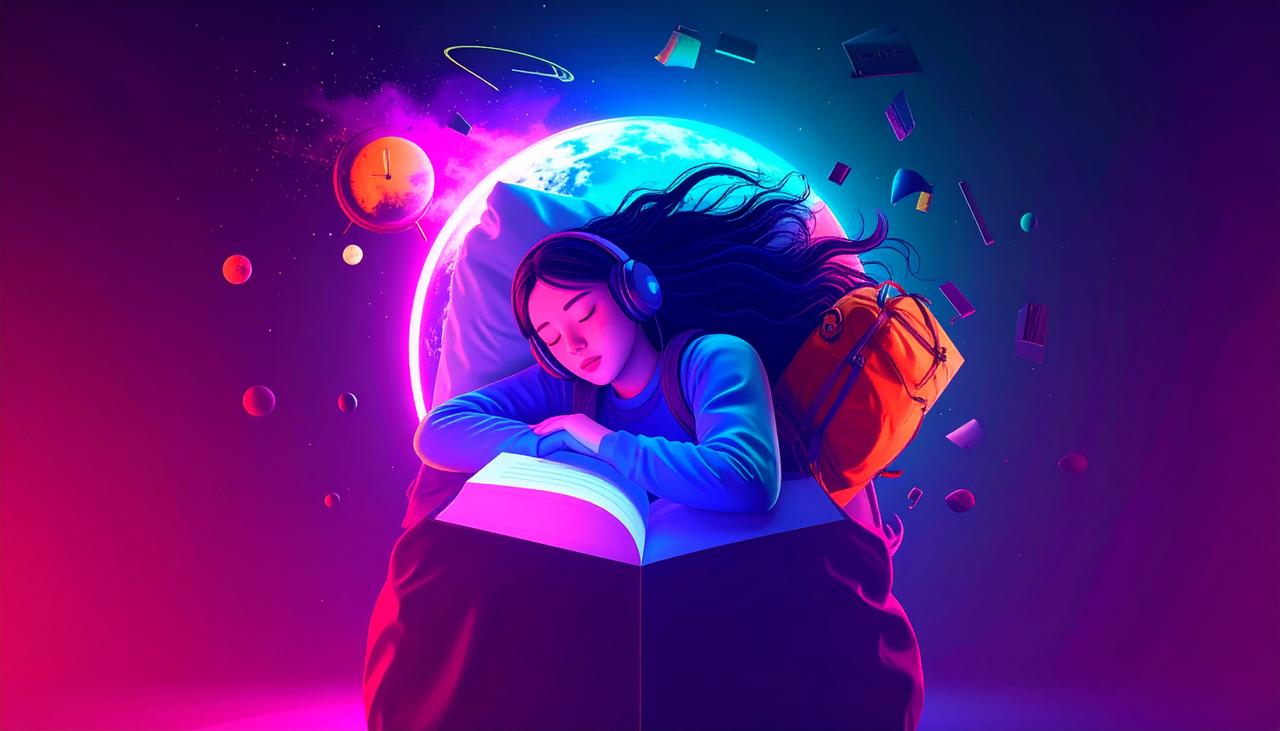
The Connection Between Sleep and Anxiety
While trying to keep up with a changing and evolving world, we humans sometimes grow weary from this stress and intensity without even realizing it. This prolonged lack of awareness, combined with stress, can lead to anksiyete sorunlarına in our bodies that must be addressed psychologically. This anxiety, which has become integrated into our daily lives during intense periods, can affect many of our traits. The most significant of these is sleep. Sleep is the process during which the brain and b
EN
T3 Akademi
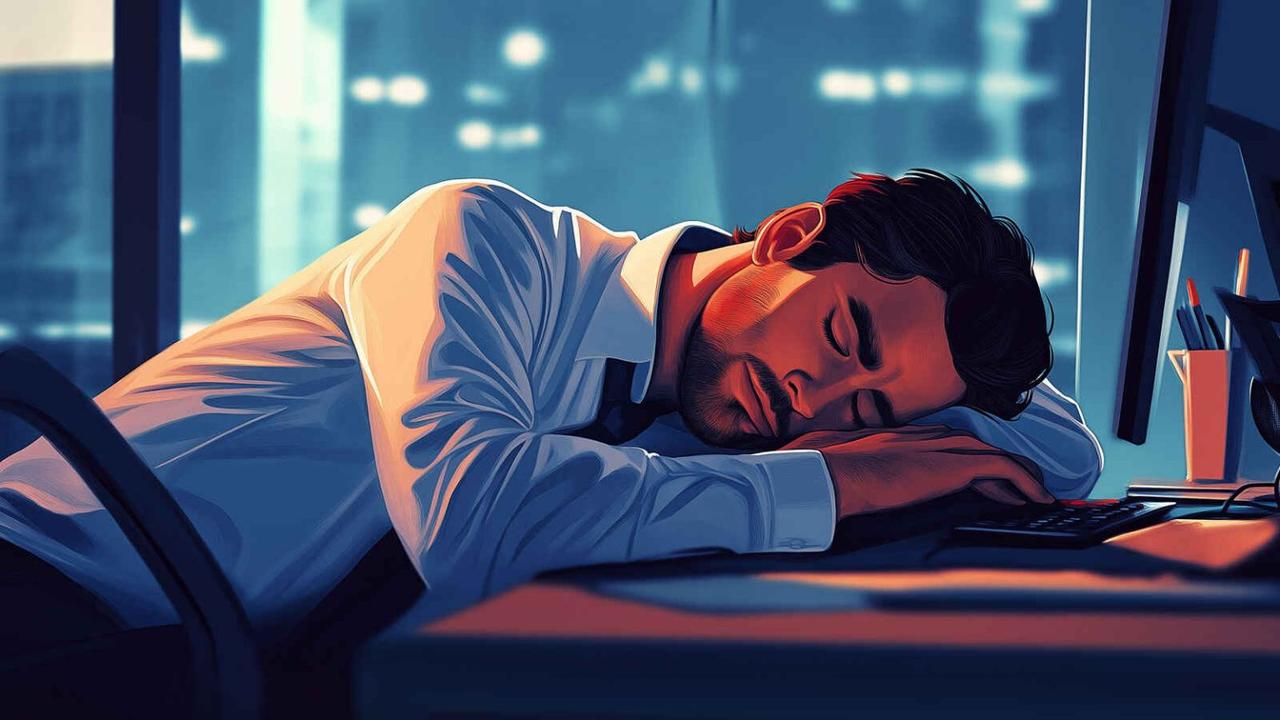
Sleep Deprivation
Sleep is a fundamental biological process essential for maintaining physical and mental health. This process, necessary for individuals to sustain daily functioning, is associated with both bodily renewal and the preservation of mental balance. However, contemporary living conditions, technological stimuli, workloads, and psychosocial stress factors can lead to alterations in sleep patterns. Within this context, sleep deprivation—the condition in which an individual fails to obtain the required
ENNuh Uçar