

`secularism` Related Article Results
 Gr
GrGreen Night (Book)
Reşat Nuri Güntekin’s novel Yeşil Gece is regarded as a important work that reflects the ideological transformation of the Republican era through literature. Roman addresses the conflict between modern institutions and traditional structures during the transition from the Ottoman Empire to the Republic. The struggle of Ali Şahin, an idealist teacher, against madrasas and traditional religious understanding forms the central framework of the novel. Republican Ideology in Yeşil Gece Reşat Nuri Gün
EN
Meryem Şentürk Çoban
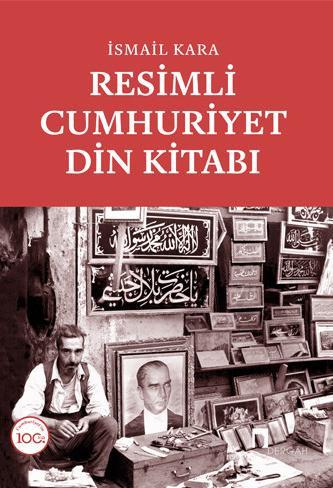
The Illustrated Book of Religion of the Republic (Book)
The Illustrated Book of Religion of the Republic (Resimli Cumhuriyet Din Kitabı), authored by Prof. Dr. İsmail Kara, is a comprehensive three-volume visual and textual work that examines the relationship between religion, state, and society in Republican-era Türkiye. It is being published as part of Dergâh Publications' Contemporary Turkish Thought series. Its second printing, which began in December 2023, was completed in March 2024. Subject The work examines topics such as the Republic’s relig
EN
Muhammed Samed Acar
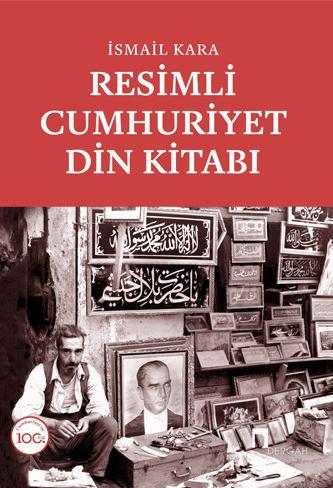
Illustrated Republic Religion Book (Book)
Illustrated Republic Book of Religion, authored by Prof. Dr. İsmail Kara, is published by Dergâh Yayınları as a three-volume visual and textual study within its Contemporary Turkish Thought series, offering a comprehensive examination of the relationships between religion, state, and society in the Republic era of Türkiye. The second edition, which began in December 2023, was completed in March 2024. Subject The work examines, under 70 distinct chapters, topics such as the Republic’s religious p
ENMuhammed Samed Acar
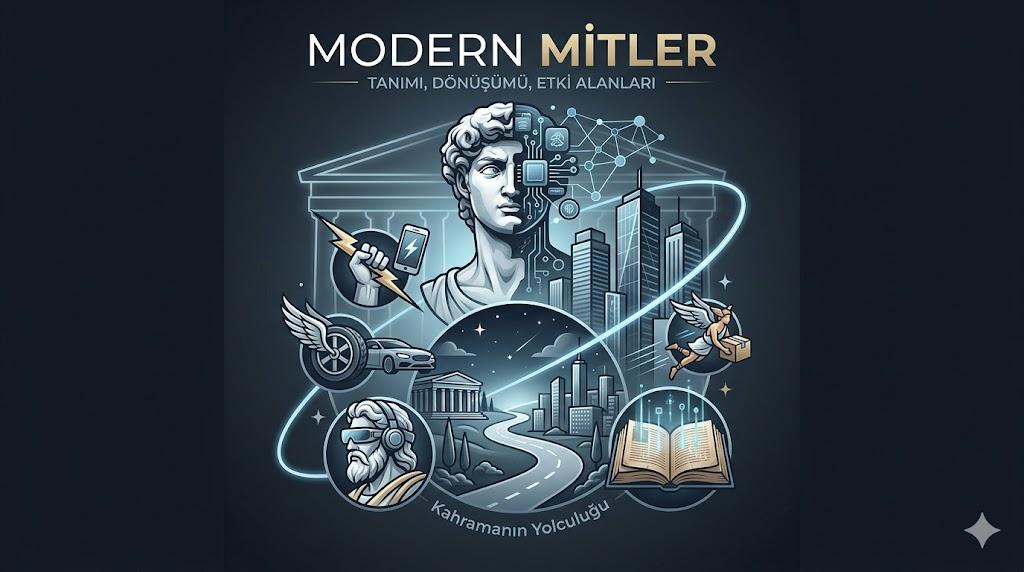
Modern Myths
Modern Myths, despite the Enlightenment’s rationalist worldview and the dominance of the positivist paradigm, refer to the new forms and secular sacralities that mythic thought has assumed in contemporary society.【1】 Traditionally defined, myth encompasses sacred narratives such as folk tales and creation stories, but at its core it is a philosophy and mode of thought belonging to every era of human existence. The fundamental function of myths is to impose order on complex experiences, knowledge
EN
Büşra Tuğa
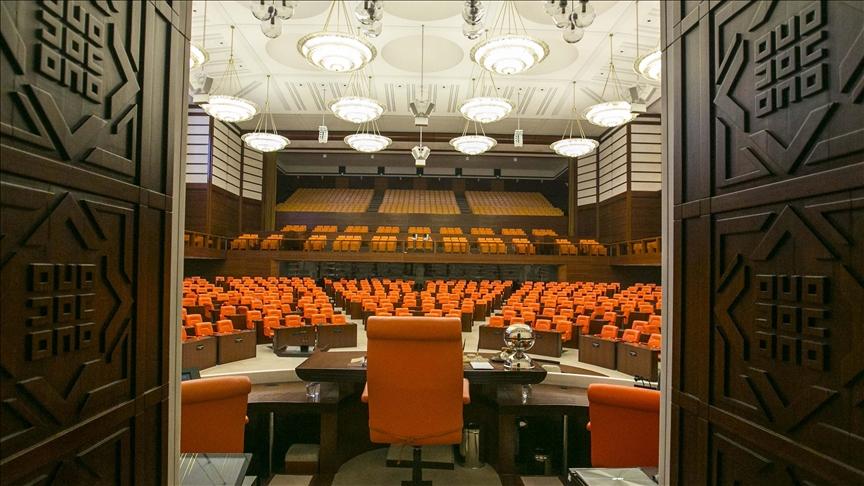
April 27 E-Memorandum
27 April E-Memorandum is a press statement issued on the official website of the Turkish General Staff at around 23:30 on the night of 27 April 2007, and it carried the character of a military intervention directed at Türkiye’s 11th presidential election process.【1】 This text, historically referred to as the “first e-memorandum,” differs from previous military interventions by being publicly announced directly through a digital platform. The statement emphasized the principle of secularism and h
EN
Kerem Akıl
Atatürk's Principles
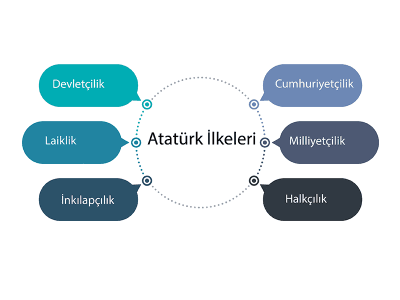
The Principles of Atatürk are defined as six fundamental principles that determine the basic political and social structure of the Republic of Türkiye, guide the Turkish Revolution, and aim at modernization. These principles form the ideological framework of the reforms carried out under the leadership of Mustafa Kemal Atatürk. Constituting the foundation of the Atatürkist thought system, these principles are grouped under six headings: Republicanism, Nationalism, Populism, Statism, Secularism,
EN
Yunus Emre Sağlam
Nilüfer Göle
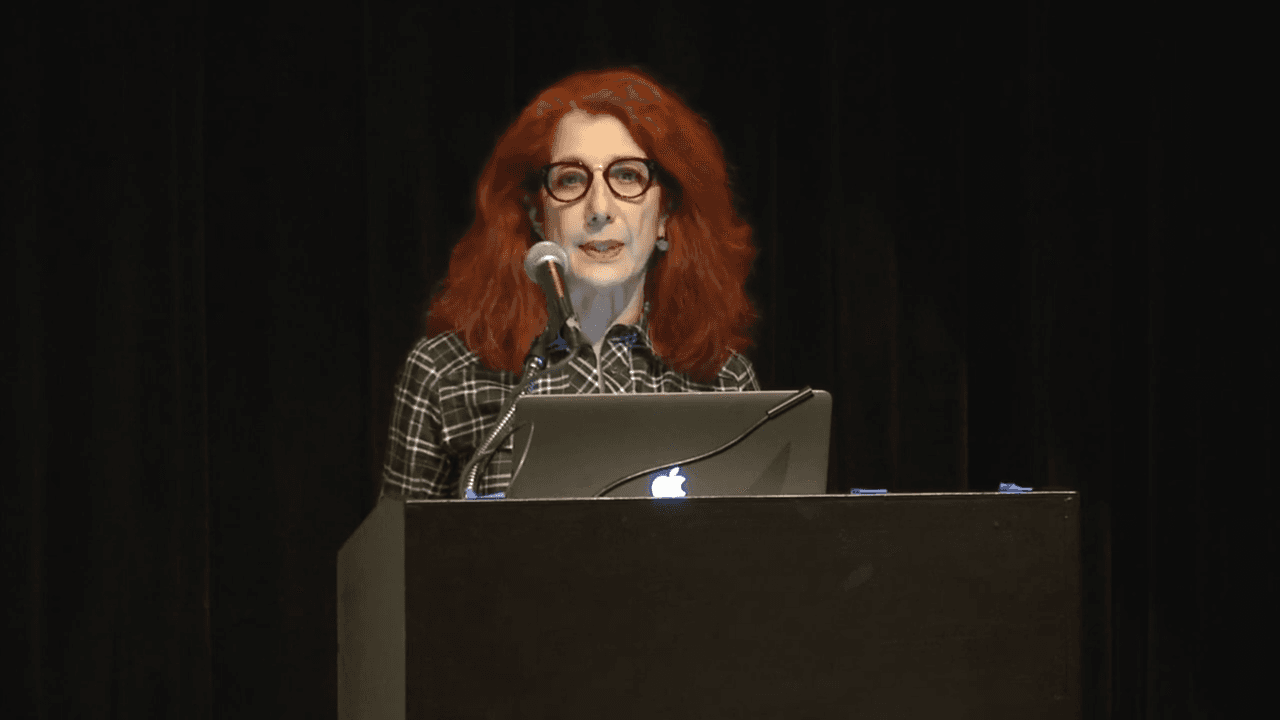
Nilüfer Göle (b. 1953, Ankara) is a Turkish sociologist known for her work on modernity, secularism and the visibility of Islam in the public sphere. Her research focuses particularly on processes of modernization the relationship between religion and the public sphere and the visibility of Muslim identities in modern societies. Life Nilüfer Göle was born in Ankara in 1953. Her family origins trace back to the Göle district of Ardahan. She began her academic career in France and held positions a
EN
Bengisu Sağlam