

`satellite` Related Article Results
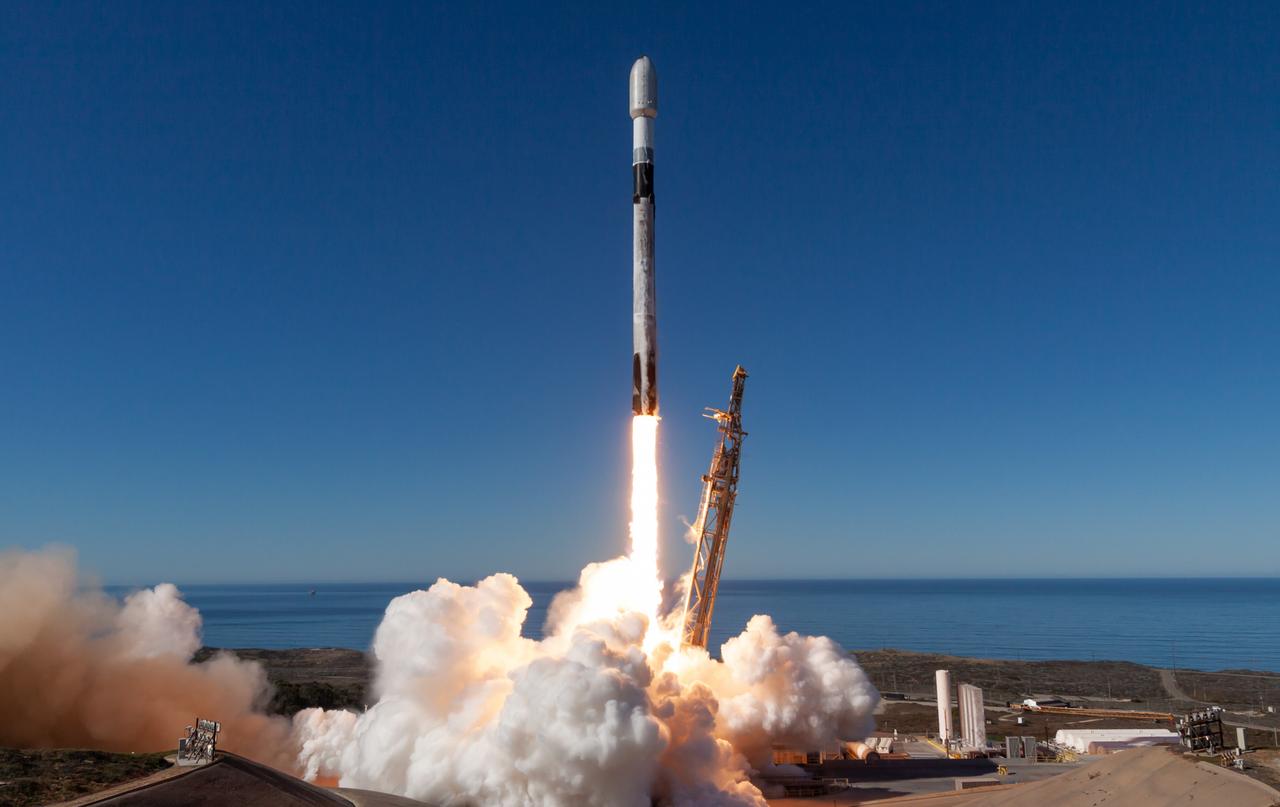
FGN-100-d1 Satellite
FGN-100-d1 is a microsatellite developed by Fergani Space, established by Baykar Board Chairman and Technology Leader Selçuk Bayraktar. It was launched into space on 14 January 2025 and successfully entered orbit. Launch and Orbital Insertion The satellite was launched into space on 14 January 2025 at 22:09 Türkiye Time (TSİ) aboard SpaceX’s Falcon 9 rocket as part of the Rideshare Program’s Transporter-12 mission from Vandenberg Space Force Base. It separated from the launch vehicle 62 minutes
EN
Edanur Karakoç
Low Earth Orbit (LEO)
Low Earth Orbit (LEO) is a region of space located at a distance of approximately 160 km to 2,000 km from the surface of World. This region is a critical area for space research and communication like modern space missions. Due to its proximity to Earth, LEO enables satellites to establish and maintain their orbits more efficiently and operate with greater effectiveness. Satellites launched into space operate in different orbits depending on their intended applications. " image-element-format="
EN
Doğan Eşkinat
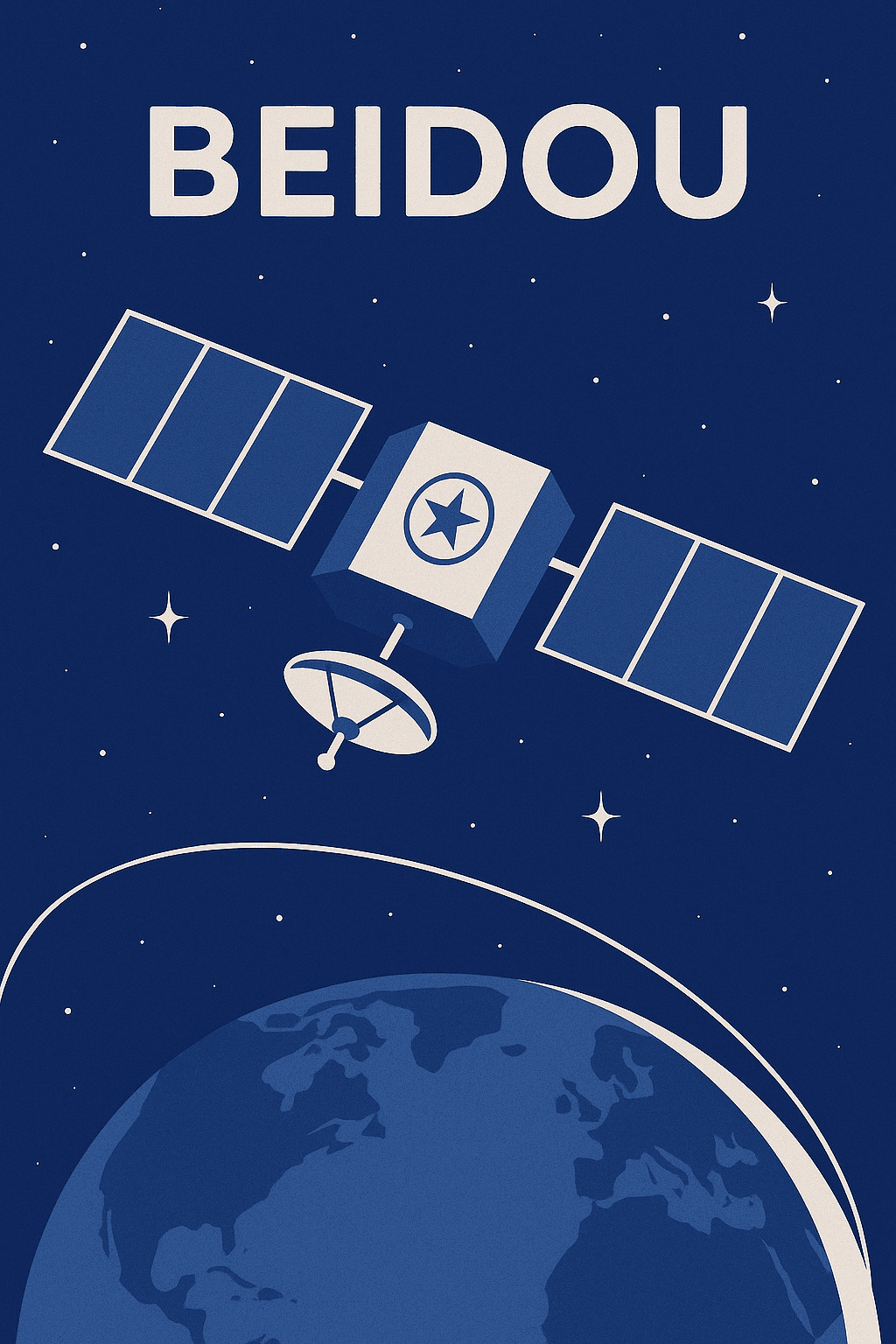
BeiDou Navigation System
BeiDou, officially known as the BeiDou Navigation Satellite System (BDS), is a global satellite navigation system developed and operated by the People’s Republic of China. The system is named after the traditional Chinese term for the "Big Dipper" constellation, which symbolizes guidance and orientation. Unlike GPS (USA), GLONASS (Russia), and Galileo (EU), BeiDou is designed to serve both civilian and military users, and it represents a strategic effort to achieve independence in satellite-base
EN
Hüsnü Umut Okur
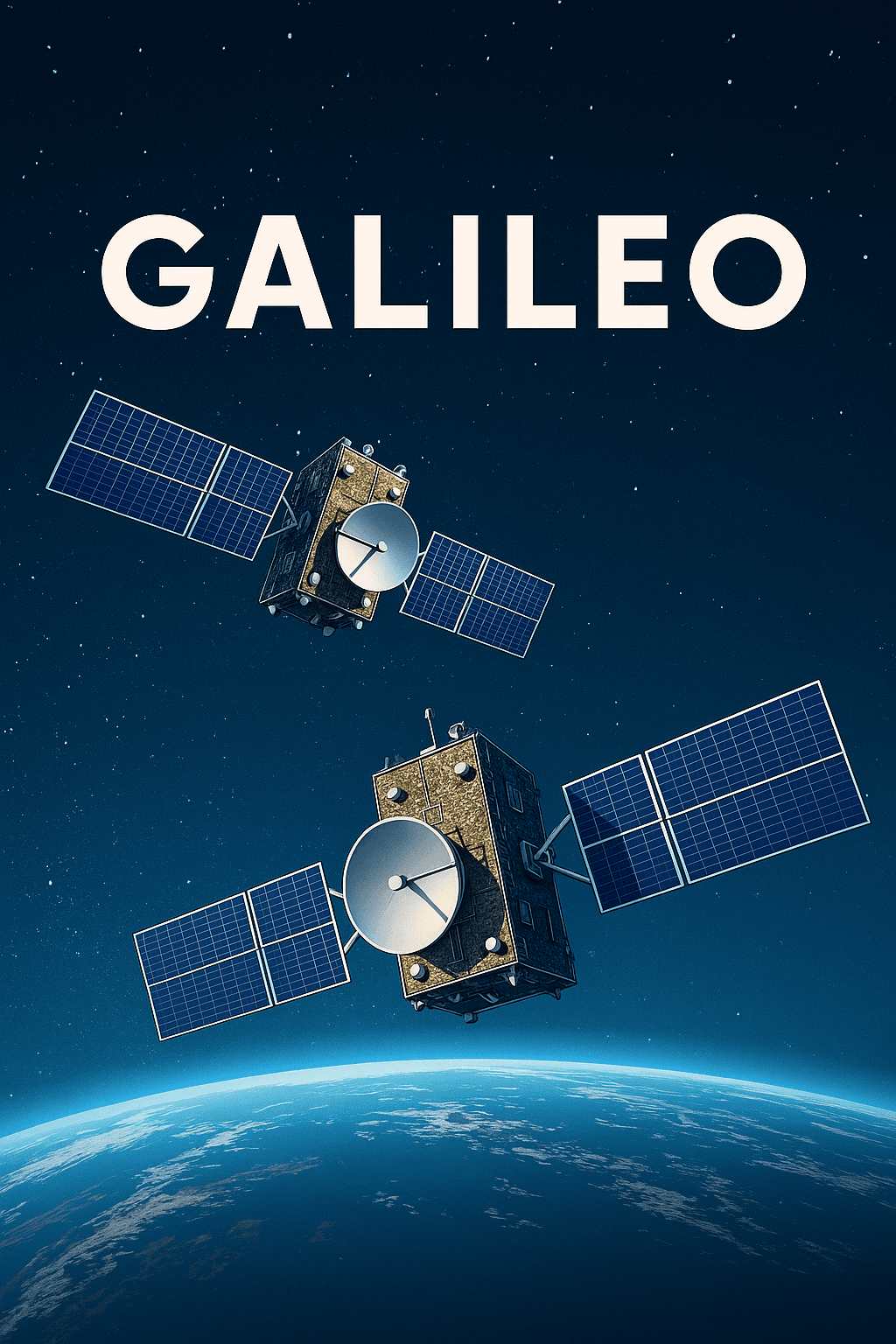
Galileo Positioning System
Galileo is a global navigation satellite system (GNSS) developed by the European Union and operated entirely under civilian control. In operation since 2016, it offers a high-accuracy and independent solution specifically tailored to Europe’s positioning and timing needs. Unlike the U.S.'s GPS and Russia’s GLONASS, Galileo is designed with civilian users in mind, marking a key point of differentiation. Today, over 3.5 billion devices worldwide benefit from Galileo signals. Thanks to its dual-fre
ENHüsnü Umut Okur
 Sa
SaSatellite Communication Systems
Satellite communication systems are advanced infrastructures that enable the transmission of data, voice, and images between distant points on Earth via electromagnetic waves. These systems provide uninterrupted communication, particularly in situations where terrestrial infrastructure is insufficient or disrupted, such as in times of crisis. From television broadcasting and internet services to military communications and global navigation, these systems ensure the continuity and security of co
EN
Sema Nur Akdağ
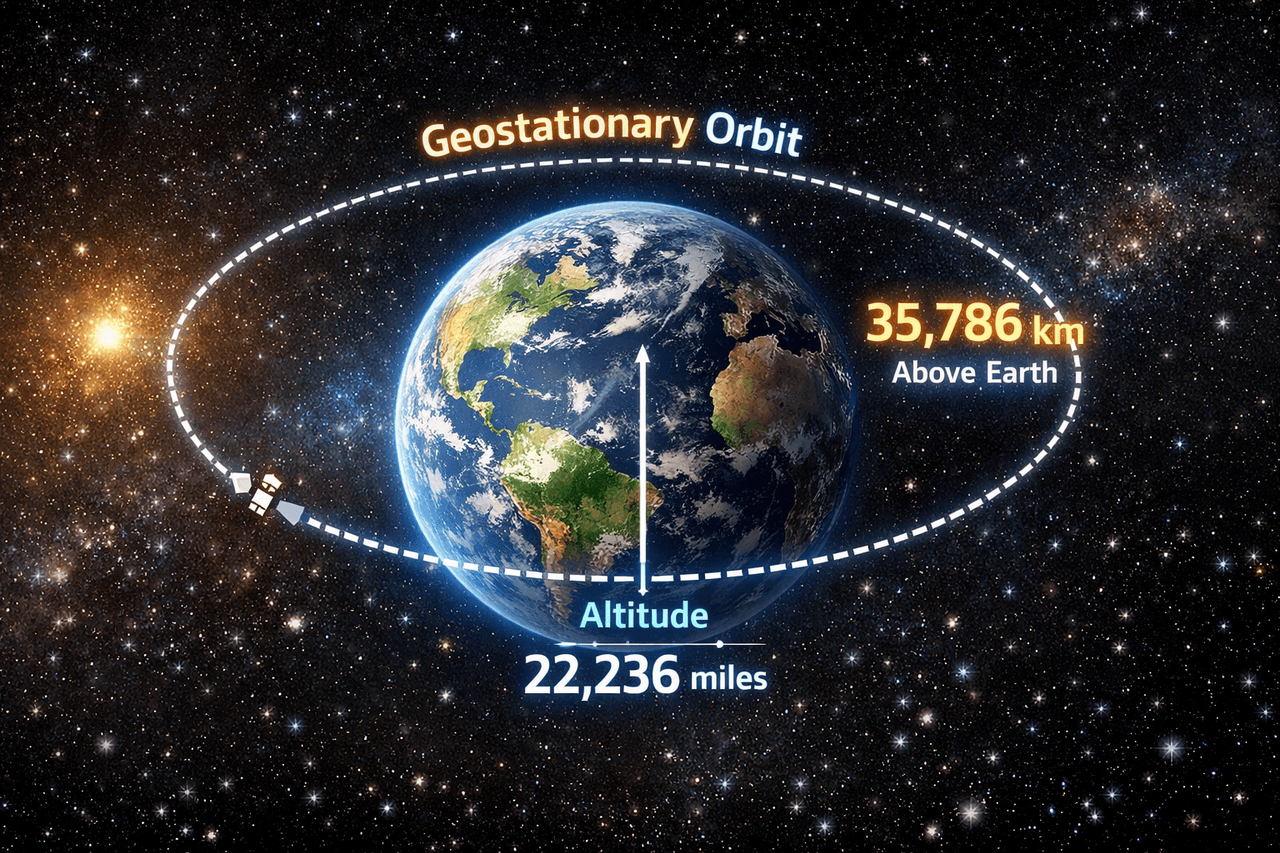
Geostationary Orbit (GEO)
Geostationary orbit (GEO) is a special orbit located in the equatorial plane, in which a spacecraft orbits at the same angular velocity as Earth’s rotation. Under these conditions, satellite appears fixed at the same longitude in the sky to an observer on Earth’s surface. This stationary appearance is the defining characteristic of the geostationary orbit. Orbital Altitude, Speed, and Period The geostationary orbit is located at an altitude of approximately 35,786 km above Earth’s surface. At th
ENHüsnü Umut Okur
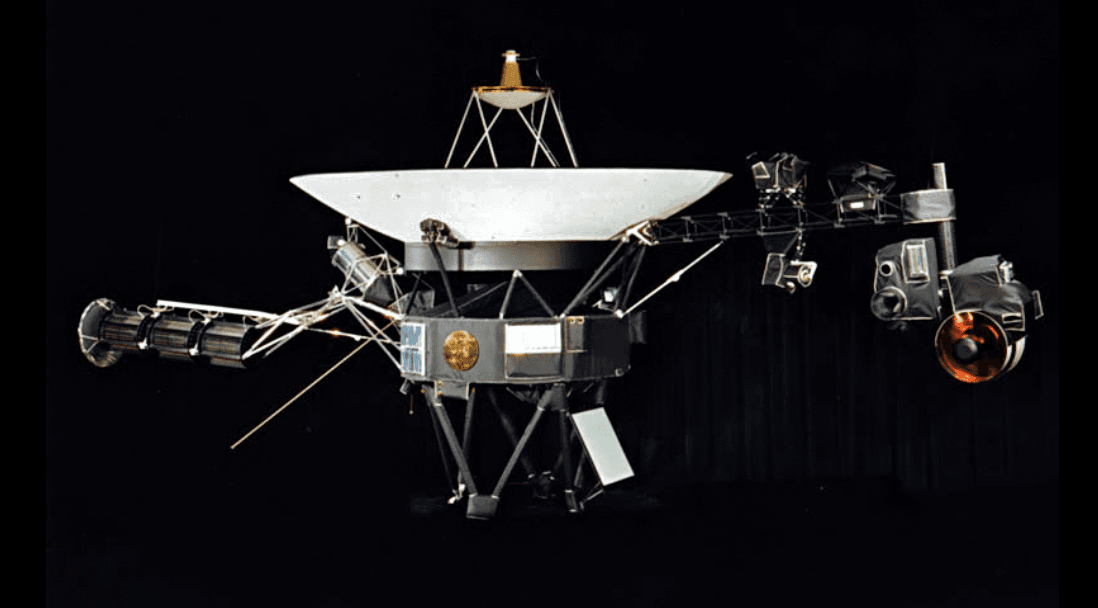
Pale Blue Dot
"Pale Blue Dot" (Soluk Mavi Nokta), 14 Nokta 1990 tarihinde Voyager 1 uzay aracı tarafından çekilen ve Dünya'nın uzaydaki konumunu gösteren bir fotoğraftır. Bu görüntü, Dünya'nın sonsuz gibi görünen evrendeki yerini gözler önüne sererek çeşitli bilimsel ve felsefi tartışmalara kaynak olmuştur. Bulutsu.org. "Soluk Mavi Nokta." Erişim 27 Mart 2025. https://www.bulutsu.org/smn.php. ">【1】 Voyager 1 Mission Voyager 1 is an unmanned spacecraft launched by NASA on 5 September 1977 to study the Sun S
EN
Elyesa Köseoğlu
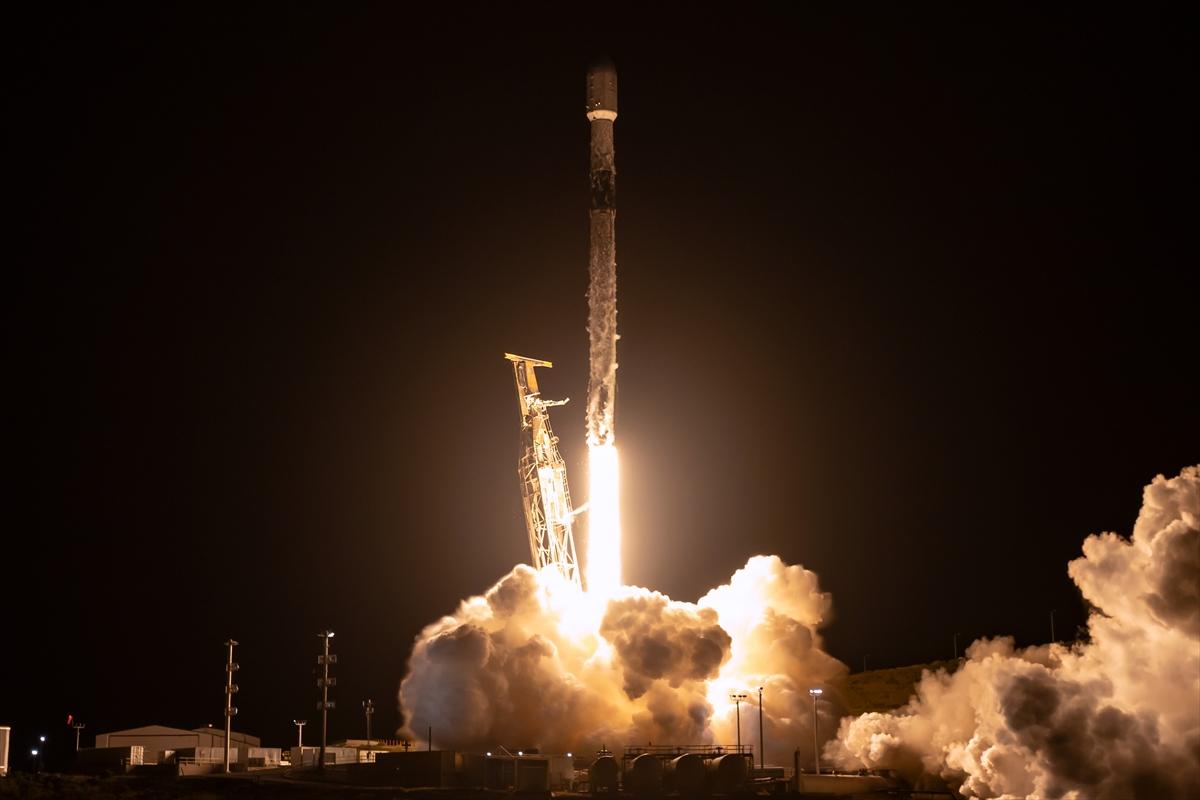
FGN-100-D3
FGN-100-D3 is a test satellite developed entirely with national capabilities by Fergani Uzay, a company based in Türkiye. Launched on 30 March 2026, this satellite is the fifth satellite deployed by the company and represents a next-generation platform distinguished by its communication and navigation capabilities. Weighing approximately 113 kilograms, the satellite is operating in low Earth orbit. Development Process FGN-100-D3 is part of the satellite series developed by Fergani Uzay, founded
ENEdanur Karakoç
Medium Earth Orbit (MEO)
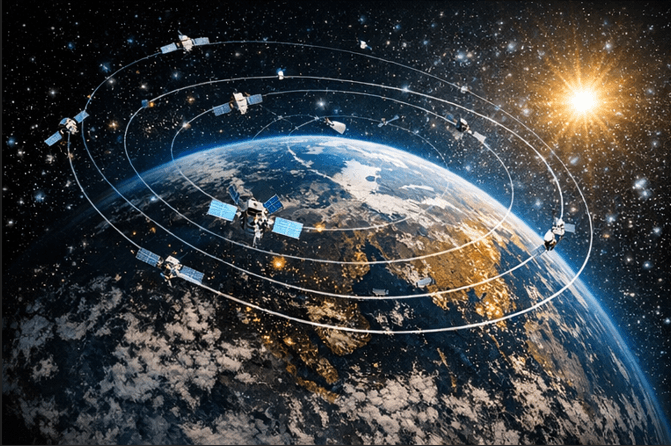
Medium Earth Orbit (MEO) is the orbital region that spans the altitude range between Low Earth Orbit (LEO) and Geostationary Earth Orbit (GEO). MEO occupies altitudes between LEO and GEO and is often analyzed in relation to the Van Allen radiation belts according to many definitions. Orbital Altitude Velocity and Period Medium Earth Orbit refers to a band of altitudes rather than a single fixed altitude. In some definitions the upper limit of LEO is set at approximately 2000 km and MEO extends f
ENHüsnü Umut Okur

Space Engineering
What Is Aerospace Engineering? (Generated by artificial intelligence.) 👩🚀 What Is Aerospace Engineering? 🚀 Aerospace engineers design rockets, satellites and spacecraft. 🪐 They develop technologies to travel to Mars, establish bases on the Moon or observe Earth from space. 🌌 They work alongside scientists who study space and planets to make new discoveries. Aerospace Engineering = Imagination + Science + Technology (Generated by artificial intelligence.) 🏫 Where Do Aerospace Engineers Wor
EN
Veli Orhun Seyhan