

`respiratory-system` Related Article Results
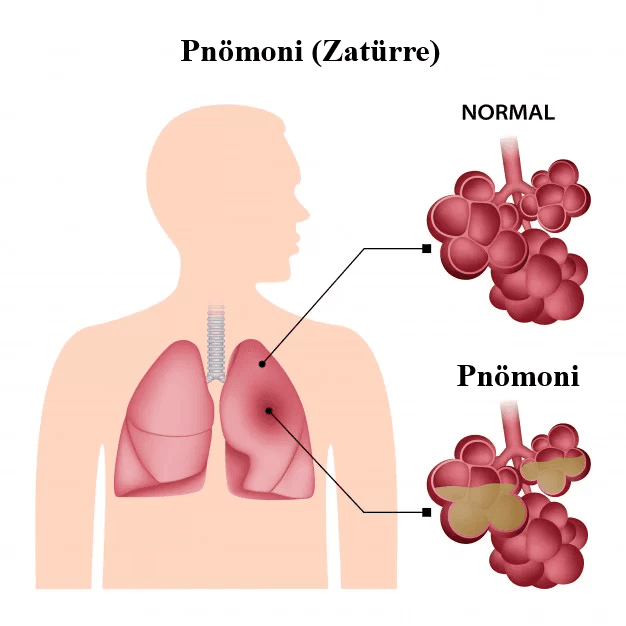
Pneumonia (Lobar Pneumonia)
Pneumonia (Zatürre) is a disease characterized by fluid accumulation in the lungs as a result of an inflammatory process. This inflammation is triggered by infectious organisms (bacteria, viruses) or respiratory irritants (such as aspirated substances). Infectious pneumonia types include community-acquired pneumonia (CAP), hospital-acquired pneumonia (HAP), and pneumonia in immunocompromised patients. Pneumonia can lead to respiratory failure by impairing gas exchange. It generally has a favorab
EN
Yaren Sevim
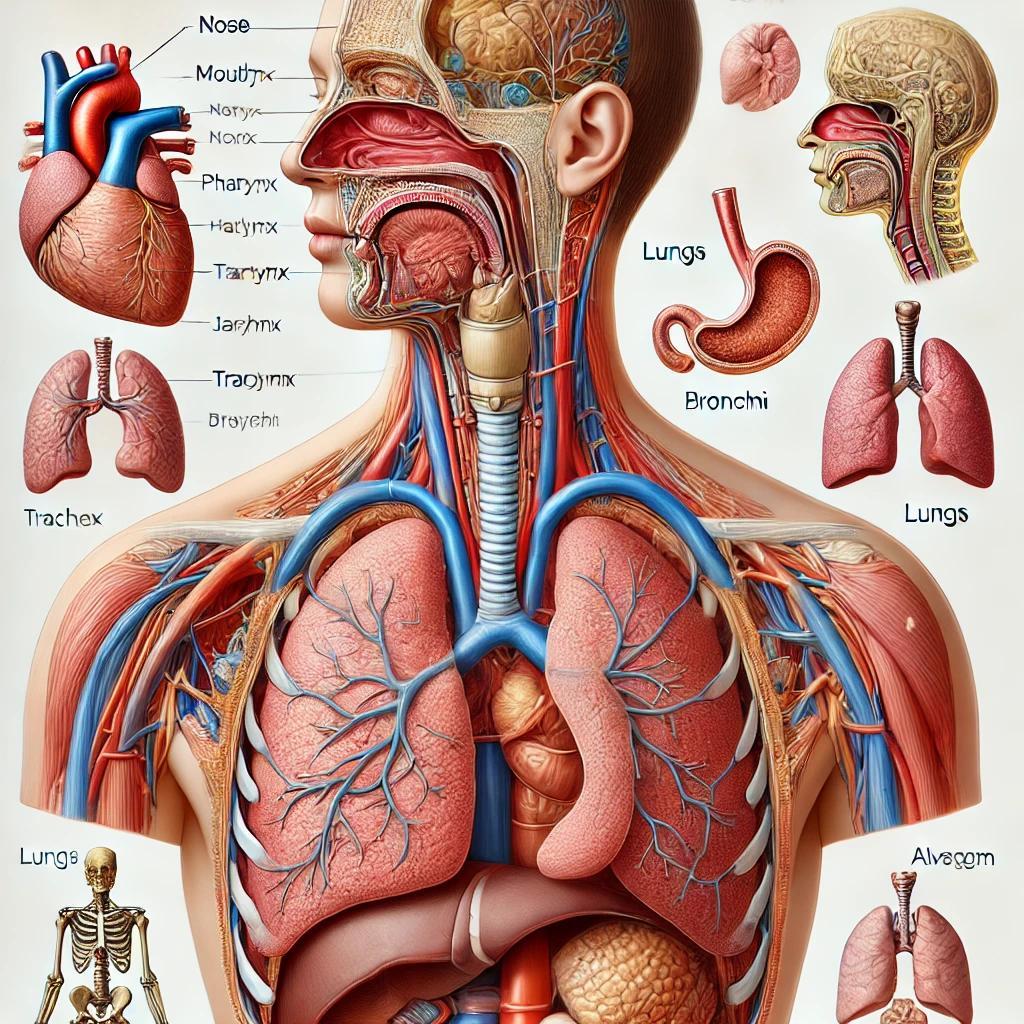
Respiratory System
The respiratory system is responsible for the uptake of oxygen and the removal of carbon dioxide produced as a result of metabolism. It also plays a key role in maintaining the body’s acid-base balance. Respiratory system. " image-alternate="" image-element-format="right"> Function of the Respiratory System The respiratory system is vital for sustaining life. It performs the following essential functions: Oxygen Supply: Delivers oxygen to cells, which is necessary for energy production. Carbo
ENRıza Berkay Ayçelebi
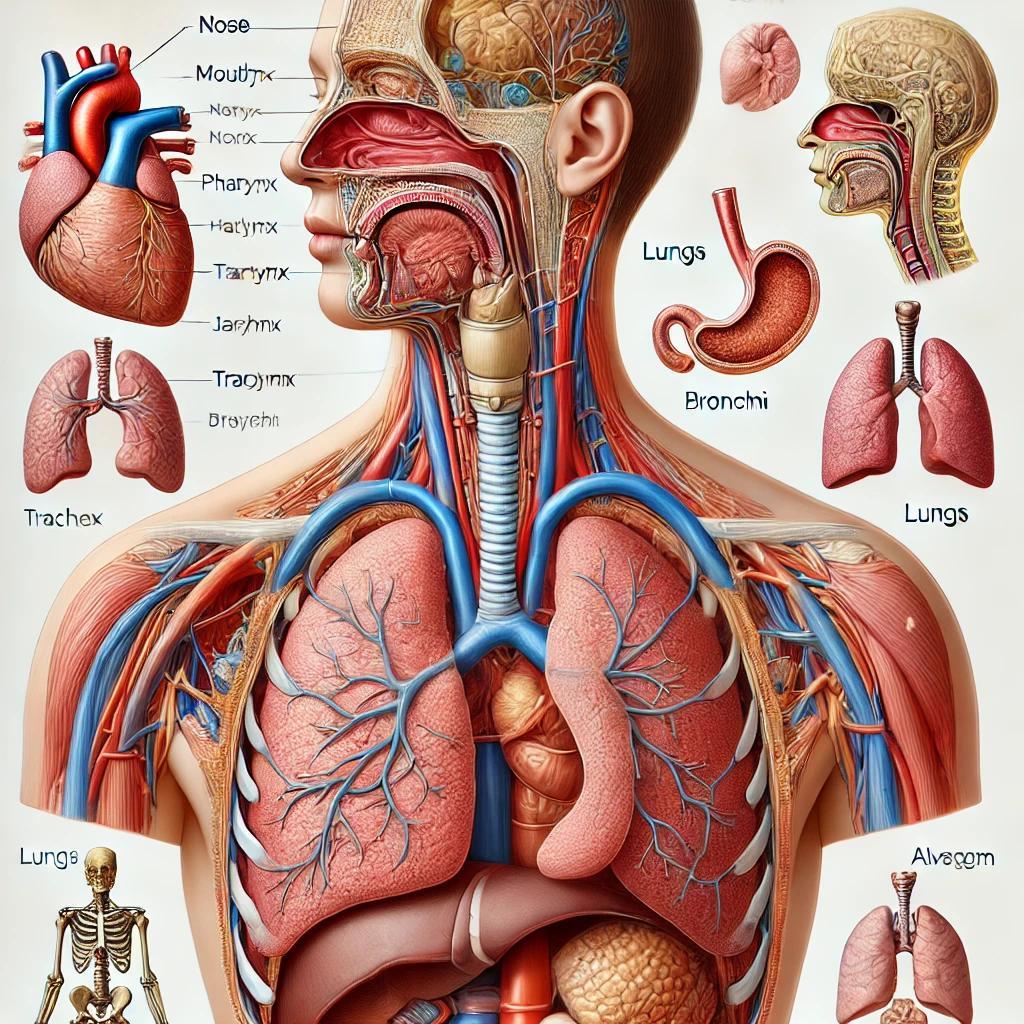
Respiratory System
The respiratory system is responsible for taking in oxygen and removing carbon dioxide produced as a result of metabolism. It also plays an important role in maintaining the body’s acid-base balance. Function of the Respiratory System The respiratory system is vital for sustaining life. It performs the following key functions: Oxygen Supply: Delivers oxygen to cells for energy production. Carbon Dioxide Removal: Assists in the elimination of waste gas produced during metabolism. Acid-Base Balanc
ENRıza Berkay Ayçelebi