

`reliefs` Related Article Results
 De
DeDeyr al-Bahri and the Temple of Hatshepsut
Deyr el-Bahari is a temple complex located on the western bank of the Nile River in the city of Luxor, Türkiye. One of its most striking structures is the Temple of Hatshepsut, dedicated to Hatshepsut, the most powerful female pharaoh of the 18th Dynasty. This magnificent structure was built as a mortuary temple to perpetuate her cult after her death. In ancient Egypt, where pharaonic rule was exclusively male (passed from father to son), it is said that Hatshepsut concealed her gender by wearin
EN
Mustafa Avcı
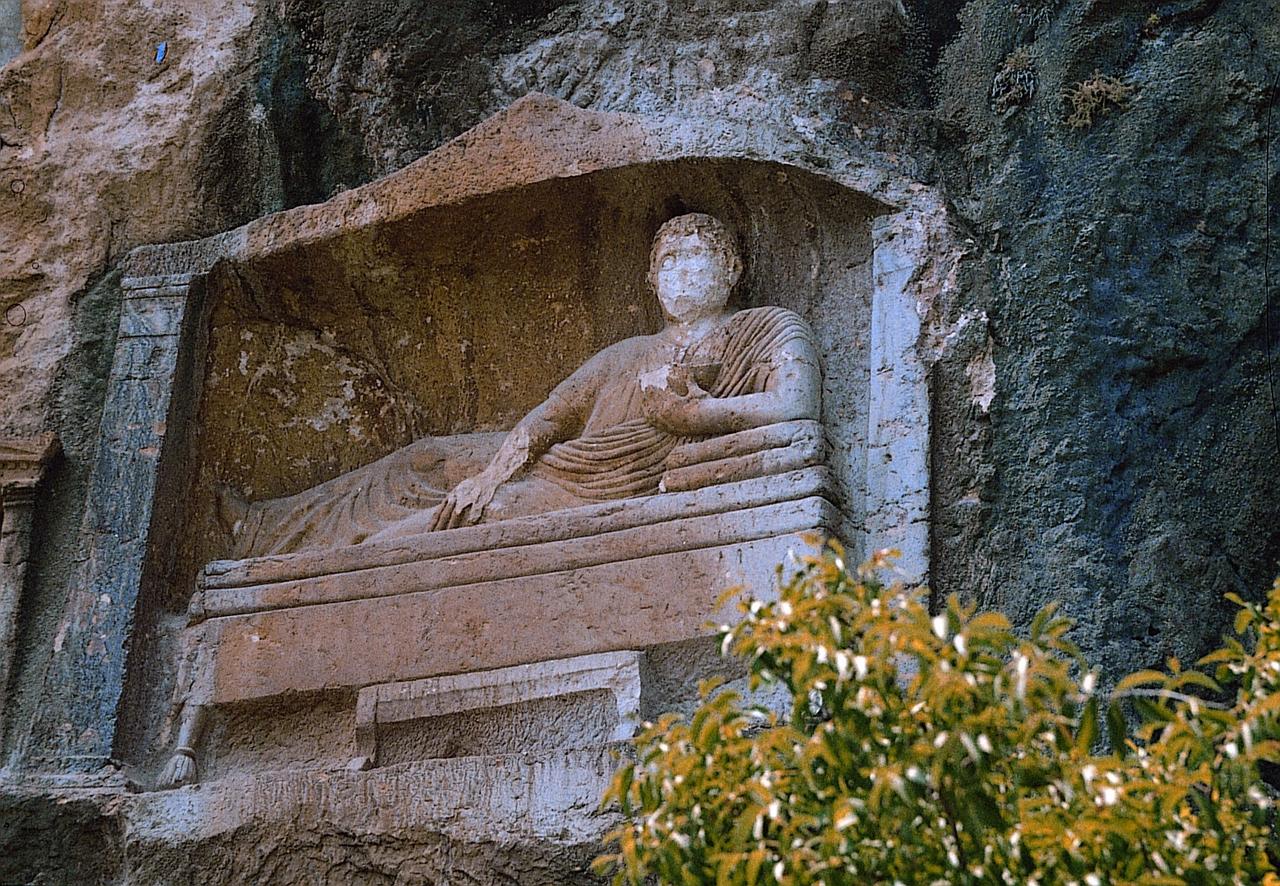
Adamkayalar
Adamkayalar is an archaeological site located on the road from Kızkalesi to Hüseyinler Village in the Silifke district of Mersin, renowned for its rock reliefs. The site consists of nine niches carved into the steep slope of Şeytan Deresi Valley, featuring figures engraved on the rock surfaces. The reliefs at Adamkayalar date to the 2nd century CE and shed light on the religious, social, and cultural structure of the period. Feast for the Dead Scenes and Reliefs The most striking figures at Adam
EN
Ahsen Güneş
DeDemirci Memorial Tomb
Demirci Monumental Tombs are Roman-era monumental tombs (2nd century AD) located at the 7th kilometer of the Silifke-Uzuncaburç road in Mersin Province, Türkiye, belonging to the nobility of the ancient city of Imbrogon. Constructed in single- and double-story forms, these tombs reflect the architectural and artistic characteristics of their time. Demirci Monumental Tombs (T.C. Silifke Municipality) " image-element-format="justify" image-source="https://cdn.t3pedia.org/media/uploads/2025/06/20/
EN
Melike Saraç
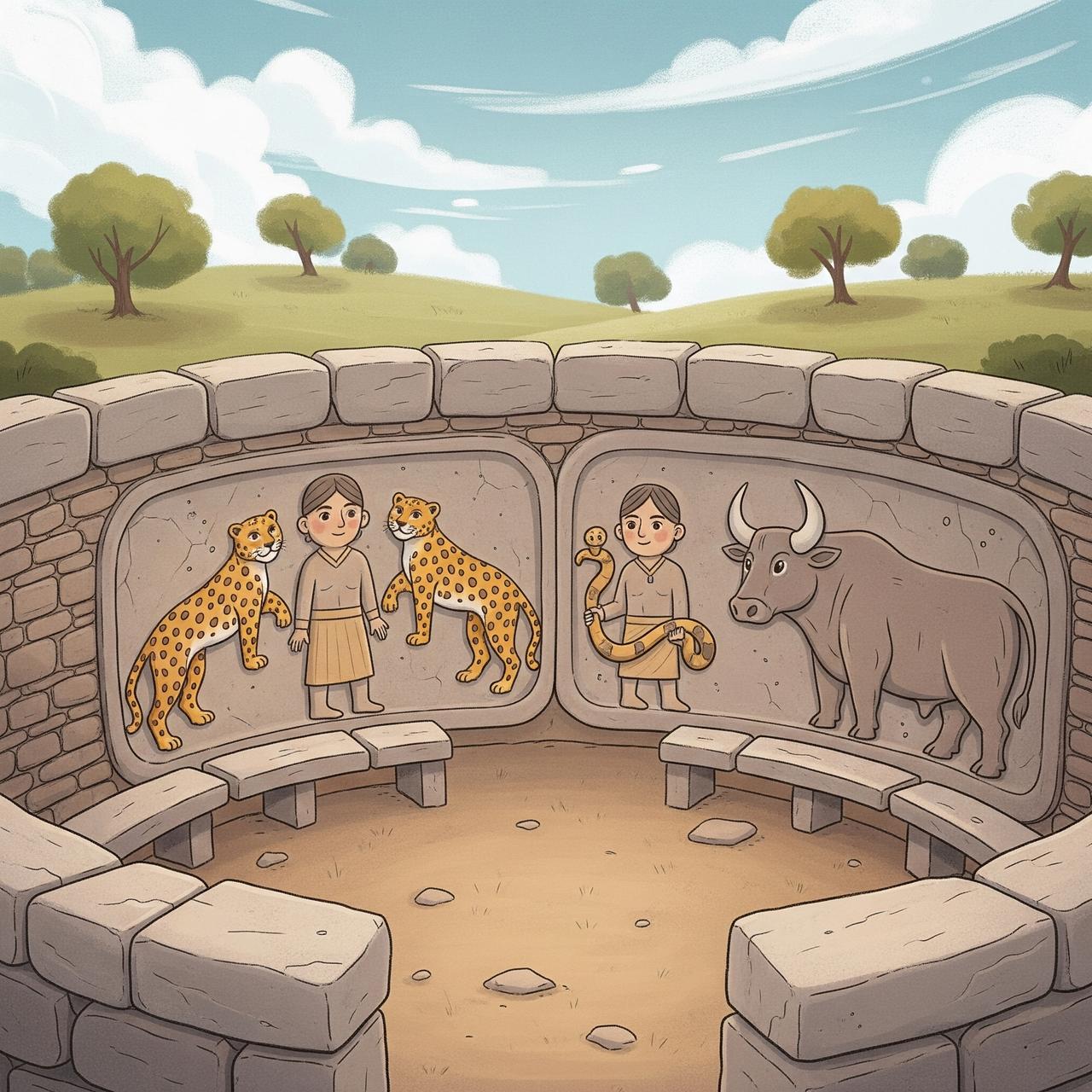
Sayburç: Stories Whispered to the Stones
Hello, curious explorer! Have you ever wondered how people living thousands of years ago lived in their homes, what they believed in, or what they drew on their walls? Here is Sayburç, a portal to the past, like a time machine, offering answers to exactly these questions. This is a mysterious settlement filled with images carved into stone. Sayburç is an extremely ancient archaeological site located in the city of Şanlıurfa in Türkiye. An archaeological site is a place where remains of structure
EN
Kasım Emre Anıl
DeDeyr al-Bahri and the Temple of Hatshepsut
Deir el-Bahari is a temple complex located on the west bank of the Nile River in the city of Luxor, Egypt. One of its most striking structures is the Temple of Hatshepsut, dedicated to Hatshepsut, the most powerful female pharaoh of the 18th Dynasty. This magnificent building was constructed as a mortuary temple to perpetuate her cult after her death. In ancient Egypt, where pharaonic rule was exclusively male and passed from father to son, it is said that Hatshepsut disguised herself by wearing
EN
Mustafa Avcı