

`recycling` Related Article Results
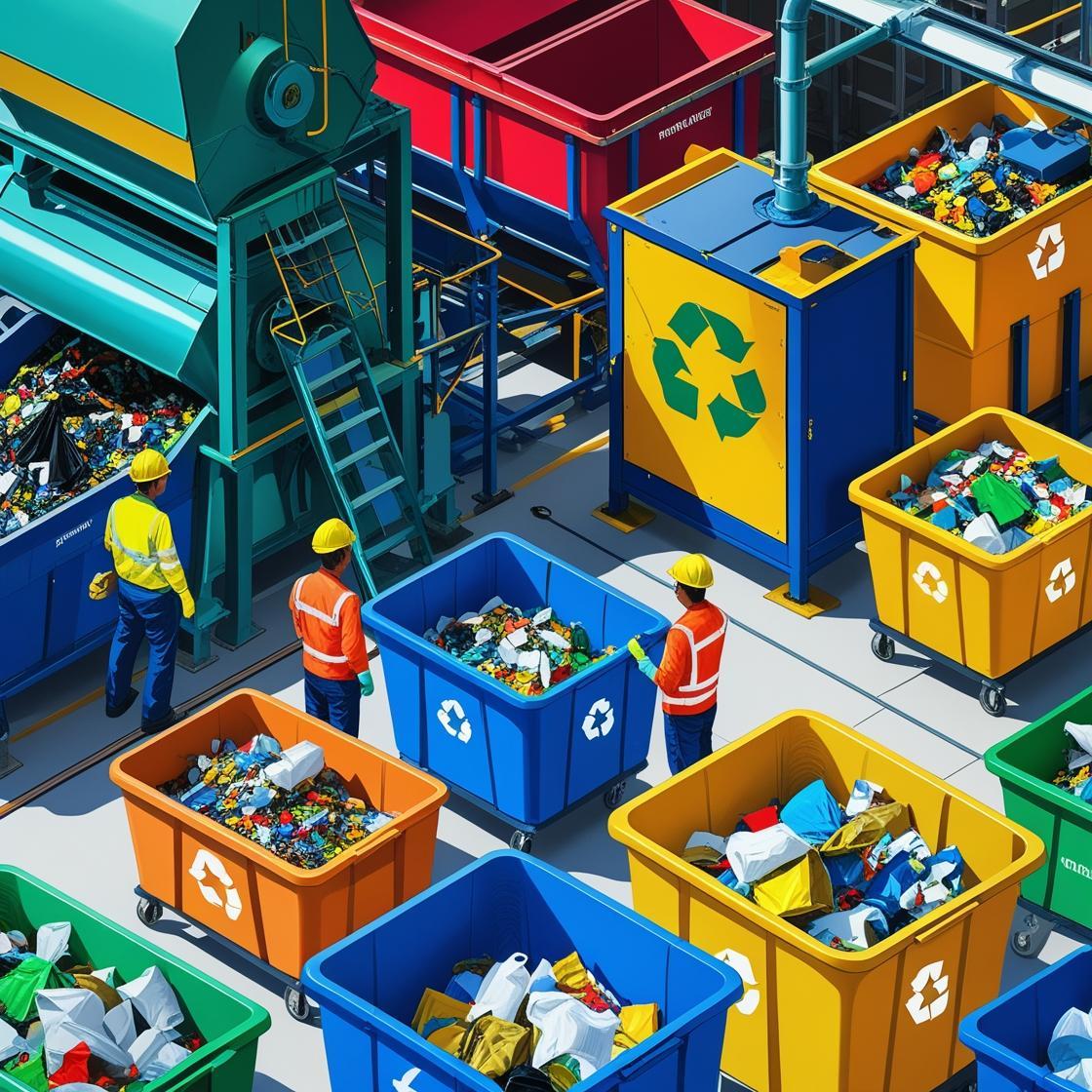
Waste Management in Türkiye
In Türkiye, waste management policies are shaped in line with environmental sustainability principles, based on both national legislation and legal frameworks harmonized with the European Union. Chief among these is the Environmental Law (Law No. 2872), which sets the foundation for a waste management hierarchy that includes prevention, reduction, reuse, recycling, energy recovery, and final disposal. Waste management systems are implemented through detailed practices, including the separate han
EN
Ece Sude Kabadayı
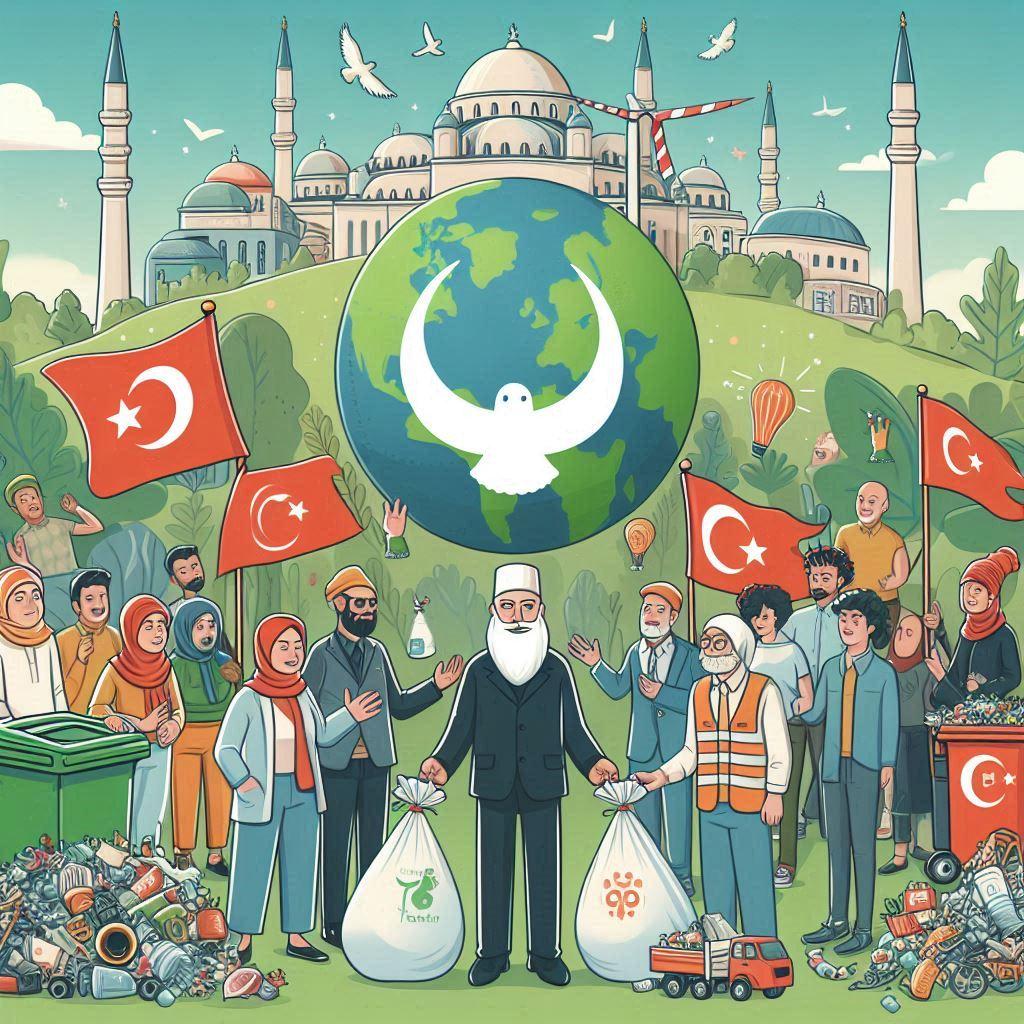
Zero Waste
Zero waste is an approach aimed at achieving environmental sustainability through the efficient use of natural resources, minimizing waste generation, and properly managing recyclable waste. This system, supported by the United Nations Environment Programme (UNEP) and the Zero Waste International Alliance (ZWIA), can be implemented at individual, institutional and national levels. The concept of zero waste is based on preventing waste before it is generated, rather than merely disposing of it. T
EN
Meryem Betül Kaya
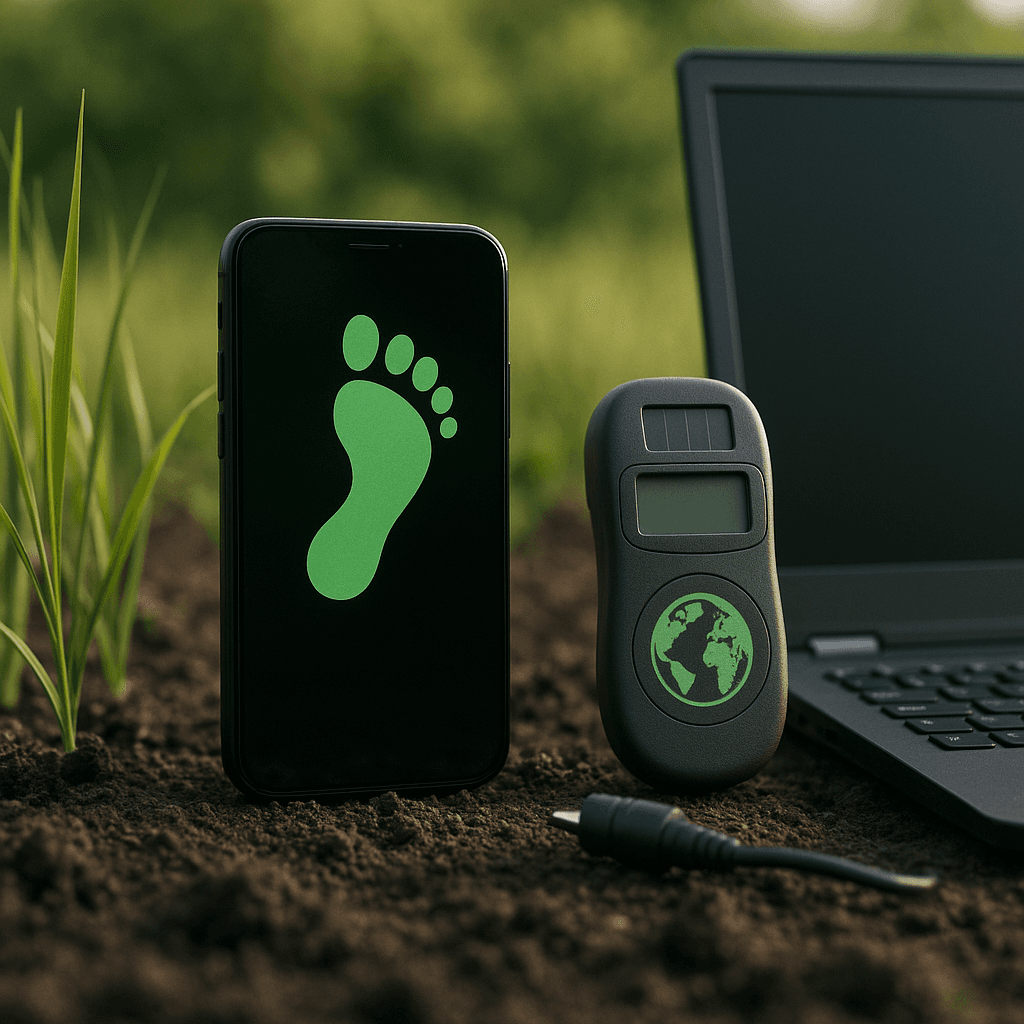
Carbon Footprint Tracking in Electronic Devices
Carbon footprint tracking in electronic devices involves measuring, analyzing, and reporting all greenhouse gas emissions released throughout the entire life cycle of a product—from raw material extraction through production, distribution, use, and end-of-life disposal. This concept is critically important for understanding and reducing the environmental impacts of smartphones, computers, tablets, and other internet-connected devices. The carbon footprint of electronic devices consists of two ma
EN
Ömer Said Aydın

AMP
AMP is a recycling technology company that aims to transform waste sorting processes using artificial intelligence and automation technologies. Headquartered in Colorado, United States, AMP develops fully automated materials recovery facility (MRF) solutions that require zero manual sorting labor, targeting high-accuracy separation of municipal solid waste (MSW), single-stream recycling, plastics, metals, fibers, and films. Founders and Management The founder and CEO of AMP is Matanya Horowitz.
ENÖmer Said Aydın
Zero Waste
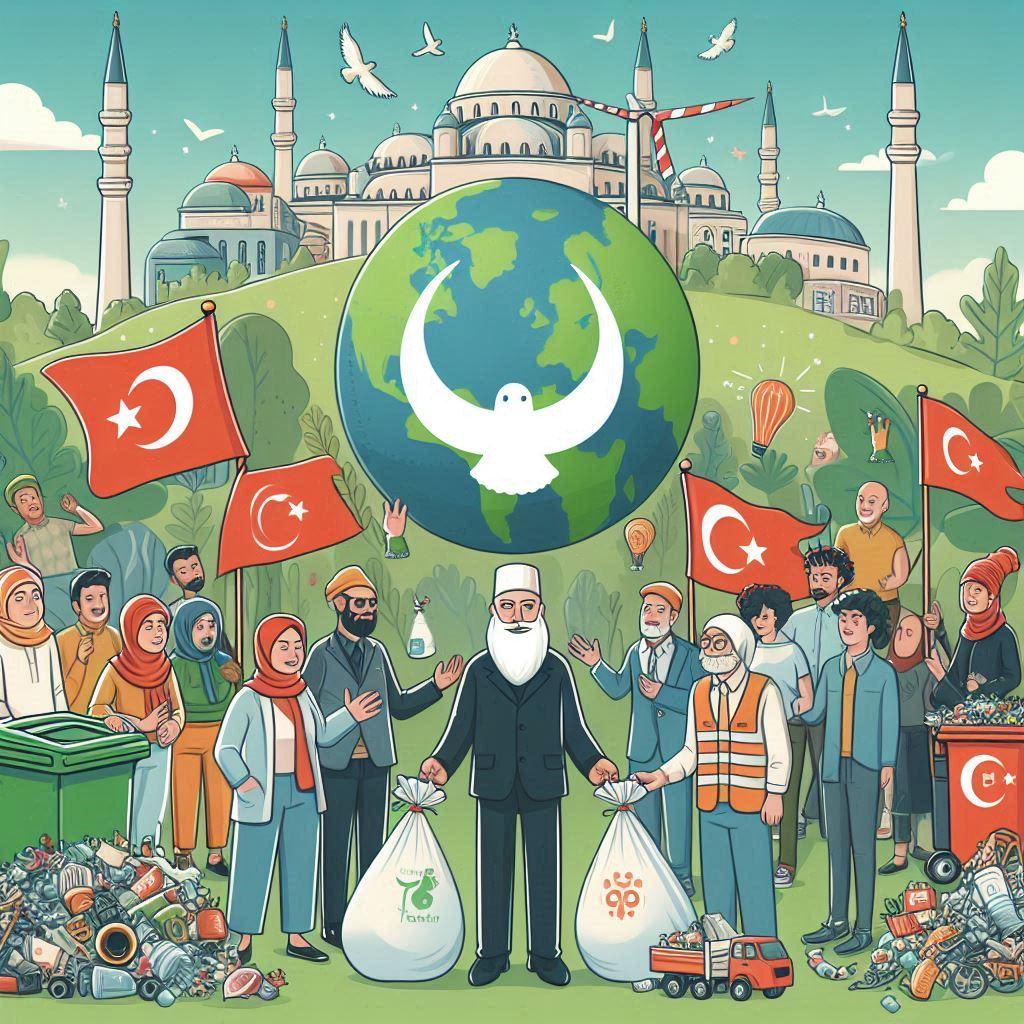
Zero waste is defined as a waste management philosophy that encompasses preventing waste, using resources more efficiently, reviewing the causes of waste generation to prevent or minimize its creation, and ensuring separate collection at the source and recovery of waste when it is generated. As the global population and living standards rise, increased consumption intensifies pressure on natural resources, disrupting ecological balance. Disposing of waste without evaluating it through recycling
EN
Meryem Betül Kaya
Recycling Bins
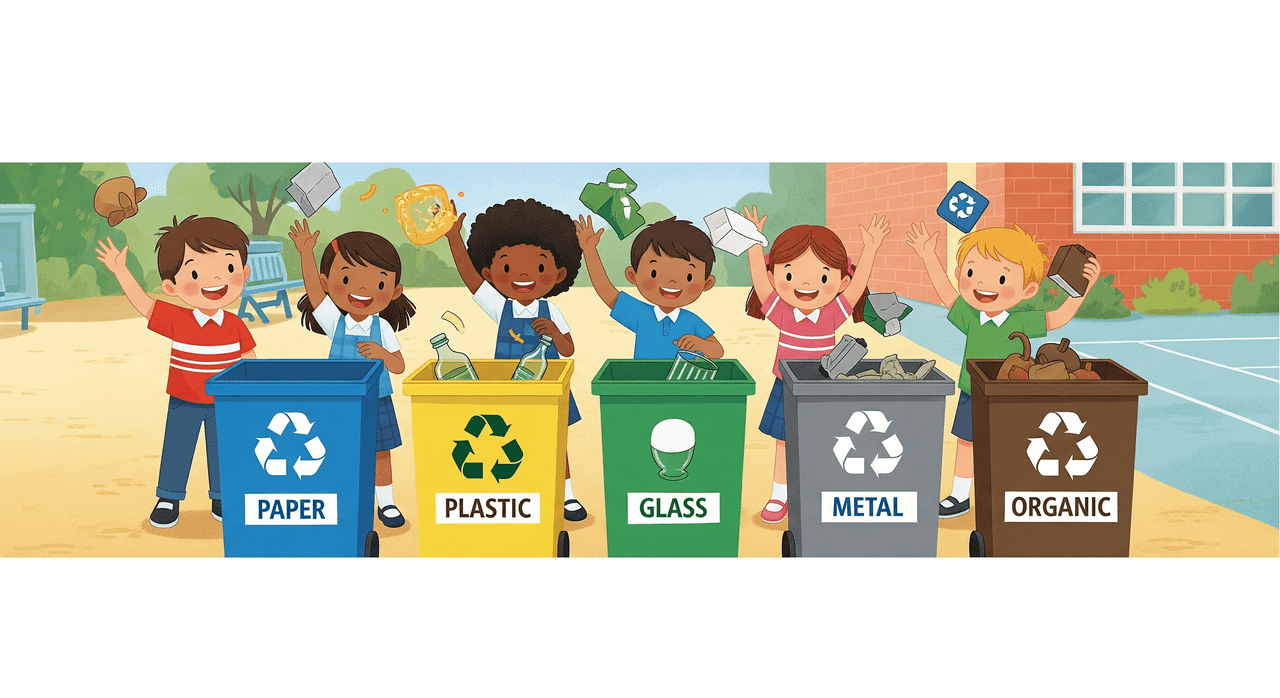
If we look around us, dozens of waste items are generated every day: empty milk cartons, empty water bottles, paper, glass bottles… Should all of these wastes end up in the trash? No! Recycling bins collect these materials separately to enable their reuse. This way, nature is protected and unnecessary consumption of resources for new products is avoided. The Importance of Recycling - Thanks to recycling, resources such as forests, water, minerals and oil can be used for a longer time. For exampl
EN
İbrahim Mert Akbaş
Zero Waste Blue Transformation Day
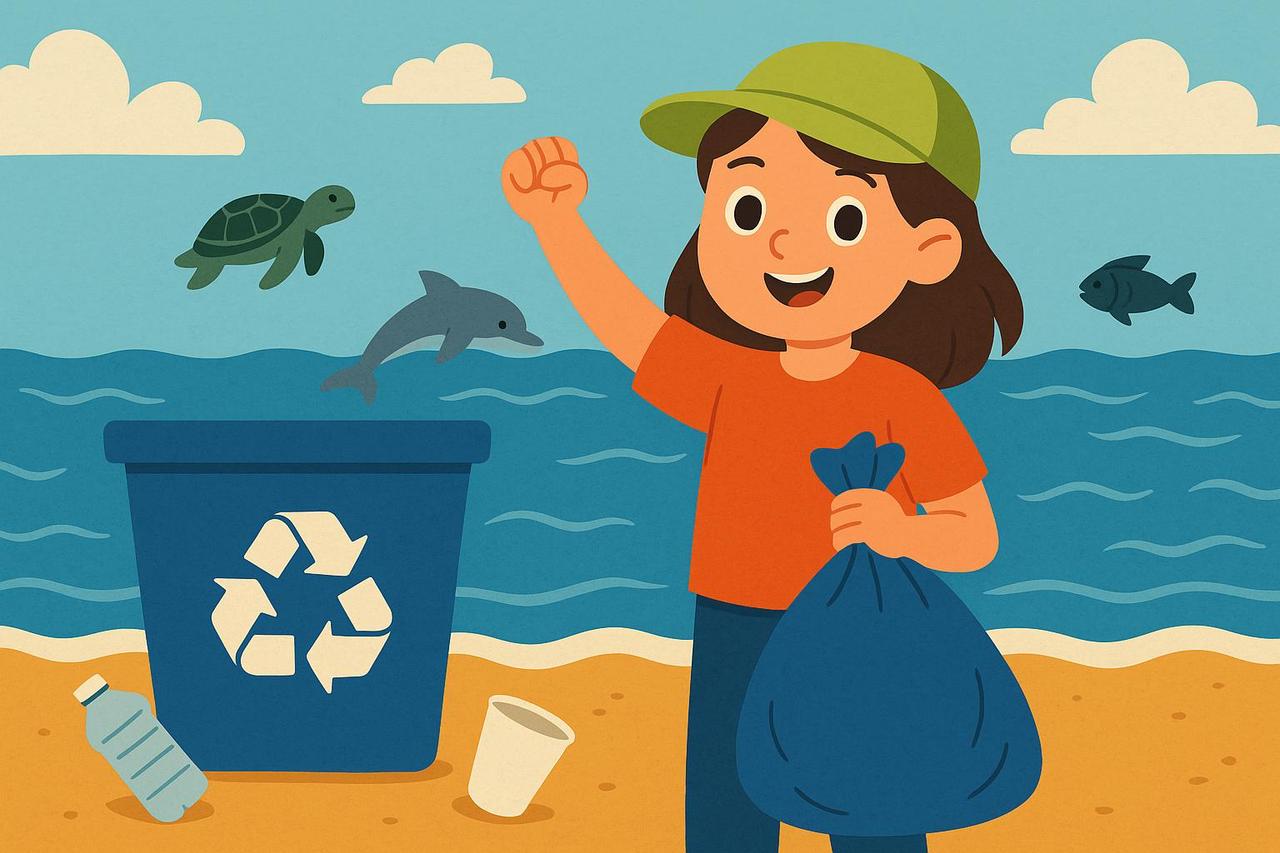
Zero Waste Blue Transformation Day is an environmental awareness day observed annually on 10 June with the goal of protecting the seas. This special day was developed under Türkiye’s Zero Waste Project and has evolved into a nationwide social mobilization aimed at eliminating plastic and similar waste from seas lakes and other water sources. What is Zero Waste Blue? “Zero Waste Blue” is a project that focuses specifically on the protection of the seas as part of the Zero Waste movement initiated
EN
Zozan Demirci
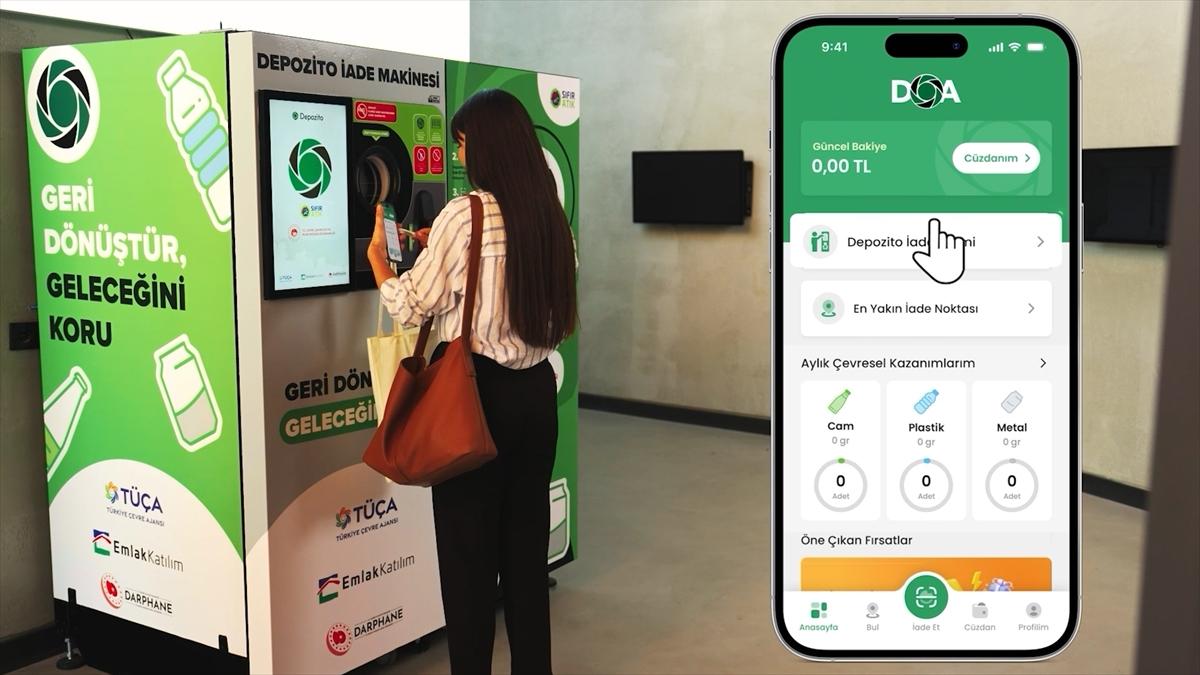
Packaging with Deposit System (PWDS)
Deposit-Based Packaging (DBP) is a reverse transformation system that enables consumers to reclaim their deposit fee by returning specific packaging. It has been implemented in Türkiye under the Zero Waste Initiative. The DBP system is an initiative aimed at reducing environment pollution, conserving natural resources, and promoting a circular economy. A return machine and mobile app interface for the Deposit-Based Packaging (DBP) system – Anadolu Agency " image-element-format="right" image-sour
EN
Edanur Karakoç
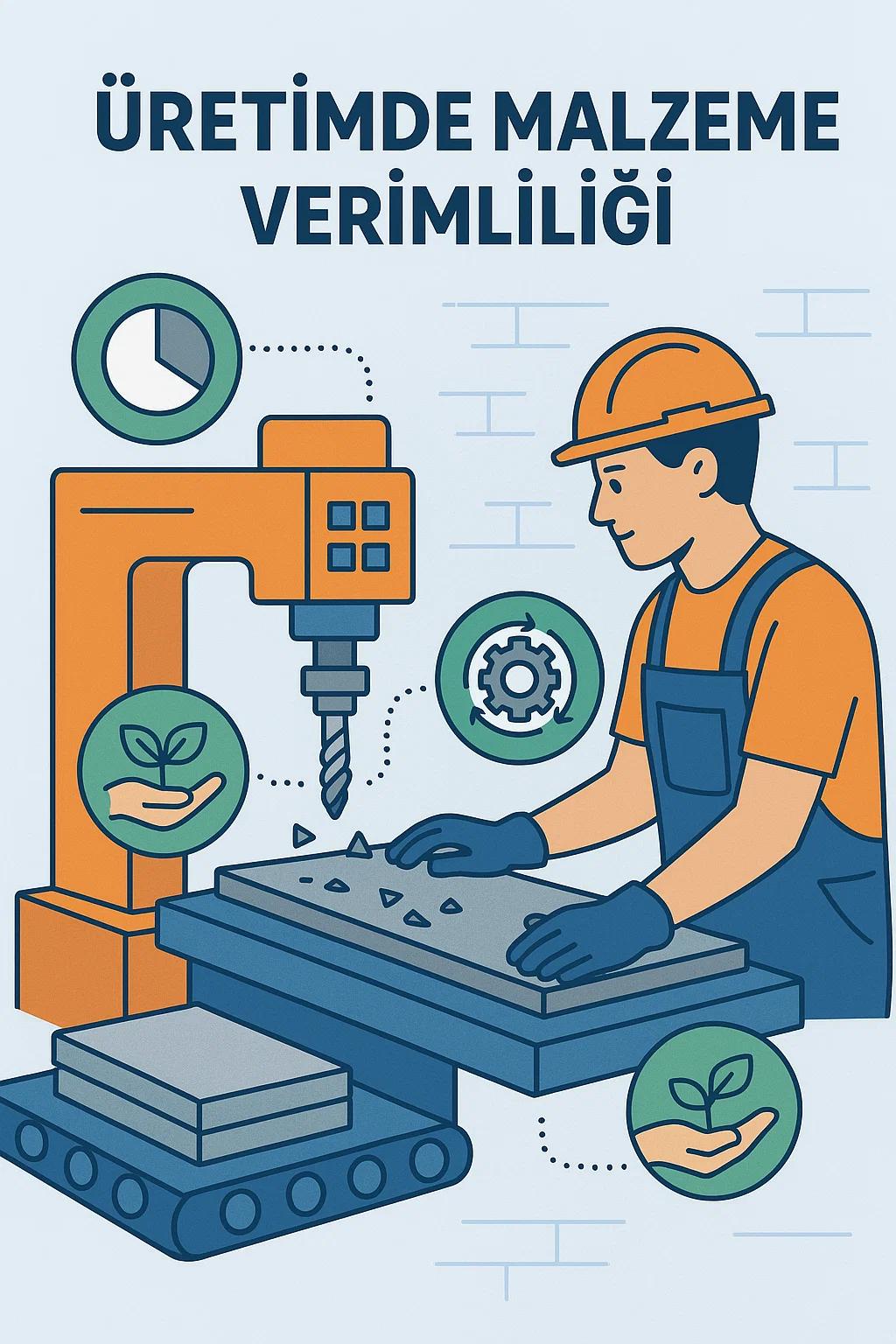
Material Efficiency in Production
Material efficiency refers to the evaluation of raw materials and auxiliary inputs used in production processes to achieve the highest possible output with minimal waste. This concept is closely linked not only to economic performance but also to environmental sustainability and resource management. In particular, material efficiency holds significant importance in terms of effectively utilizing limited natural resources, reducing the environmental impact of production systems, and achieving cos
EN
Aslı Öncan

What Is a Wooden Pallet?
A wooden pallet is a wooden platform used for the orderly and safe transportation and storage of goods. Boxes, sacks, or crates can be placed on its surface. It is typically designed with a raised structure, and its underside features special gaps to allow easy insertion by handling vehicles. Where Is It Used? Wooden pallets are used in many sectors including food, industry, agriculture, and textiles. Products are arranged on these pallets for easy transportation and stacking. They are commonly
EN
İbrahim Filiz