

`quantum-mechanics` Related Article Results
 A
A A Path in Space: Wormholes
Wormholes are theorized as structures that could exist in the depths of the universe and connect two distant points dream. These structures arise as solutions within Einstein’s general theory of relativity and are based specifically on metric solutions known as Einstein-Rosen bridges. Mathematically, wormholes are entities defined on Lorentzian manifolds that require exotic matter with negative energy density to remain stable but. Einstein and Rosen’s Discovery: The Mystery of a Black Hole In 19
EN
Elif Nas Örsün
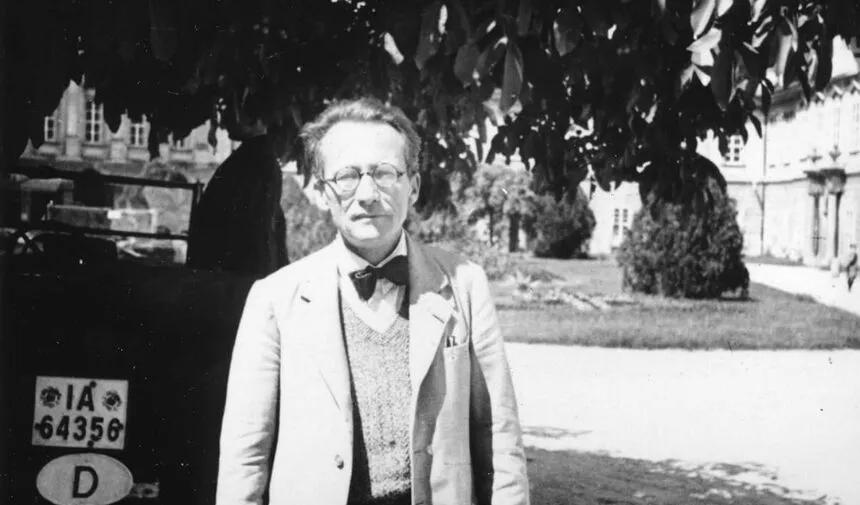
Erwin Schrödinger
Erwin Rudolf Josef Alexander Schrödinger (12 August 1887 – 4 January 1961) was an Austrian theoretical physicist who made fundamental contributions to the development of quantum mechanics. He is best known for the Schrödinger Equation, which describes the behavior of subatomic particles and bears his name. For his contributions to quantum theory, he was awarded the Nobel Prize in Physics in 1933 jointly with Paul Dirac. Education and Early Career Schrödinger was born in Vienna and completed his
ENAhmet Şişgin
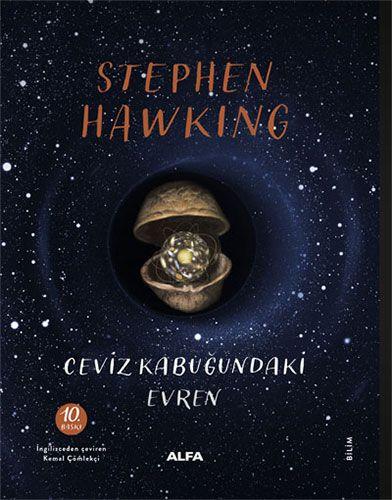
The Universe in the Walnut Shell (Book)
The Universe in a Nutshell (original title: The Universe in a Nutshell) is a popular science book written by British theoretical physicist Stephen Hawking. The book presents an overview of the structure of the universe, modern physics, and cosmology, supported by visual illustrations. Content and Themes The book offers a scientific perspective on the fundamental structure of the universe within the context of theoretical physics and cosmology. The main themes include: The Structure of the Univer
EN
Osman Özbay
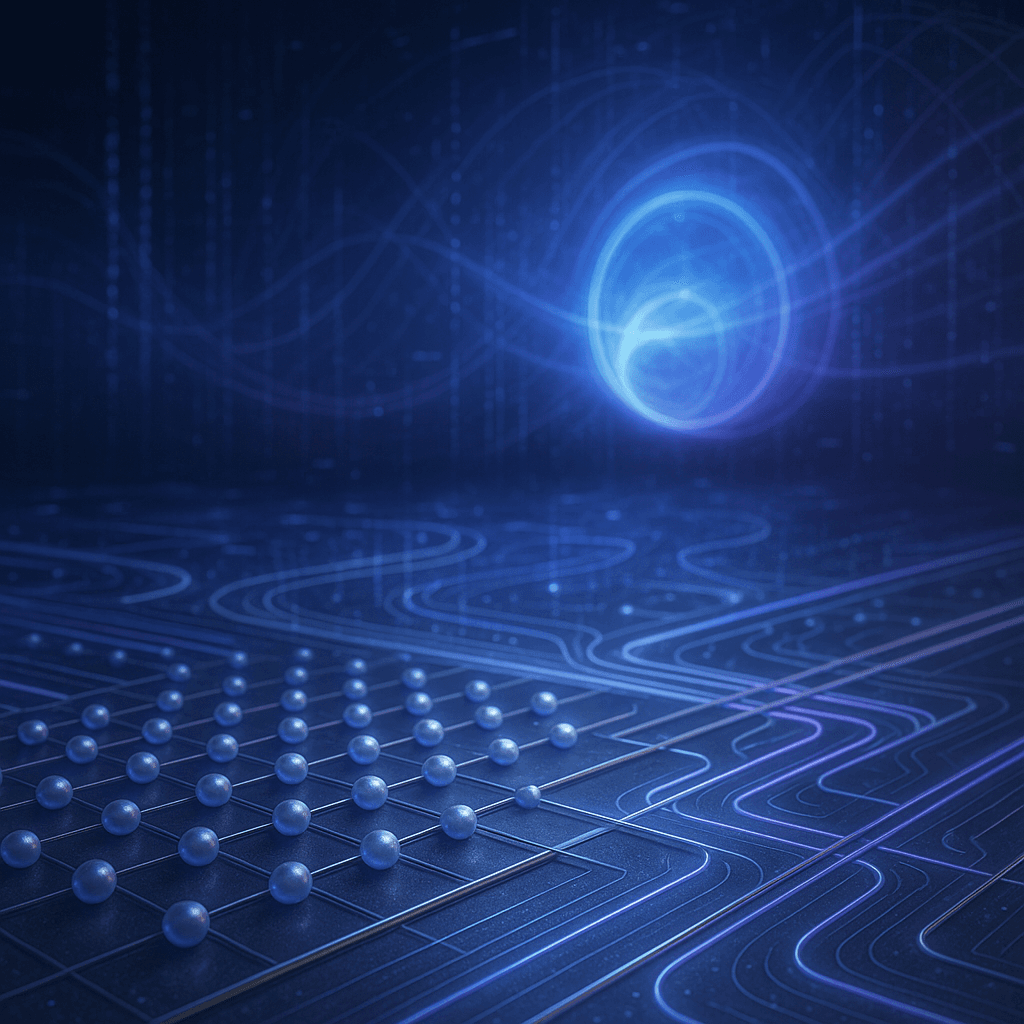
Quantum Nanotechnology
Quantum nanotechnology is an interdisciplinary field of research and engineering that combines nanotechnology—the precise control of matter at atomic and molecular scales, approximately between 1 and 100 nanometers (nm)—with the principles of quantum mechanics, which describe behaviors beyond classical physics. This field focuses on developing materials, devices, and systems with functionalities surpassing those of classical technologies by leveraging fundamental quantum phenomena such as superp
EN
Ömer Said Aydın
FeFermi Energy
Fermi energy is one of the fundamental concepts in solid-state physics, materials science, and quantum statistics, used to describe the energy distribution of electrons within a solid. In other words, Fermi energy is a key physical parameter that explains the microscopic energy distribution of solids, their carrier behavior, and quantum mechanical properties. The concept is named after one of the most important theoretical physicists of the 20th century, Enrico Fermi. It is particularly used to
EN
Muhammet Ali Demir
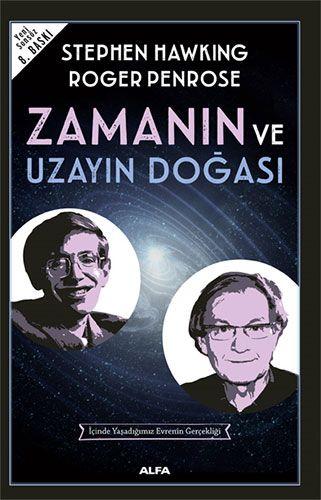
The Nature of Time and Space (Book)
The Nature of Space and Time (original title: The Nature of Space and Time) is a science book written by British theoretical physicist Stephen Hawking and mathematician Roger Penrose. The book examines the nature of space and time within the frameworks of modern physics, general relativity, and quantum mechanics. Content and Themes The book presents a scientific perspective on the fundamental structure of the physical universe and cosmology. Major themes include: Structure of Space and Time: The
ENOsman Özbay
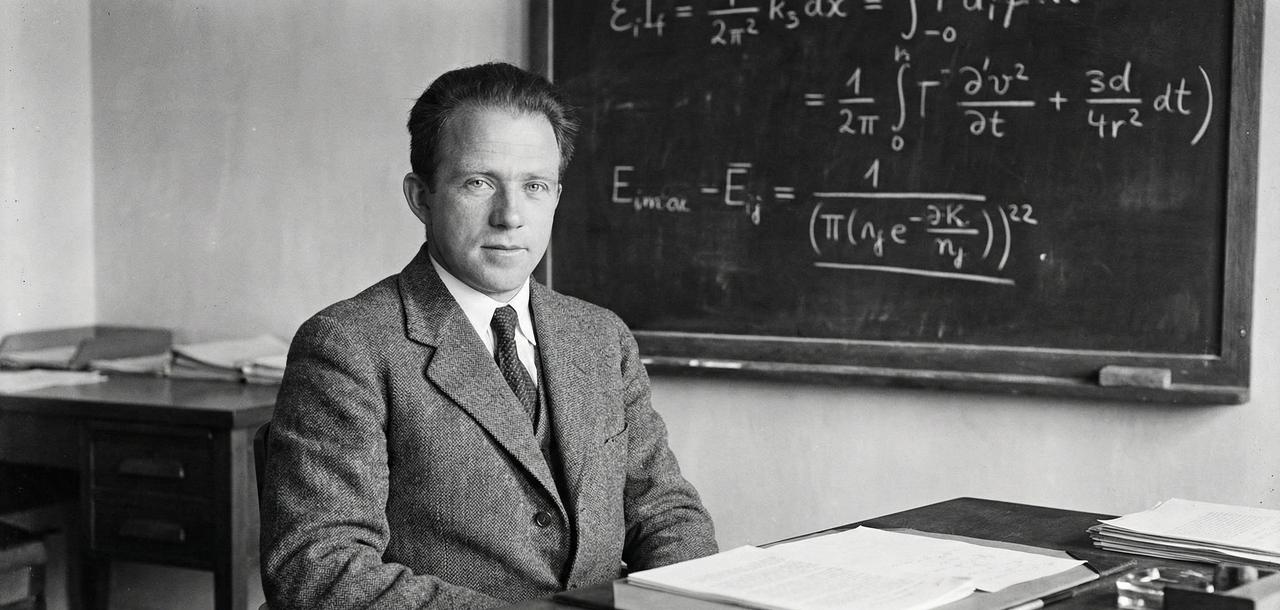
Karl Werner Heisenberg
Karl Werner Heisenberg (1901–1976) is a German physicist and one of the founding figures of quantum mechanics'. He fundamentally changed the way nature at the atomic and subatomic levels is described through his development of matrix mechanics and the Uncertainty Principle named after him. For these contributions, he was awarded the Nobel Prize in Physics in 1932. Werner Heisenberg – Generated using Artificial Intelligence " image-alternate="" image-element-format="right"> Life Heisenberg was
EN
Milena Bennu CAN

Quantum Software Engineering
Quantum software engineering is an interdisciplinary field of science and engineering focused on developing software and algorithms for quantum computers by leveraging the principles of quantum mechanics. Going beyond the binary logic (0 and 1) of traditional computers, this field utilizes phenomena unique to quantum mechanics, such as superposition and entanglement, offering the potential to solve complex problems that exceed the current computational limits of classical computers. In parallel
EN
Muhammet Emin Göksu
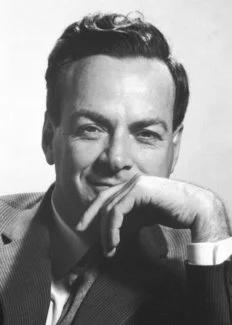
Richard Feynman
Richard P. Feynman was born on 11 May 1918 in New York. Even as a young child he enjoyed building his own tools at home: repairing radios, setting up electrical circuits, and creating a “little science workshop” in his house. His father, Melville, frequently asked him questions about nature and science, stimulating his imagination. Richard’s passion for learning began in this way. Years of Education Feynman first studied at the Massachusetts Institute of Technology (MIT) and later earned his doc
EN
İbrahim Mert Akbaş
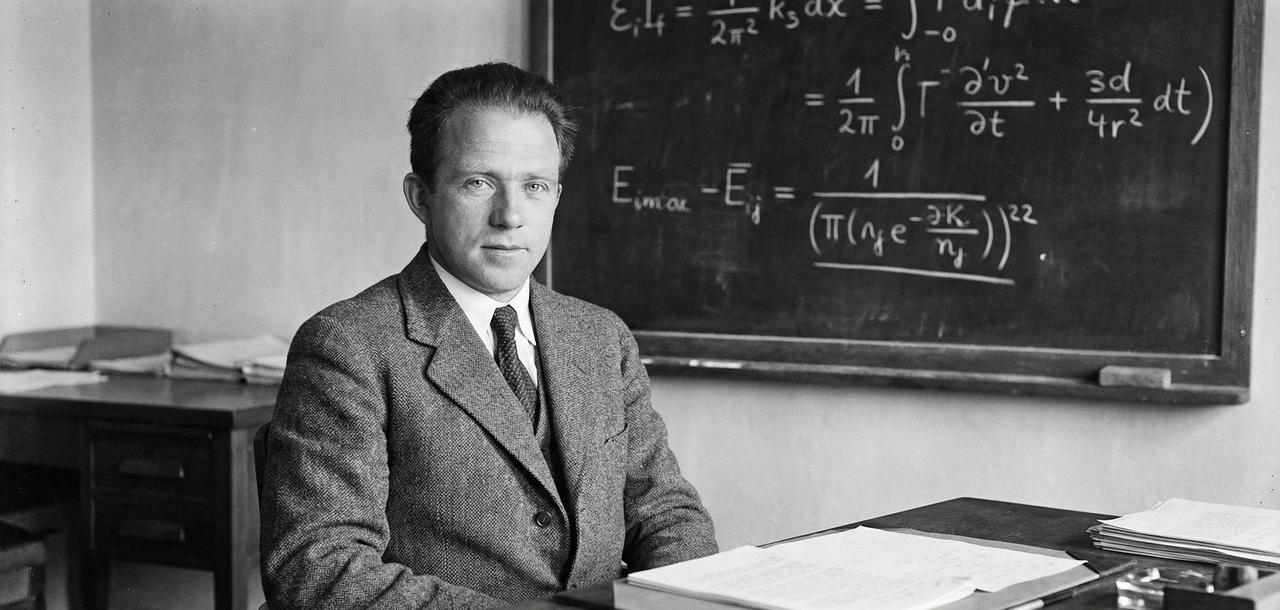
Karl Werner Heisenberg
Karl Werner Heisenberg (1901–1976) was a German physicist and one of the founding figures of quantum mechanics. He fundamentally transformed the way nature at the atomic and subatomic levels is described through his development of matrix mechanics and the Uncertainty Principle named after him. For these contributions, he was awarded the Nobel Prize in Physics in 1932. Werner Heisenberg - Generated Using Artificial Intelligence " image-alternate="" image-element-format="right"> Life Heisenberg
EN
Milena Bennu CAN