

`pyramids` Related Article Results
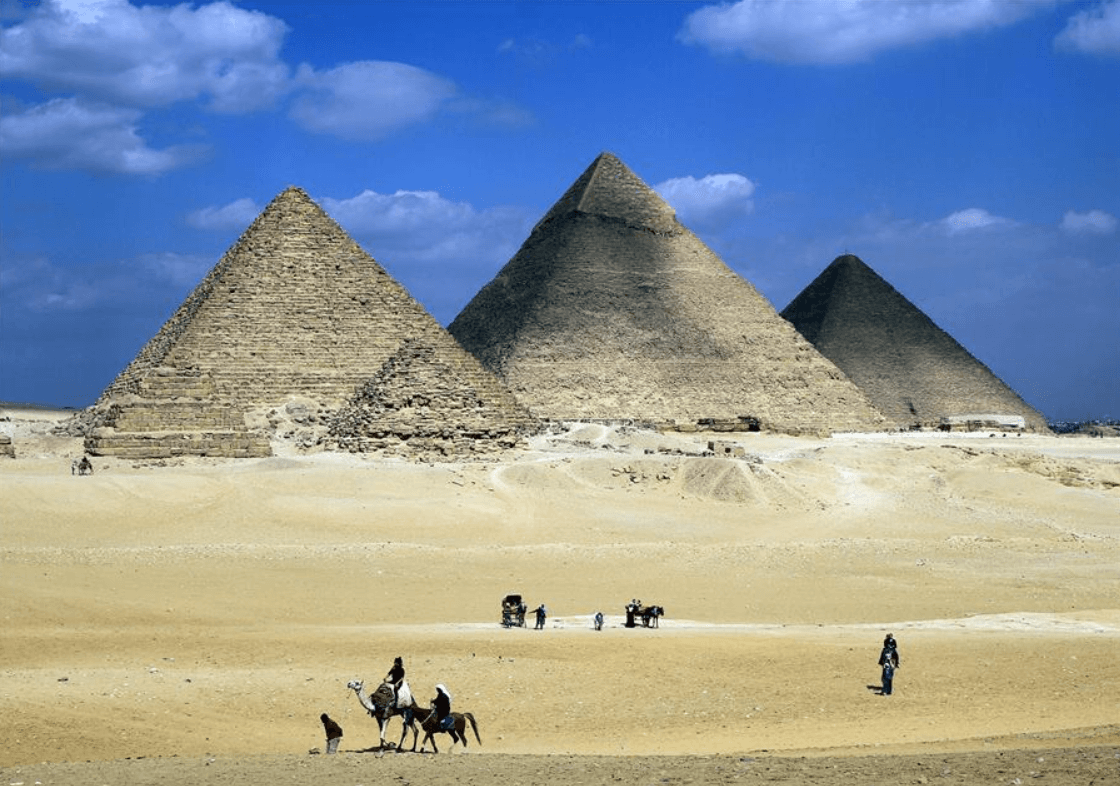
Egyptian Pyramids
Egyptian Pyramids are monumental burial structures of ancient Egyptian civilization, constructed primarily during the Old Kingdom period (2686–2181 BCE) as sacred edifices prepared for pharaohs after death to ensure their passage to the afterlife. These structures evolved from earlier step-like tombs known as mastabas, progressing through stepped pyramids to the final form of smooth-sided geometric pyramids. One of the earliest and most complete examples is the Step Pyramid at Saqqara, built by
EN
Zeliha Sevde Tan

Unknowns: The Lost Pyramid (Film)
Unknown: The Lost Pyramid is a documentary released on the Netflix platform in 2023. The production focuses on the efforts of two prominent Egyptology teams during archaeological excavations in the Saqqara region of Egypt, as they search for a lost pyramid and associated burial structures. It is an episode of the documentary series Unknown, which centers on Egyptian history and archaeological discoveries. Subject The documentary highlights the work of two distinct archaeological teams and their
EN
Büşranur Akpınar
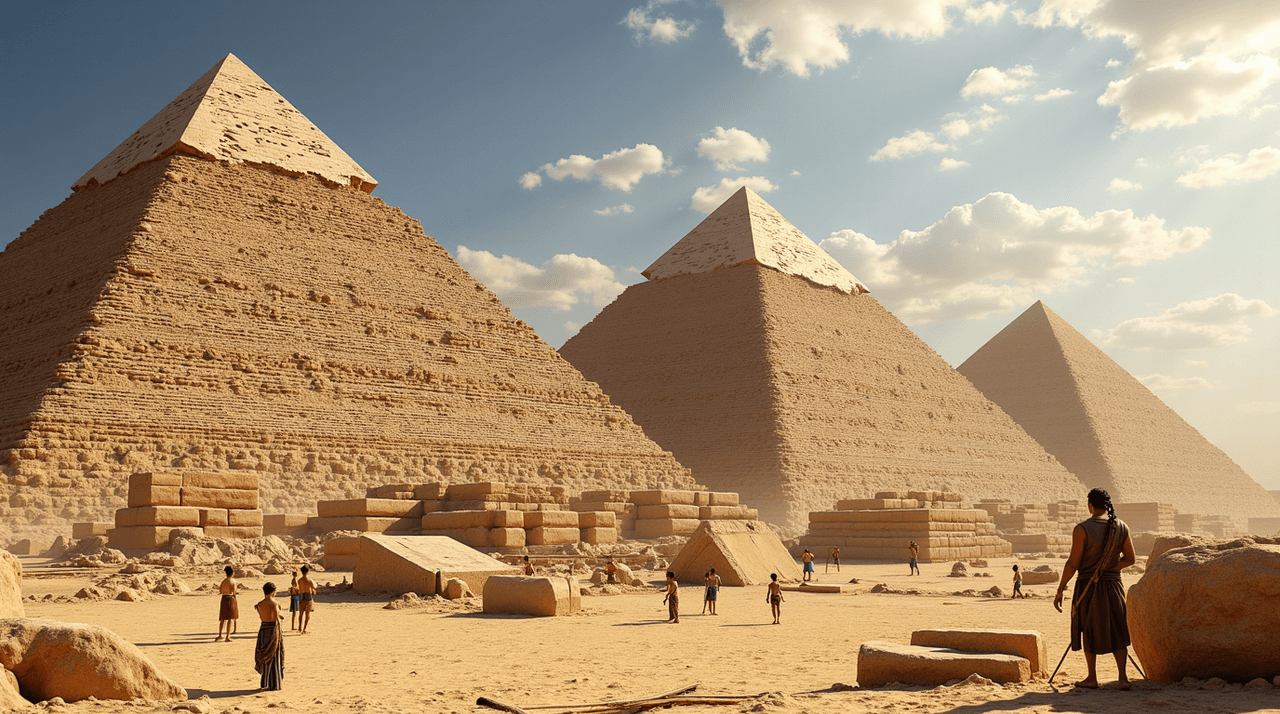
Pyramid
Pyramids are geometric structures with a broad base that narrows toward the top and are typically covered with four triangular faces. Throughout history, many civilizations have constructed them as monuments, tombs, or temples. In ancient Egypt, pyramids were used as pharaohs’ tombs, while in Mesopotamia they were built in the form of ziggurats dedicated to the gods. In Mesoamerica, the Maya, Aztecs, and Olmecs used pyramids for religious ceremonies and sacrificial rituals. These structures not
EN
Fatihhan Adana
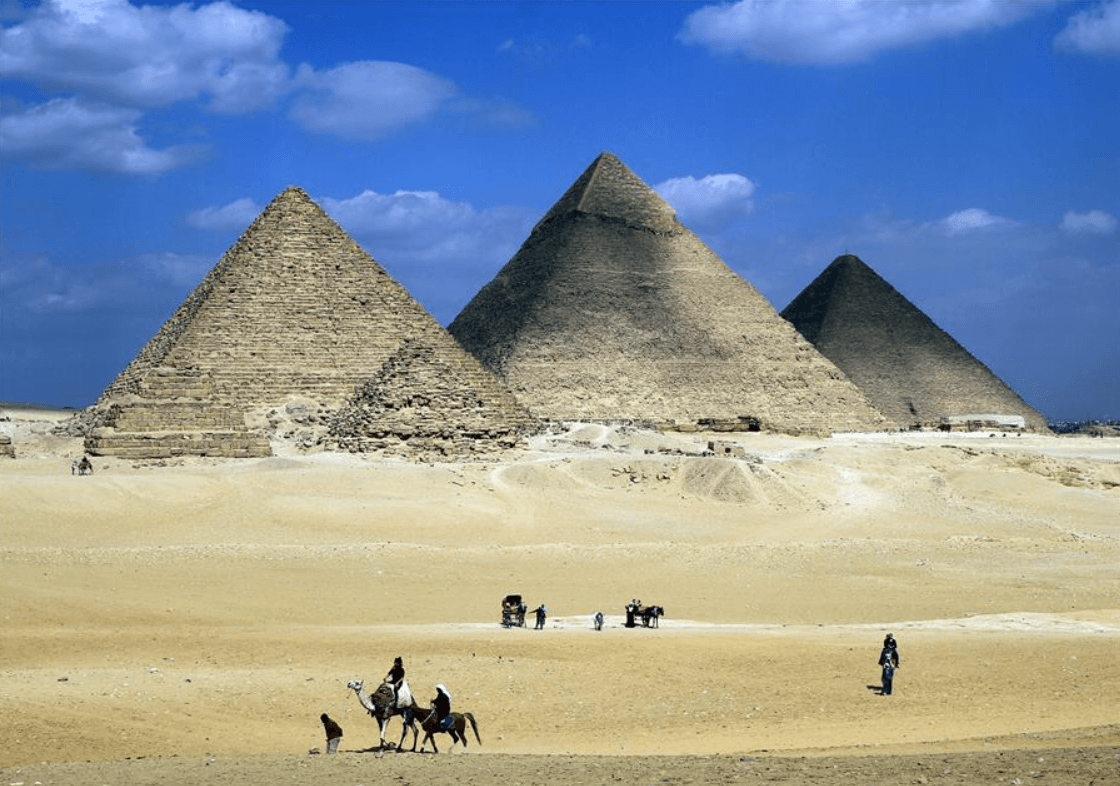
Egyptian Pyramids
Egyptian pyramids are monumental tomb structures belonging to the ancient Egyptian civilization, constructed primarily during the Old Kingdom period (2686–2181 BCE) as sacred edifices prepared for the pharaohs’ afterlife. These structures evolved from earlier step-shaped tombs known as mastabas, progressing to stepped pyramids and eventually to smooth-sided geometric pyramids. One of the oldest and most complete examples is the Step Pyramid at Saqqara, built by Imhotep, the vizier of Djoser. The
ENZeliha Sevde Tan
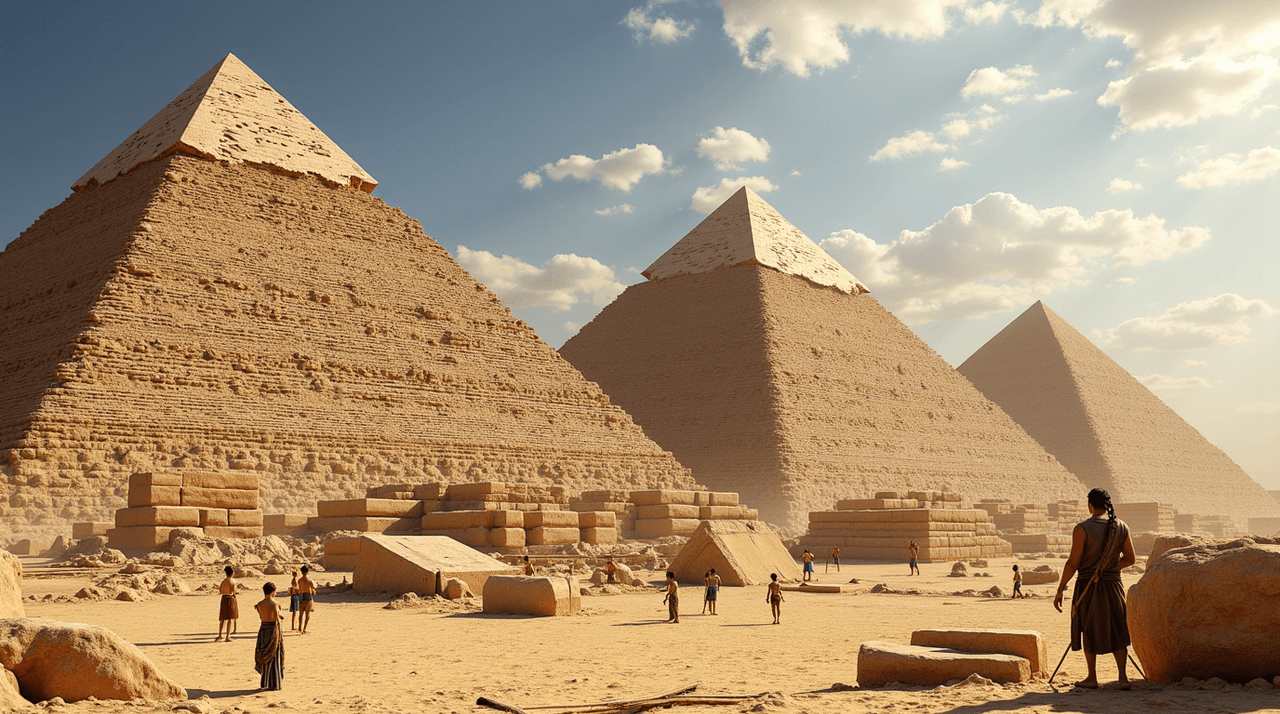
Pyramid
Pirams are geometric structures with a broad base that narrows toward the top and are typically covered by four triangular faces. Throughout history, they have been constructed by many civilizations as monuments, tomb or temples. In ancient Egypt, pirams were used as pharaohs’ tombs, while in Mesopotamia they were built as ziggurats dedicated to the gods. In Mesoamerica, the Maya, Aztecs, and Olmecs used pirams for religious ceremonies and sacrifice rituals. Over time, these structures not only
EN
Fatihhan Adana
 Te
TeTeotihuacan Pyramids
Teotihuacan Pyramids are monumental structures within the ancient city of Teotihuacan, located approximately 40 kilometers northeast of Mexico City, Mexico, and listed on UNESCO’s World Heritage List. The Sun Pyramid, the Moon Pyramid, and the Avenue of the Dead connecting them form the ceremonial and architectural heart of the city. Although it is not definitively known who built the city and its pyramids, research continues into possible connections with Toltec, Zapotec, or Maya settlements. T
ENYunus Emre Yüce