

`psychotherapy` Related Article Results

Major depression
Major depression is a psychiatric disorder characterized by a pronounced and persistent decline in mood that significantly impairs an individual’s daily functioning. Also known as clinical depression or major depressive disorder (MDD), this condition is not merely a temporary state of sadness but a serious mental health issue that disrupts functioning and requires intervention. According to the World Health Organization, major depression is one of the most common mental disorders worldwide and c
EN
Nida Üstün
 EM
EMEMDR Therapy
Eye Movement Desensitization and Reprocessing (EMDR) Therapy is a structured psychotherapeutic approach used to treat various psychological disorders, primarily post-traumatic stress disorder (PTSD). Developed in 1987 by American psychologist Francine Shapiro, this therapy aims to process and reframe traumatic memories experienced by the individual. Historical Development The EMDR method emerged from Francine Shapiro’s observation that eye movements during walking reduced the intensity of distre
EN
Miray GÜR

Technological Applications in Psychology
Technological applications in psychology are software programs developed for smartphones and other mobile devices that provide users with various mental health services. With the widespread adoption of the internet and smartphones in the 21st century, interest in these mobile applications has grown as a means to deliver psychological support services more effectively and efficiently. These applications aim to make mental health services more accessible by functioning across a broad spectrum incl
EN
Nursena Şahin
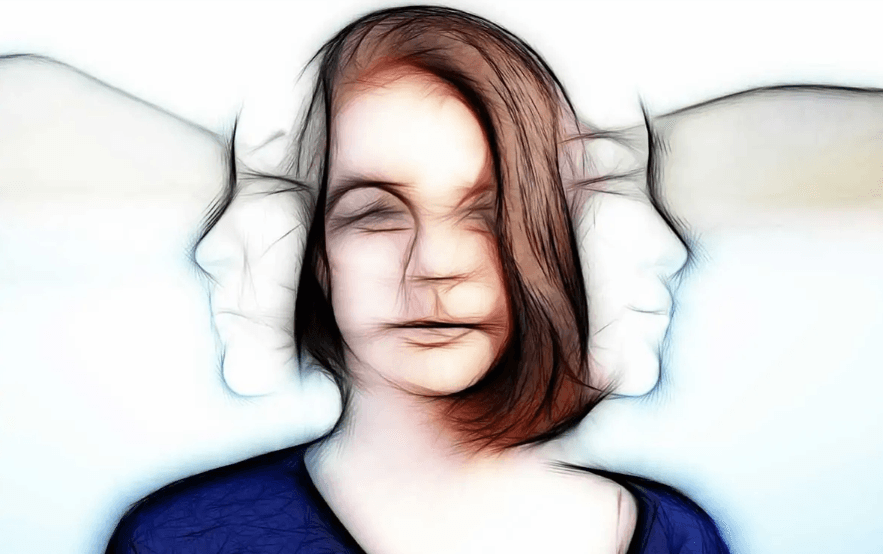
Borderline Personality Disorder (BPD)
Borderline Personality Disorder (BPD) is a psychiatric condition characterized by severe emotional dysregulation, identity disturbances, impulsive behaviors, and extreme relationship dynamics. BPD typically emerges during adolescence or early adulthood and can significantly affect individuals’ daily and professional lives, social relationships, and psychological well-being important. As one of the most complex and challenging to treat among personality disorders, BPD often manifests with profoun
EN
Meryem Betül Kaya

Silence in the Consulting Chair: What Do Unspoken Words Convey?
One of the greatest misconceptions about the psychotherapy process is the belief that the therapy room must constantly overflow with words, confessions, and heated dialogue. Yet everyone who steps into that room knows that sometimes the most powerful sentences are not those spoken aloud, but the deep silences that settle like mist in the center of the room. A person sitting in the client’s chair being silent does not mean they have nothing to say. On the contrary, sometimes the weight of words b
ENNida Üstün

Histrionic Personality Disorder
Histrionic Personality Disorder is a chronic psychiatric condition that emerges in early adulthood and is characterized by excessive emotionality and a persistent need to be the center of attention across many areas of life. Individuals display dramatic, extroverted, and seductive behaviors in social professional and personal relationships. The disorder has an ego-syntonic structure meaning the individual does not perceive their own behaviors as problematic. Due to the lack of insight and inabil
ENNida Üstün

Art Therapy
Art therapy is a mental health practice that integrates creative processes with psychotherapy, enabling individuals to express thoughts, emotions, and internal conflicts through artistic means. At the core of art therapy are the processes by which an individual’s artistic production brings unconscious dynamics to light, facilitates emotional catharsis, enhances self-awareness, and fosters insight. This approach developed in the mid-20th century under the influence of psychodynamic theories, part
EN
Hacer Büşra Aslan

Illness Anxiety Disorder
Illness Anxiety Disorder is a condition in which an individual experiences uncontrollable beliefs and intense anxiety that they have or will develop a serious illness, resulting from the misinterpretation of physical symptoms. This concept was first defined by Salkovskis and Warwick and consists of two core constructs: illness belief and illness phobia. 【1】Illness belief refers to a strong conviction that one currently has an illness, while illness phobia involves fear of contracting an illness
ENNida Üstün

Alexithymia (Emotional Blindness)
Alexithymia is a psychological construct characterized by marked difficulties in identifying, distinguishing, and expressing one’s own emotional experiences. The term, derived from the Greek words a- (absence), lexis (word), and thymia (emotion), literally means “inability to put feelings into words.” This concept was first defined in the 1970s based on clinical observations in patients with psychosomatic illnesses and has since been linked to reduced emotional awareness. Alexithymia involves no
EN
Hacer Büşra Aslan
RaRational Emotive Behavior Therapy
Rational Emotive Behavior Therapy (REBT) is a cognitive-behavioral psychotherapeutic school that posits the root of psychological distress lies not in events themselves but in individuals’ irrational beliefs about those events. Developed by Albert Ellis in the 1950s, this approach aims to help individuals overcome emotional and behavioral problems by cultivating a more rational, flexible, and realistic philosophy of life. REBT is based on the assumption that human beings are born with the potent
EN
Yunus Emre Yüce