

`psychoanalysis` Related Article Results
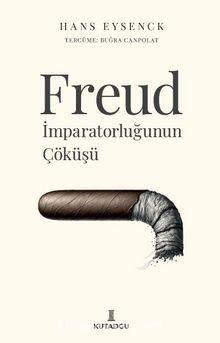
The Collapse of the Freud Empire (Book)
The Decline and Fall of the Freudian Empire (Original title: The Decline and Fall of the Freudian Empire), is a book published in 1985 by British psychologist Hans Jürgen Eysenck. In this work, Eysenck questions the scientific validity of Sigmund Freud’s psychoanalytic theories and evaluates the place of psychoanalysis within modern psychology from a critical perspective. The book centers on the claim that Freud’s theories lack empirical support and argues that psychoanalysis should be regarded
EN
Meryem Beyza Utkulu
 De
DeDevice Theory
Apparatus Theory is a film theory that argues cinema is more than merely a entertainment and art form; it functions as a system encompassing ideological and psychoanalytic elements. Cinema is not merely a storyteller but is viewed as a powerful ideological building that shapes the viewer’s perception of the world. Developed in the 1970s by French film theorists Jean-Louis Baudry and Christian Metz, this theory analyzes how cinema’s technology and narrative structure shape the viewer within a spe
EN
Abdurrahman Abdul Mujeeb

Cryptomnesia
Cryptomnesia is the phenomenon in which a person completely forgets the source of information, an idea, or a work they previously encountered or learned, and experiences it as a new and original creation of their own mind. The term literally means "forgotten memory."【1】 It is a form of plagiarism, or appropriation, in which a writer, researcher, or individual thoroughly internalizes another person’s ideas, data, methods, or research outputs and mistakenly believes them to be their own.【2】 This c
EN
Kadriye Beyza Kirenci

Breakpoint
A breakpoint is a critical moment or event in an individual, social, or historical process during which fundamental changes occur. After this point, the previous order or situation becomes unsustainable and a transition to a new era begins. The term is used across many fields including physics, economics, psychology, politics, and history such as. A visual illustrating a breakpoint " image-alternate="" image-element-format="right"> Historical Breakpoints Throughout history, numerous breakpoin
EN
Abdulkadir Akyüz
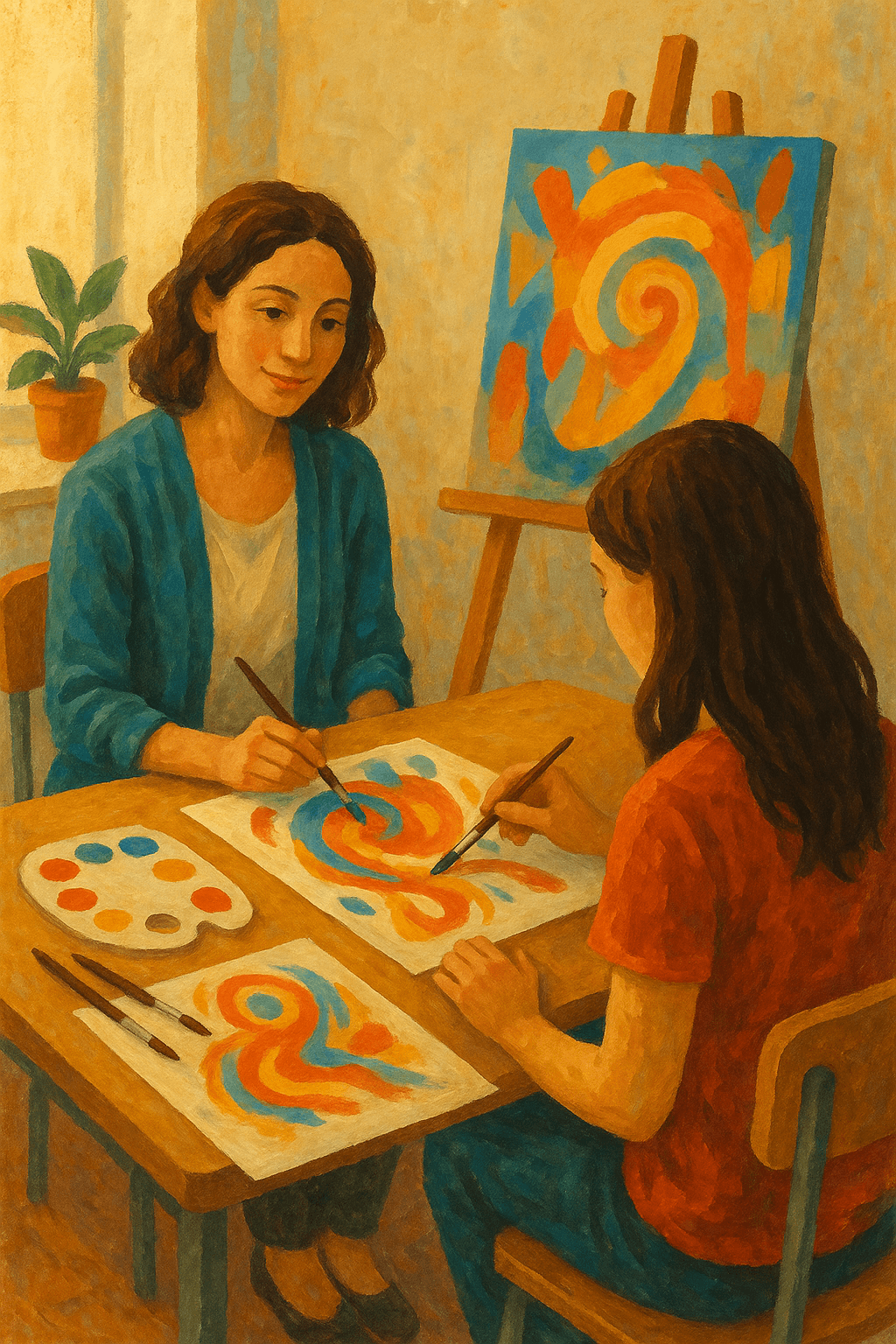
Art Therapy
Art therapy is a mental health practice that integrates creative processes with psychotherapy, enabling individuals to express thoughts, emotions, and internal conflicts through artistic means. At the core of art therapy are the processes by which an individual’s artistic production brings unconscious dynamics to light, facilitates emotional catharsis, enhances self-awareness, and fosters insight. This approach developed in the mid-20th century under the influence of psychodynamic theories, part
EN
Hacer Büşra Aslan

Breakpoint
A turning point is a critical moment or event in an individual, social, or historical process during which fundamental changes occur. After this point, the old order or condition becomes unsustainable and a transition to a new era begins. The term is used across many fields including physics, economics, psychology, politics, and history among others. A visual illustrating a turning point " image-alternate="" image-element-format="right"> Historical Turning Points Throughout history, numerous
EN
Abdulkadir Akyüz
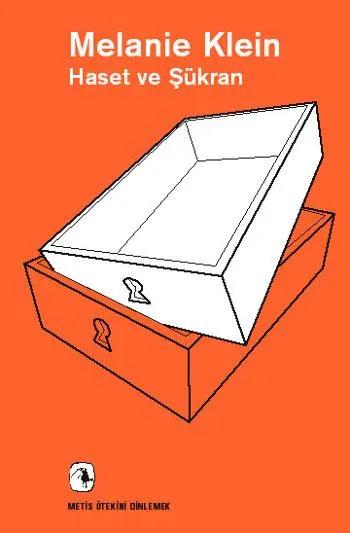
Envy and Gratitude (Book)
Envy and Gratitude is a work by Austrian-British psychoanalyst Melanie Klein, regarded as one of the foundational texts of object relations theory. First published in English in 1957 under the title Envy and Gratitude, the book was translated into Turkish in 1999 by Orhan Koçak and Yavuz Erten and published by Metis Yayınları. The work holds a significant place in the history of psychoanalysis, examining the origins of envy and gratitude, particularly within the context of early object relations
ENMeryem Beyza Utkulu
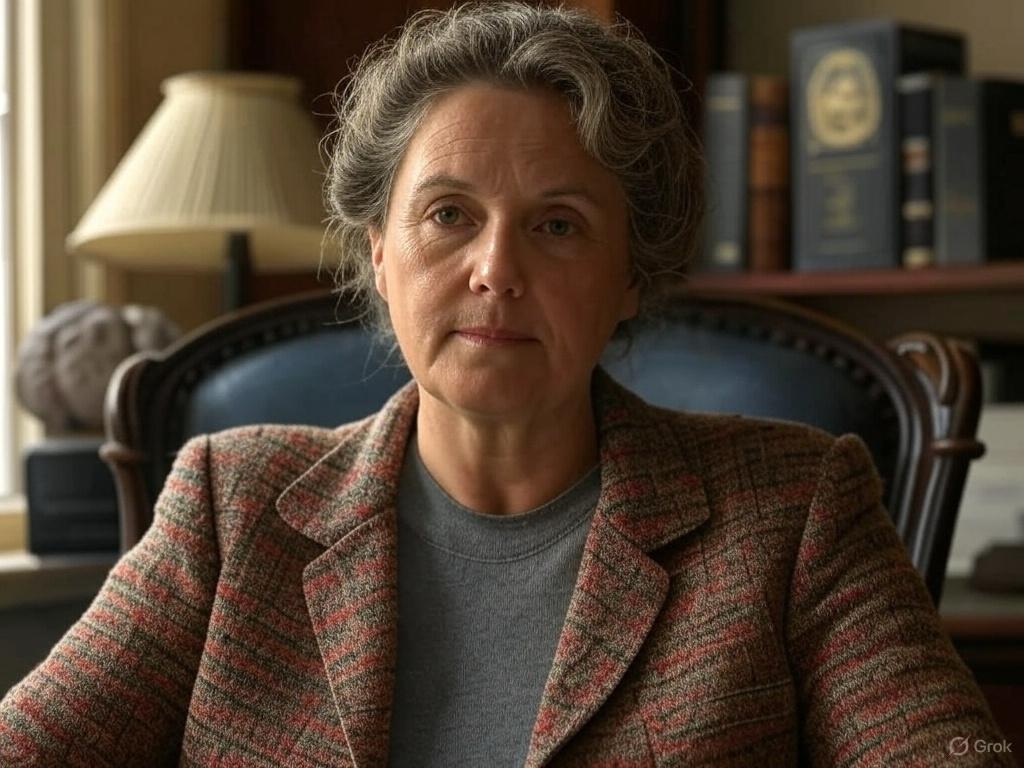
Karen Horney
Karen Horney was born on 16 September 1885 in Blankenese, near the city of Hamburg in Germany. Her father, Berndt Wackels Danielsen, was a Norwegian ship captain with an authoritarian personality. Her mother, Clotilde Van Ronzelen, was more liberal and educated. This contrast within the family led Horney to develop differing perspectives at an early age. From Small years onward, Horney showed interest in intellectual matters and pursued her education with particular encouragement from her mother
EN
Nida Üstün
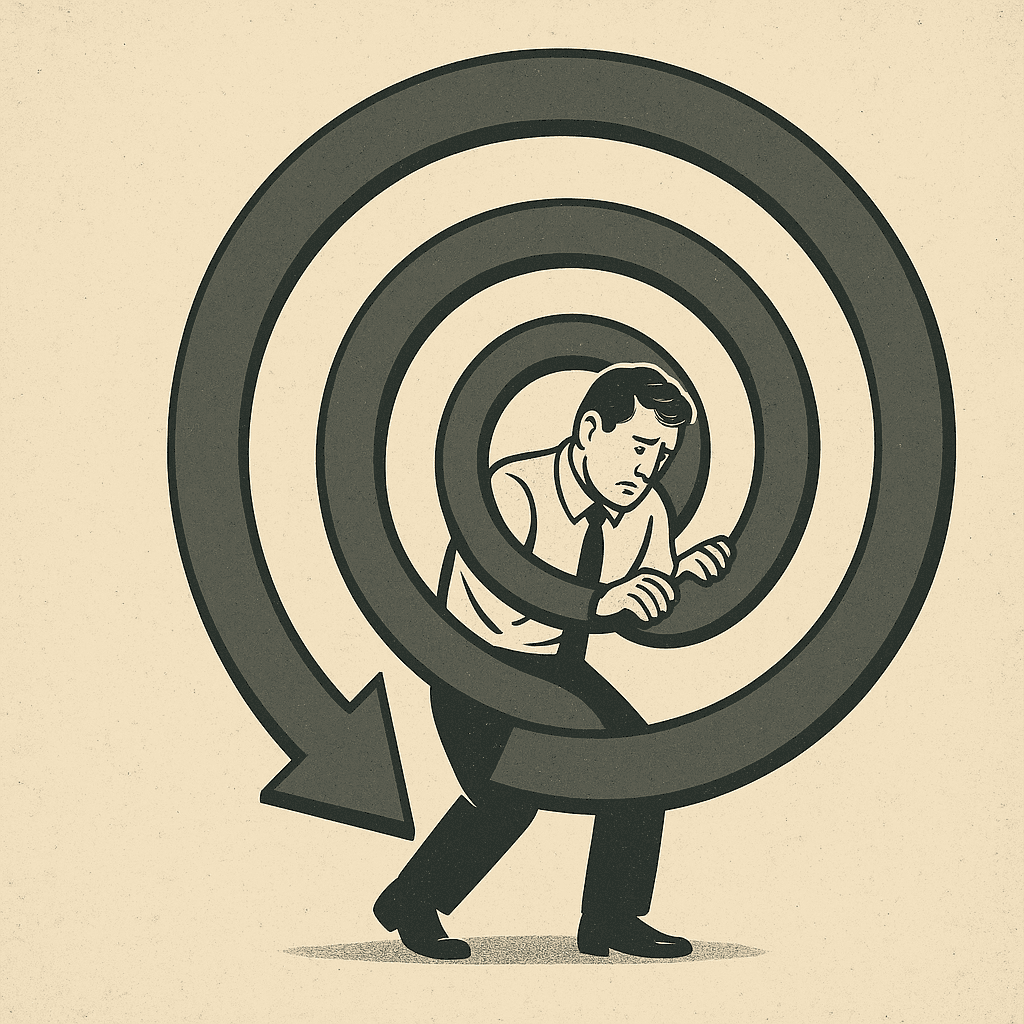
Why Do We Keep Repeating the Same Mistakes? The Compulsion to Repeat in Psychoanalysis
There are certain cycles in our lives: poor choices, recurring relationships, situations in which we find ourselves always at the same point… Why can’t we break free from these cycles? Psychoanalysis offers an answer to this phenomenon: the compulsion to repeat. Through Freud’s Lens: The Unconscious Power of Repetition In his 1920 work Beyond the Pleasure Principle, Sigmund Freud argues that people often have a tendency to reenact traumatic or painful experiences. Moreover, these repetitions fre
EN
Yeşim Can

Melanie Klein
Melanie Klein (March 30, 1882, Vienna, Austria – September 22, 1960, London, England) was an Austrian-British psychoanalyst. As one of the first to apply Freud’s theories to child psychoanalysis, Klein is considered a founder of object relations theory. She played a pivotal role in deepening the "Klein–Freud" divide in psychoanalytic history and became known for her debates with Anna Freud. Klein laid the theoretical foundations for play therapy and introduced numerous theoretical and clinical i
ENNida Üstün