

`proverbs` Related Article Results

Passed Üsküdar, which received the horse
Have you ever felt like you missed out on something? For example, when the best part of your favorite game ends, or when your friends start a game and finish it before you even arrive. The phrase "Atı alan Üsküdar'ı geçti" describes exactly such a situation. This expression means that an opportunity or a task has progressed too far to be reversed, and someone else has already seized it. But where does this interesting phrase come from? 🐴 Where Does It Come From? The origin of this saying is roo
EN
Nida Üstün

What Is Kinaye (Allusion)?
Kinaye, also known as allusion, is the use of a phrase in such a way that it suggests both its literal and metaphorical meanings. In kinaye, the intended meaning is most often the metaphorical meaning. The expression is indirect and implicit rather than explicit. Kinaye is a figure of speech that demonstrates the subtleties of language. It frequently appears in everyday speech literary texts and proverbs. It encourages children to listen more carefully and interpret meaning thoughtfully. What Do
EN
Nursena Güller
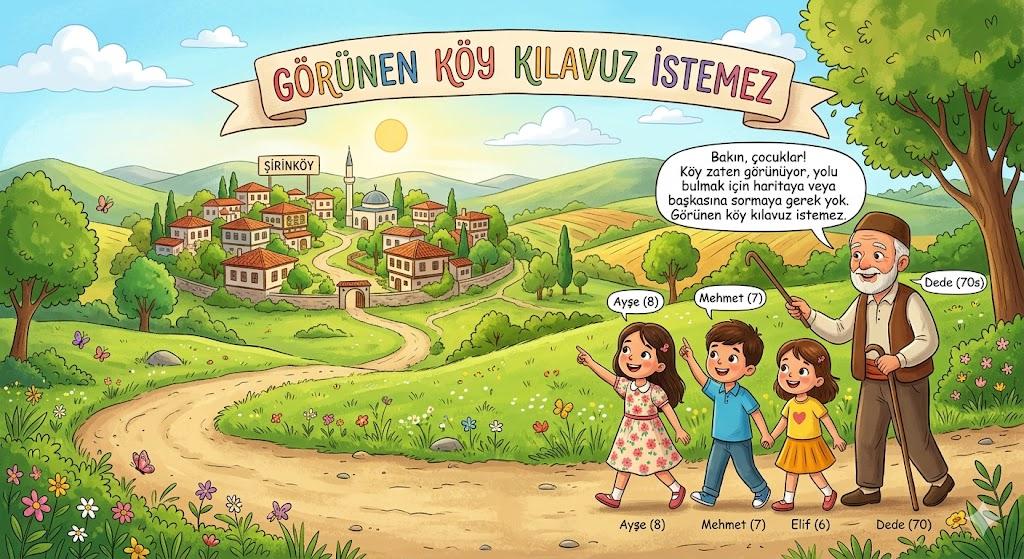
The Visible Village Does Not Require a Guide
Let us embark on a curious journey together to explore this timeless proverb, used for situations where everything is perfectly clear and no further explanation is needed! What Does “A Visible Village Does Not Need a Guide” Mean? In our daily lives, there are times when an event or situation is so obvious that there is no need to construct lengthy sentences or seek someone’s guidance to explain it. In this proverb, the “village” represents the goal or truth we wish to reach; the “guide” symboliz
EN
Ayşenur UZUN

Even if the chimney is bent, the smoke comes out straight
Imagine a chimney on a house roof that is crooked. Does the smoke rising from it also twist and turn like the shape of the chimney? No, the smoke always rises straight toward the sky. This proverb illustrates that what matters most in people is not their outward appearance but the goodness and character within them. What Does This Proverb Mean? This proverb states that a person who is naturally good and honest will not lose these noble qualities no matter how difficult or unfavorable their surro
ENgamze halil

Idiom
What Is an Idiom? An idiom is a fixed expression that conveys a thought in a brief, effective, and often metaphorical way. Idioms are frequently used in daily life and express events or emotions with vivid language. They typically carry a meaning different from their literal interpretation. For example, the phrase “ağzı kulaklarına varmak” does not mean the mouth actually reaching the ears, but rather to be extremely happy. The Origin of Idioms: Language from Oral Culture and Everyday Life Idiom
EN
Zozan Demirci
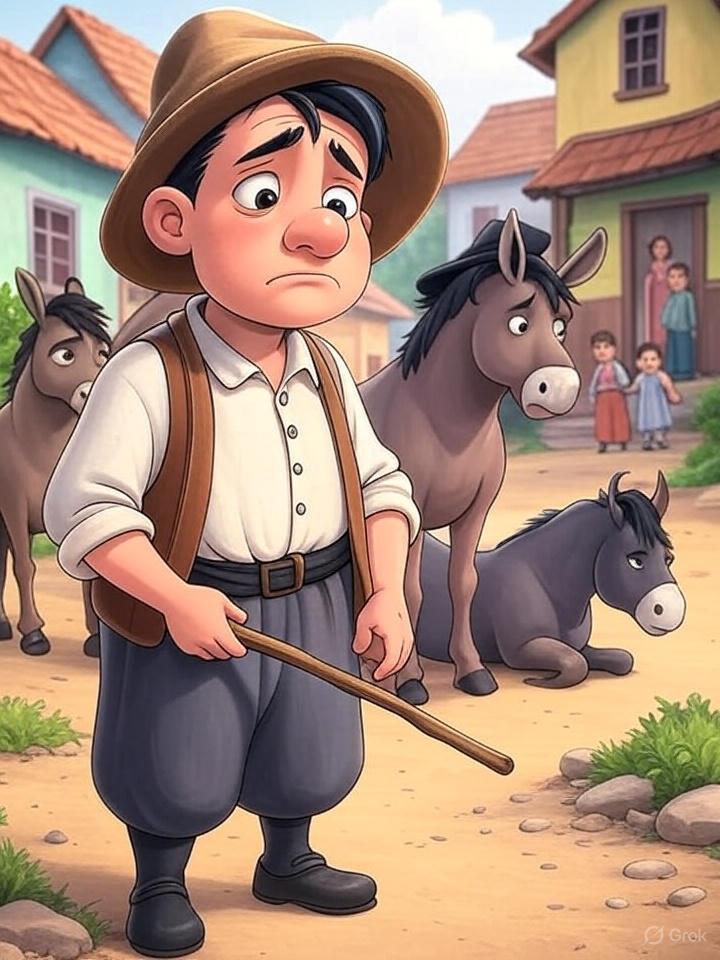
They Drive Out the Truth-Teller from Nine Villages
Telling the truth is not always easy, is it? The proverb “The one who tells the truth is driven out of nine villages” illustrates how honesty can sometimes upset people. But this proverb also highlights how valuable courage and truthfulness truly are. Let’s explore what this proverb means and how it appears in everyday life! What Does the Proverb Mean? This proverb expresses that when someone speaks the truth, they may be disliked or excluded by others. For example, if you tell a friend they did
EN
Ayşe Hümeyra Akkanat

One hand has nothing, two hands have sound
“One hand has nothing, two hands make a sound” is a proverb that conveys how people can accomplish tasks they cannot manage alone or would find difficult by working together, making them easier and faster. It emphasizes the power of mutual aid, solidarity, and collective action. What Does This Proverb Mean? The proverb “One hand has nothing, two hands make a sound” illustrates that tasks beyond an individual’s capacity can be accomplished more easily through cooperation. It highlights the streng
EN
Zahra Çelebioğlu
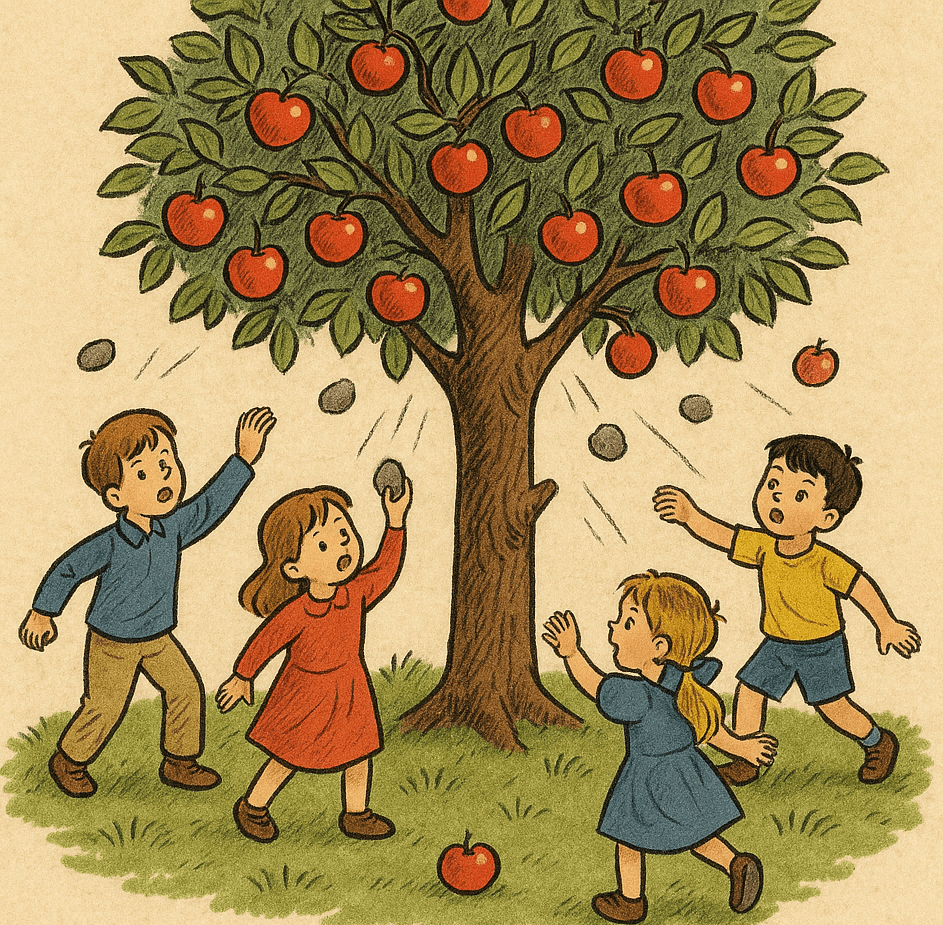
Fruit-bearing trees are stoned.
Successful and beneficial individuals are noticed by those around them because of their actions. Sometimes this leads to negative reactions from certain people. The proverb “Meyve veren ağaç taşlanır” is used to describe such situations. What Does This Proverb Mean? The proverb "Meyve veren ağaç taşlanır" means that talented or successful individuals may be envied or obstructed by some people. Those who do valuable work or achieve success in society often face unfair reactions because they stand
EN
Zelal Çakar

The hand is above the head.
"El elden üstündür" means that something one person cannot do or accomplish alone can be done better by someone else. This proverb conveys that there is always someone more knowledgeable, skilled, or capable than oneself. Where Does It Come From? There is no definitive story about the origin of this proverb. However, it is believed to have emerged from humanity’s long-standing observation that people possess different talents. For example, one person may be an excellent farmer while another is a
ENNida Üstün
 Du
DuDurub al-Masal al-Osmaniyye (Book)
Durûb-ı Emsâl-i Osmâniyye is a comprehensive work compiled by the 19th-century Ottoman intellectual Şinâsi, written in Ottoman Turkish and containing proverbs and idioms. Notable for its literary, linguistic, and folkloric characteristics, this compilation uniquely documents both the variety of usage of proverbs and idioms and their presence in written sources. The edition presented to contemporary readers and researchers was prepared by Professor Dr. Süreyya Beyzadeoğlu and published under the
EN
Sevgi Kıraç