

`project` Related Article Results
Work Breakdown Structure (WBS)
The Work Breakdown Structure (WBS) is a structure in project management that hierarchically divides the entire scope of the project into smaller, more manageable parts. The 7th edition of PMI's Project Management Body of Knowledge (PMBOK Guide) defines WBS as “a hierarchical breakdown of the total work scope that the project team will perform to achieve project objectives and create the required deliverables.” This structure defines the total scope of the project by showing its deliverables and
EN
Sabiha Meyra Şahinler
Project Management Office (PMO)
The Project Management Office (PMO) is a unit that supports and coordinates project management processes within organizations. Defined in international literature as an organizational structure, the PMO standardizes governance processes for projects and facilitates the sharing of resources, methodologies, tools, and techniques. For example, according to the British Project Management Institute (APM), the PMO is an organizational structure that supports project, program, or portfolio management.
ENSabiha Meyra Şahinler
Critical Path Method (CPM)
Critical Path Method (CPM) is defined as a technique used in project management to calculate the minimum duration required to complete a project and to assess flexibility within the project schedule. According to the PMBOK Guide, CPM is “a method used to estimate the shortest possible project duration and to determine the amount of scheduling flexibility on the logical paths within the schedule model.” In other words, CPM identifies the longest sequence of dependent activities—the critical activ
ENSabiha Meyra Şahinler
Root Cause Analysis
Root Cause Analysis is a systematic problem-solving method designed to identify the underlying cause of an event or issue. Originally developed in the fields of science and engineering, it is now applied across numerous disciplines including information technology, telecommunications, manufacturing and industrial process control, aviation, rail transport, and accident analysis in nuclear facilities. RCA is rooted in the quality management movement. Japanese quality expert Kaoru Ishikawa develope
ENSabiha Meyra Şahinler
Hybrid Project Management
Hybrid project management is a model that combines the most appropriate elements of agile (adaptive) and traditional (predictive) approaches. According to the PMBOK® 7th Edition, “a hybrid development approach is a combination of adaptive and predictive approaches; some components use predictive methods while others use adaptive methods.” In this context, the hybrid model preserves traditional planned processes for critical planning and fixed-scope elements, while providing flexible solutions th
ENSabiha Meyra Şahinler
 Ga
GaGantt Chart
A Gantt chart is one of the visual tools used in project management. Developed by Henry Gantt in the 1910s, this vehicle visually presents the project time schedule by illustrating the sequence of tasks their durations dependencies and progress within the project. Gantt charts play a particularly important role in managing large projects because they show not only the start and end dates of each task but also the relationships between these tasks and the critical period points in the project. Th
EN
Kübra Firat
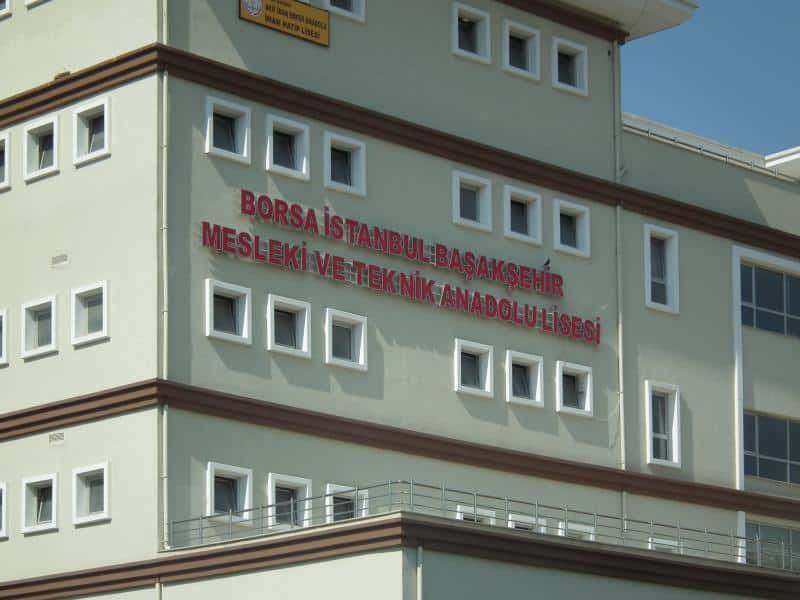
Borsa İstanbul Başakşehir Vocational and Technical Anatolian High School (BİST MTAL)
Borsa İstanbul Başakşehir Vocational and Technical Anatolian High School is a public educational institution operating under the authority of the Ministry of National Education of Türkiye, located in the Başakşehir district of Istanbul. The institution specializes in vocational and technical education and offers both formal secondary education and programs under the Vocational Education Center (MESEM). History The institution began operations in the 2013–2014 academic year. Due to the ongoing co
EN
Gözde Cabadak
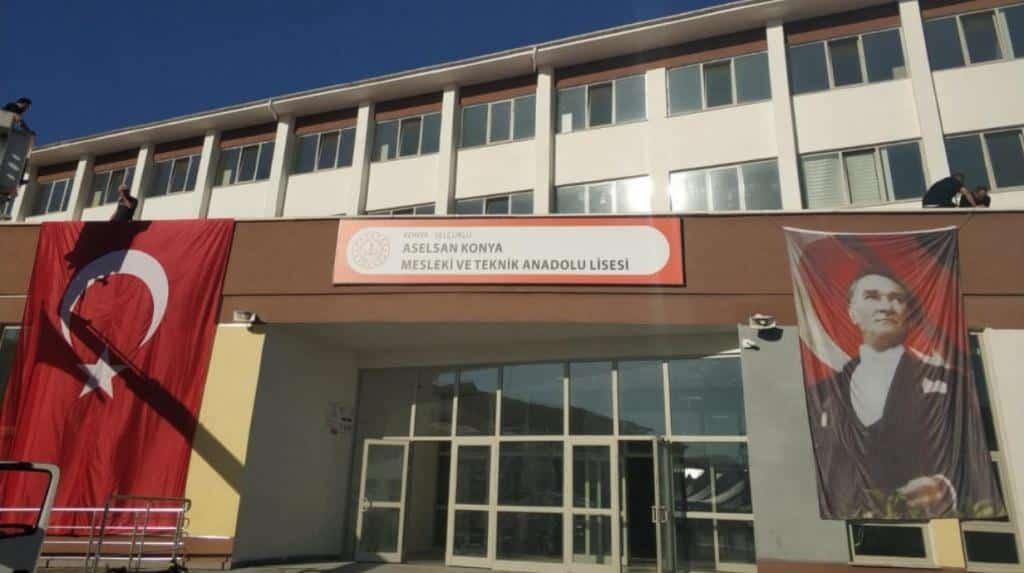
ASELSAN Konya Vocational and Technical Anatolian High School
ASELSAN Konya Vocational and Technical Anatolian High School is a vocational education institution operating in the Selçuklu district of Konya province, focused on the defense industry. It was established under the status of a “project school” pursuant to a cooperation protocol signed between the Ministry of National Education (MEB) and ASELSAN Konya Weapon Systems Inc. 【1】 The institution aims to educate students as nationally and internationally competent individuals capable of generating know
ENGözde Cabadak
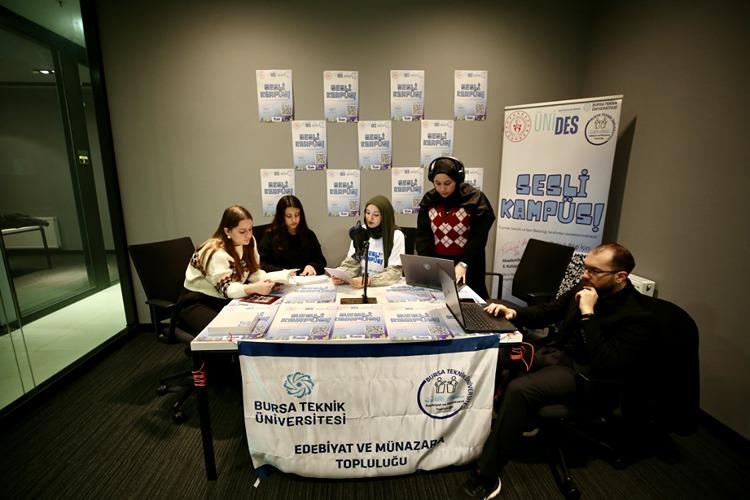
Audio Campus
Sesli Kampüs is an accessible education-focused mobile application and project initiative developed to provide visually impaired university students with audio access to lecture notes and academic content. It is also Türkiye’s first “Academic Audio E-Library Project.”【1】 The system aims to enable visually impaired students to access course materials by converting digital versions of lecture notes into audio format. Sesli Kampüs is described as a student-driven solution designed to reduce barrier
EN
Saliha Polat
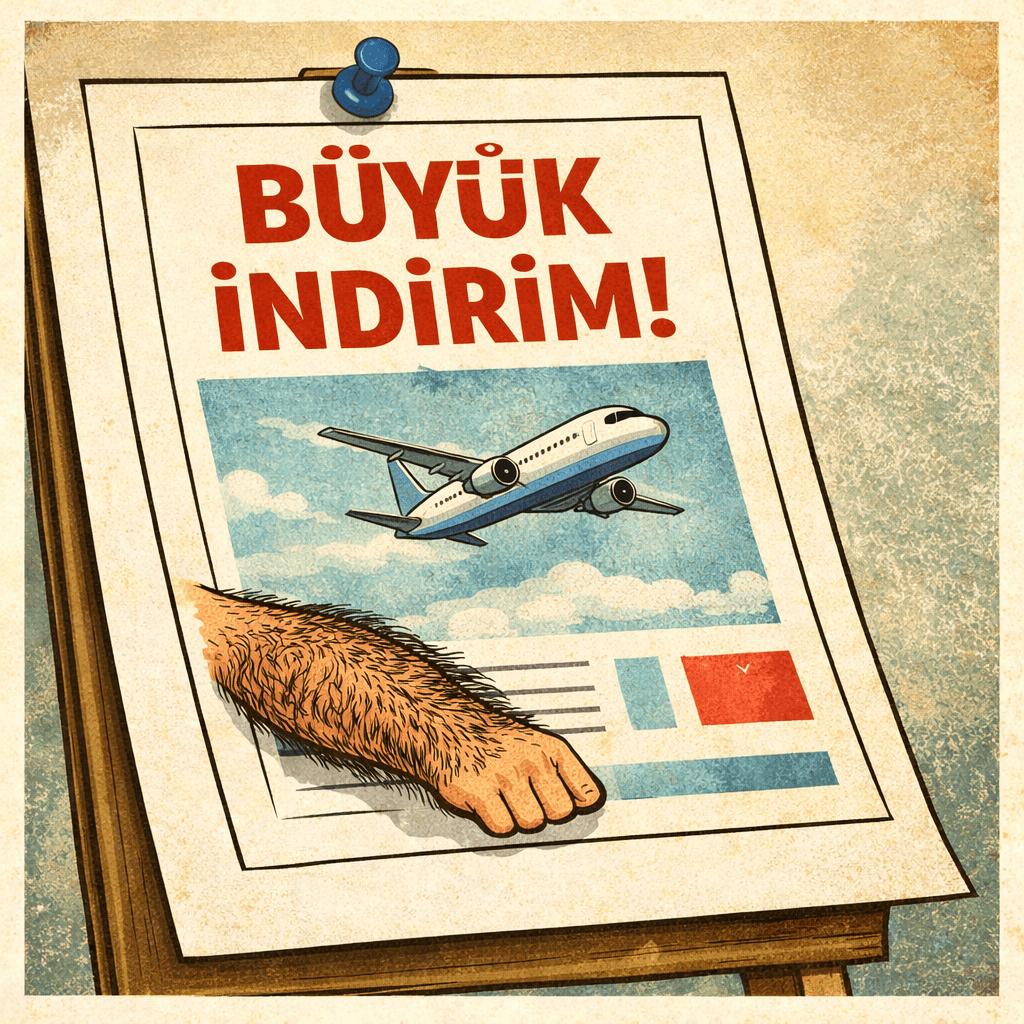
Hairy Arm Technique
The Hairy Arm Technique (Eng. The Theory of the Hairy Arm) is a method designed to guide clients or decision-makers away from the compulsion to make changes during design and presentation processes, without compromising the core structure of the work. The technique relies on intentionally introducing into the presented layout (layout) a visible but easily dismissible “objection target”; this focuses feedback and revision requests on that target while preserving the fundamental design decisions.
EN
Mehmet Salih Çoban