

`precipitation` Related Article Results
 Wa
WaWater Cycle (Hydrological Cycle)
The water cycle (hydrological cycle) is a natural process that describes the continuous movement of water between the atmosphere, land, and oceans. In this process, water exists in different physical states—solid, liquid, and gas—and circulates continuously among the various components of the Earth system. The atmosphere, oceans, lakes, rivers, glaciers, soil, and living organisms are among the key components of this cycle. The water cycle is a dynamic system that prevents water from remaining s
EN
Zeynep Aydın
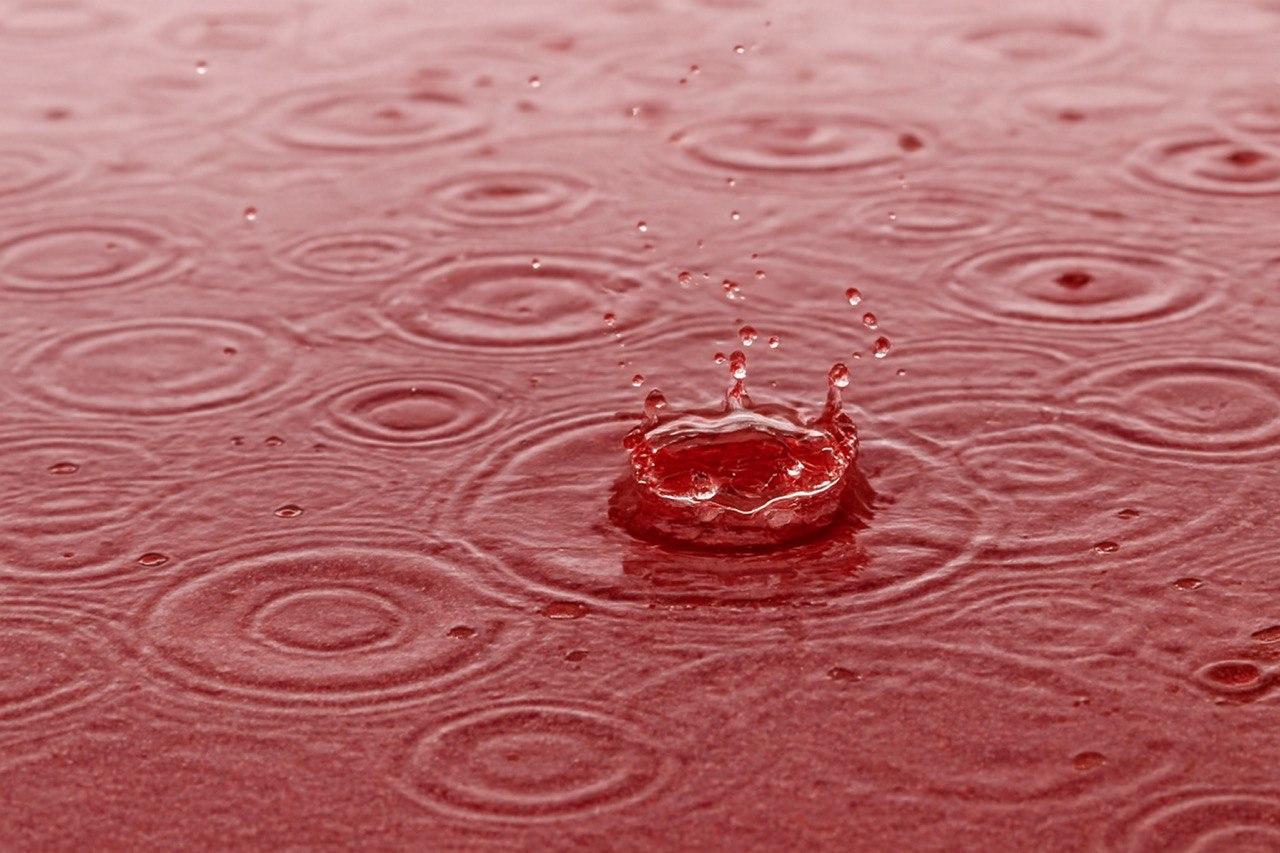
Blood Rain
Red rain is a natural phenomenon in which raindrops mix with red-colored particles in the atmosphere, causing precipitation to appear red, orange, or brownish. The discoloration of rain in this manner is not due to the chemical composition of the rain itself but rather to substances carried or collected by the raindrops as they fall. Although the term “blood” is used to describe the appearance, the phenomenon is not related to biological blood. In meteorological classifications, “red rain” is no
EN
Fatmanur Mavibaş
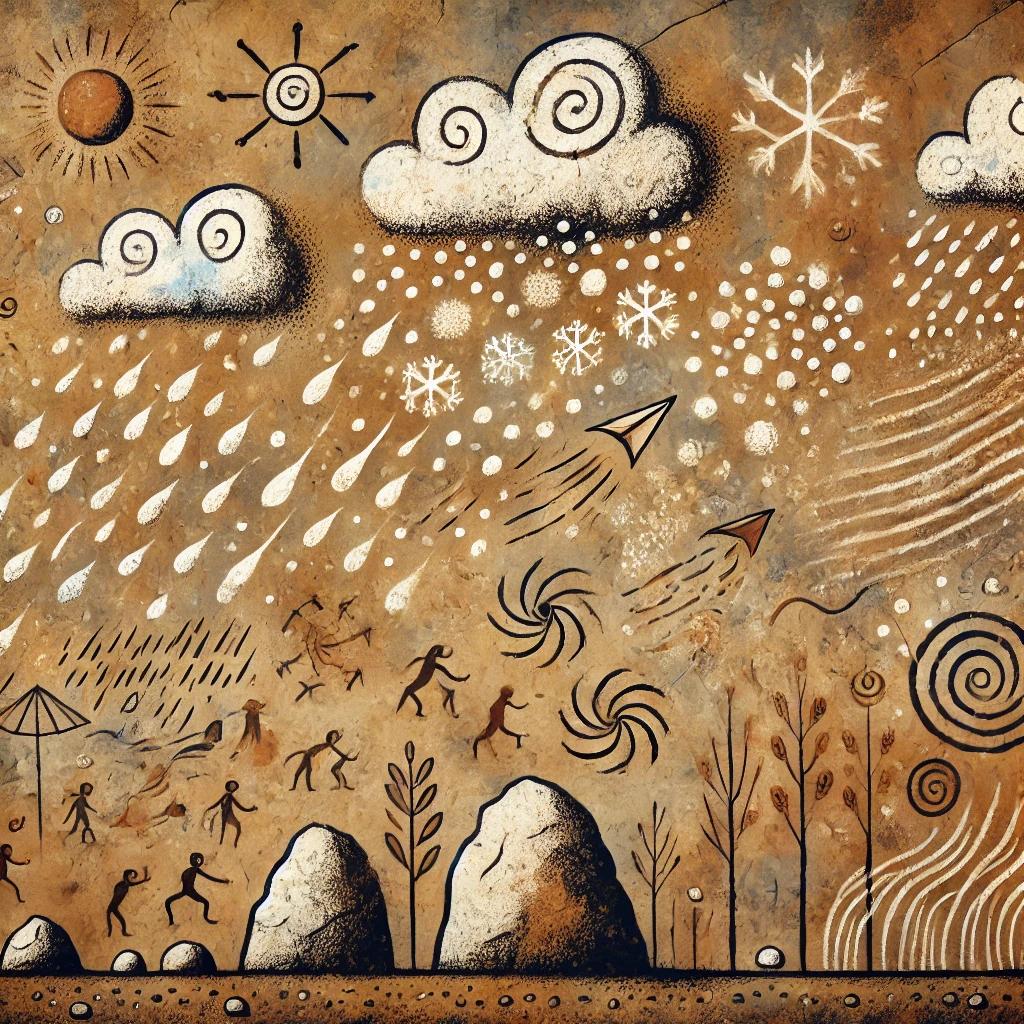
How Do Snow and Hail Form?
What Are Snow and Hail? Snow consists of white particles formed from ice crystals that fall from clouds to the ground. Hail forms when water droplets in the atmosphere freeze solid and turn into ice pellets. Both are types of precipitation but snow is soft while hail is hard. How Does Snow Form? For snow to form the air temperature must be below 0°C (zero degrees Celsius). 1. Condensation: Water vapor rises and turns into ice crystals in cold layers of air. 2. Crystal Aggregation: These crystals
EN
Mustafa Cem İnci