
`planet` Related Article Results
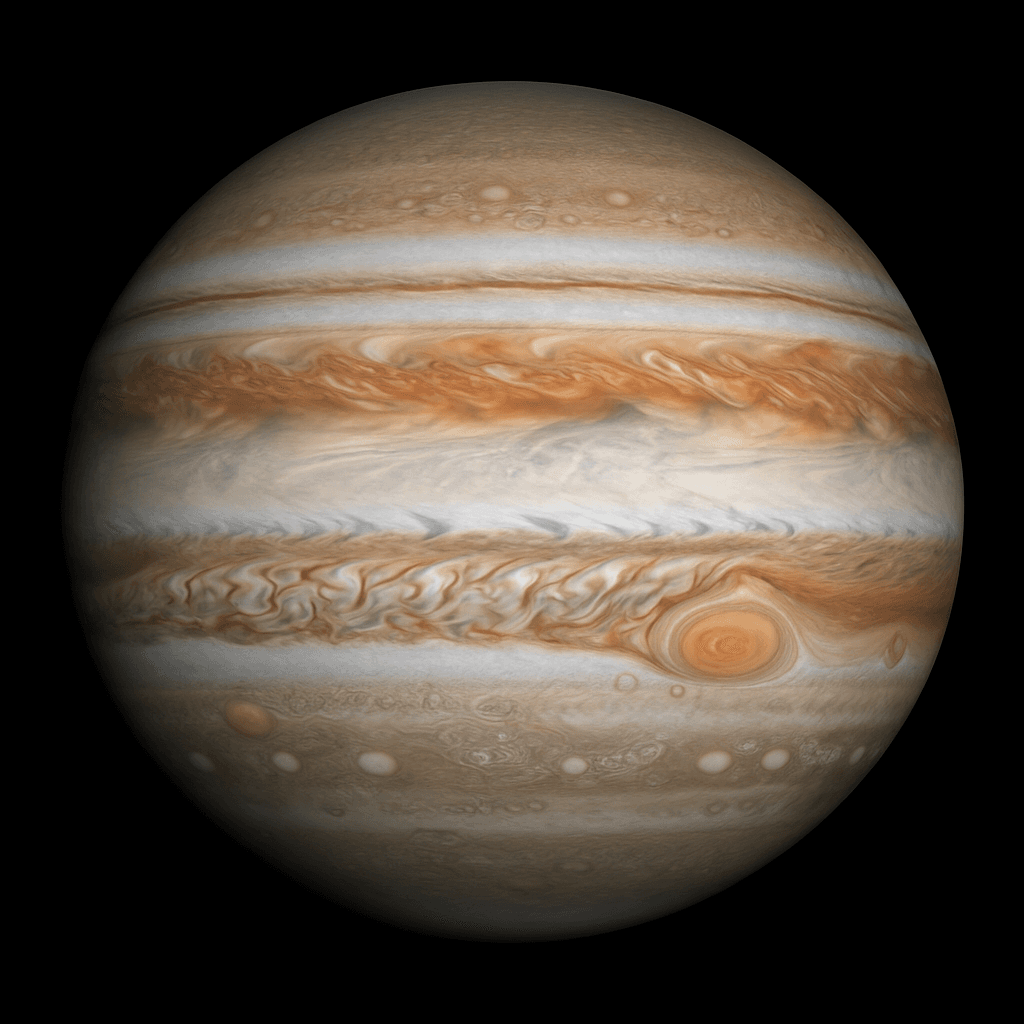
Jupiter
Jupiter is the fifth planet in the Sun System and is located at an average distance of 778 million km from the Sun. Acting as a transitional body between the inner and outer planets, Jupiter is also the largest planet, with a mass greater than that of all other planets combined. Jupiter is easily visible to the naked eye and has been known since ancient times, earning it a place among the place. Therefore, it has no specific “discovery date”; it was observed by Babylonian, Chinese, and Greek ast
EN
Seray Bayraktar
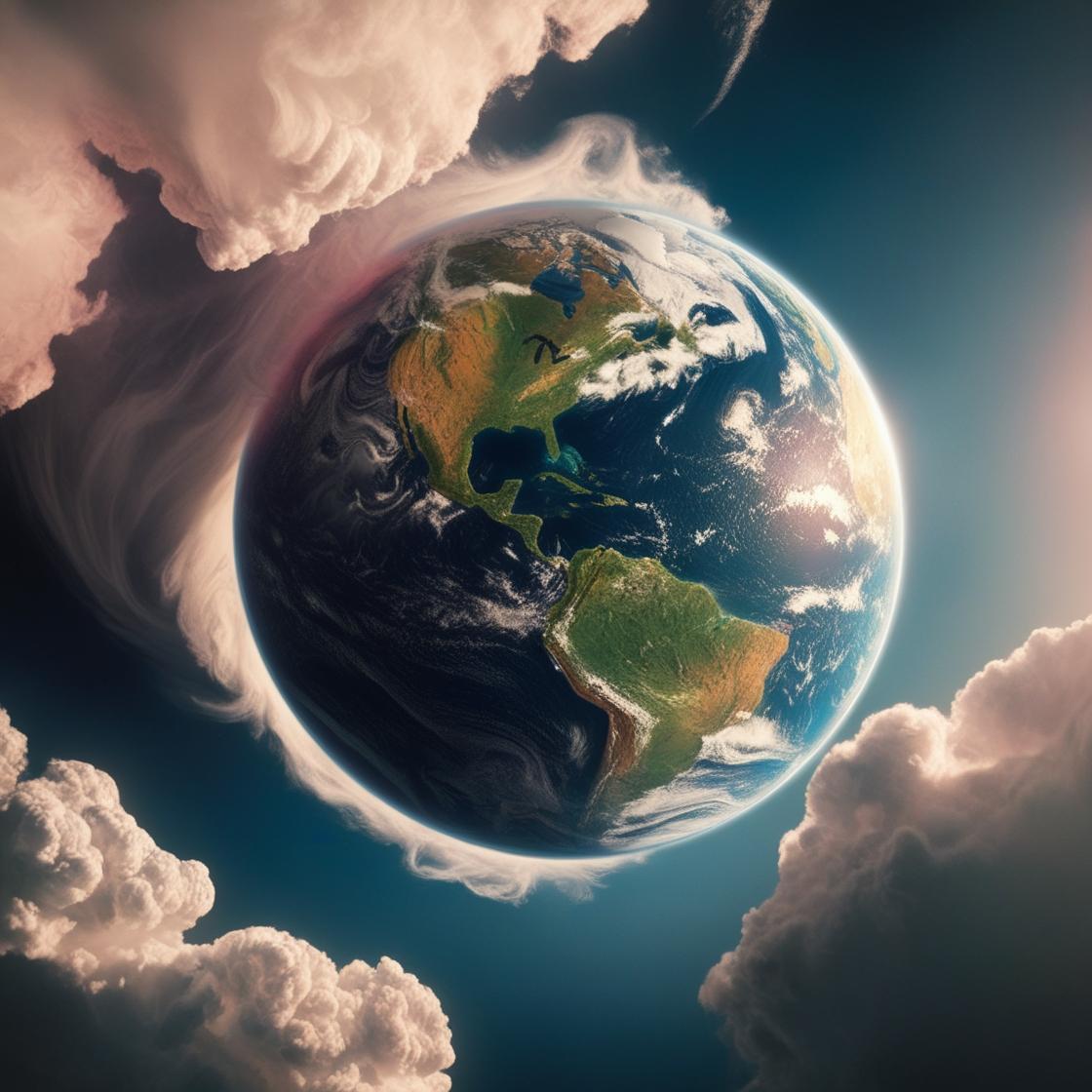
World
Earth is the third planet from Sun and the largest of the terrestrial (inner) planets. It differs from all other planets in the Solar System due to its dense atmosphere, vast surface coverage of liquid water, and the complex forms of life it supports. Known as the Blue Planet, Earth has a dynamic structure shaped by the interaction of ongoing geological, atmospheric, hydrological and biological systems dynamic. Position in the Solar System and Fundamental Physical Properties Earth orbits the Sun
EN
Caner Sefa Koçyiğit
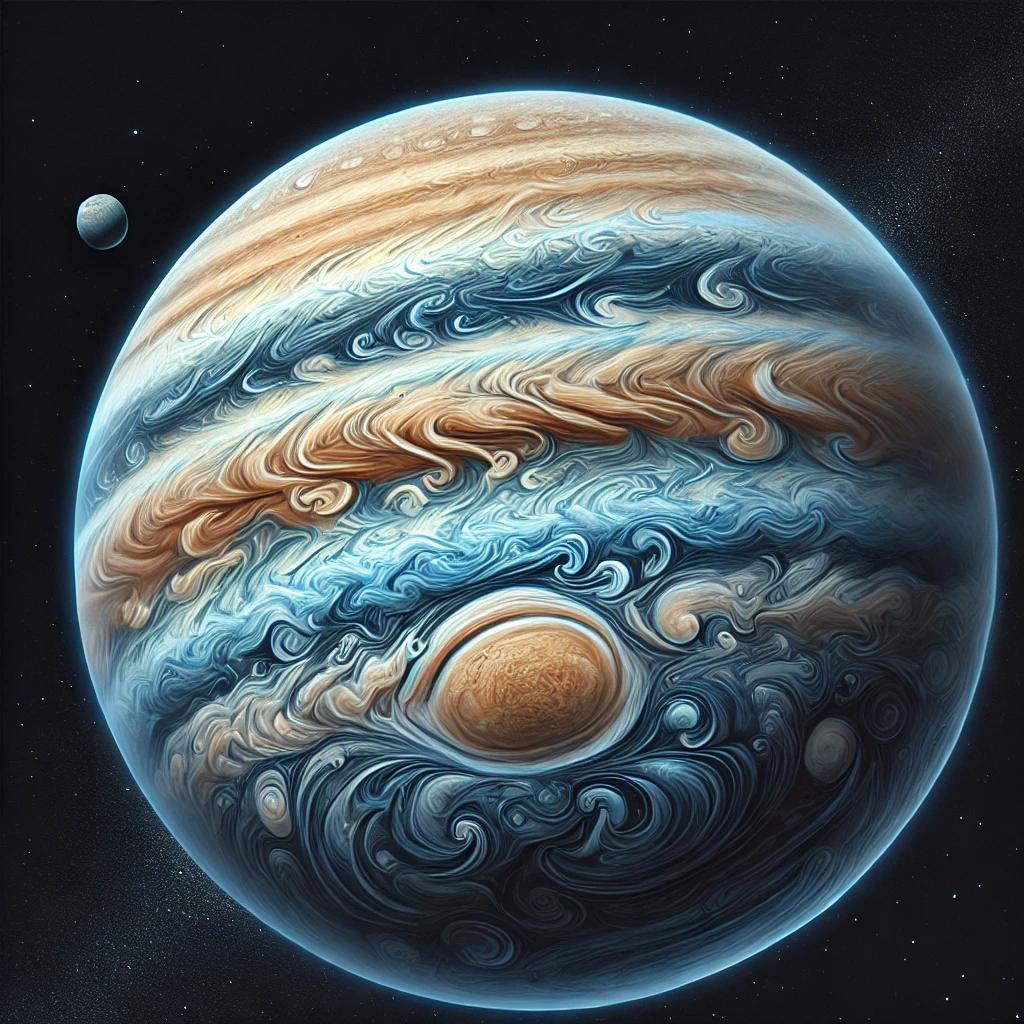
Customer (Jupiter)
Jupiter is a planet. In ancient Turkish literature, it is regarded as one of the stars. It has various names: Hürmüz, Erendiz, Sakıt, Bercis. It is located in the sixth house. Its color is blue. It governs Monday nights and Thursday days. It exerts influence over the zodiac signs of Hût (fish) and Kavs (bow). Mirrih (Mars) and Camera (Moon) are its friends; Zühre (Venus) and Utarid (Mercury) are its enemies. Müşteri Depiction (Generated by Artificial Intelligence) " image-alternate="" image-elem
EN
Meryem Şentürk Çoban
 Ke
KeKepler-20e
Kepler-20e, Sun is an exoplanet discovered by the Kepler Space Telescope outside our solar system. It orbits the Kepler-20 star system, located approximately 950 light years from World. It was announced on 20 December 2011 by the Kepler science team. Discovery and Significance: The discovery of Kepler-20e is significant because it is one of the first Earth-sized planets found outside the Solar System. It was detected using the Kepler telescope’s transit method. This discovery provided important
EN
Ahmet Şorsu
Planet
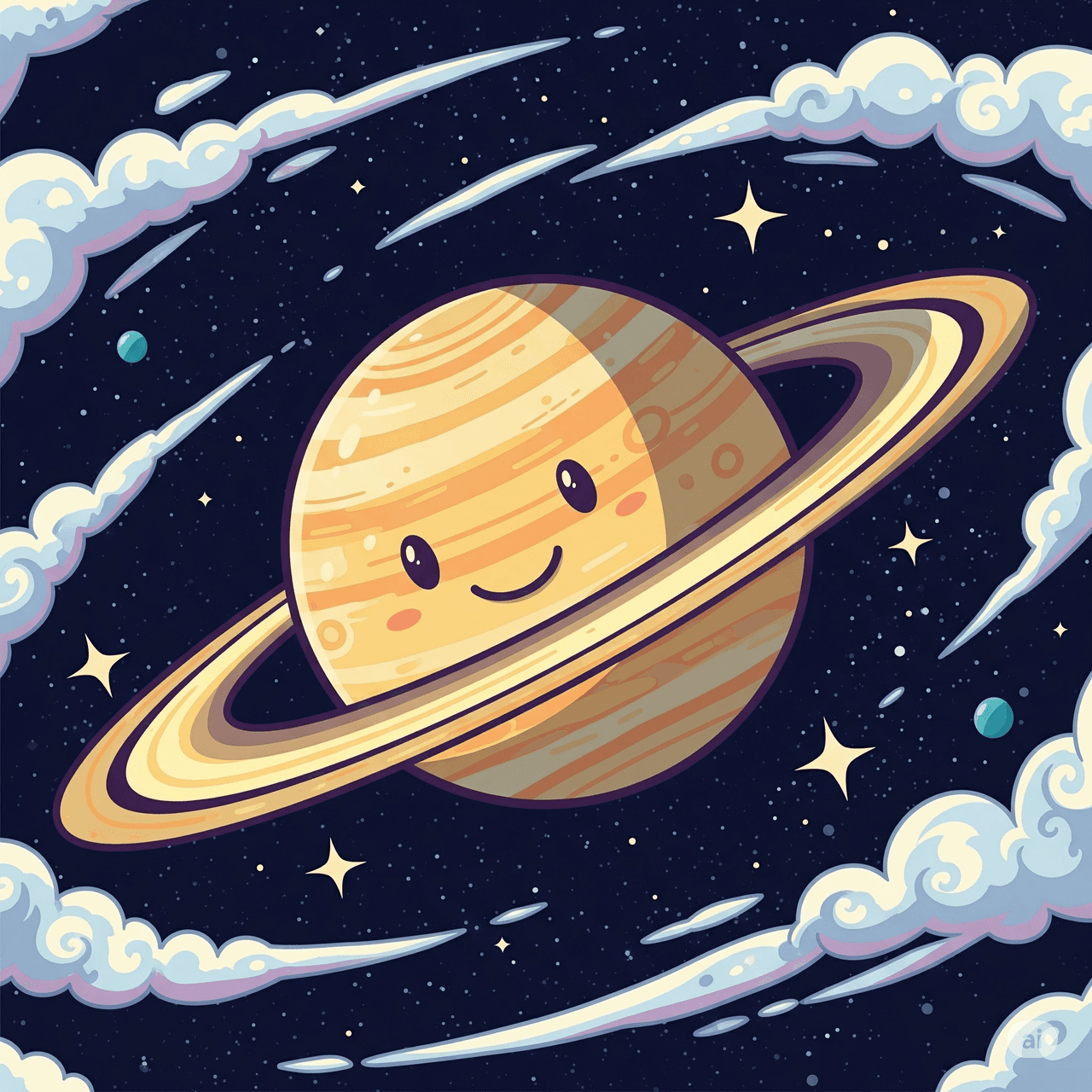
Planets were once described as “wandering points of light” in the sky. At that time, people believed Earth was at the center of the universe. But as science advanced, telescopes were invented and astronomers made new discoveries. We now know that planets orbit a star, can vary in shape and size, and each moves along its own unique orbit. So why is a celestial body classified as a “planet”? Scientists spent years observing the sky to find the answer. Now I will share that answer with you—but don’
EN
Elif Laçin
World
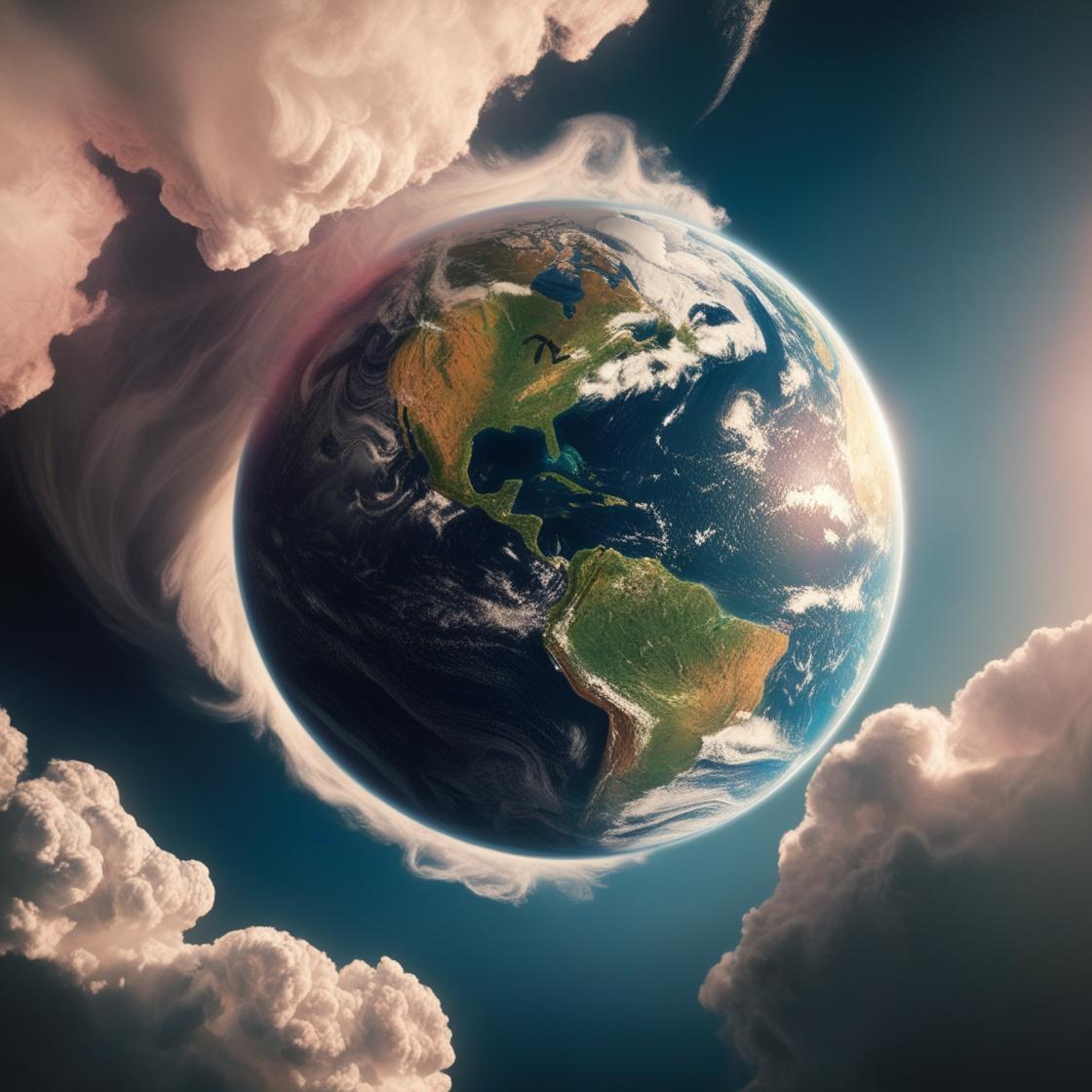
Earth is the third planet from the Sun and the largest of the terrestrial (inner) planets. It is distinguished from all other planets in the Solar System by its dense atmosphere, vast liquid water covering most of its surface, and the complex life forms it supports. Known as the Blue Planet, Earth has a dynamic structure shaped by the interaction of constantly changing geological, atmospheric, hydrological, and biological systems. Position in the Solar System and Fundamental Physical Properties
EN
Caner Sefa Koçyiğit
Neptune
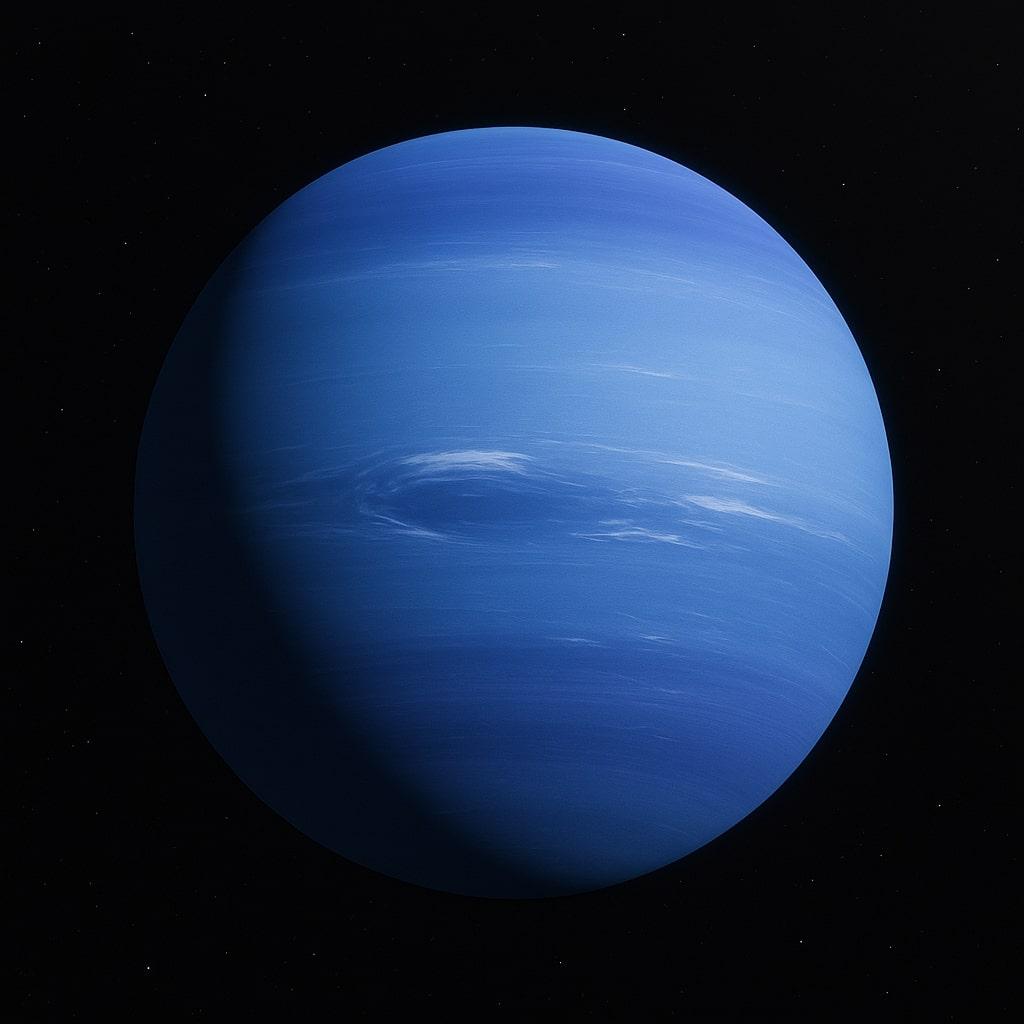
Neptune is the eighth and most distant planet from the Sun in the Solar System, located at an average distance of 2.8 billion miles (4.5 billion kilometers). At a distance of 30 astronomical units (AU), this planet was discovered in 1846 by Johann Gottfried Galle, following calculations by French mathematician Urbain Le Verrier. Neptune is the only planet not visible to the naked eye and is notable for its bluish color. This color arises because methane gas in its atmosphere absorbs red light an
EN
Armağan Arda Çakar
Neptune
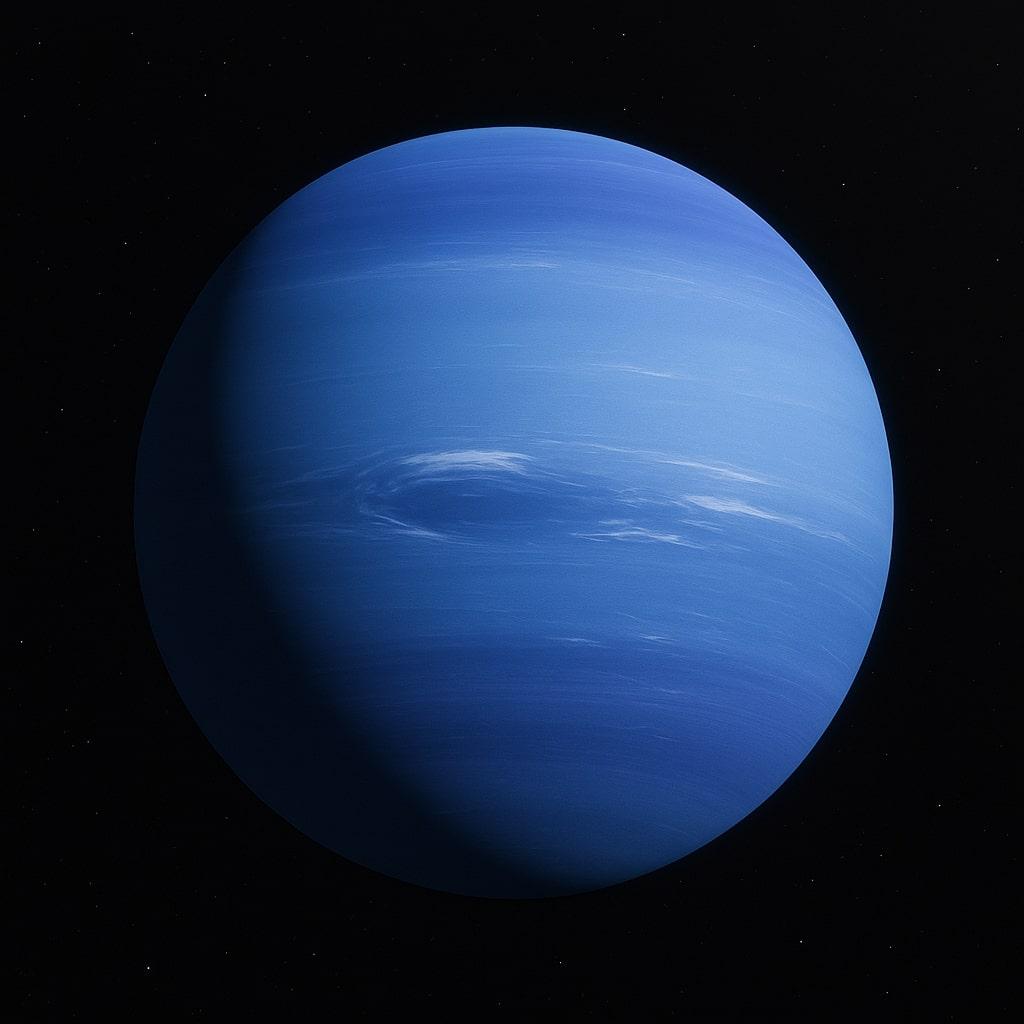
Neptune is the eighth and farthest planet from the Sun in the Sun System, orbiting at an average distance of 2.8 billion mile (4.5 billion kilometers). Located at a distance of 30 astronomical units (AU), this planet was discovered in 1846 by Johann Gottfried Galle, following calculations by French mathematician Urbain Le Verrier. Neptune is the only planet not visible to the naked eye and is notable for its bluish color. This color arises from methane gas in its atmosphere absorbing red light a
EN
Armağan Arda Çakar
UrUranus
Uranus is an ice giant, seventh in distance from the Sun in the Sun System. It is the third largest planet in the Solar System by diameter and has the lowest mass among the four giant planets. Discovered in 1781 by William Herschel, Uranus was the first planet to be identified using a telescope. However, Herschel believed the sky he discovered was either a star or a comet. Observations made two years later by Johann Elert Bode confirmed that the object was a planet, and it was named Uranus. Stru
ENArmağan Arda Çakar
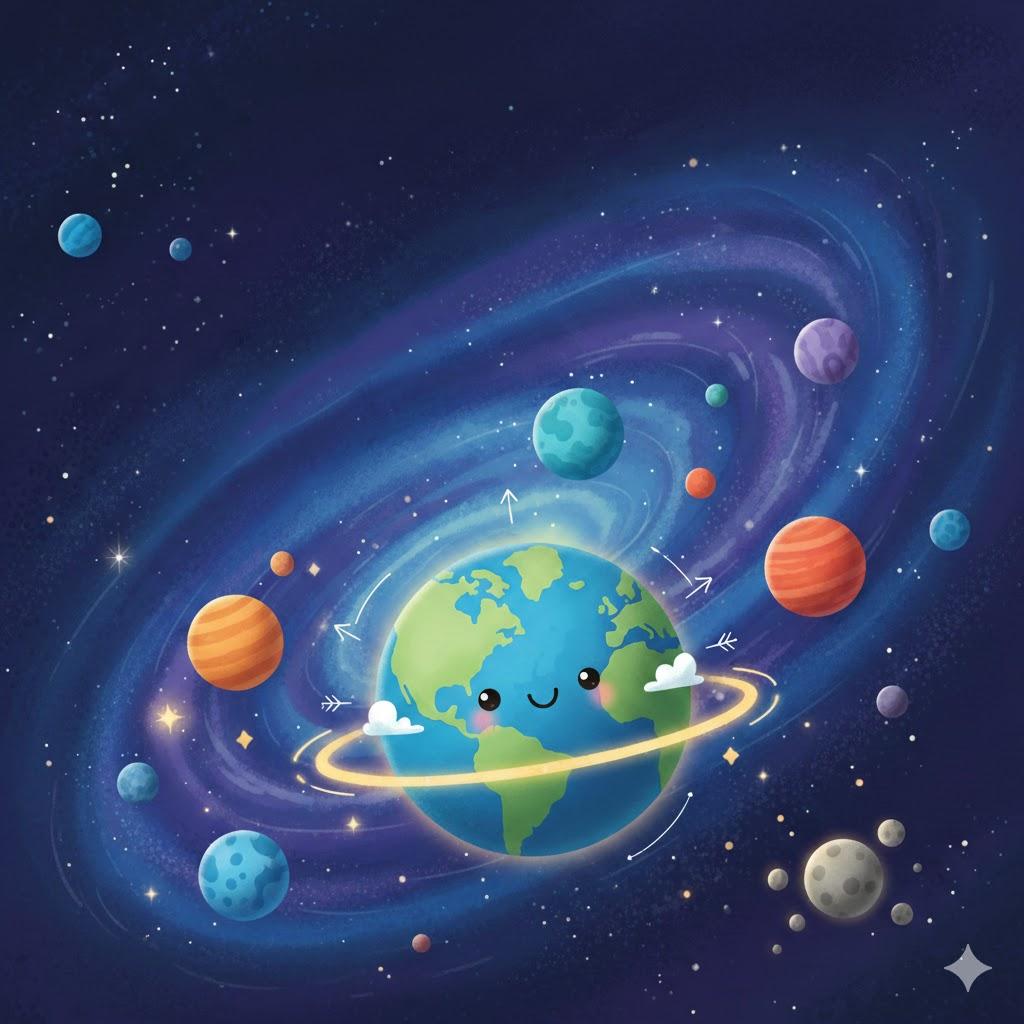
Why Are Planets Round?
Güneş Sistemi’nde bulunan sekiz gezegen; boyutları, yapıları ve Güneş’e uzaklıkları bakımından birbirinden farklı olsa da hepsi temel olarak yuvarlak bir şekle sahiptir. Gezegenlerin bu ortak şeklinin arkasında yatan temel neden, uzaydaki en temel kuvvetlerden biri olan kütle çekimidir. Yapay Zeka ile Oluşturulmuştur. " image-element-format="right" image-source="https://cdn.t3pedia.org/media/uploads/2026/01/24/PIdJFBP7z365yJSvHSFos4kW9cTcGyaD.jpg"> Gravity and the Process of Spherical Formati
EN
Miray GÜR