

`petitioner` Related Article Results
 Th
ThThe Liver of the Soothsayers
Hepatocentrism, the belief that the liver is the center of the body, was embraced by humanity for centuries. The term hepat derives from the Greek word for liver or related to the liver. This perspective gained widespread acceptance across a vast geographical area, from China to Ancient Greece, and from the Arab world to Europe. Indeed, traces of this view can be found in paintings, written sources, and historical accounts from various civilizations that have survived to the present day. In anci
EN
Cüneyt Ayan
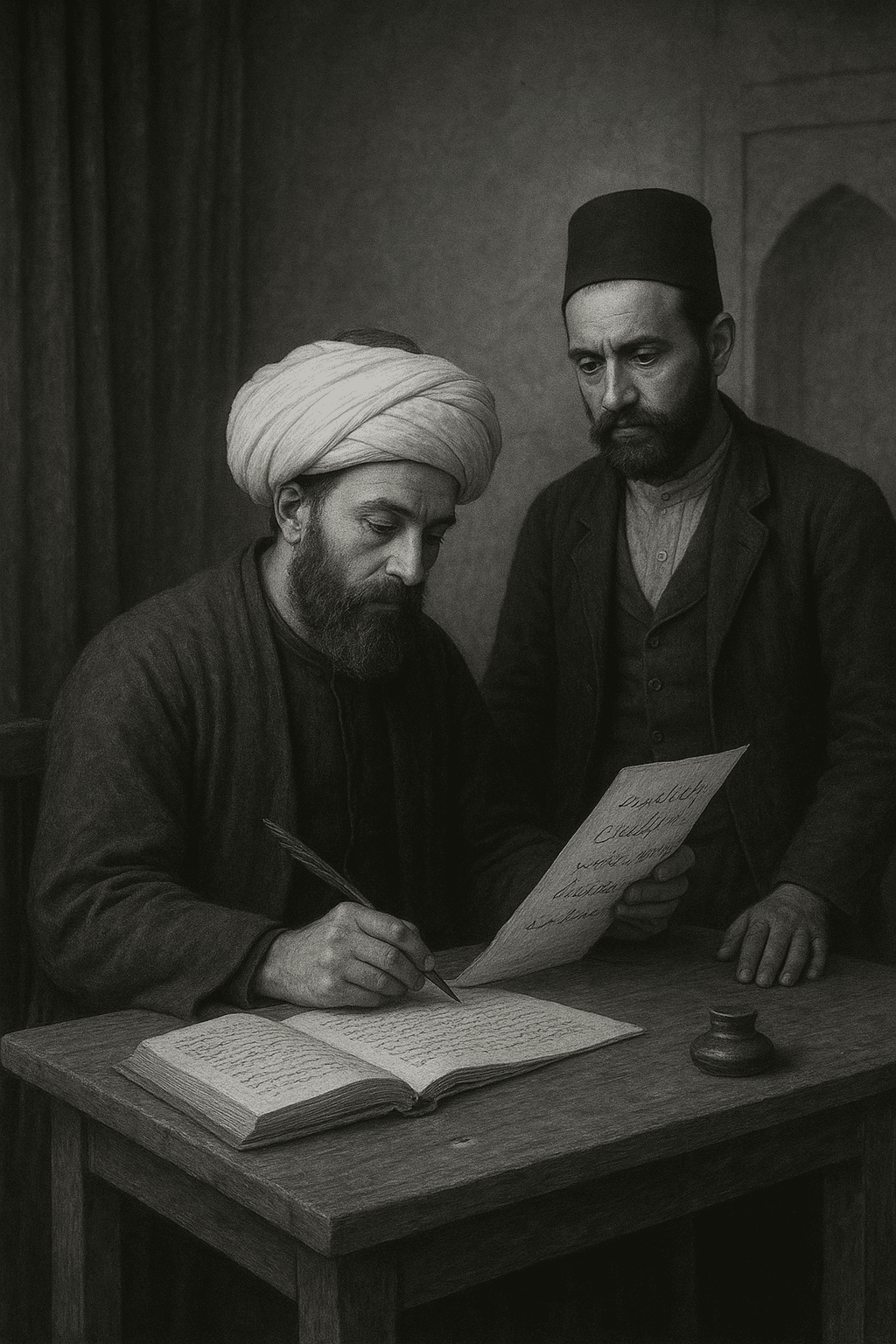
Petitioning
Arzuhalcilik emerged as a profession involving the drafting of arzuhaller, documents through which the public conveyed their requests, complaints, and petitions to authoritative bodies, particularly during the Ottoman period. The term derives from the Persian phrase “arz-ı hâl” (statement of condition), which gradually became widespread in Ottoman Turkish as “arzuhal” and acquired a meaning parallel to the modern concept of “dilekçe” (petition). Arzuhalciler served as the voice of the people, wo
EN
Elif Laçin