

`parody` Related Article Results
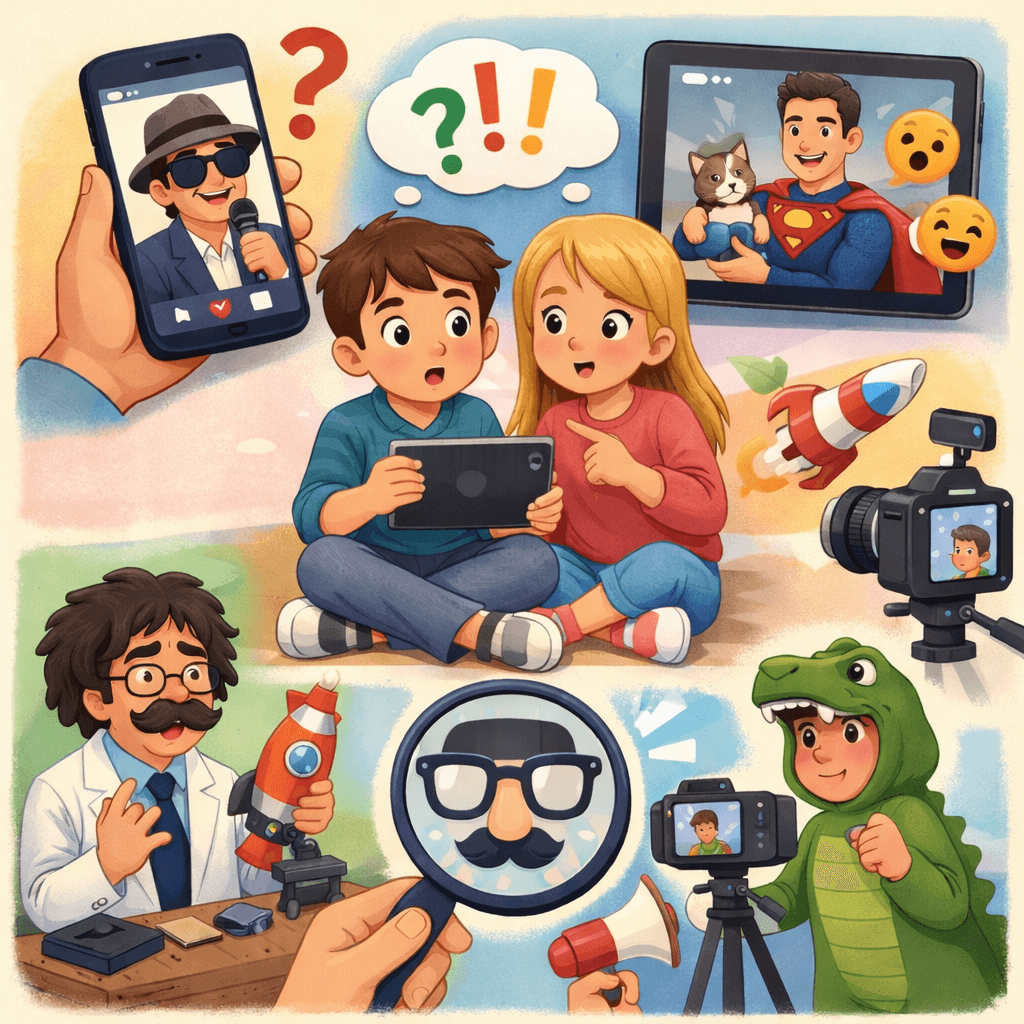
Parody
Parody is the playful reuse of a serious text, situation, or narrative. The form remains similar, but the meaning changes, producing a humorous effect. Parody can encourage children to view and think about what they read and watch from a different perspective. (Generated by artificial intelligence)" image-alternate="" image-element-format="right"> How Does Parody Work? Parody transforms an existing text or content without copying it exactly. It creates a distance between the original meaning
EN
Nursena Güller
Parody
Parody, also known as parody, refers to the creation of a humorous, satirical, or critical effect by preserving the formal characteristics of a serious work or cultural production while altering its content, meaning, or context. Parody imitates a text, style, genre, discourse, or cultural practice; however, this imitation is constructed through a deliberate distance that highlights the difference from the original. In this sense, parody is not a simple copy of the targeted text but a transformat
ENNursena Güller
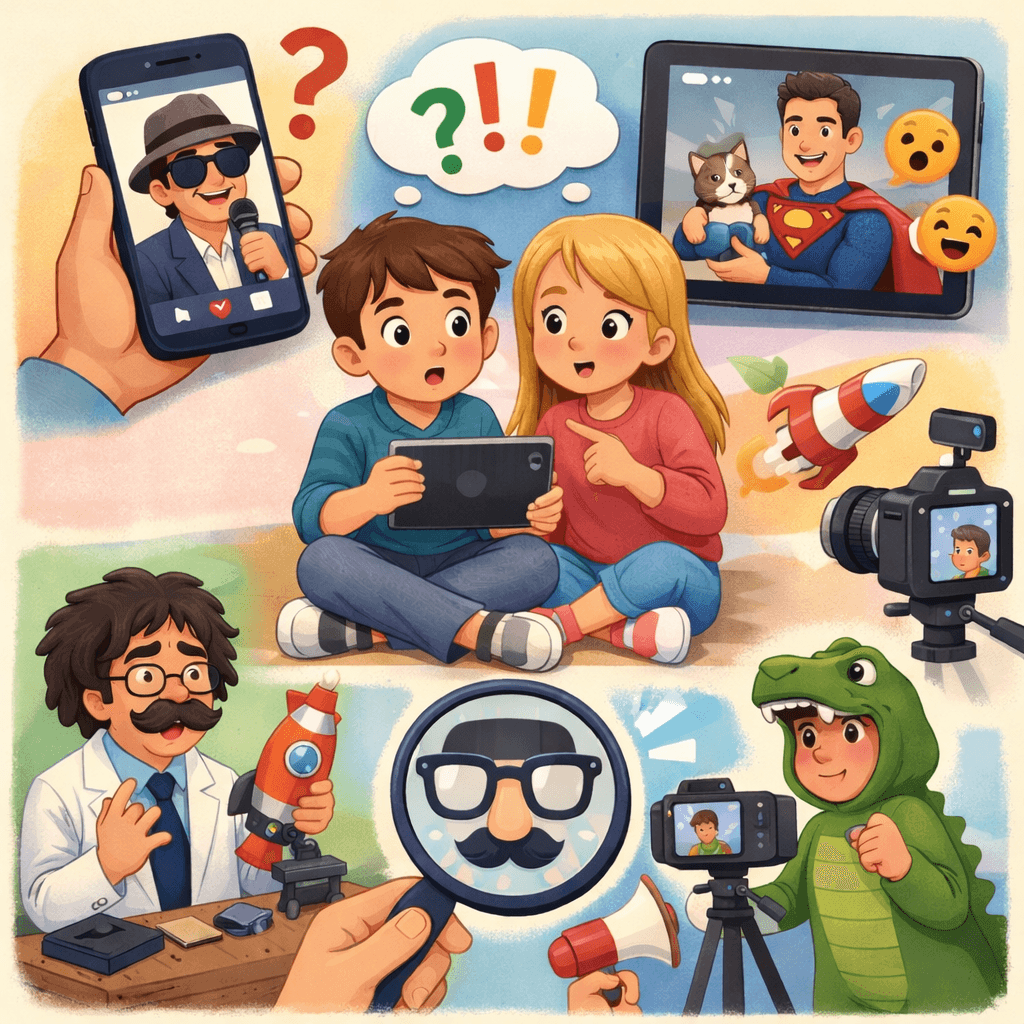
Parody
Parody is the reuse of a serious text situation or narrative in a mocking manner. The form remains similar while the meaning changes, producing a humorous effect. Parody can encourage children to look at and think about what they read and watch from a different perspective. How Does Parody Work? Parody transforms an existing text or content without copying it exactly. It establishes a distance between the original content and the new interpretation. This distance makes the text both humorous and
EN
Nursena Güller

Irony
Irony is a broad concept that has been defined and perceived in various ways throughout history. Generally, it is a communicative skill or method in which the opposite of what is said or done is intended. This definition encompasses situations in which a person appears to praise their interlocutor while actually criticizing and belittling them. Irony is most strikingly manifested in expressions that directly contradict reality, through language and tone. The Origin of Irony The word “irony” deri
EN
Yahya B. Keskin
Parody
Parody, also known as mimicry, refers to the creation of a humorous, satirical, or critical effect by preserving the formal characteristics of a work or cultural production while altering its content, meaning, or context. Parody imitates a text, style, genre, discourse, or cultural practice; however, this imitation is constructed through a deliberate distance that highlights the difference between the imitation and the original. In this sense, parody is not a simple copy of the targeted text but
ENNursena Güller