

`ottoman-cuisine` Related Article Results
 Al
AlAlaşehir Closure
Alaşehir kapaması is a traditional meat dish specific to the Alaşehir district of Manisa in Türkiye’s Aegean Region. This dish, passed down from Ottoman cuisine to the present day, constitutes an important part of the cultural and gastronomic heritage of the Alaşehir region due to its distinctive flavor and preparation method. Registered as a geographical indication in 2022, Alaşehir kapaması is distinguished from similar dishes by its unique recipe, cooking technique, and presentation style. Ge
EN
Şule Bozkurt
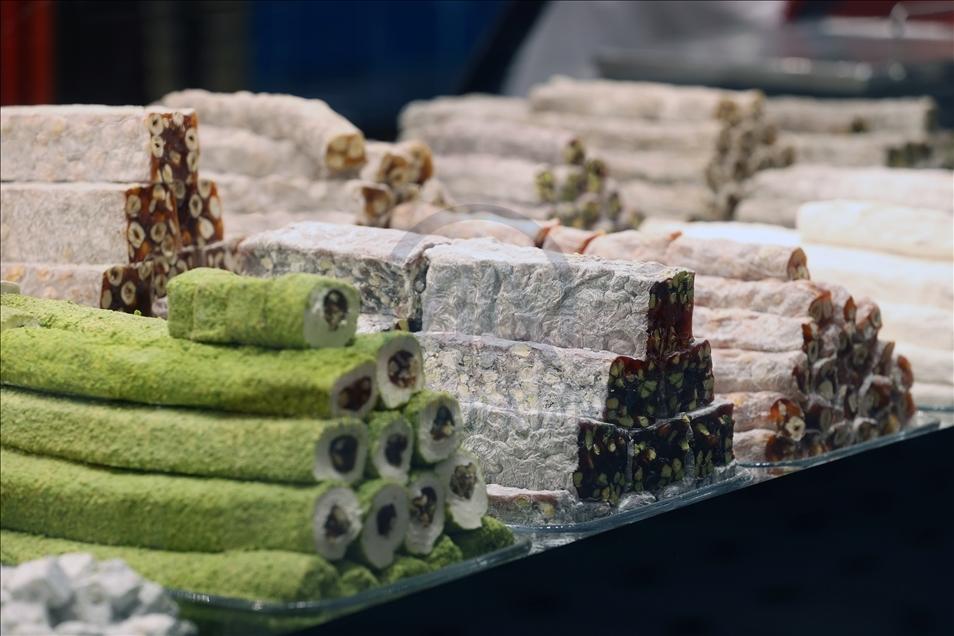
Turkish Lokum
Turkish Delight is a confection made by mixing sugar, water, starch, and acid regulators in specific proportions and cooking them to produce a soft, elastic, and chewable sweet. Citric acid (lemon salt), tartaric acid, or potassium bitartrate (cream of tartar) may be used in its production. Optional additives such as fruit pieces, rose petals, flower extracts, hazelnuts, pistachios, walnuts, coconut, and kaymak may be added according to preference. According to the Turkish Food Code, Turkish Del
EN
Zelal Çakar
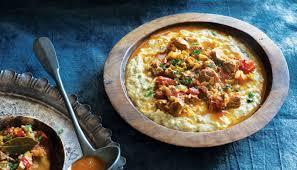
Hünkârbeğendi
Hünkârbeğendi’s origins trace back to Ottoman palace cuisine and are believed to have emerged in the 19th century. The dish’s name derives from the words "hünkâr" (sultan) and "beğendi" (liked, enjoyed), meaning "the sultan’s favorite." According to one account, when Sultan Abdülaziz (1830–1876) visited France, Empress Eugénie de Montijo (wife of Emperor Napoleon III of France) was a guest in Istanbul. The palace chefs prepared some of the most exquisite dishes of Ottoman cuisine to offer, inclu
EN
İrem Hatip
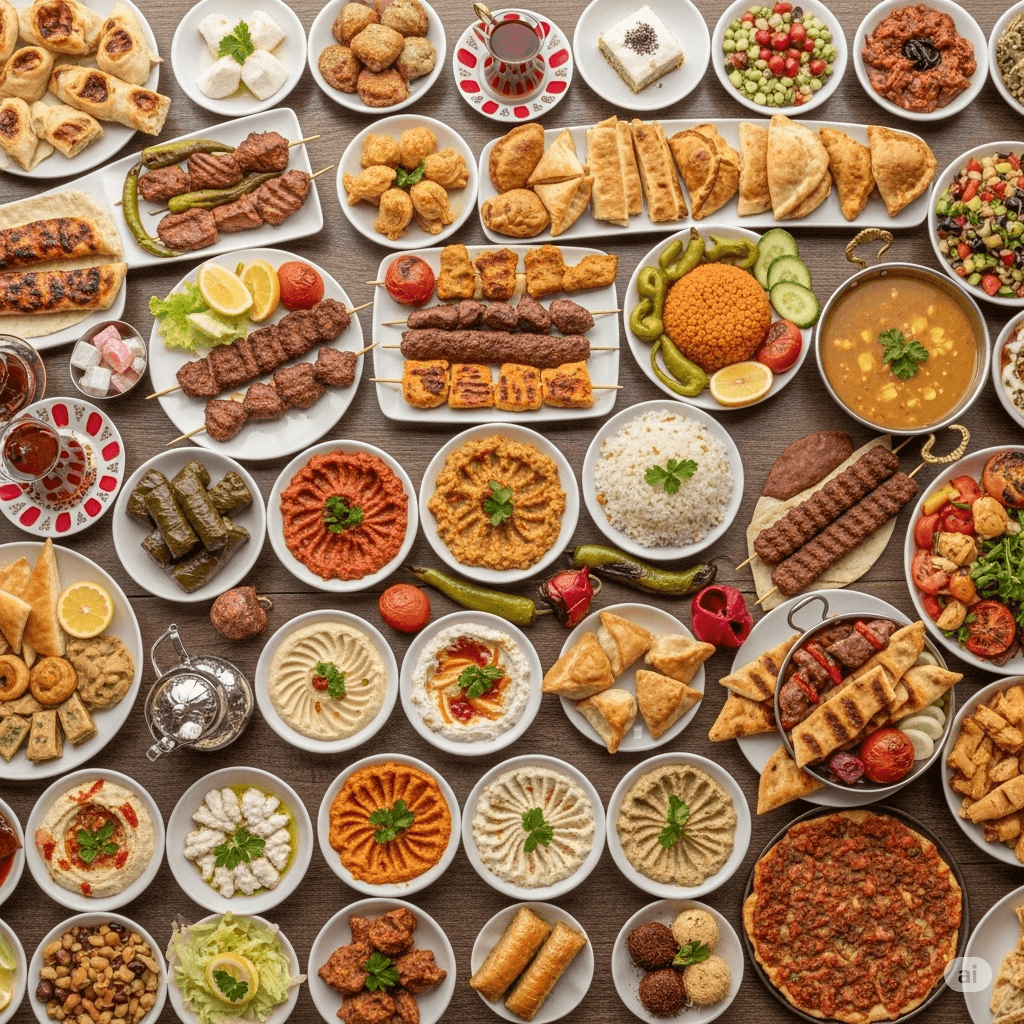
Turkish Cuisine
Turkish cuisine is a cultural system encompassing the foods and beverages unique to Türkiye, their preparation, cooking, and storage methods, the tools and techniques required for these processes, eating habits, and all practices and beliefs surrounding the kitchen. It has been shaped and enriched by numerous factors including historical processes, geographical conditions, interactions with other cultures, and ecological and economic structures. In various sources, it is recognized as one of the
EN
Yunus Emre Yüce
KoKonuralp Rice Pilaf with Yufka (Yufkalı Konuralp Pilavı)
Yufkalı Konuralp Pilavı is a traditional pilaf dish specific to Düzce province, prepared with Konuralp rice and containing boiled beef, chickpeas, and bone broth. After cooking, homemade yufka (thin phyllo dough) or thin lavash is spread on top and served hot. This dish, which dates back to the Ottoman period, is closely linked to its geographical origin and is one of the important representatives of the local culinary culture. History The history of Yufkalı Konuralp Pilavı dates back to the Ott
ENŞule Bozkurt
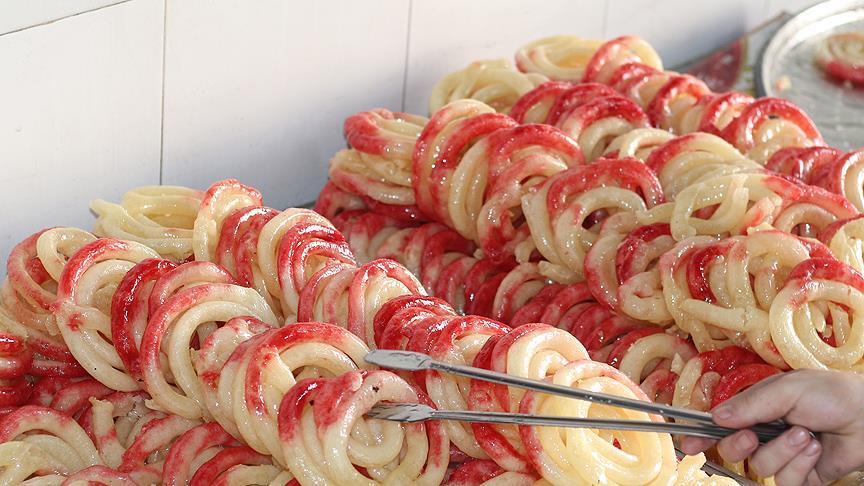
Ramazan Halva (Zülbiye)
Ramazan Helvası is a traditional sweet widely consumed in the Bergama region of Türkiye, also known as Zülbiye. This dessert, commonly served on iftar tables during the month of Ramadan, is prepared using basic ingredients such as flour, sugar, and fat, and is distinguished by its unique texture. Ramazan helvası, as part of Bergama’s cultural heritage, is enjoyed by both locals and visitors. History and Origins The origins of Ramazan helvası trace back to traditional Turkish sweets rooted in Ott
EN
Meryem Beyza Utkulu
EdEdirne Liver Wrap
Edirne Liver Wrap is one of the traditional meat dishes belonging to the Thrace culinary culture, and it is a unique flavor, particularly associated with the Edirne province. This dish is prepared by finely slicing beef liver into thin strips and wrapping a filling—made by mixing rice, various spices, and other offal products—inside lamb caul fat (abdominal membrane). The preparation process of Edirne Liver Wrap requires a high level of manual skill and experience. It is considered one of the tr
EN
Sinem Bostan
EdEdirne Almond Paste
Edirne Almond Paste (Edirne Badem Ezmesi) is a traditional dessert unique to the city of Edirne, Türkiye. Protected by a geographical indication, this confection is a type of almond paste made by blending almonds and sugar in specific proportions. With origins tracing back to the Ottoman palace cuisine, it holds cultural and gastronomic significance today. History and Cultural Background The history of Edirne Almond Paste dates back to the 15th century. During the Ottoman era, it was especially
ENSinem Bostan
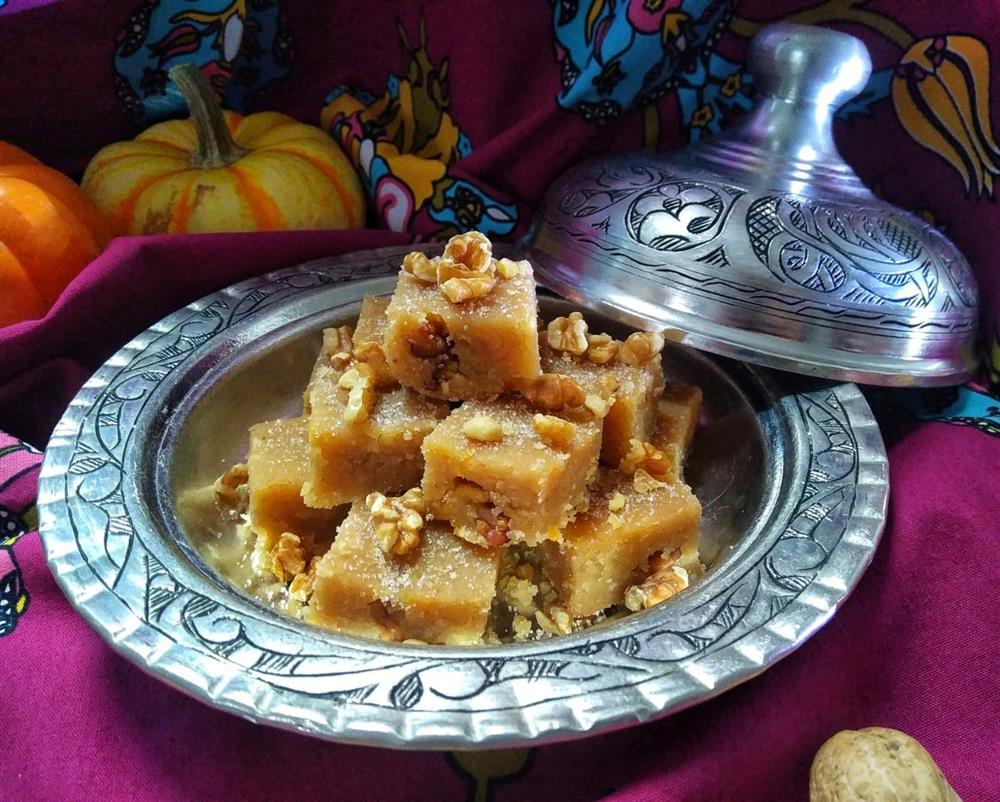
Un Helvası
Un helvası is a type of halva prepared by roasting flour, fat, and sugar, and is among the traditional desserts found in many regions of Türkiye. Similar versions of un helvası, made using comparable techniques across different parts of the country, are commonly served during religious and cultural ceremonies, when hosting guests, and on various special occasions. Historical Background Un helvası is one of the halva varieties that held an important place in Ottoman cuisine. The culture of halva
EN
Zeynep Şule Bingöl
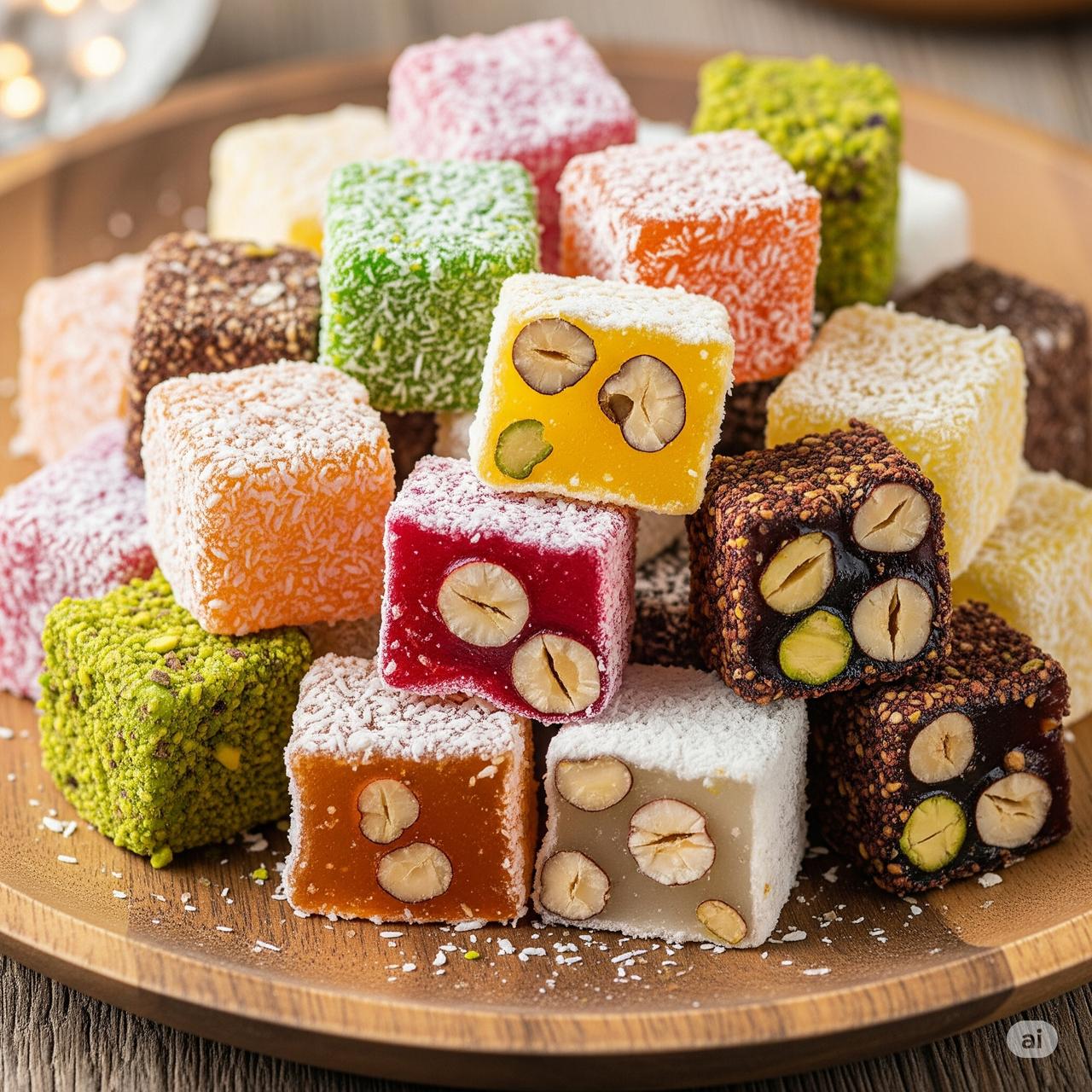
Turkish Lokum
Think of something sweet, soft, and colorful! This treat, dusted with powdered sugar and often filled with surprises like pistachios or rose scent, is called lokum! Turkish Delight Think of something sweet, soft, and colorful! This treat, dusted with powdered sugar and sometimes containing pistachios or rose fragrance, is called lokum. This world-famous Turkish confection has been delighting palates for hundreds of years. Lokum is not just a dessert—it is also a delicious part of our culture! Ho
EN
Sıla Kayacik