

`orbit` Related Article Results
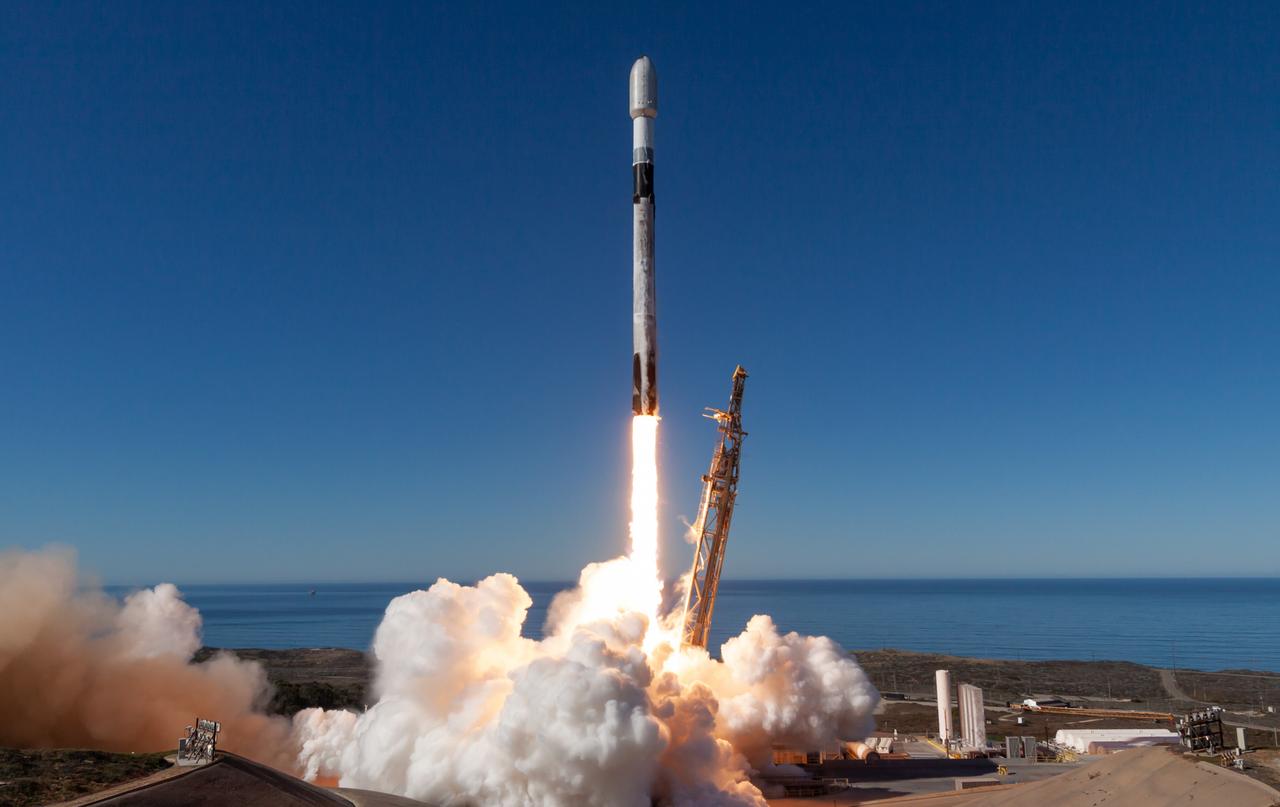
FGN-100-d1 Satellite
FGN-100-d1 is a microsatellite developed by Fergani Space, established by Baykar Board Chairman and Technology Leader Selçuk Bayraktar. It was launched into space on 14 January 2025 and successfully entered orbit. Launch and Orbital Insertion The satellite was launched into space on 14 January 2025 at 22:09 Türkiye Time (TSİ) aboard SpaceX’s Falcon 9 rocket as part of the Rideshare Program’s Transporter-12 mission from Vandenberg Space Force Base. It separated from the launch vehicle 62 minutes
EN
Edanur Karakoç
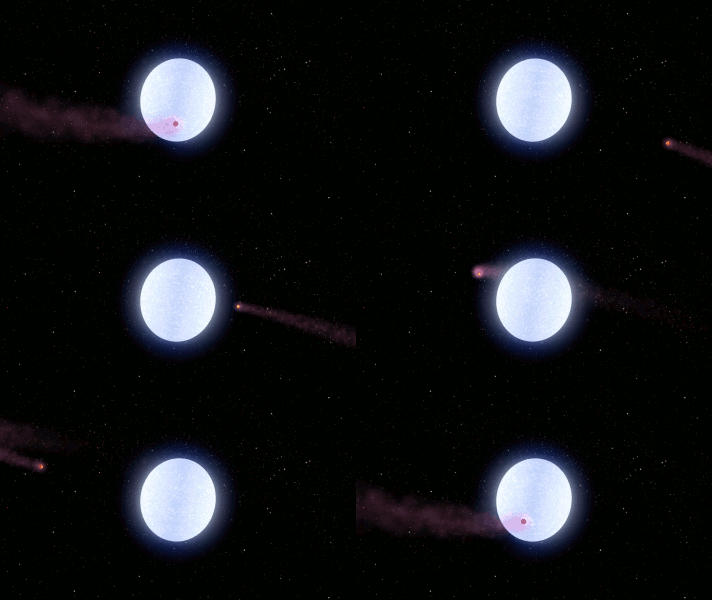
KELT-9b
KELT-9b is a gas giant exoplanet that stands out among extrasolar planets due to its physical and atmospheric properties. Discovered in 2016, it has become a significant subject in scientific research as one of the planets with the highest surface temperatures ever detected. Discovery Information KELT-9b was discovered in 2016 as part of the KELT (Kilodegree Extremely Little Telescope) project. This discovery was made during a sky survey led by Ohio State University in the United States. The fin
EN
Osman Özbay
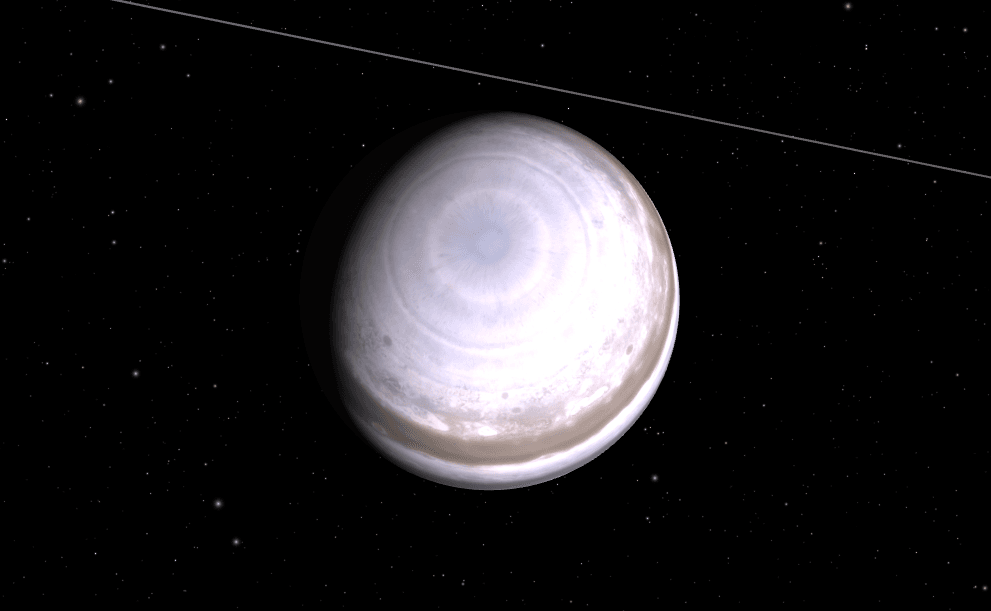
HD 108874 b
HD 108874 b is a gas giant exoplanet located approximately 222 light years from Earth in the direction of the Coma Berenices constellation. It orbits the Sun-like star HD 108874 and is the closer of the two known planets in the system. Its discovery attracted attention within the astronomical community due to its position just inside the habitable zone of its host star and its dynamic interaction with another giant planet. HD 108874 b (NASA) " image-element-format="right" image-source="https://c
EN
Erhan Şencan
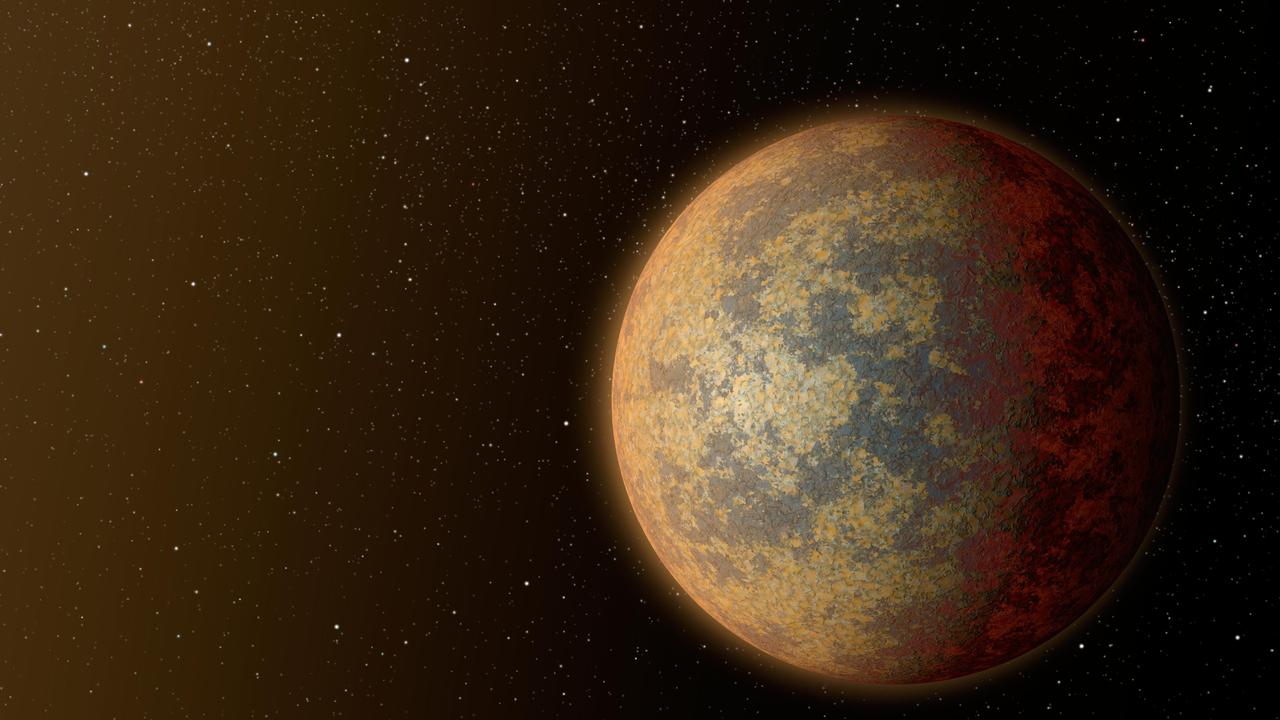
HD 219134 b
HD 219134 b (HR 8832 b) is a super-Earth located just 21.25 light years from Earth in the direction of the Cassiopeia constellation. This planet is one of the closest known transiting exoplanets. It orbits a K-type star named HD 219134. The high-precision measurement of both its mass and radius has made HD 219134 b an important reference point for scientific studies on the densities and internal structures of rocky exoplanets. Based on the obtained data, its dense structure suggests that it like
ENErhan Şencan
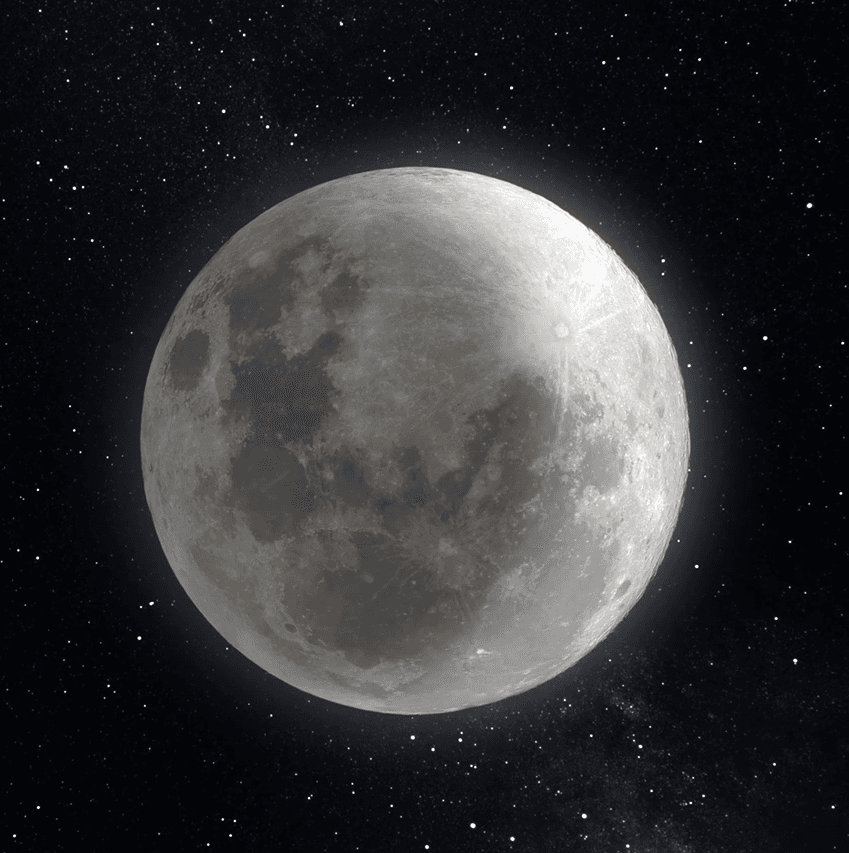
Why Does a Lunar Eclipse Not Occur Every Month?
Lunar eclipse is one of the most captivating and impressive phenomena in the sky. Since the earliest periods of human history, this celestial display has drawn the attention of both scientists and casual observers. The reddish hue that appears on the Moon’s surface, its appearance as a massive sphere silently suspended in the sky, and the celestial mechanics behind it all make for a deeply intriguing subject. Yet despite the Moon orbiting Earth regularly every month, we do not witness this speci
EN
Mehmet Bağcı
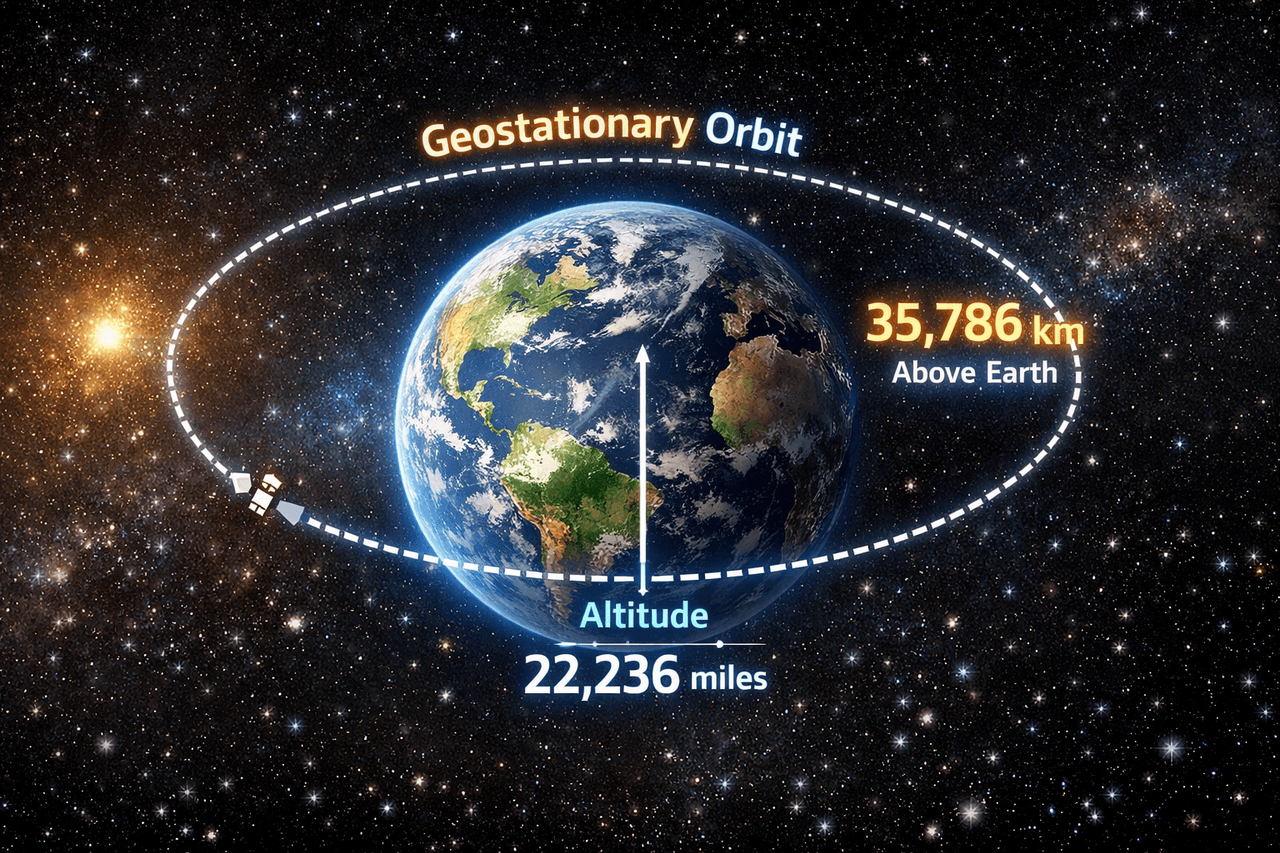
Geostationary Orbit (GEO)
Geostationary orbit (GEO) is a special orbit located in the equatorial plane, in which a spacecraft orbits at the same angular velocity as Earth’s rotation. Under these conditions, satellite appears fixed at the same longitude in the sky to an observer on Earth’s surface. This stationary appearance is the defining characteristic of the geostationary orbit. Orbital Altitude, Speed, and Period The geostationary orbit is located at an altitude of approximately 35,786 km above Earth’s surface. At th
EN
Hüsnü Umut Okur
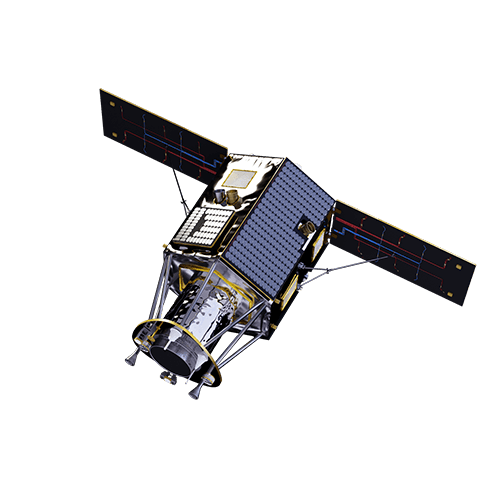
İMECE Satellite
İMECE is Türkiye’s first domestically developed Earth observation satellite with sub-meter resolution, utilizing national capabilities. The project was undertaken to design, manufacture, and test satellite subsystems—including a high-resolution electro-optic satellite camera—entirely within Türkiye. Developed by TÜBİTAK Space Technologies Research Institute, the satellite was implemented under the coordination of the Ministry of National Defense and the Presidency of Defense Industries, with sup
EN
Zelal Çakar
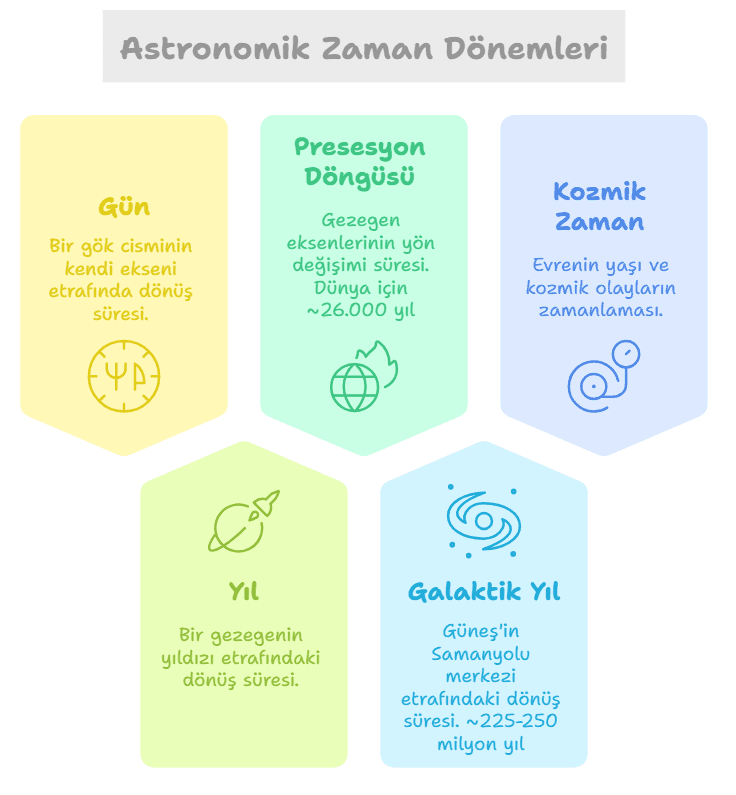
Astronomical Time in the Solar System
In astronomy, the concept of time【1】 is not limited solely to the cycles of day and night or seasonal changes on World. On the scale of the Sun System, planetary motions, orbital cycles, and gravitational interactions determine many factors that define different dimensions of time. In astronomy, time is a system of measuring time based on the movements of celestial bodies and large-scale processes in the universe. Beyond daily and annual cycles on Earth, it encompasses much longer time intervals
EN
Oksana Gülünay
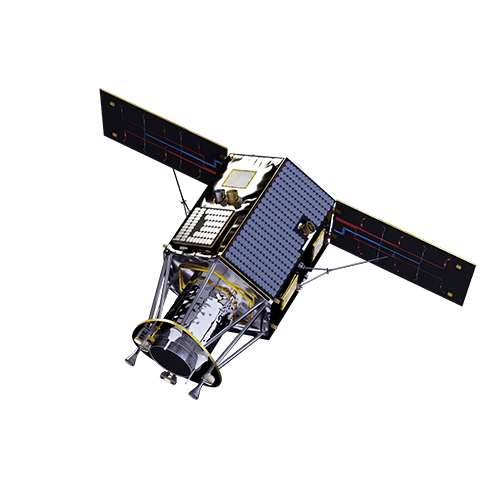
İMECE Satellite
İMECE is Türkiye’s first domestically developed sub-meter resolution Earth observation satellite. The project was carried out with the aim of designing, manufacturing, and testing satellite subsystems—including a high-resolution electro-optic satellite camera—entirely within the country. Developed by TÜBİTAK Space Technologies Research Institute, the satellite was implemented under the coordination of the Ministry of National Defense and the Defense Industries Presidency, with support from the P
EN
Zelal Çakar
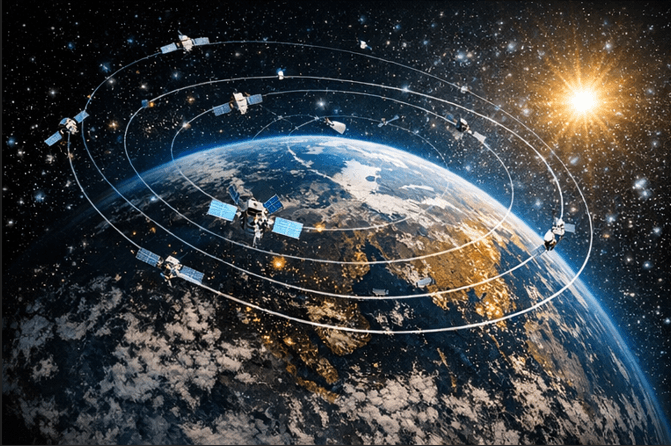
Medium Earth Orbit (MEO)
Medium Earth Orbit (MEO) is the orbital region that spans the altitude range between Low Earth Orbit (LEO) and Geostationary Earth Orbit (GEO). MEO occupies altitudes between LEO and GEO and is often analyzed in relation to the Van Allen radiation belts according to many definitions. Orbital Altitude Velocity and Period Medium Earth Orbit refers to a band of altitudes rather than a single fixed altitude. In some definitions the upper limit of LEO is set at approximately 2000 km and MEO extends f
ENHüsnü Umut Okur