

`oil-wrestling` Related Article Results
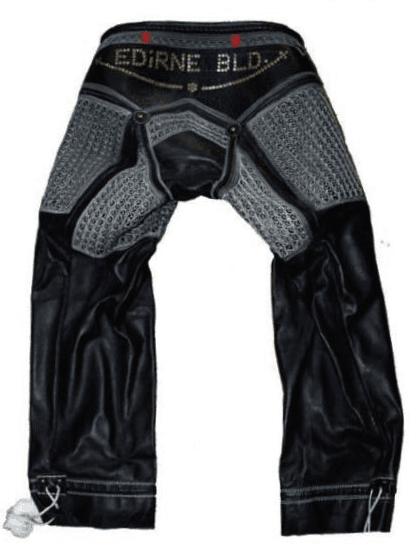
Kıspetçilik
Kıspetçilik, geleneksel Turkish oil wrestling is a craft profession focused on the production of the kıspet worn by wrestlers. The kıspet is a durable and flexible wrestling garment extending from the waist to below the knee, made from buffalo, cattle or male goat leather. As one of the fundamental elements of Turkish wrestling culture, the kıspet has a unique design that allows wrestlers to maintain their mobility while preventing opponents from easily gripping it. The profession of kıspetçilik
EN
Sümeyra Uzun
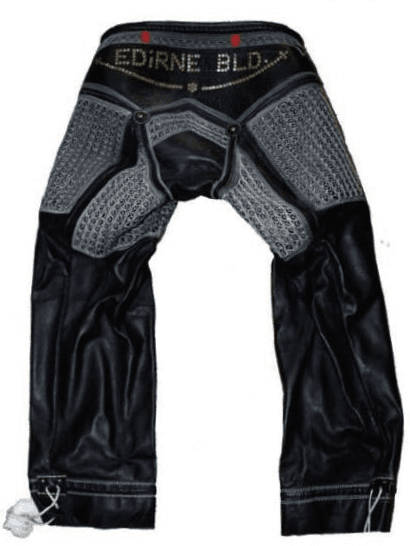
Kıspetçilik
Kıspetçilik is a traditional craft involving the production of the Turk oil wrestling garment known as the kıspet. The kıspet is a durable and flexible wrestling attire extending from the waist to below the knee, made from buffalo, cattle, or male goat leather. As one of the fundamental elements of Turkish wrestling culture, the kıspet has a unique design that preserves the wrestler’s mobility while preventing opponents from easily gripping it. The craft of kıspetçilik has been passed down from
EN
Sümeyra Uzun
Kırkpınar Oil Wrestling
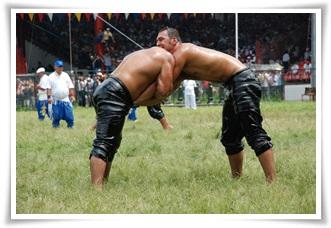
Kırkpınar Oil Wrestling is a traditional Turkish wrestling event held annually in the province of Edirne. Recognized by UNESCO in 2010 as part of the Representative List of the Intangible Cultural Heritage of Humanity, it is one of the longest-running organizations of yağlı güreş, Turkey’s ancestral sport. Historical Background The origins of the Kırkpınar Wrestling date back to the Ottoman period. According to tradition, in the 14th century, forty warriors from the retinue of Sari Saltuk halted
EN
Zeynep Şule Bingöl
Kırkpınar Oil Wrestling
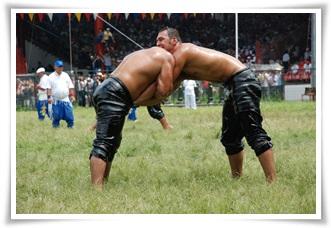
Kırkpınar Yağlı Güreşleri is a traditional Turkish oil wrestling event held annually in the province of Edirne. Recognized by UNESCO in 2010 as part of the Representative List of the Intangible Cultural Heritage of Humanity, it is one of the longest-running organizations of yağlı güreş, Türkiye’s ancestral sport. Historical Background The origins of the Kırkpınar Güreşleri date back to the Ottoman period. According to tradition, forty warriors from the retinue of Sarı Saltuk halted during a camp
EN
Zeynep Şule Bingöl
Karamürsel (District)
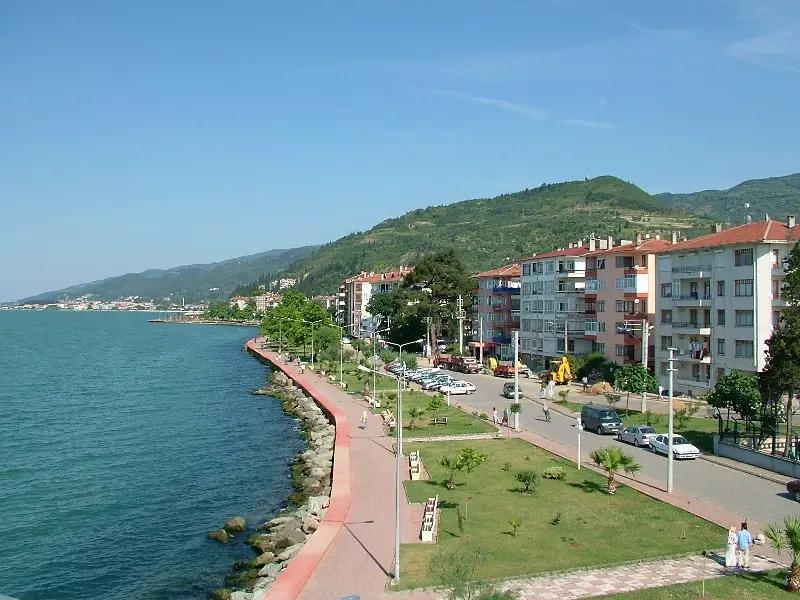
Karamürsel is a coastal district of Türkiye, located in the province of Kocaeli. Situated on the southern shore of the Gulf of İzmit, near the western tip of the Armutlu Peninsula, Karamürsel holds historical significance as both a transit route and a maritime center. It is traditionally regarded as the birthplace of the Ottoman Navy. Today, the district continues to thrive through agriculture, tourism, and maritime activities. Aerial View of Karamürsel Harbor (Pexels) " image-alternate="" image
EN
Sümeyye Akkanat Terzioğlu
Kispet (Kisbet)
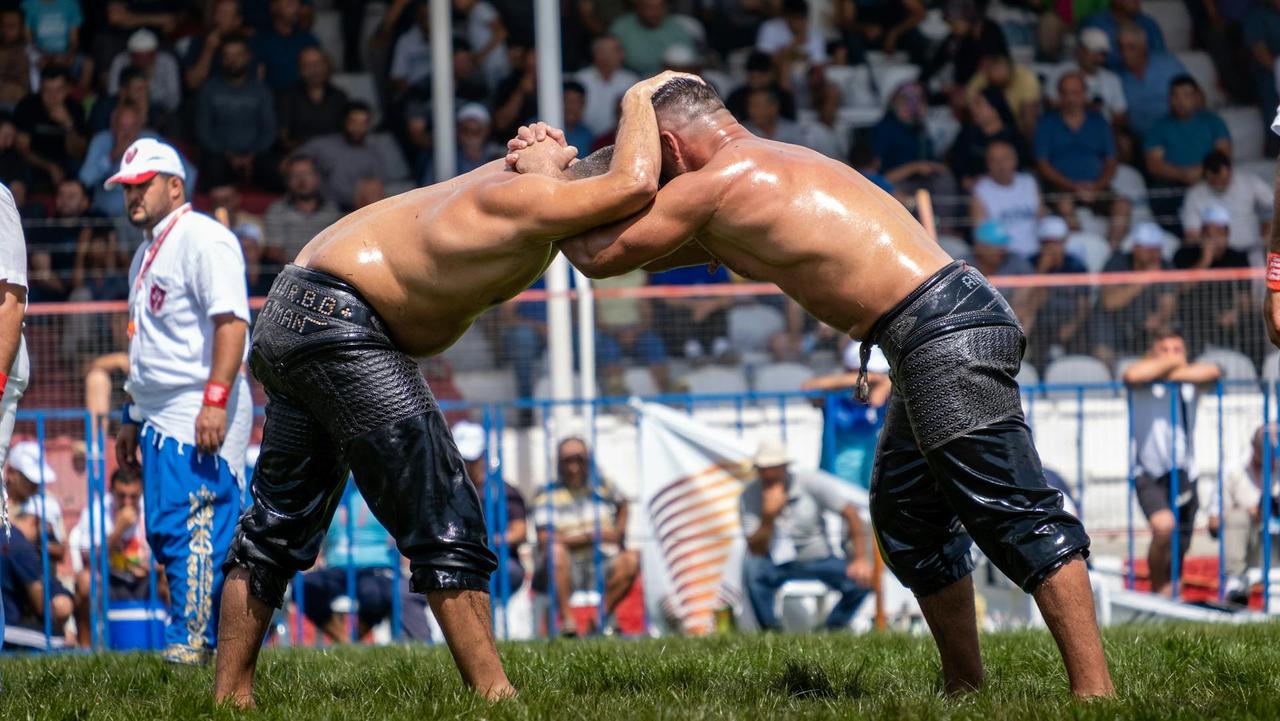
Kispet is the fundamental garment of traditional Turkish wrestling, known as oil wrestling (yağlı güreş). Designed as a leather pant extending from the waist to just below the knees, it is buttonless and beltless. Kispet is specially tailored to provide flexibility and ease of movement without restricting the wrestler's agility. History and Cultural Origins of Kispet The origins of kispet trace back to Central Asia. In the nomadic lifestyle of the Turks, leather craftsmanship played a significan
EN
Mehmet Salih Çoban