

`neslitehlikede` Related Article Results
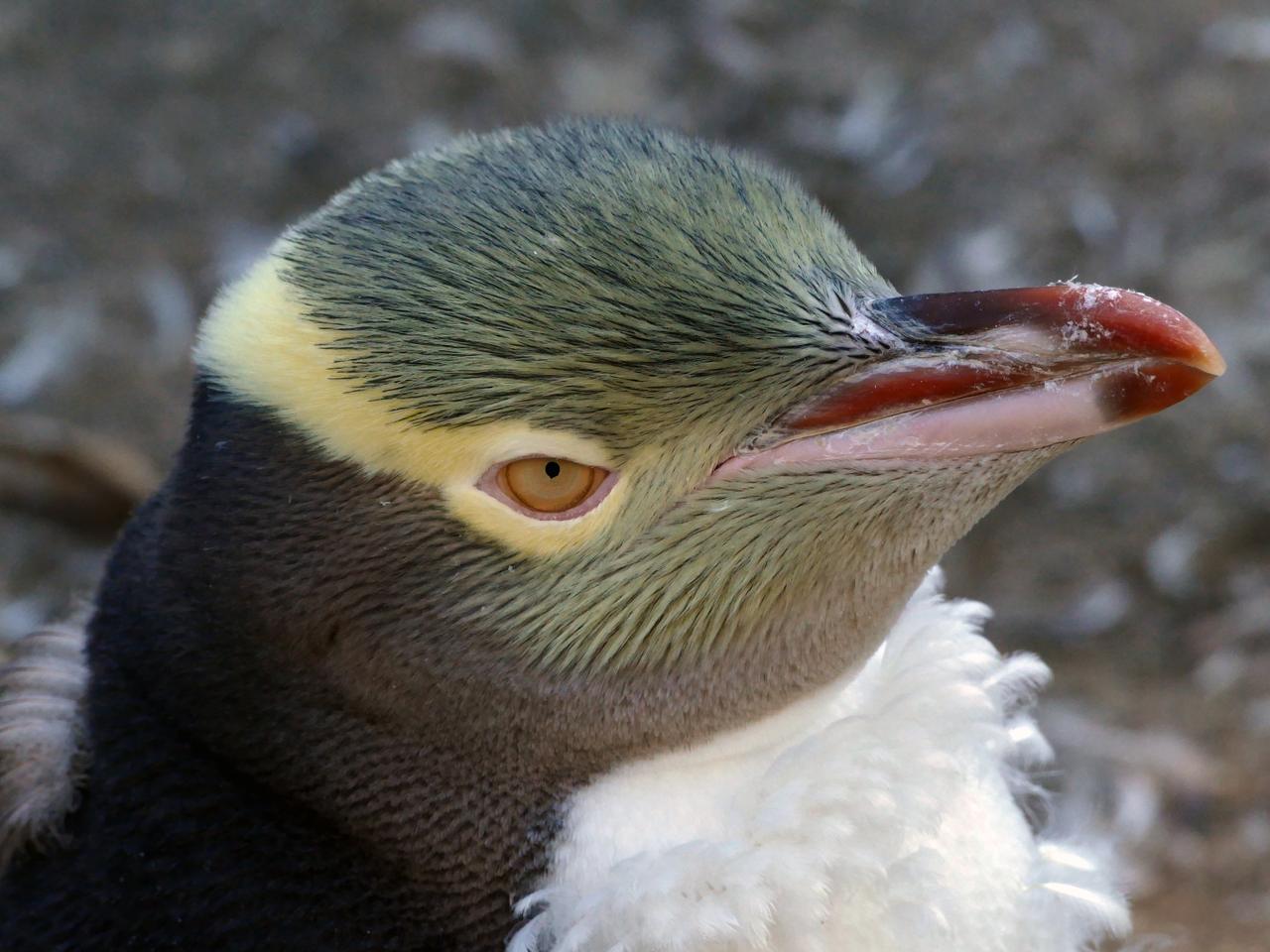
Yellow-eyed Penguin (Megadyptes antipodes)
The yellow-eyed penguin (Megadyptes antipodes) gets its name from its distinctive yellow eye iris and the bright yellow band extending backward from its eyes; It is the rarest penguin species on the New Zealand mainland, with its range limited to the southern and southeastern coasts of the South Island, Stewart Island, and the Subantarctic Islands, and is strictly confined to quiet coves in slopes and valleys covered with dense vegetation. Estimated at approximately 7,000 individuals in the earl
EN
Buse Nur ŞEN
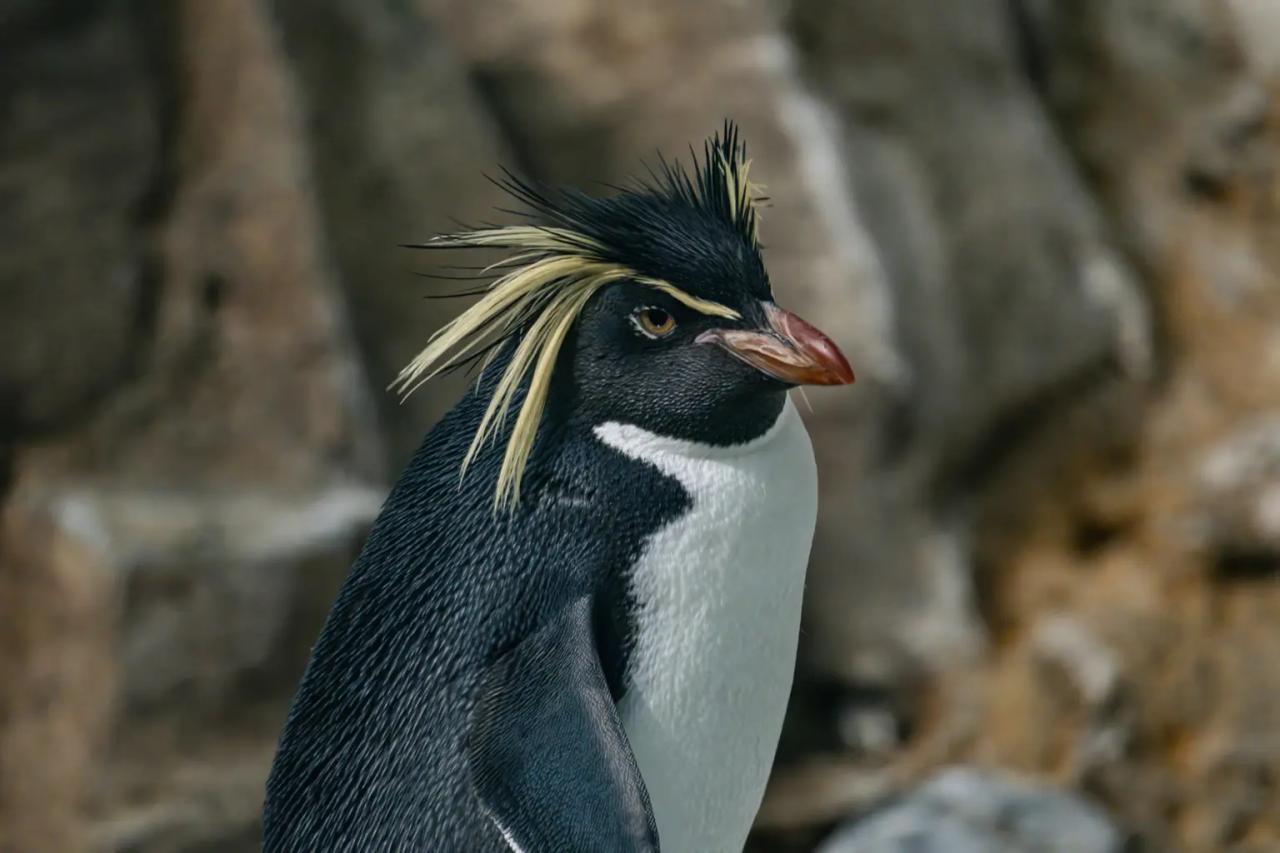
Northern Rock-Hopping Penguin (Eudyptes moseley)
The North Rockhopper Penguin (Eudyptes moseleyi) is a penguin species that breeds only on seven islands in the South Atlantic and Indian Oceans, and therefore has a limited distribution. These islands include Tristan da Cunha, Gough, Amsterdam and Saint Paul. The main concentration of the global population is observed on Tristan da Cunha and Gough Islands. According to recent global assessments, the total number of individuals is estimated to be approximately 270,000 pairs. When examining curren
ENBuse Nur ŞEN
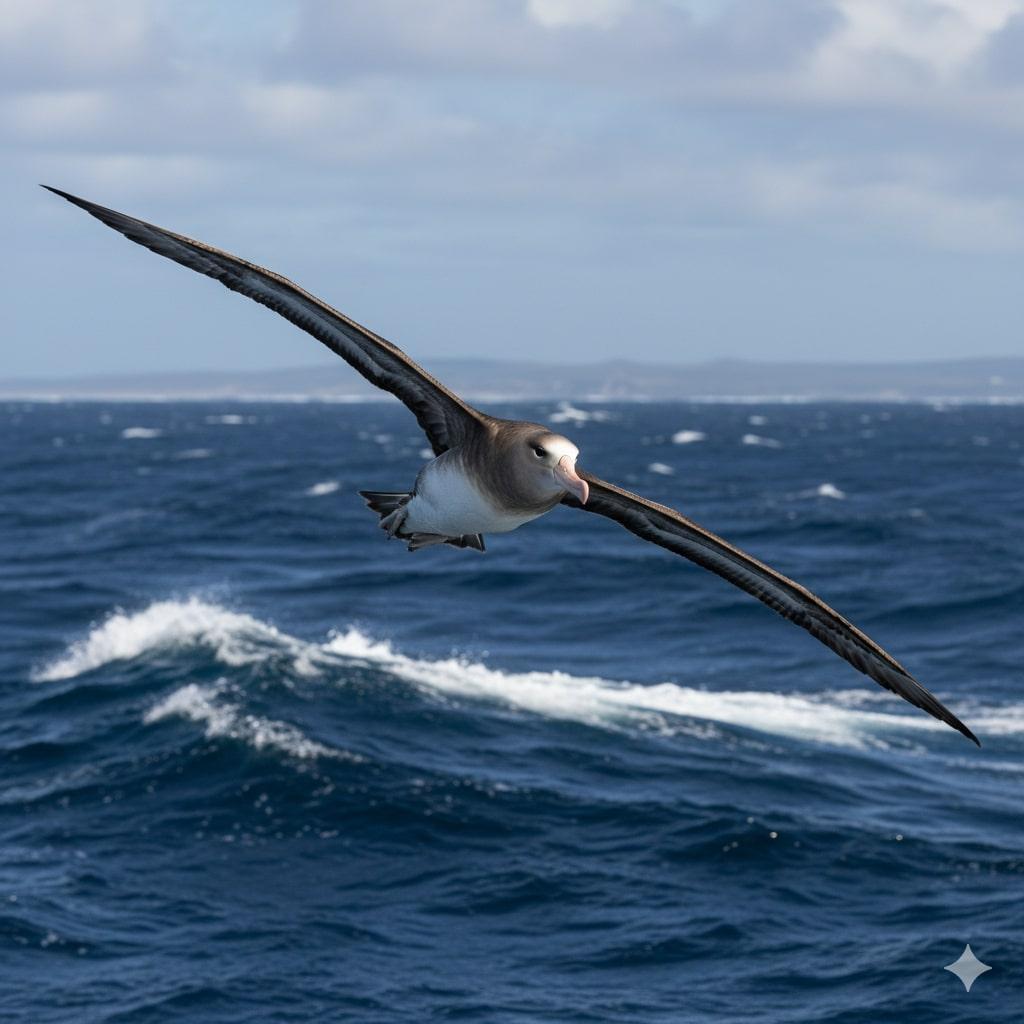
Snowy Albatross (Diomedea exulans)
The snowy albatross (Diomedea exulans) is a large seabird that can grow to considerable sizes and spends much of its life soaring over the oceans. Taxonomy and Morphological Characteristics The snowy albatross is a member of the animal kingdom (Animalia), the bird class (Aves), the order (Procellariiformes), and the albatross family. Its scientific name, Diomedea exulans, was given by Linnaeus in 1758. Reaching a length of approximately 115 cm, this species has a variable plumage that whitens wi
EN
Nursena Şahin
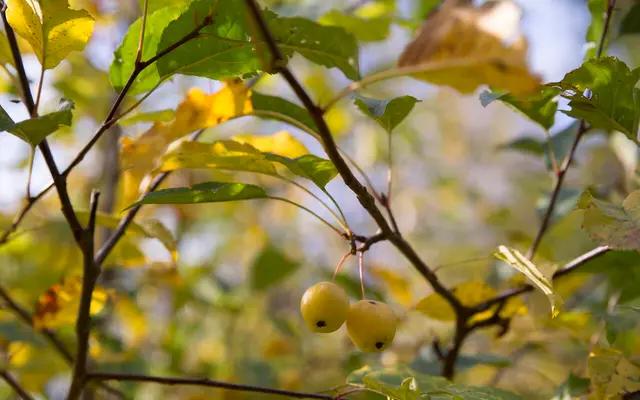
Wild Apple (Malus sieversii)
Malus sieversii is a tree species in the Rosaceae family that is believed to be the primary ancestor of domesticated apples (commercial apple varieties). This wild relative, which is of global importance as a genetic resource, is threatened in the wild, and its populations are rapidly declining. Taxonomy and Geographic Distribution Malus sieversii is taxonomically placed in the Plantae kingdom, Rosaceae family. The scientific name for this species is Malus sieversii M.Roem. The species is native
ENNursena Şahin
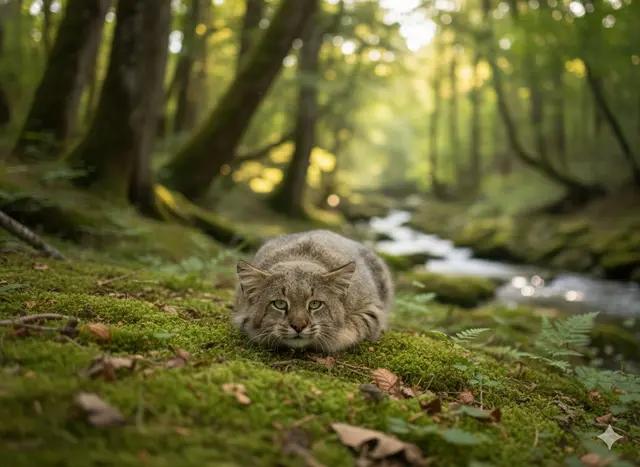
Pampas Cat (Leopardus colocolo)
The pampas cat (Leopardus colocolo) is a small cat species widely distributed outside the moist woodlands of South America and associated with more open habitats. Although named after the Argentine steppe, it can inhabit a variety of environments, from dry scrub and grasslands to dry forests, marshy wetlands, and rocky areas. Morphological Features The pampas cat's coat color ranges from black to yellow and light grayish-brown. Individuals living in the Andes are generally gray with reddish stre
ENNursena Şahin
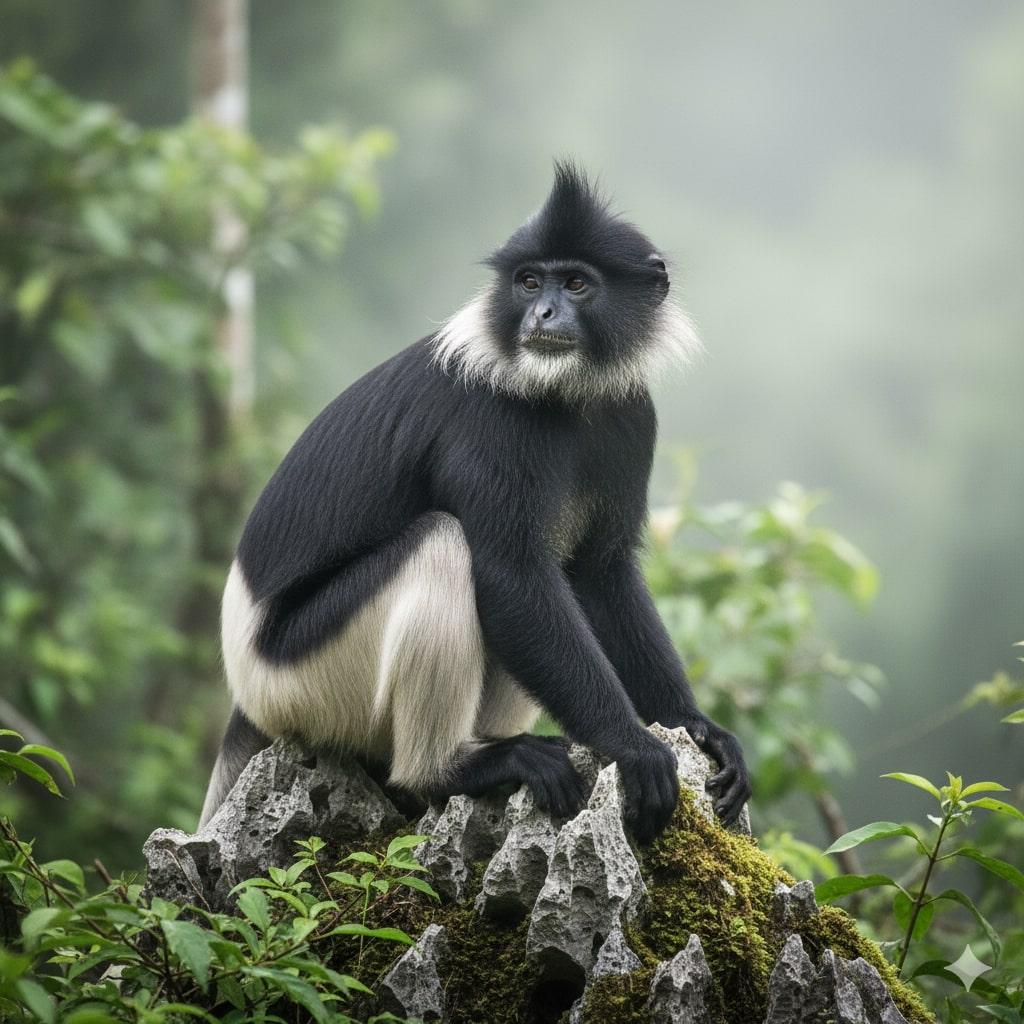
Delacour langur (Trachypithecus delacouri)
The Delacour langur (Trachypithecus delacouri) is a species of Old World monkey that is endemic to a narrow range in north-central Vietnam and is listed as critically endangered on the IUCN Red List. The Delacour langur belongs to the genus Trachypithecus and was for many years considered a subspecies of Trachypithecus francoisi. Morphological Features The Delacour langur is a primate species that is slightly larger than its morphologically close relatives. Its body fur is largely black, and its
ENNursena Şahin
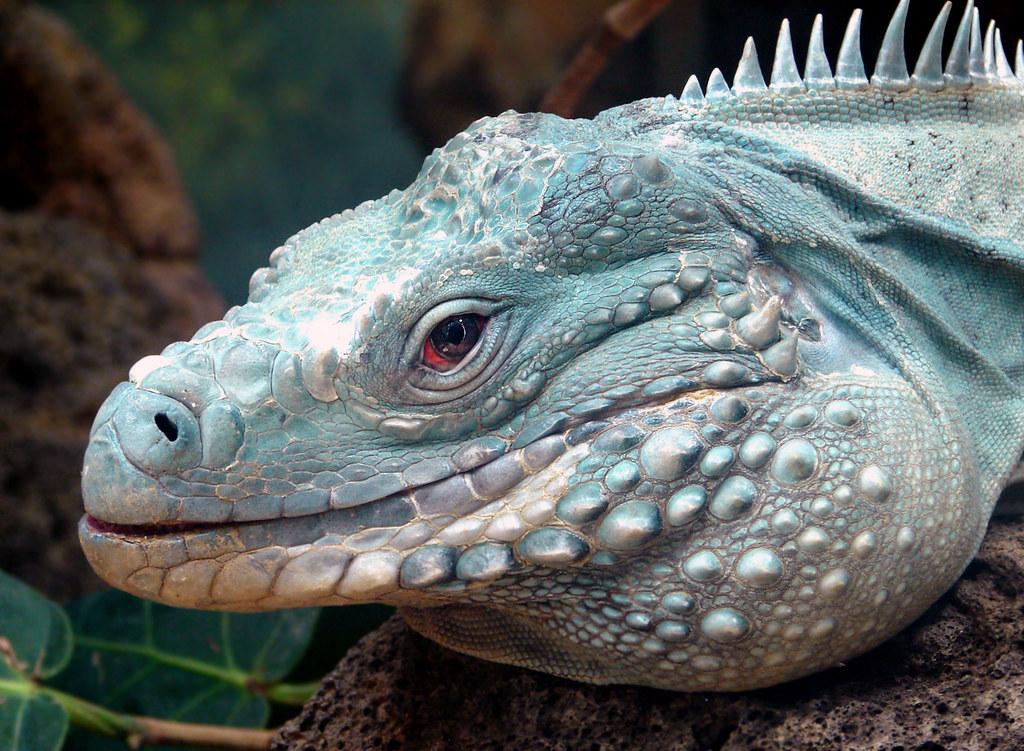
Blue Iguana (Cyclura lewisi)
The blue iguana, scientific name Cyclura lewisi, is a large and endangered species of rock iguana that is endemic to the Cayman Islands in the Caribbean Sea. Taxonomy and Classification The blue iguana belongs to the kingdom Animalia, phylum Chordata, class Reptilia, order Squamata, and family Iguanidae. Its taxonomic name is Cyclura lewisi Grant, 1940. It was initially described as a subspecies (Cyclura nubila lewisi) of the Cuban rock iguanas (Cyclura nubila). It was later elevated to species
ENNursena Şahin
 İn
İnİnkıraz
Köken Arapça "dişledi, kemirdi, kırptı" manalarına gelen ḳaraḍa (قرض) fiilinden türetilmiştir. Kelime, bu kökün yedinci babı olan infiˁāl vezninde; "aşınma, yıpranma, kırpılma" anlamlarını karşılayan inḳirāḍ (انقراض) sözcüğünden Türkçeye intikal etmiştir. Kelimenin semantik kökeninde yatan "kemirilme" ve "yıpranma" eylemleri, zamanla bir varlığın veya topluluğun tedricen tükenerek yok olması anlamını beslemiştir. Türk literatüründeki tespit edilen en eski kayıtlarına 15. yüzyıl sonunda Neşrî’nin
TR
Emirhan Polat
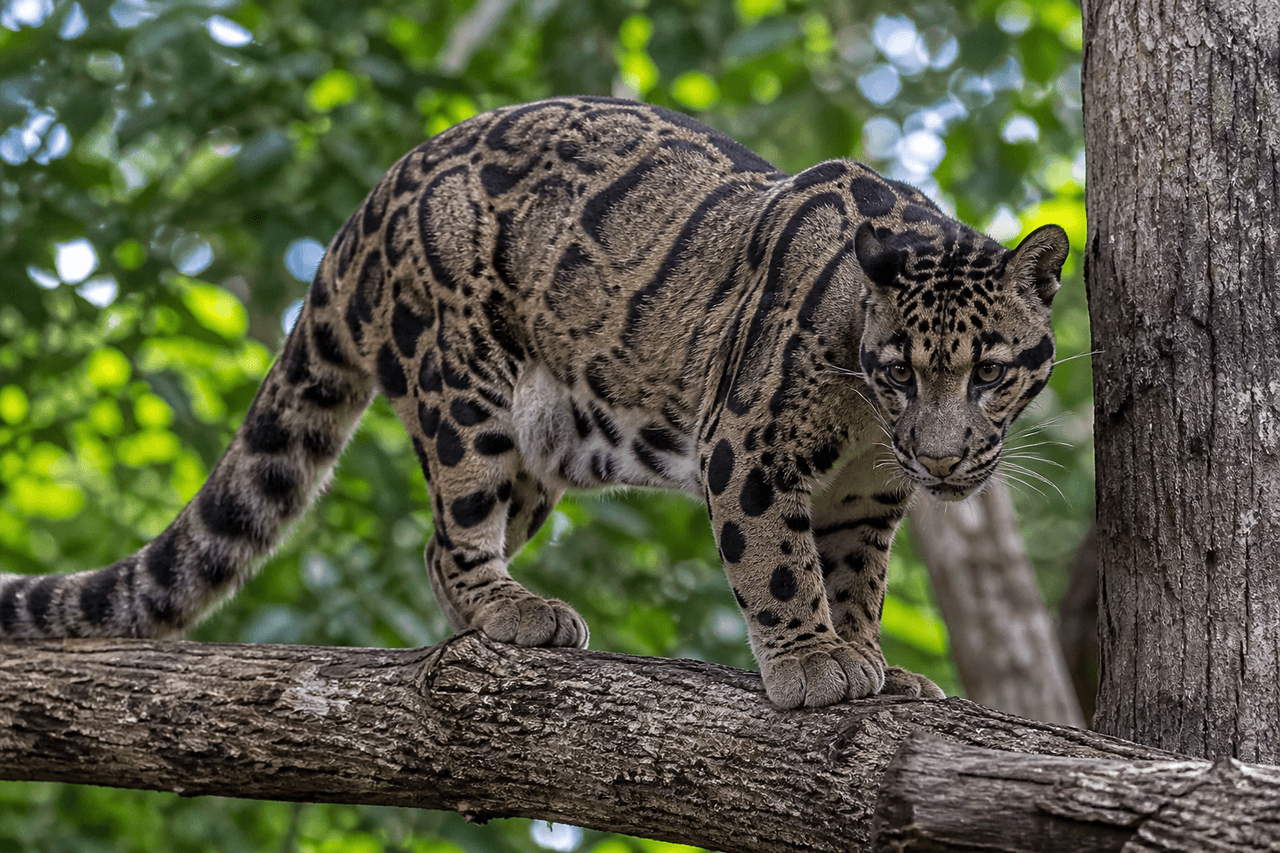
Bulutlu Leopar (Neofelis nebulosa)
Bulutlu leopar (Neofelis nebulosa), Felidae (kedigiller) familyasının Pantherinae alt familyasına ve Neofelis cinsine ait, Himalayalar'dan Güneydoğu Asya'ya kadar uzanan coğrafyada yaşayan orta büyüklükte bir etçil memeli türüdür. Taksonomi ve Sınıflandırma Yakın dönem genetik ve morfolojik analizler, bulutlu leoparların tek bir tür yerine iki ayrı türden oluştuğunu göstermiştir. Asya anakarasında yaşayan tür Neofelis nebulosa iken, Borneo ve Sumatra adalarında izole olmuş tür Sunda bulutlu leop
TR
Esra Nur Bulut

Endemik Bitkiler
Endemik, köken olarak Latince "yerli" anlamına gelen endemos kelimesinden türetilmiş olup; yayılış alanları belirli bir ülke, bölge veya lokal alanla sınırlı olan, dünyanın başka hiçbir yerinde doğal olarak bulunmayan türleri tanımlamak için kullanılır. Bu "belirli bölge" bir ülke coğrafyası gibi geniş bir yayılış alanı olabileceği gibi; sadece bir ili, ilçeyi, bir dağı, vadiyi veya birkaç metrekarelik çok dar bir alanı da kapsayabilir. Nadir bitkiler ise çok kısıtlı yaşam alanları olduğu için n
TR
Sevde Köktaş