

`nervous-system` Related Article Results
 Ps
PsPsychosomatic
Psychosomatic is a term of Greek origin, formed by the combination of “psycho” (soul) and “soma” (body). This concept is used to explain the influence of mental processes on physical health. Psychosomatic illnesses are characterized by the manifestation of emotional stress, trauma, or psychological disorders as physical symptoms. Psychological pressures experienced by an individual can directly affect the somatic (bodily) system and lead to various illnesses. Psychosomatic illnesses are characte
EN
Asiye Tan
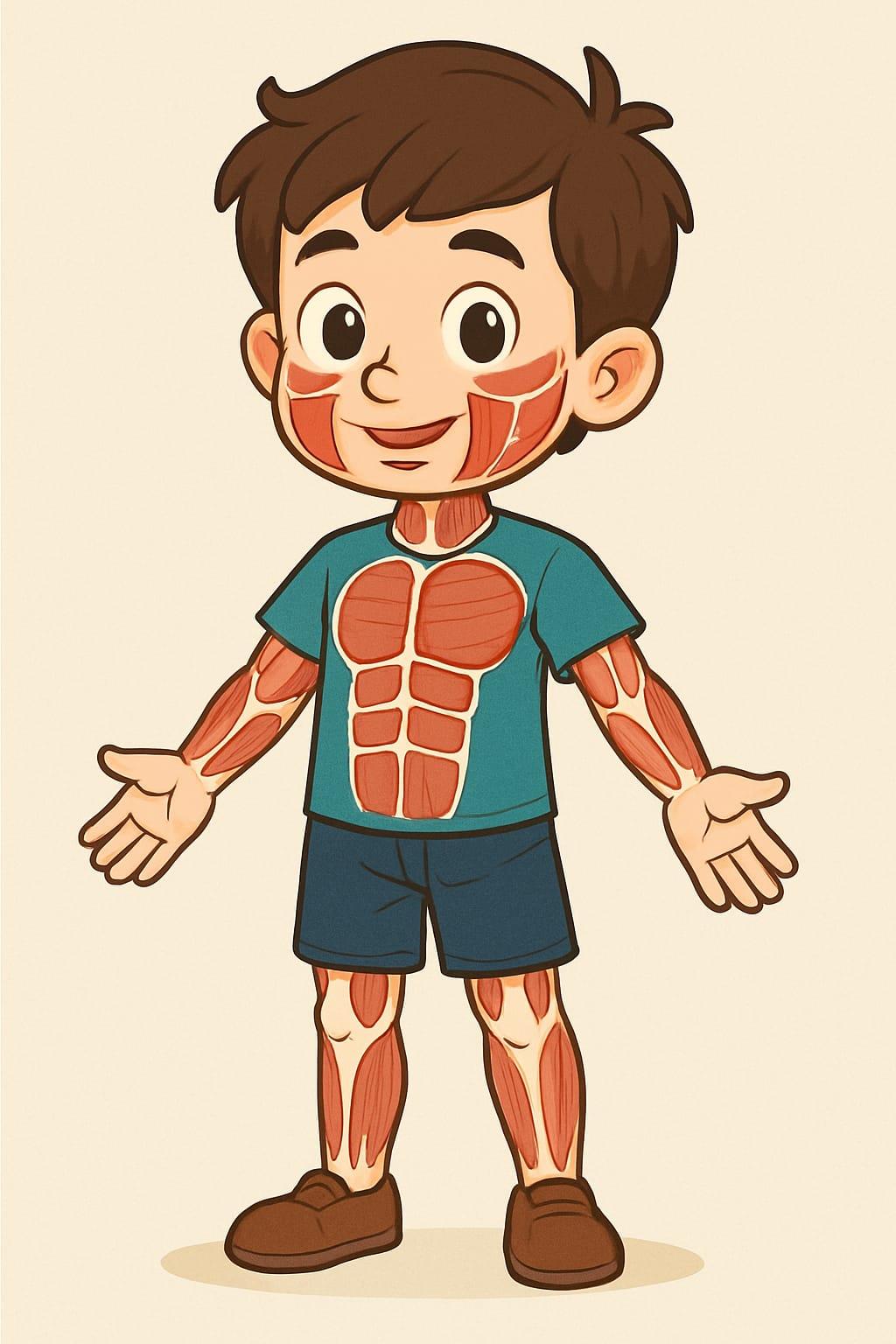
How Do Muscles Work?
Muscles are the tissues in our body that enable movement. Muscle function occurs through the contraction and relaxation of muscle fibers. This movement allows us to move our bones, gives shape to our body, and helps regulate the proper functioning of our internal organs. The Basic Mechanism of Muscle Contraction Muscle contraction occurs through the movement of two important proteins within muscle fibers: actin and myosin. These proteins slide over each other, causing the muscle to shorten. The
EN
Fatma Köroğlu
PsPsychosomatic
Psychosomatic is a term of Greek origin, formed by the combination of “psycho” (spirit) and “soma” (body). This concept is used to describe the influence of mental processes on physical health. Psychosomatic disorders are characterized by the manifestation of emotional, social or psychological distress as physical symptoms. Psychological stress experienced by an individual can directly affect the somatic (bodily) system and lead to various illnesses. They are characterized by the emergence of ph
EN
Asiye Tan
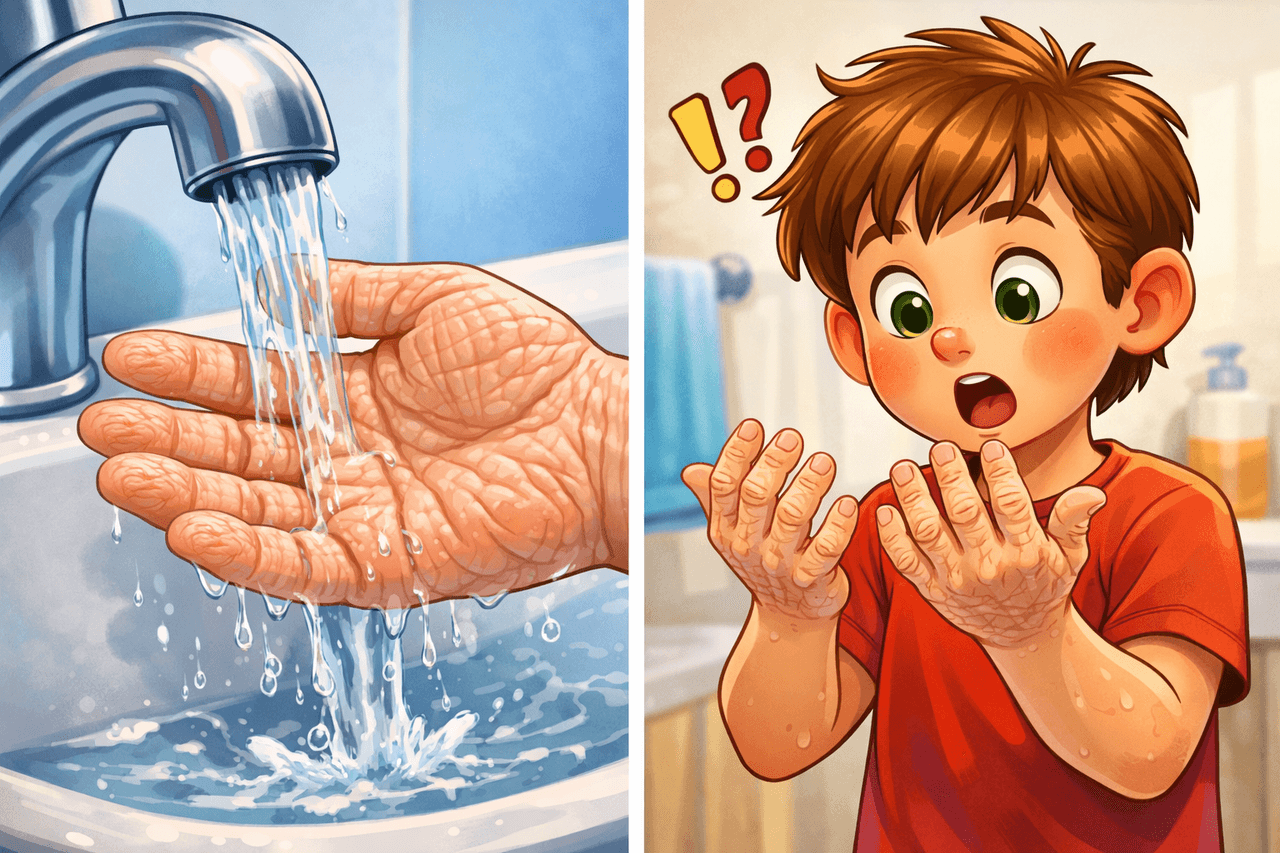
Why Do Our Fingers Wrinkle in Water?
Have you ever held your hands in water for a long time and then noticed your fingers wrinkling? At first, you might think it is simply because “my skin absorbed water.” But in fact, the wrinkling of our hands is a very special feature of our body! Thanks to this feature, it becomes easier to grasp wet objects. In a way, our hands behave like tiny sponges. Can Our Hands Behave Like Sponges? Think of a sponge: when you put it in water, it draws water inside and can be squeezed. Our hands are not e
EN
Buket Yavuz

How Do Chameleons Change Their Colors?
Chameleons are lizards (lizards: long-bodied, scaly reptiles) capable of changing color according to their environment and emotions, thanks to specialized cells in their skin. This ability helps them adapt to their surroundings and regulate their body temperature. General Body Characteristics Chameleons have laterally compressed bodies, giving them a flattened appearance from the side. They possess helmet-like bony protrusions on top of their heads. This structure helps them maintain balance on
ENFatma Köroğlu
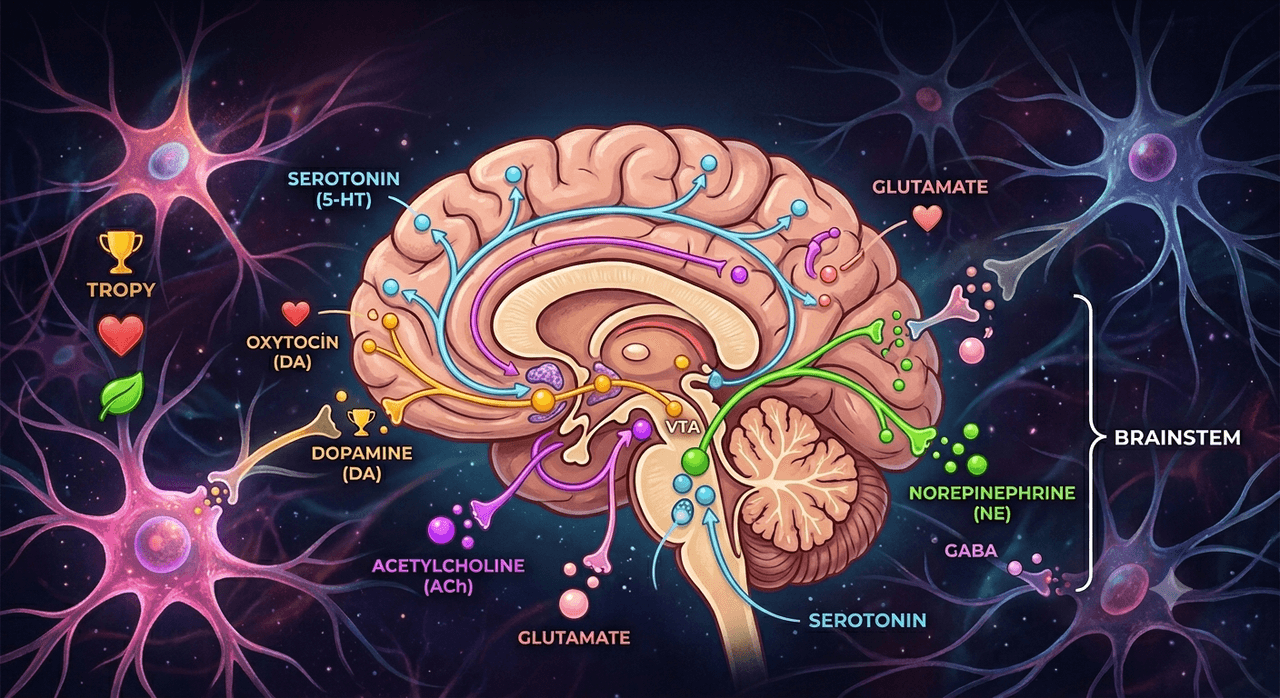
Why Do We Feel Happy, Sad, or in Love? The Role of Neurotransmitters
For much of our lives, we describe ourselves as being in various emotional states such as happy, sad, anxious, or in love. Often we notice that these emotions produce physical symptoms—for example, your heart racing the day before an important exam, or the physical pain you feel when you see the person you are in love with with someone else. Why do we experience these physical symptoms? What factors influence the formation and regulation of our emotions? The answer is not as simple as it may see
EN
Deva Yiğit