

`naturalgas` Related Article Results
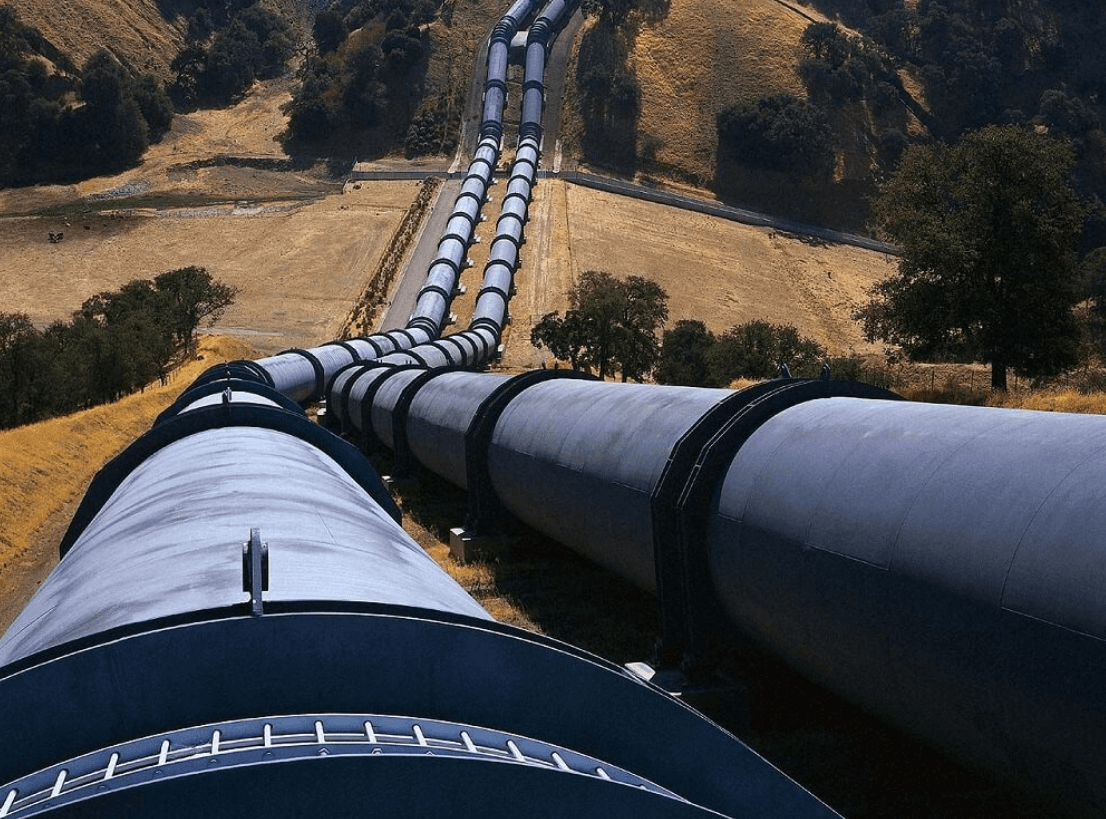
Pipeline Transportation
Pipeline transportation is a critical transport system that enables the economic, fast and reliable movement of energy resources. It is a mode of transport used for the conveyance of crude oil, natural gas, gas, gasoline, and diesel like. It was pioneered in the late 19th century by Vladimir Shukhov and Branobel (the Nobel Brothers). This method method is effective in transporting large volumes of oil and natural gas economically to other regions. Pipelines can also be constructed underwater; ex
EN
Sümeyra Uzun
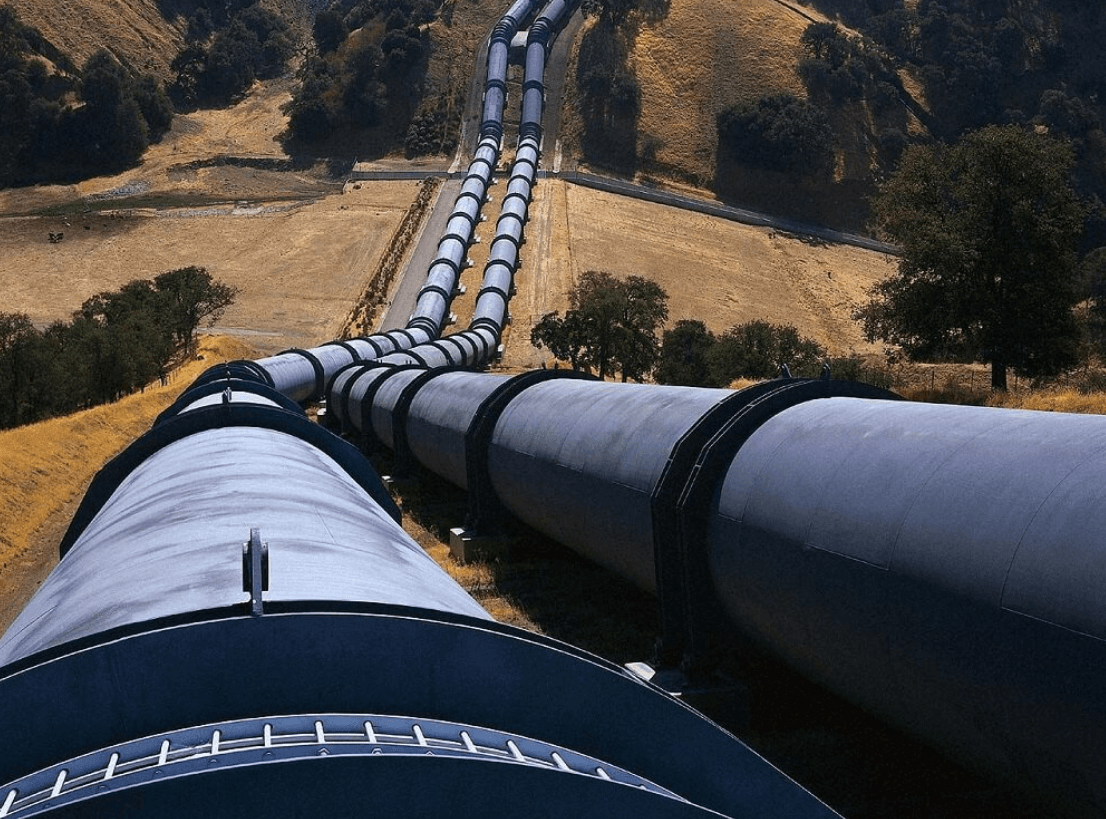
Pipeline Transportation
Pipeline transportation is a critical transport system that enables the economic, fast and reliable movement of energy resources. It is a mode of transport used for the conveyance of crude oil, natural gas, gas, gasoline, diesel and other energy materials. It was pioneered in the late 19th century by Vladimir Shukhov and Branobel (the Nobel Brothers). This method is effective for transporting large volumes of oil and natural gas economically to other regions. Pipelines can also be constructed be
EN
Sümeyra Uzun
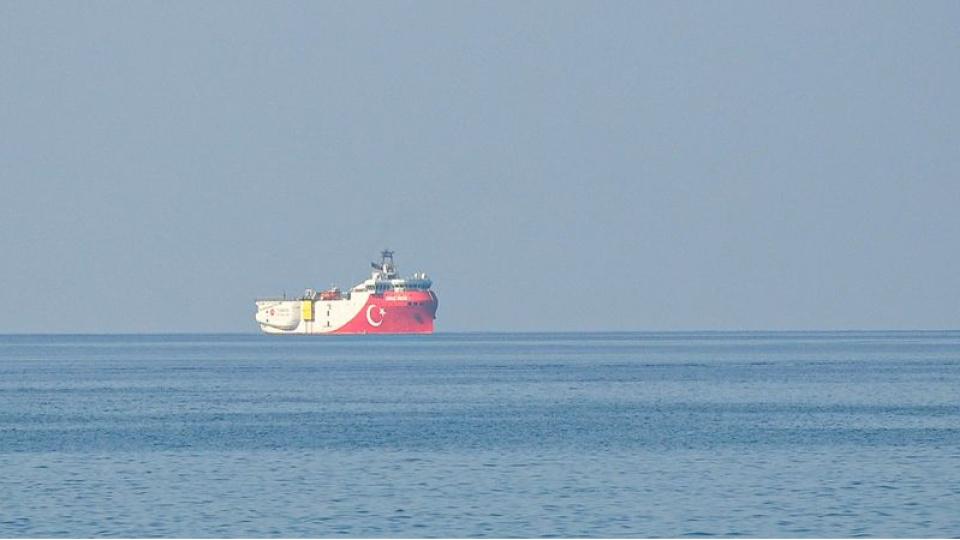
NAVTEX Notice in the Mediterranean under the Türkiye–TRNC Natural Gas Pipeline Project
Türkiye has issued a NAVTEX valid until 30 August 2026 as part of a pipeline project designed to deliver natural gas to the Turkish Republic of Northern Cyprus. Alongside this maritime notice, the seismic research vessel Oruç Reis has commenced geological and geophysical surveys of the seabed along the planned route of the pipeline. These research activities aim to determine the structure of the seabed, establish the technical route of the pipeline, and collect engineering data for implementatio
EN
Zeynep Gül
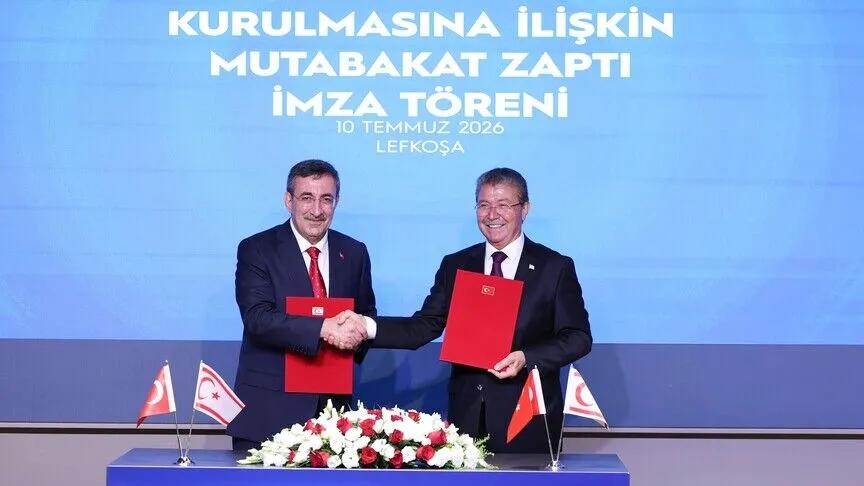
Memorandum of Understanding on Natural Gas Supply Between Türkiye and the Turkish Republic of Northern Cyprus
On July 10 2026 Türkiye and the Turkish Republic of Northern Cyprus (TRNC) signed the "Memorandum of Understanding on the Supply of Natural Gas to the TRNC". The agreement envisages the initiation of a technical legal and economic cooperation process aimed at delivering natural gas from Türkiye to the TRNC. The memorandum covers efforts to expand energy cooperation between the two countries and prepare for the development of the TRNC’s natural gas infrastructure. Scope of the Memorandum The memo
ENZeynep Gül
The European Union's Process of Ending Natural Gas Imports from Russia
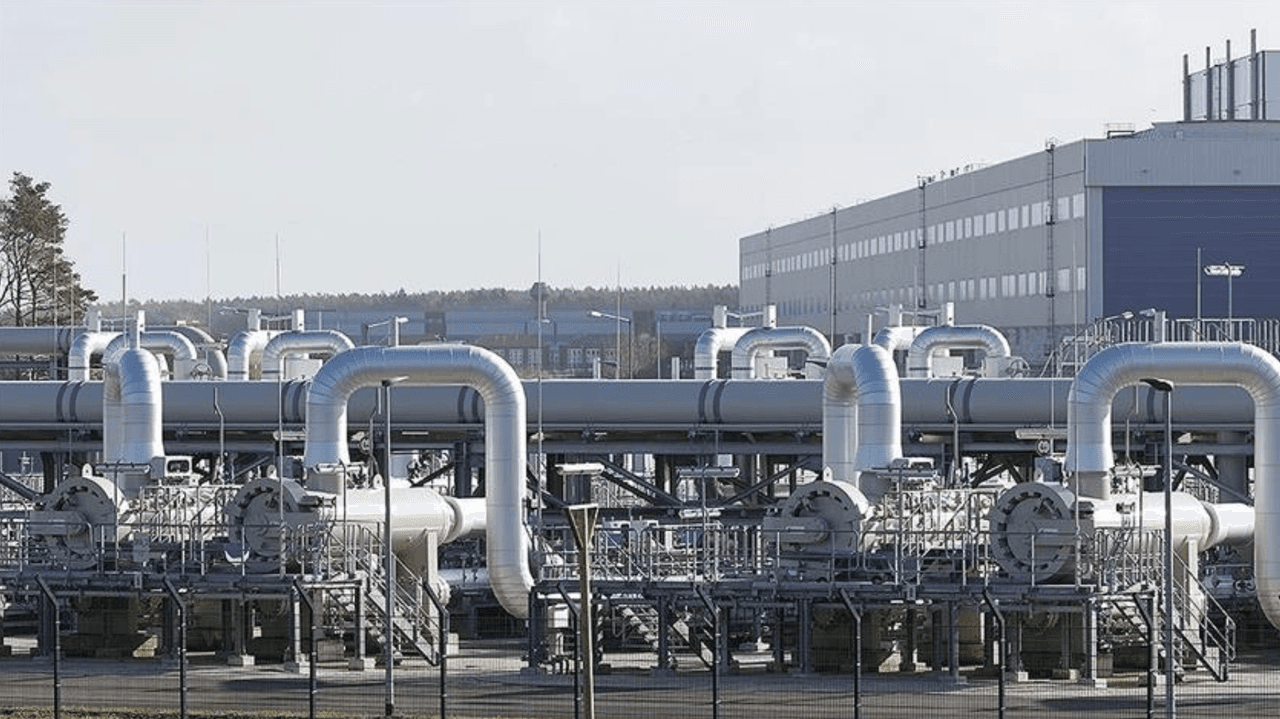
European Union’s plan to end imports of Russian natural gas and liquefied natural gas (LNG) has been structured through a phased policy framework developed over 2025 via institutional negotiations and a parliamentary vote. The process has taken shape through measures including the prohibition of new contracts, restrictions on spot and short-term purchases, the scheduled cessation of pipeline gas deliveries, and regulatory provisions extending to long-term contracts. Operation of the Institutiona
EN
Burak Enes
 En
EnEnergy (dictionary)
noun. The capacity of a system to do work. It can exist in various forms such as heat, light, electricity, chemical, and nuclear, and can participate in different processes. Origin The word "energy" is derived from the French word énergie. This word comes from the Latin energia and the Greek energeia (the power of doing work, activity). The concept of energy has been addressed in various scientific fields since Ancient Greece, and it became a major concept, particularly in the fields of physics
EN
Mevlüt Acar
Trans-Anatolian Natural Gas Pipeline (TANAP)
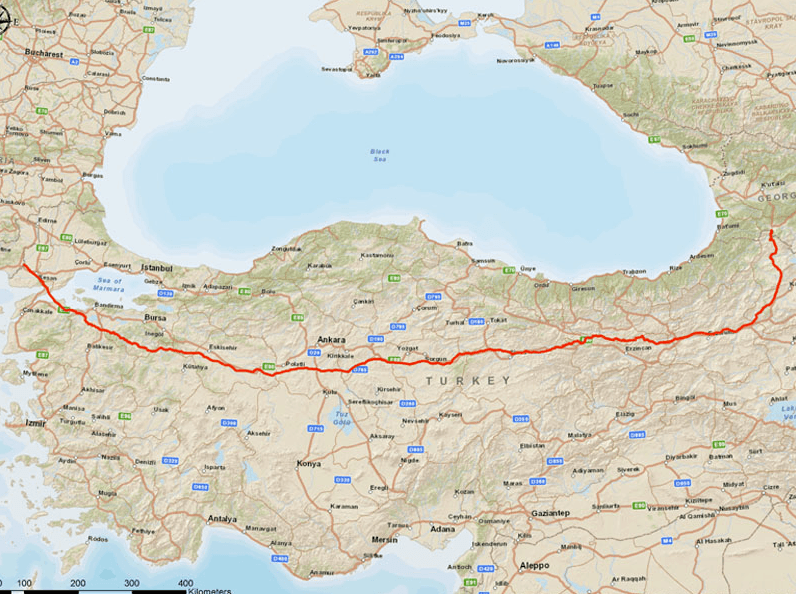
Energy, as one of the most critical factors in international relations, shapes countries’ economic and strategic positions. In particular, natural gas serves as a strategic important in global energy markets, while energy place security, diversification, and control over transit routes hold the potential to create strong economic and political ties between nations. In this context, the Trans Anatolian Natural Gas Pipeline Project (TANAP) has emerged as a major initiative strengthening energy coo
ENSümeyra Uzun
Ras Laffan Industrial Zone Explosion in Qatar (June 2026)
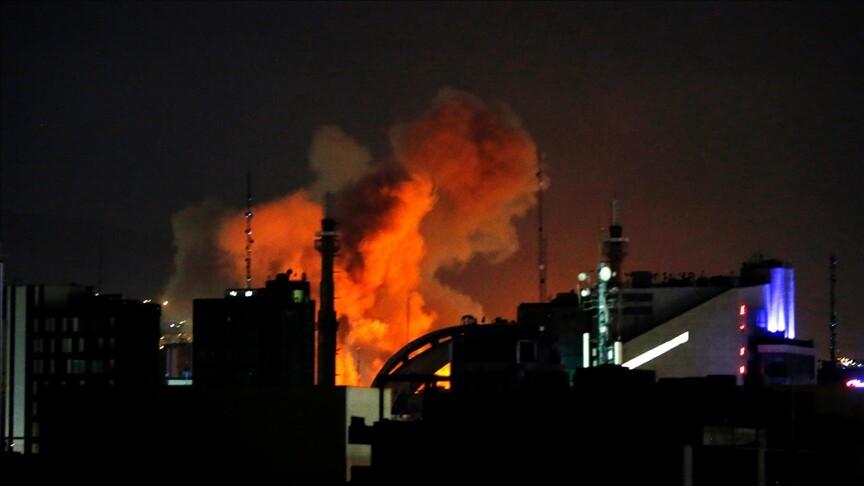
Qatar's Ras Laffan Industrial Zone, located in the north of the country, has recorded the explosion as one of the major industrial accidents affecting the nation’s energy infrastructure. Following a technical malfunction at one of the local natural gas supply facilities, a fire broke out, resulting in dozens of injuries and reports of numerous missing persons. Cause of the Incident The explosion occurred at the Barzan gas facility in the Ras Laffan Industrial Zone, approximately 80 kilometers no
ENZeynep Gül