
`nationalism` Related Article Results
 Im
ImImaginary Communities
Imagined Communities (English: Imagined Communities) is a concept developed primarily to analyze nationalism and the phenomenon of the nation. The concept was introduced in the 1983 work Imagined Communities: Reflections on the Origin and Spread of Nationalism. After its publication, this book was translated into more than thirty languages and sold over half a million copies, becoming one of the most cited academic references on nationalism. The concept refers to communities whose members may ne
EN
Yunus Emre Yüce

Principles of Turkism (Book)
The Principles of Turkism is a theoretical and practical manifesto of nationalism, written by Ziya Gökalp, which redefines the cultural, social, and political identity of the Turkish nation with the goal of modernization. First published in 1923, this work played a significant role in the ideological construction of the Republic of Türkiye and contributed to the intellectual foundations of some of the reforms during the Atatürk era. Ziya Gökalp’s work The Principles of Turkism is a comprehensive
EN
Mehmet Salih Çoban
Yücelciler
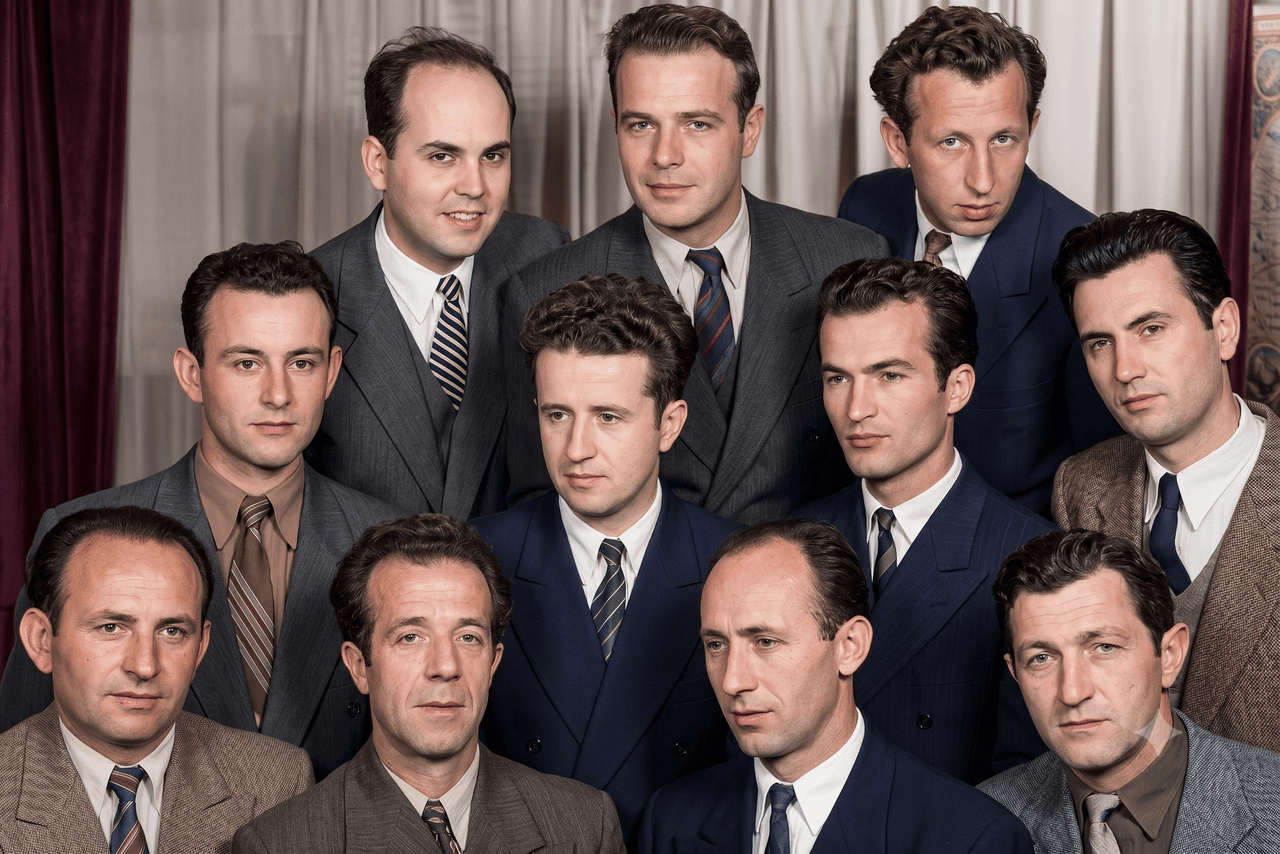
Yücelciler (Yücel Organization) is a secret Turkish organization established to preserve the national, cultural, and religious identity of the Turks living within the borders of the Socialist Federal Republic of Yugoslavia after World War II, particularly in Macedonia. Founded in 1941 with its center in Skopje, the organization aimed to foster national consciousness among Macedonian Turks primarily through educational, cultural, and media activities.【1】 Key figures in the founding of the organiz
ENZeyneb Kurun
Mustafa Abdülcemil Kırımoğlu
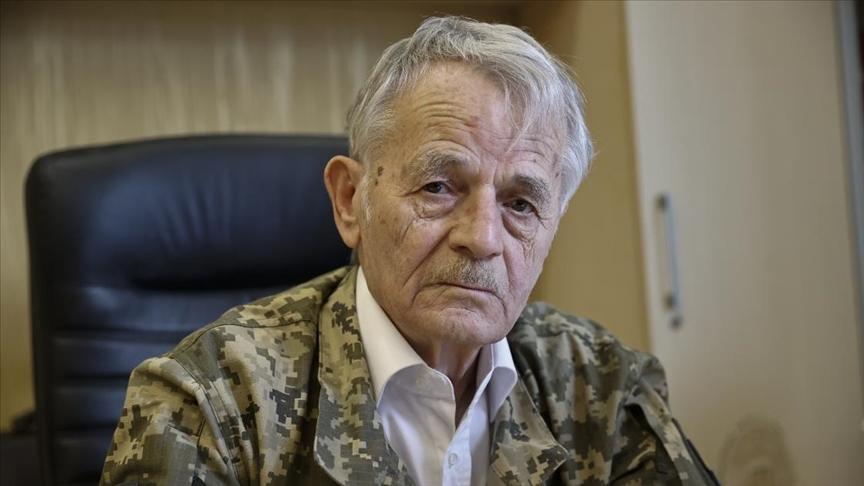
Mustafa Abdülcemil Kırımoğlu, born in 1943 in Crimea, was deported with his family to Uzbekistan as an infant during the deportation of 18 May 1944. Since his youth, he has fought for the rights of the Crimean Tatar people, leading to multiple arrests during the Soviet era and prolonged periods spent in prison, exile, and labor camps. From the 1980s onward, he became a leader of the Crimean Tatar National Movement, guiding his people’s return to their homeland. He has been a prominent political
EN
Duygu Şahinler
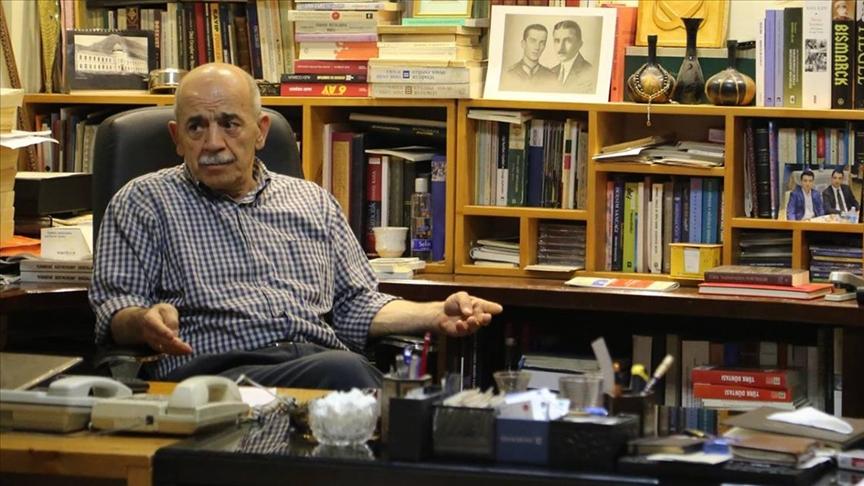
Mustafa Çalık
Mustafa Çalık was born in 1956 in the village of Çalık, located in the central district of Gümüşhane. 【1】The second child in a family of five, Çalık completed his primary and secondary education in Gümüşhane. He began his political and social activities at an early age; in 1972 he served on the Supervisory Board of the Gümüşhane Branch of the Turkish Nationalists Organization, was appointed in 1975 as President of the Elmadağ Nationalist Movement Party (MHP) Youth Branch, and was elected in 1977
EN
Gözde Cabadak
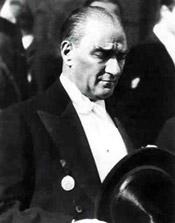
Basic Principles of Turkish Foreign Policy in the Atatürk Era
With the proclamation of the Republic, Türkiye’s position in the international system and its foreign policy orientation underwent a fundamental transformation. The expansionist and empire-centered diplomacy that the Ottoman Empire had pursued for centuries gave way to a new national foreign policy based on defined borders and sovereignty. Mustafa Kemal Atatürk, the architect of this transformation, is recognized not only as a soldier and leader but also as the founder of the fundamental princip
EN
Ahsen Karakaş
ChChauvinism
Chauvinism is the belief that an individual or group considers their nation, gender, religion, sect, ethnic identity, or any social group to which they belong superior to others and accepts this superiority as an absolute truth. Chauvinist thinking often leads to the exclusion, belittlement, and even discrimination against other groups. There are various forms of chauvinism, including nationalist chauvinism, male chauvinism, religious chauvinism, and regional chauvinism. Chauvinism is considered
EN
Sümeyra Uzun
FaFascist Prophecies (Book)
Subject and Content Notes on Nationalism is a collection of various essays written by George Orwell from the early 1930s until his death in 1950. In these texts, Orwell addresses the unavoidable themes of the era including nationalism, Hitler, and fascism like during the Second World World War. He also shares his reflections on a wide range of topics, from English cuisine and H.G. Wells’s vision of a world state to critiques of Jonathan Swift’s Gulliver’s Travels, and even to the best way to mak
EN
Meryem Betül Kaya
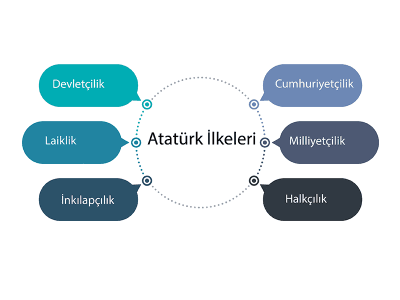
Atatürk's Principles
The Principles of Atatürk are defined as six fundamental principles that determine the basic political and social structure of the Republic of Türkiye, guide the Turkish Revolution, and aim at modernization. These principles form the ideological framework of the reforms carried out under the leadership of Mustafa Kemal Atatürk. Constituting the foundation of the Atatürkist thought system, these principles are grouped under six headings: Republicanism, Nationalism, Populism, Statism, Secularism,
EN
Yunus Emre Sağlam
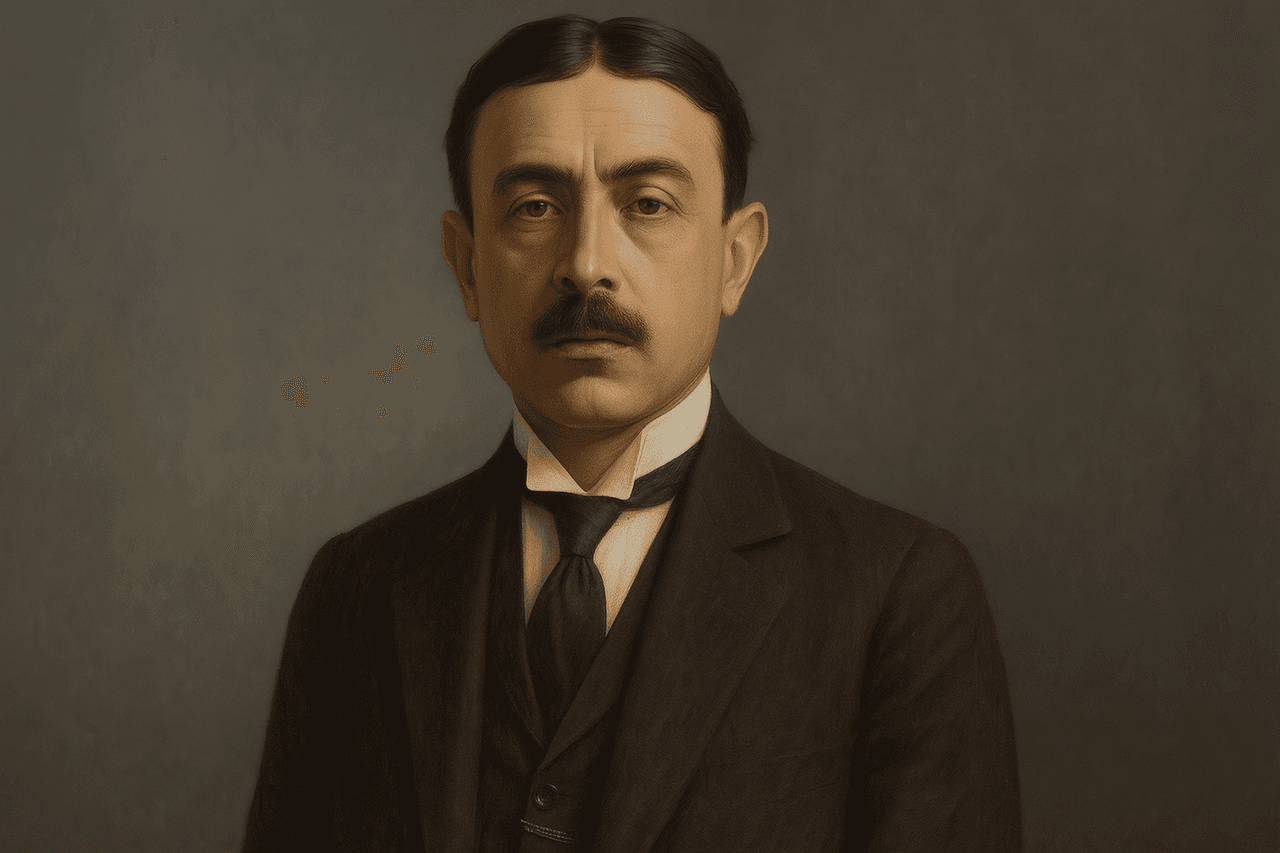
Ahmet Ferit Tek
Ahmet Ferit Tek was a statesman who held various political, diplomatic, and literary posts spanning the late Ottoman period to the early Republic. Following the Second Constitutional Era, he shifted from Ottomanism to Turkish nationalism, became one of the founders of the Turkish Hearth, and served as its first president. During the National Struggle, he engaged in political activities and later held ministerial positions in the Ministry of Finance and the Ministry of Internal Affairs after the
ENYunus Emre Sağlam