

`nanoscience` Related Article Results

Nanobots
Nanobots are nano-scale robots, typically operating at dimensions of 1 to 100 nanometers, designed to perform specific tasks and commonly used in medical, environmental, or technological applications. Their purpose is to intervene with high precision by manipulating matter at the atomic or molecular level. Although nanobots are currently still in the experimental stage together, they hold significant potential for future development in areas ranging from medical diagnosis and treatment disease t
EN
Kader Göksu
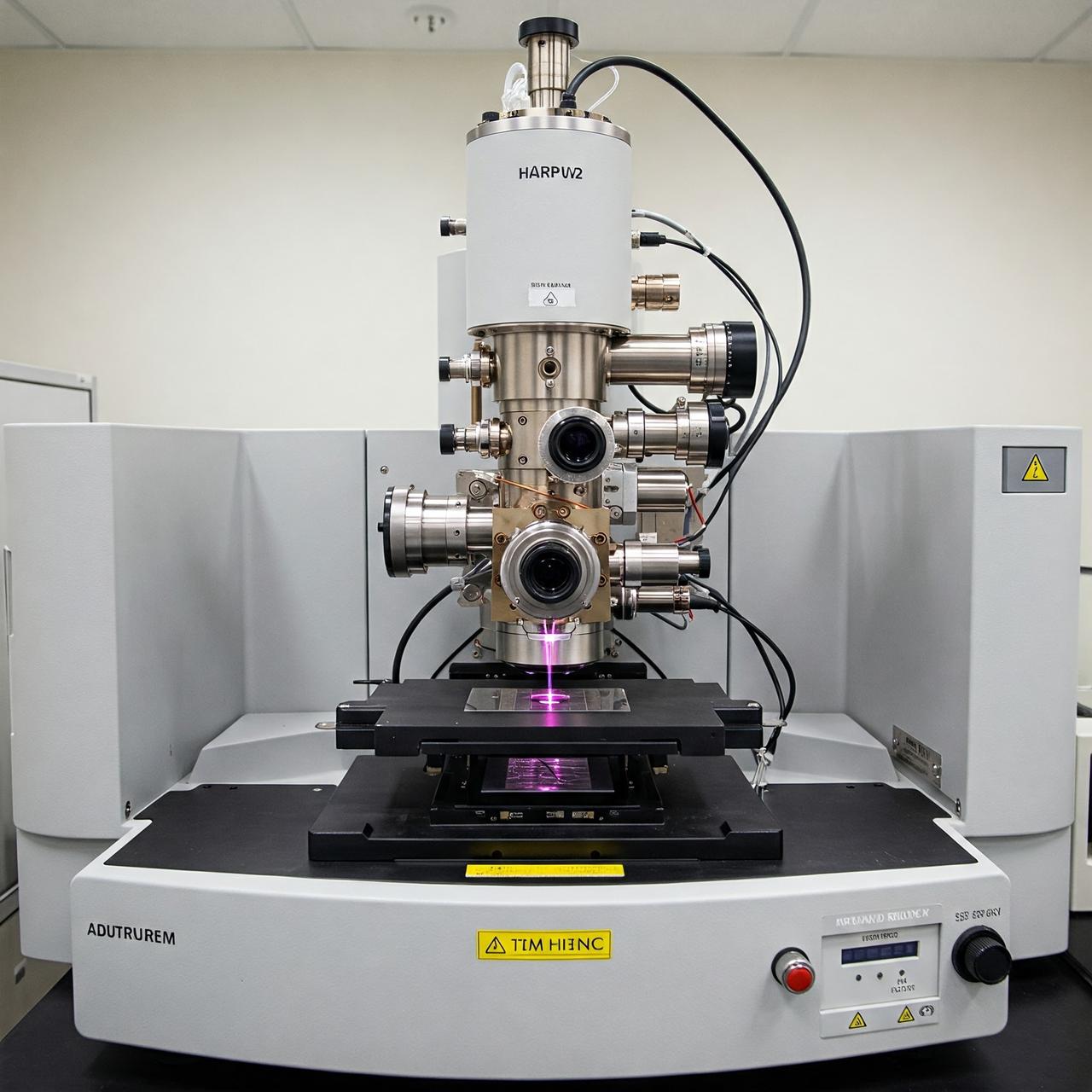
TEM (Transmission Electron Microscope)
Electron microscopy is a type of microscope that achieves high-resolution images by using electrons, which have a much smaller wavelength than light, wave. TEM (Transmission Electron Microscope) is a subcategory of this type of microscope and is used to perform high-resolution structural analyses of samples. TEM is a microscopy technique that enables examination of samples at the atomic level opportunity and is widely used in materials science, biology, nanotechnology, and many other scientific
EN
Kader Göksu
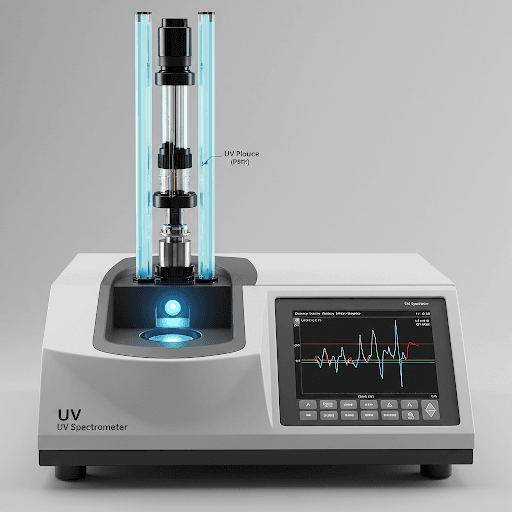
UV Spectroscopy
Ultraviolet (UV) spectroscopy is a analytic technique based on the absorption of light in the UV region of the electromagnetic spectrum, specifically between 200–400 nm. Organic compounds, biomolecules and nanomaterials are among the many different structures analyzed both qualitatively and quantitatively using this method. Due to its high sensitivity and ability to perform fast analysis, UV spectroscopy is a fundamental characterization tool in chemistry, biotechnology, environment science and
ENKader Göksu

Nanobots
Nanobots are nanoscale robots typically operating at a size of 1 to 100 nanometers designed to perform specific tasks and commonly used in medical environmental or technological applications. Their purpose is to intervene with high precision by manipulating matter at the atomic or molecular level. Although nanobots are still in the experimental stage today birlikte they hold significant potential for future development in areas ranging from disease diagnosis and treatment in medicine to material
ENKader Göksu
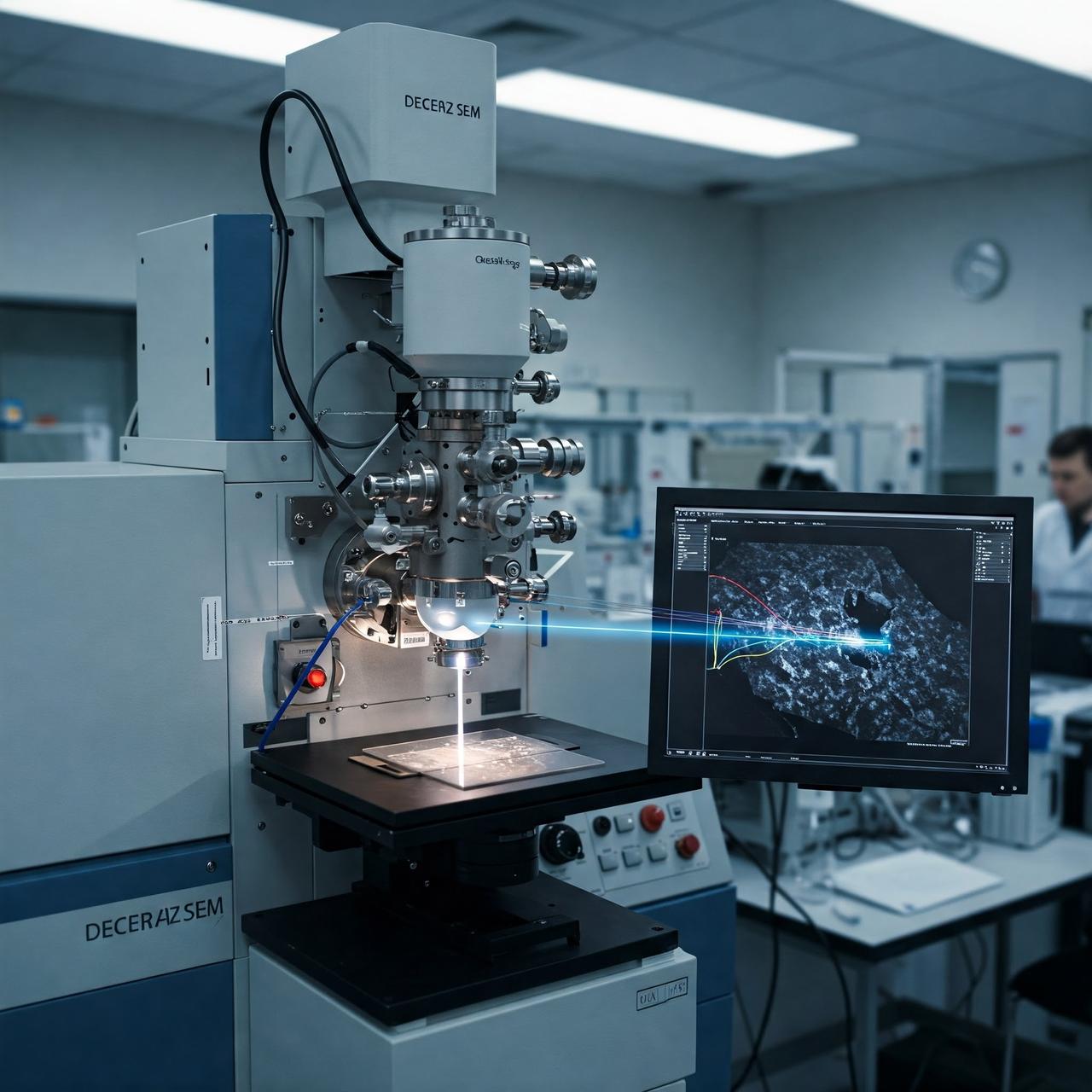
SEM (Scanning Electron Microscope)
Scanning Electron Microscope (SEM) is a type of microscope used to image surface morphology and material composition at high resolution. Unlike optical microscopes, it operates using an electron beam instead of light, enabling detailed images at the nanometer scale. Due to these features, it has broad applications in materials science, biology, chemistry, physics, electronics, and many engineering disciplines. Principle of Operation of SEM SEM is a system that generates images by detecting elect
ENKader Göksu

Carbon Nanotechnology
Carbon nanotechnology is a multidisciplinary science field based on the engineering of carbon atoms into structures at the nanometre scale (10⁻⁹ m). This technology enables the creation of high-performance materials by structuring carbon allotropes—graphite, fullerene, carbon nanotubes and amorphous carbon such as—in innovative ways. Owing to the carbon atom’s ability to form four covalent vine bonds, these nanostructures exhibit unique mechanical, electrical, optical and thermal properties. The
ENKader Göksu
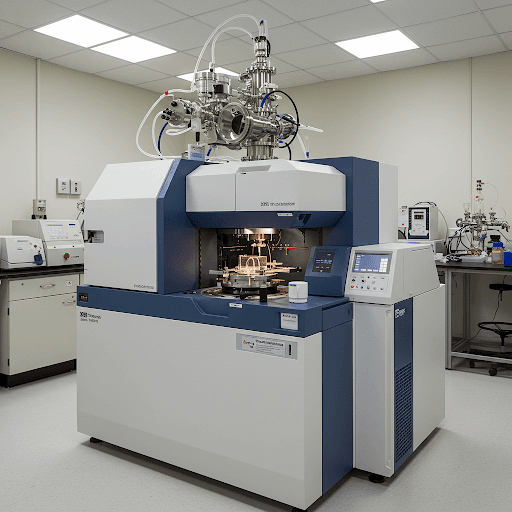
X-ray Photoelectron Spectroscopy (XPS)
XPS (X-ray Photoelectron Spectroscopy) is a high-sensitivity spectroscopic technique capable of analyzing the surface chemistry of a material at the nanometer scale. It is particularly used for qualitative and quantitative analysis of surface composition within a depth of 1–10 nm. XPS has become one of the fundamental characterization methods in nanotechnology materials science and surface engineering by providing critical information on elemental composition, vine species oxidation states and s
ENKader Göksu
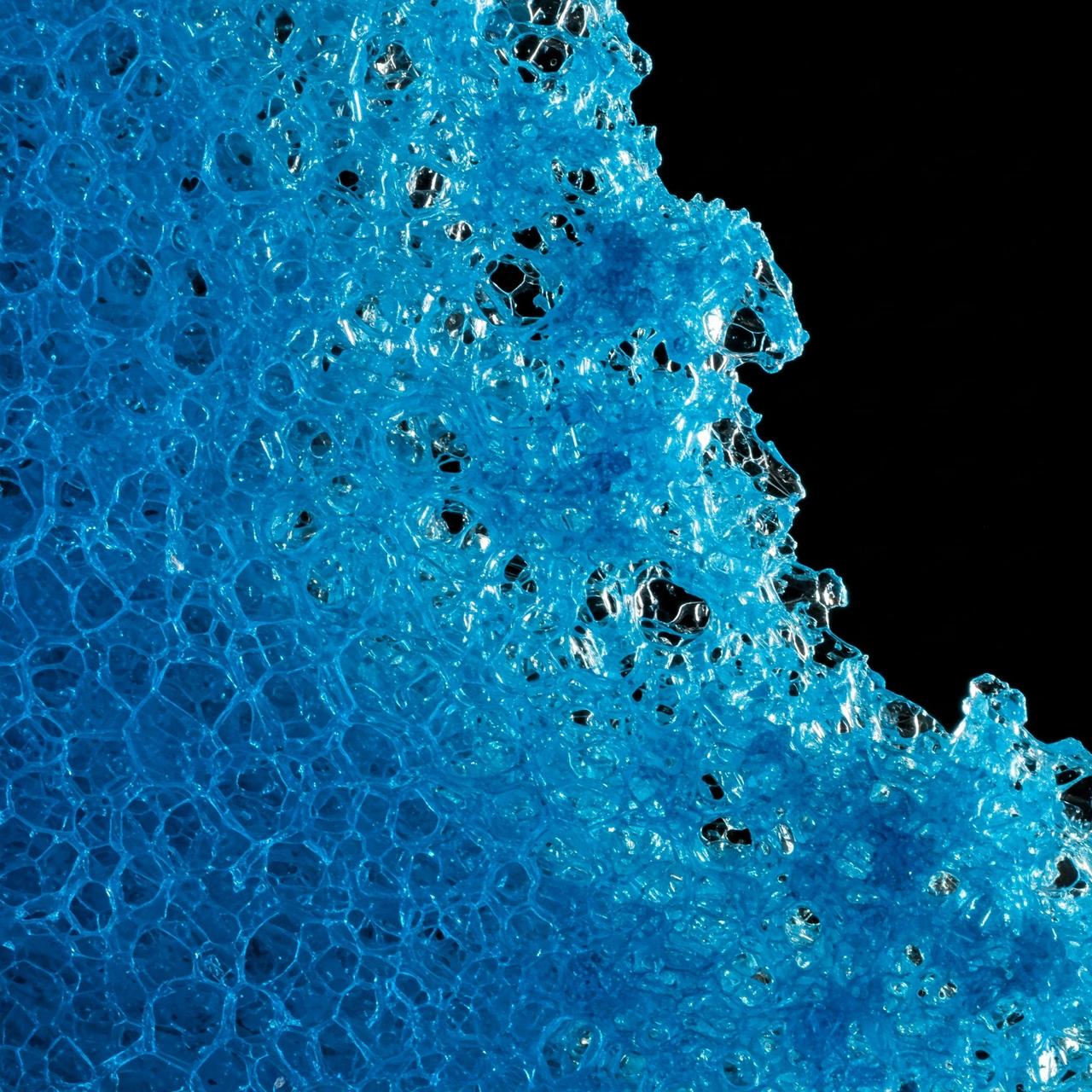
Aerogel
Aerogel is a solid material known for its very low density, porous structure, and lightness. It is typically produced by removing the liquid component of a gel through supercritical drying, leaving behind a only solid building and porous network. Although approximately 98 percent of its volume consists of air voids, it is recognized for its structural integrity and high thermal insulation capacity. First developed in 1931 by Samuel Stephens Kistler, aerogels are now used in various fields rangin
ENKader Göksu
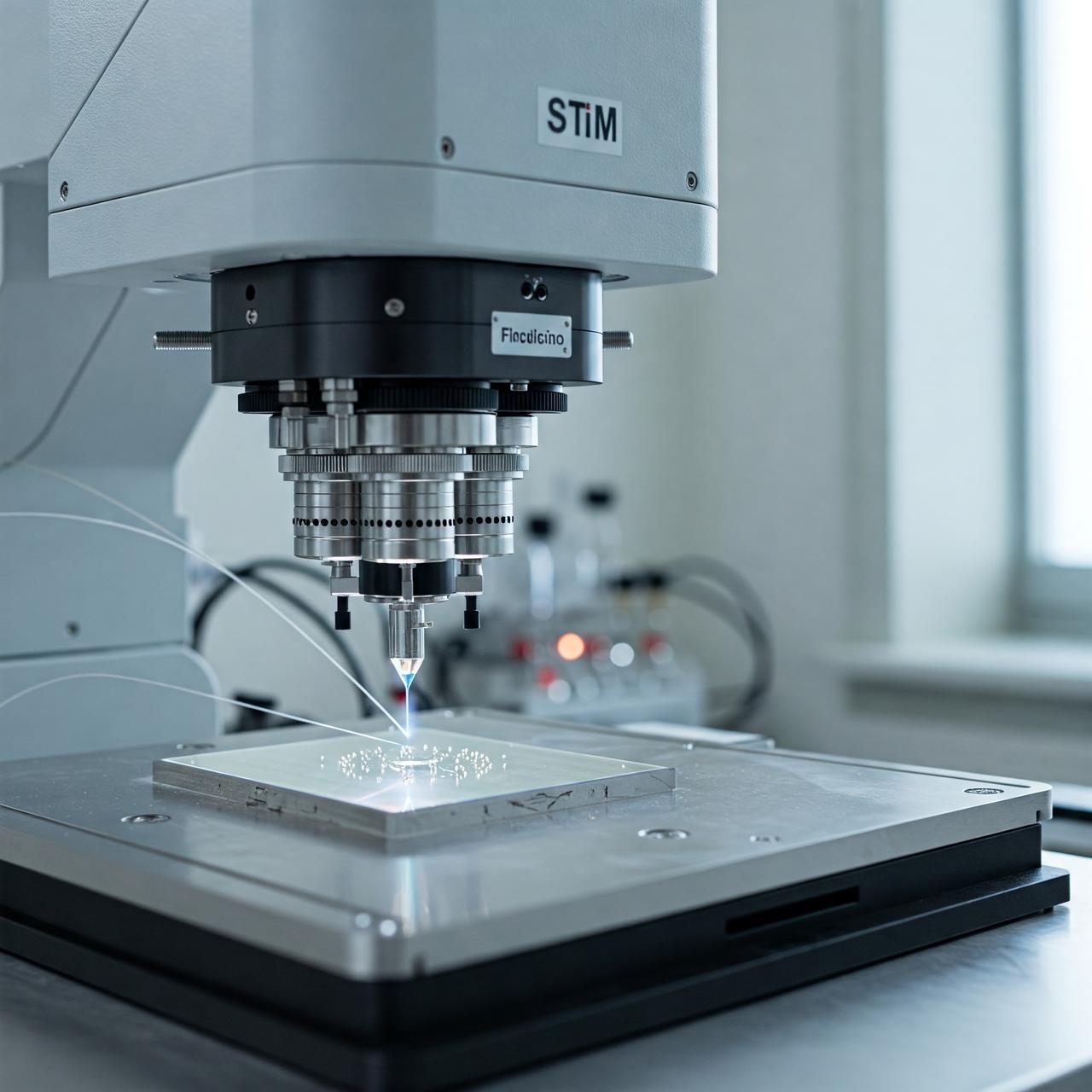
Scanning Tunneling Microscope (STM)
Scanning Tunneling Microscope (STM) is an imaging device that enables the examination of conductive surfaces at atomic resolution opportunity. It operates based on the tunneling principle and can analyze surface topography with high precision. STM is used as a key tool in the fields of nanotechnology and surface science common. History The STM was developed in 1981 at the IBM Zurich Research Laboratory by Gerd Binnig and Heinrich Rohrer. This invention revolutionized surface science and nanotech
ENKader Göksu
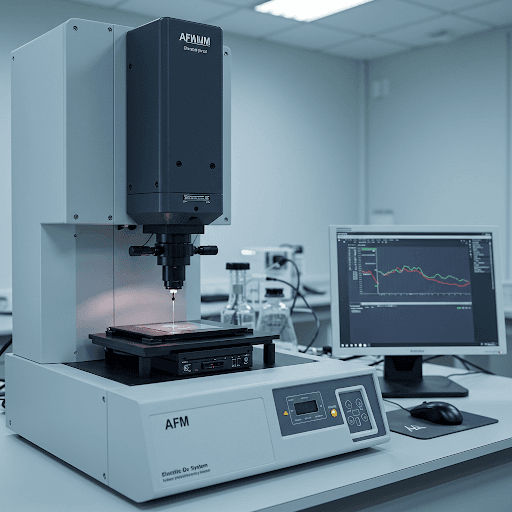
AFM (Atomic Force Microscope)
Atomic Force Microscope (AFM) is a type of microscope used to image surface topography with high resolution. AFM interacts with the sample surface by placing a needle or probe on it and analyzes the morphological features of the surface using data obtained from this interaction interaction. AFM is a vital tool in fields such as nanotechnology materials science biology and chemistry because it can examine surface properties in detail at atomic and nanoscale levels. Unlike optical microscopes AFM
ENKader Göksu