

`mutual-aid` Related Article Results
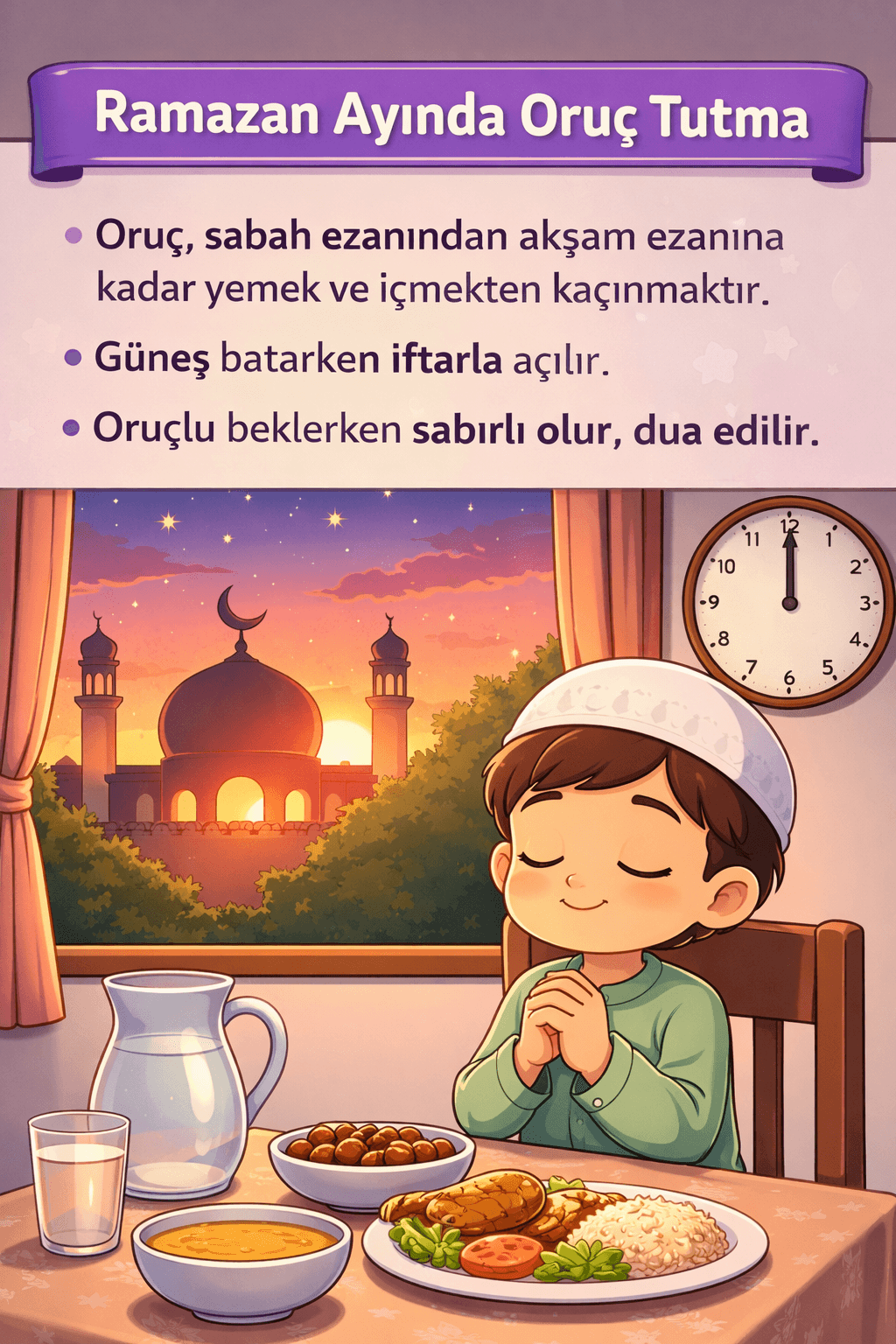
Fasting
Fasting means abstaining from food and drink with the intention of worship from the break of dawn until sunset. In many parts of the world, people of various faiths observe fasting at specific times according to their beliefs. You may have seen people around you waking up for sahur during the month of Ramadan or eagerly waiting for the time of iftar. What Is Fasting and How Is It Observed? In Islam, fasting lasts from the pre-dawn time known as imsak until sunset. Those who fast do not eat or dr
EN
Rabia Çiftci
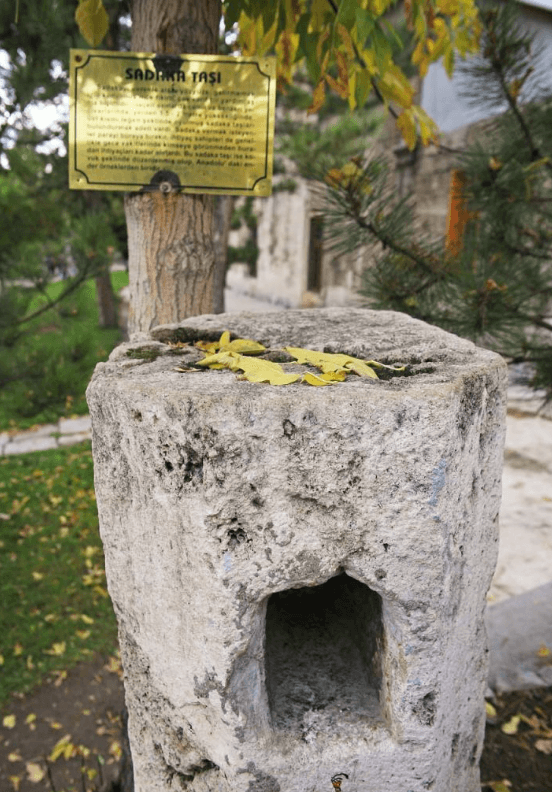
Sadaka Stone
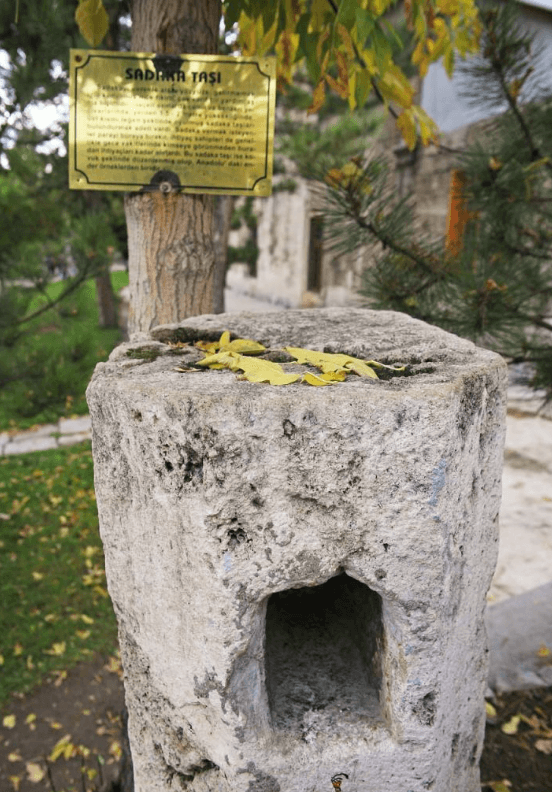
Charity stones are one of the important structures used during the Ottoman period to foster social solidarity. These stones reflect the culture of assisting those in need within society and form part of a system that enables mutual aid without compromising individual dignity. Found across Ottoman territories as common, charity stones stand out as a practice that encourages the open giving of charity while ensuring it is carried out with humility. Example of a Charity Stone (Source: Sadaka Stone)
EN
Sümeyra Uzun
Red Crescent Week
Red Crescent Week, observed annually between October 29 and November 4, is an awareness campaign organized to inform the public about the founding purpose, areas of activity, and humanitarian aid efforts of the Turkish Red Crescent, to promote awareness of Red Crescent principles, and to strengthen feelings of mutual aid and solidarity. Throughout this week, celebrated nationwide, the historical development, fundamental principles, and volunteer-based activities of the Red Crescent are introduce
EN
Nursena Güller
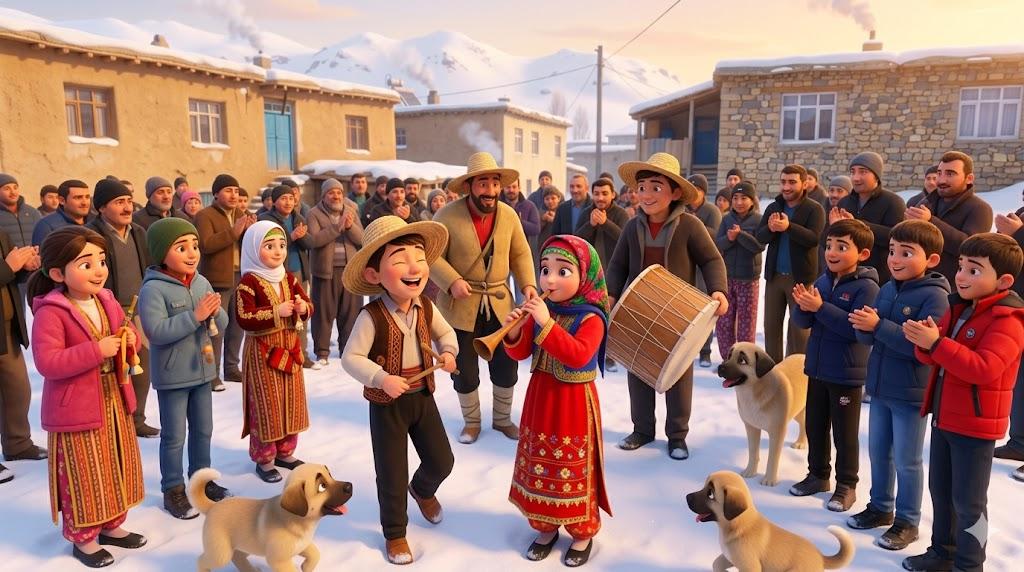
Köse Gelin Oyunu
Imagine this: on the coldest days of winter, when everyone has retreated indoors, sudden jingling sounds and laughter rise from outside. These noises announce the arrival of the Köse Gelin game, a tradition that has been practiced for centuries in the villages of Anatolia. Have you ever imagined a giant, furry figure and a beautifully dressed bride knocking on your door and dancing in the freezing air? This game is one of our most joyful traditions, played to celebrate the end of winter and the
ENgamze halil
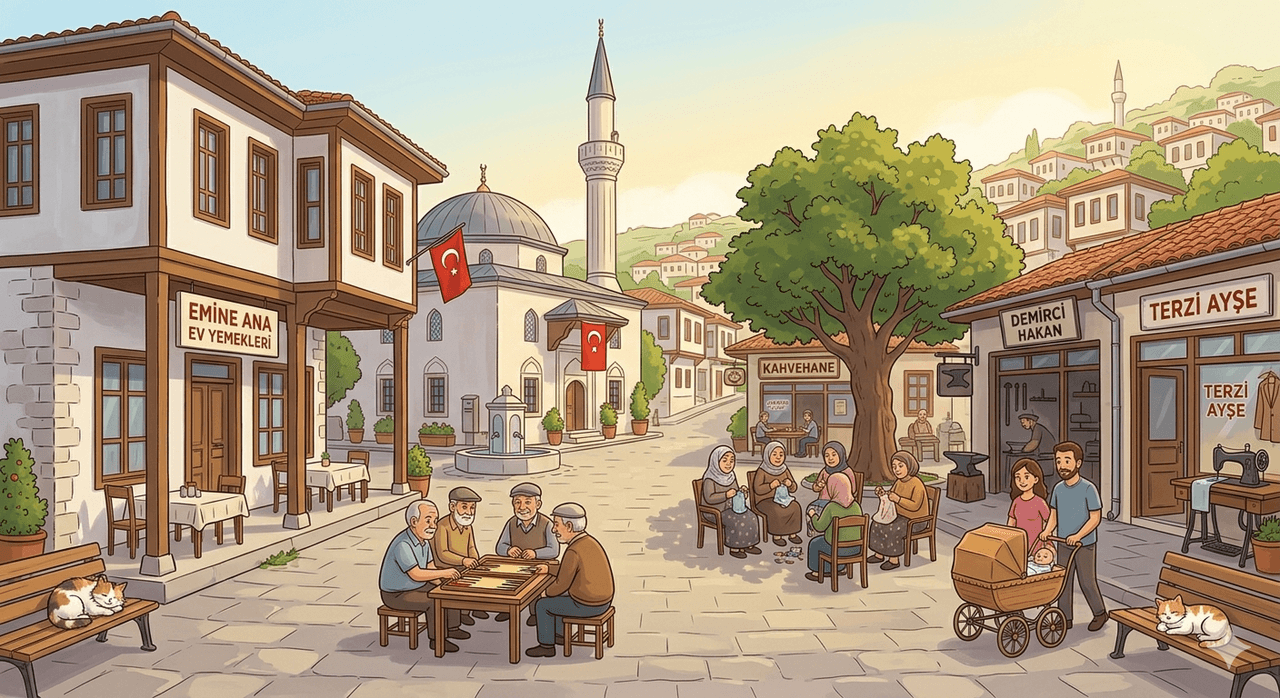
Neighborhood: Our Warm Home Together
When you open your front door and step outside, where do you feel you are? Perhaps in a park where you play ball with your friends, or on that familiar street where you greet the grocer. It is to this small place, where all these shared spaces come together and people live together in love, that we give the name neighborhood. A neighborhood is not merely a row of houses side by side; it is also a vast family. What Does Neighborhood Mean? The word “mahalle” comes to us from Arabic and originally
ENTülin Yıldız
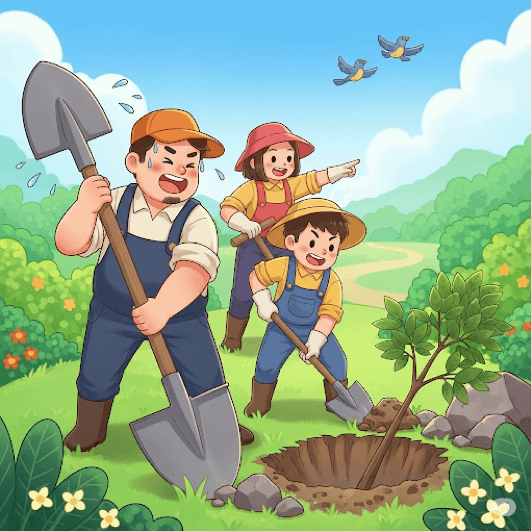
The hand is above the head.
"El elden üstündür" means that something one person cannot do or accomplish alone can be done better by someone else. This proverb conveys that there is always someone more knowledgeable, skilled, or capable than oneself. Where Does It Come From? There is no definitive story about the origin of this proverb. However, it is believed to have emerged from humanity’s long-standing observation that people possess different talents. For example, one person may be an excellent farmer while another is a
EN
Nida Üstün
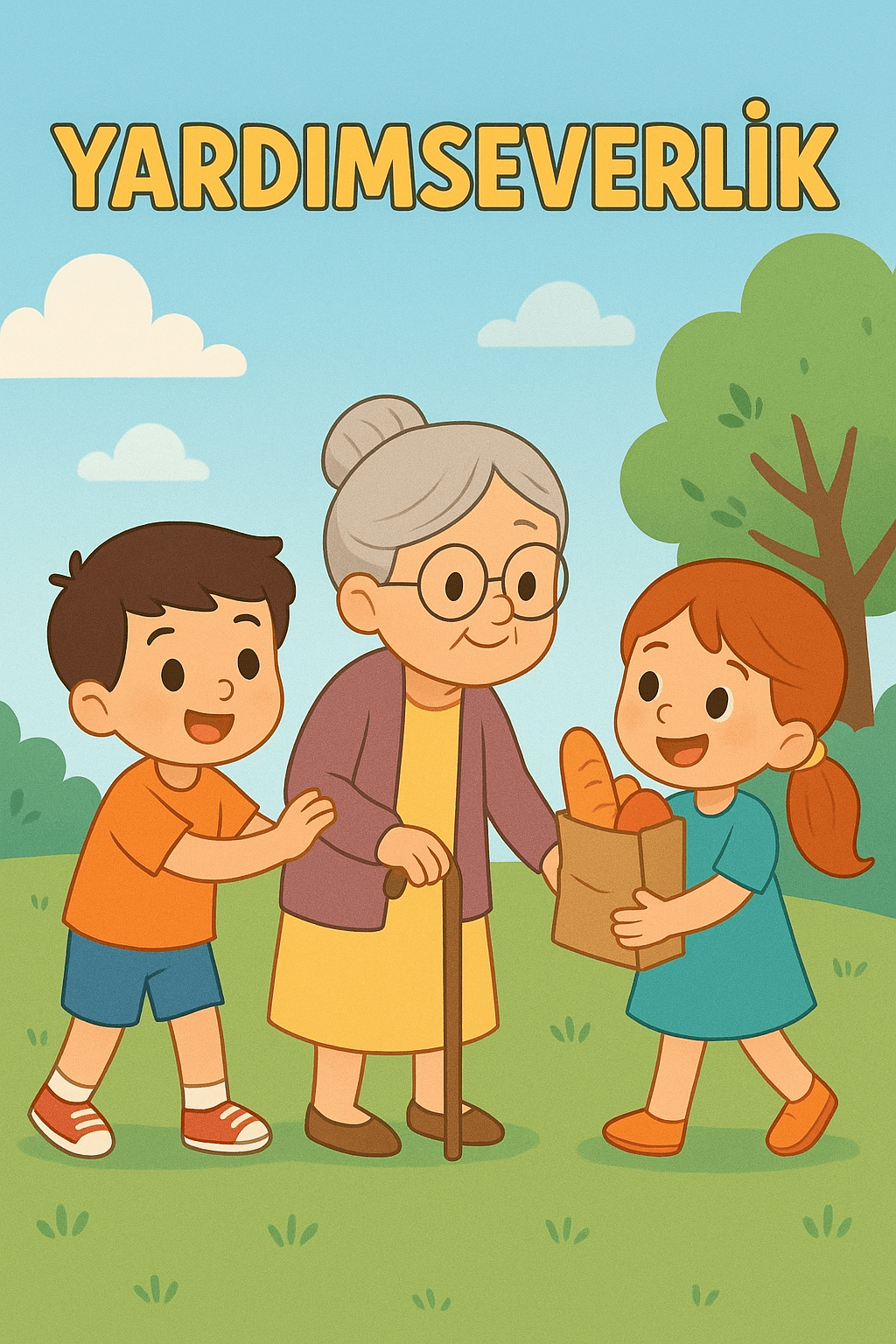
Philanthropy
Altruism is the act of doing good for another person or living being without expecting anything in return. It is not limited to material assistance; offering emotional support, giving someone your time, or speaking kindly to them are also acts of altruism. Altruism is a powerful bond that unites people and all living beings. This behavior brings happiness to both the helper and the one helped. The person who helps experiences inner peace and joy through their good deed, while the person who rece
EN
Elif Laçin
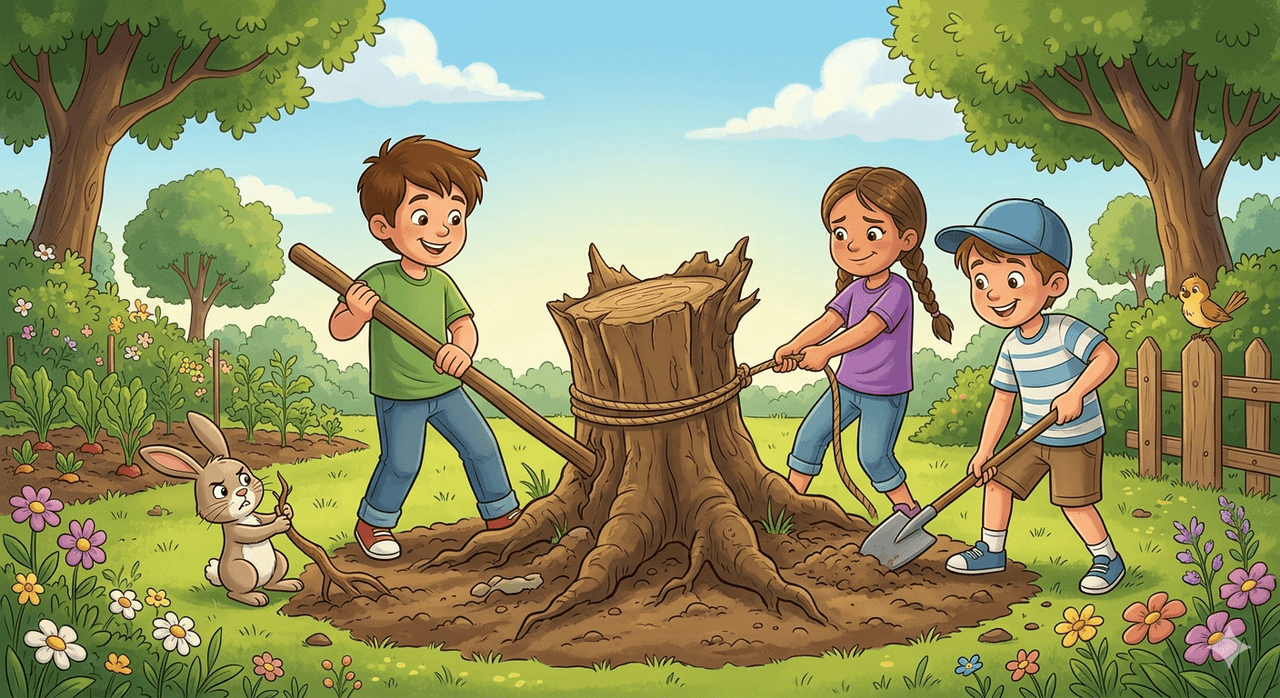
One hand has what, two hands have the sound.
Have you ever tried carrying a heavy toy box all by yourself? You might have found it quite difficult. But when a friend comes over and holds the other end of the box, how much easier the task becomes, right? This is exactly what the proverb "bir elin nesi var, iki elin sesi var" describes—the magic of cooperation. What Does This Proverb Tell Us? This beautiful saying illustrates the importance of working together rather than trying to accomplish something alone. A single hand clapping in the ai
EN
Samet Cemalettin ALKAN
Charity Stone
Sadaka stones were one of the significant structures used during the Ottoman period to foster social solidarity. These stones reflected the culture of assisting those in need within society and formed part of a system that enabled mutual aid without compromising individuals’ dignity. Found widely across the Ottoman territories, sadaka stones drew attention as a practice that encouraged the open giving of zakat and charity while ensuring it was carried out with humility. Function and Use of Sadak
EN
Sümeyra Uzun