

`morality` Related Article Results
 Th
ThThe Good Place (TV Series)
The Good Place is a fantasy comedy series produced by the U.S.-based television network NBC, which aired from 2016 to 2020 and explores philosophical and ethical themes through a humorous narrative. The Good Place - (IMDb) " image-element-format="right" image-source="https://cdn.t3pedia.org/media/uploads/2025/05/19/cPWUYvonyZF8IOaQ3stDvWd2OgwKwAJL.jpg"> Production Information and General Overview The series was created by Michael Schur. Comprising four seasons and a total of 53 episodes, it r
EN
Yahya B. Keskin
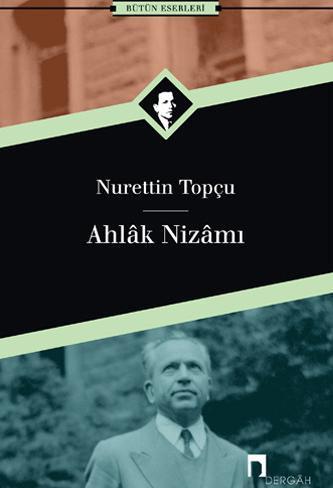
Ethical System (Book)
Akhlaq System is a philosophical work by Nurettin Topçu, known for his contributions to the history of thought and education, which examines ethics from both individual and social perspectives. First published in 1961, the book is currently printed by Dergâh Yayınları. The work aims to analyze classical and modern conceptions of ethics in relation to Turkey’s cultural context. Subject of the Book The book seeks to uncover the foundations of the moral order (nizam) that shapes the behavior of ind
EN
Cihat Demirel
CuCultural Relativism
Cultural relativism is a theory that asserts a person’s behavior, thoughts, and perceptions are dependent on and relative to the culture in which they live; that values and standards emerge from and are specific to the culture from which they arise; and that no meaningful or universal method exists for judging other cultures. According to this approach, morality is cultural and all judgments are ethnocentric. The theory argues that no absolute values or principles exist by which a society or cul
EN
Yunus Emre Yüce
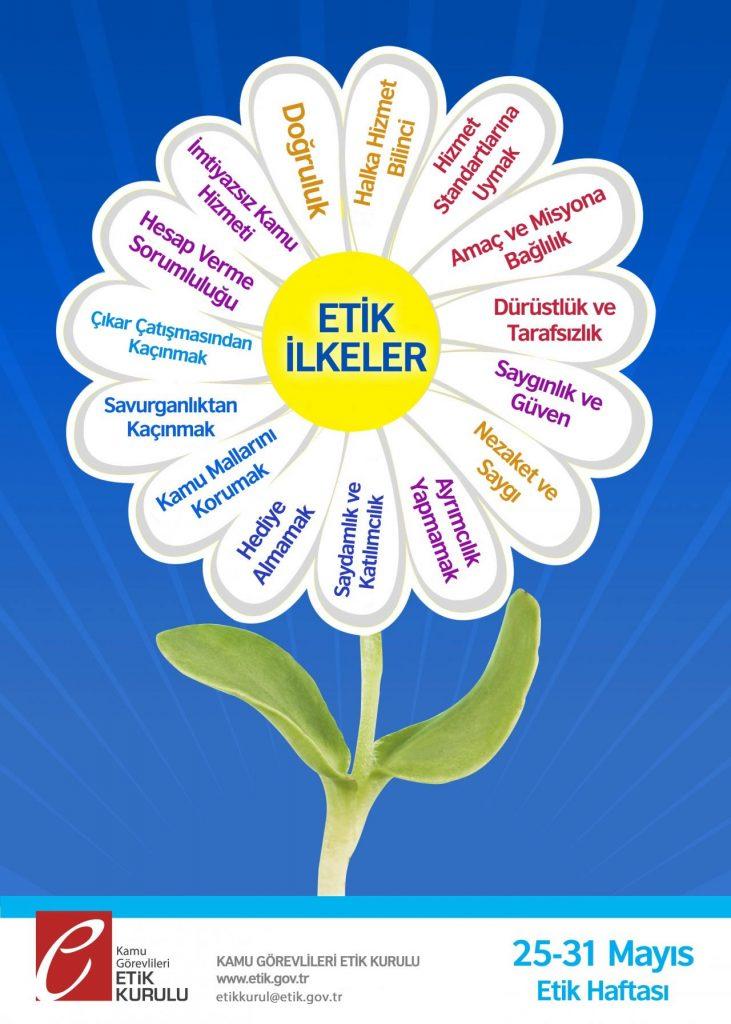
Ethics Day and Week
In Türkiye, May 25 is observed annually as Ethics Day, and the week encompassing this date is celebrated as Ethics Week. Law No. 5176, which served as the foundation for the establishment of the Public Officials Ethics Board, was adopted by the Grand National Assembly of Türkiye on May 25, 2004. The Board decided in 2008 to commemorate these dates nationwide each year to establish an ethical culture in public service, increase ethical awareness, and monitor ethical practices.【1】 Etymological Fou
EN
Gözde Cabadak

Ethics
Ethics, as a subdiscipline of philosophy also known as moral philosophy, is the branch that examines human actions and behaviors in terms of good/bad, right/wrong, and virtuous/vicious. The theoretical problems developed within this framework and the proposed solutions to these problems reveal the systematic nature of ethical thought. Therefore, it is possible to speak of different approaches within this discipline. For this reason, one of its major subfields is the normative ethics approach. Ar
EN
M. Esad Çetin
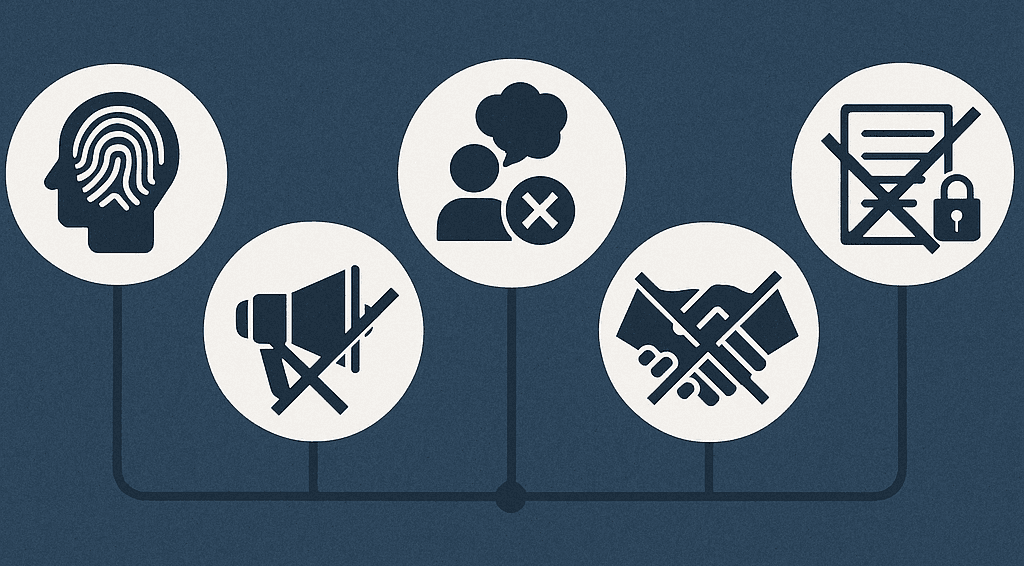
Communication Ethics
Communication ethics is a concept that denotes behaviors aligned with the principles of accountability, honesty, fairness, respect, and transparency in communication processes among individuals, groups, institutions and media. Ethical principles constitute a set of normative rules that regulate the roles of both content creators and recipients in communication. Communication ethics applies to all forms of communication—verbal, written, visual and digital—and carries significance in safeguarding
EN
Hümeyra Yılmaz

A Modern Poet in Values Education: Barış Manço
Barış Manço is an original artist who actively used music as a vehicle for conveying messages, interpreting traditional sources in an original form—not only through his music but also through his lifestyle and appearance. The transmission and preservation of cultural heritage, which constitutes a society’s material and spiritual existence as well as its written and oral values, through language and cultural education holds vital importance for the development of individuals and societies. Barış
ENGözde Cabadak
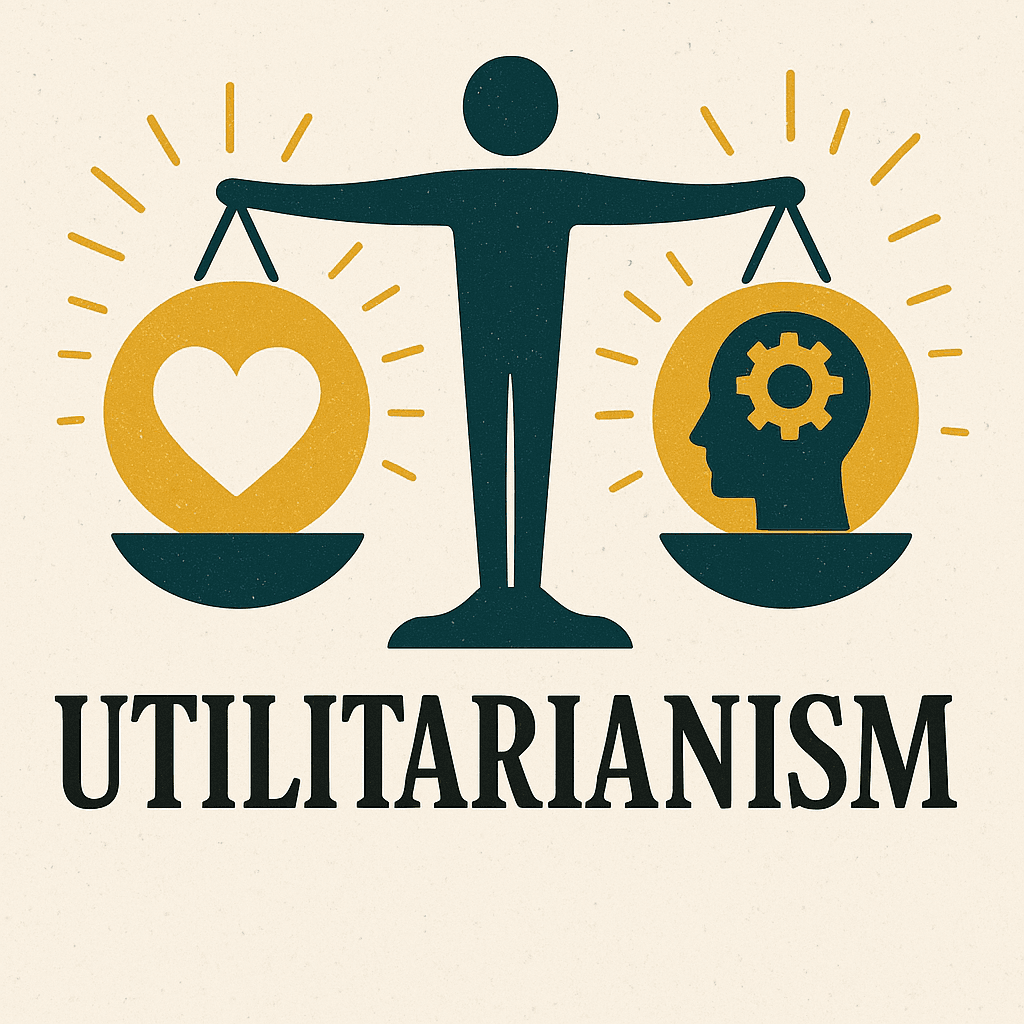
Utilitarianism
Utilitarianism, as an ethical theory, evaluates the rightness or wrongness of individual actions and social policies based on their consequences. Its fundamental principle is to maximize happiness for individuals and society. Utilitarianism selects the options that generate the greatest benefit, typically measured in terms of pleasure and pain, and seeks to extend this benefit to the broadest segment of society. According to utilitarianism, the morally right action is generally one that transcen
EN
Esra Can
Communication Ethics
Communication ethics is a concept that refers to behaviors aligned with the principles of truthfulness, honesty, justice, respect, and responsibility in communication processes between individuals, groups, institutions, and media. Ethical principles constitute a set of normative rules that regulate the roles of both content producers and recipients in communication. Communication ethics applies to all forms of communication—oral, written, visual, and digital—and is significant for protecting ind
EN
Hümeyra Yılmaz
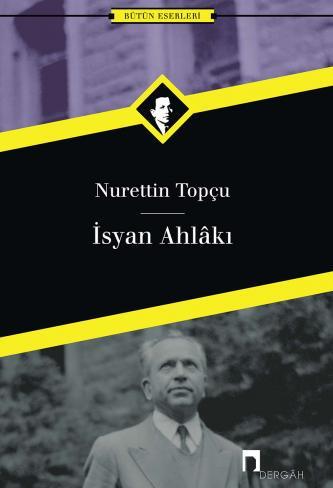
Ethics of Rebellion (Book)
Morality of Revolt is a philosophical work by Nurettin Topçu, known for his contributions to thought and education, which examines the relationship between the individual and society on a moral foundation. First published in 1965, this work is currently published by Dergâh Yayınları. The book consists of texts in which the author attempts to explain his moral theory through the concept of “revolt”. Subject of the Book The work addresses the moral responsibility of the individual and their positi
ENCihat Demirel