

`moral-decline` Related Article Results
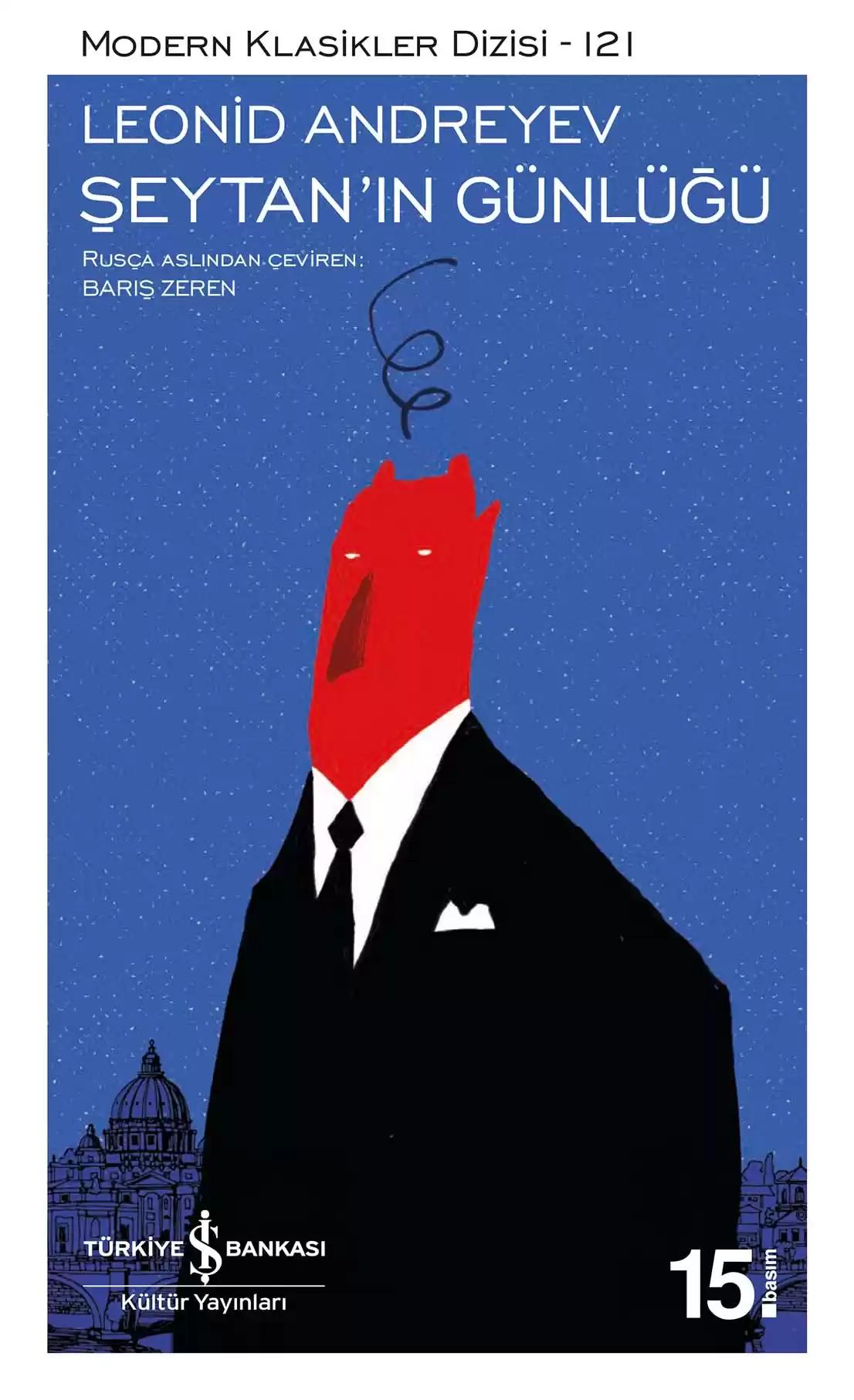
The Devil's Diary (Book)
The Diary of Satan is an allegorical novel written by Russian author Leonid Andreyev shortly before his death and regarded as one of his darkest works. The book unfolds through the personal diary entries of Satan himself, satirizing humanity’s moral decline, hypocrisy, pride and obsession with power. Through these entries, Satan records his time on Earth and his interactions with human beings. This narrative approach allows the author to pose profound philosophical questions about the nature of
EN
Betül Ertekin
 Kü
KüKülhanbeyleri Group
Külhanbeyleri were a social class that emerged during the early periods of Ottoman State. This class consisted of dominant, violent, and vagrant individuals who typically had no family or relatives. The group of külhanbeyleri, who owned neither homes nor businesses, lived and slept in the külhans—the fireplaces used to heat bathhouses. According to interviews and as far as can be traced from from literary works, this group gradually disappeared during the last fifty years of the nineteenth centu
EN
Denizcan Taşci

Rashomon (film)
Rashōmon, Japanese director Akira Kurosawa’s landmark film that brought him international acclaim. Released in 1950, the film is adapted from two short stories by Ryūnosuke Akutagawa: “Rashōmon” and “Yabu no Naka”. Renowned for its multiple perspectives narrative, the film occupies a unique place in cinema history and revolves around themes of truth, memory, and moral decay. It is widely regarded as one of the turning points not only in Japanese cinema but also in world cinema history. Plot Rash
EN
Nida Üstün