

`minimalism` Related Article Results
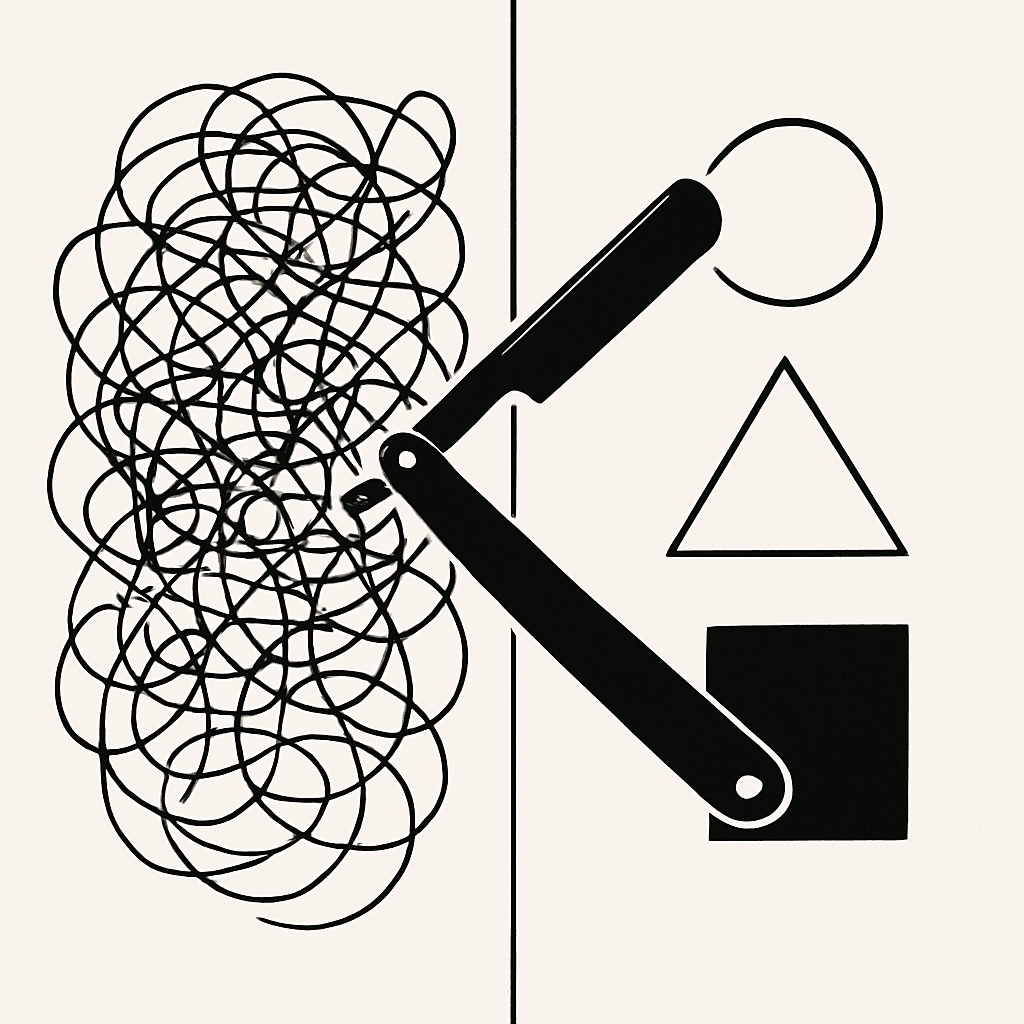
Occam's Razor
Ockham’s Razor, in its most general definition, is a philosophical principle that states that when choosing between competing hypotheses, the one with fewer assumptions should be preferred. It is often summarized by the phrase “Entities should not be multiplied beyond necessity” (Entia non sunt multiplicanda praeter necessitatem). This principle does not claim that simplicity is a guarantee of truth; rather, it argues that when theories have equal explanatory power, it is rational to choose the
EN
Yunus Emre Yüce
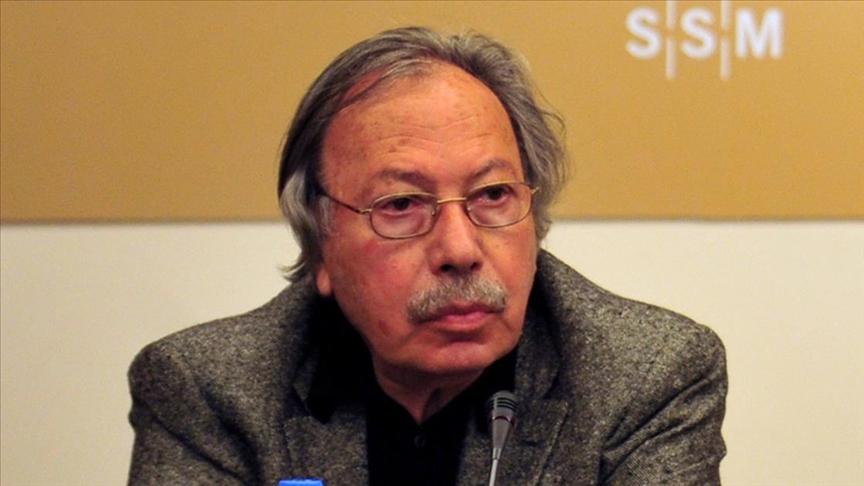
İsmail Ferit Edgü
Ferit Edgü, born on 24 February 1936, is among the leading figures of 20th-century Turkish literature. His mother is Fatma Nevber Hanım and his father is Mehmet Nuri Edgü. It is known that his maternal grandfather, the Bektashi poet Eğribozlu Mehmed Emin Sırrî, left behind a Divan from the 19th century. Edgü’s childhood unfolded under adverse political, economic and social conditions both globally and in Türkiye. Education and Youth Years Ferit Edgü received his education in schools affiliated w
EN
Yahya B. Keskin

Less Is More: Less Is Enough
"Less is more" (Az çoktur) is a concise phrase that encapsulates the philosophy of minimalism, first articulated by Ludwig Mies van der Rohe, one of the pioneering figures of twentieth-century modern architecture. Over time, this principle has resonated across numerous fields including design, architecture, art, literature, and lifestyle. It embraces a design ethos that prioritizes simplicity and functionality by eliminating unnecessary ornamentation and excess. Gradually, it evolved from being
EN
Zeynep Duvar
 Is
IsIs a Minimalist Lifestyle Possible in the 21st Century?
While organizing the cabinets in our home today, I asked myself this question: “Is a truly simple life possible?” I realized that many of our possessions are never used and represent a great waste. This situation deeply affected me. On one hand, there are thousands of people who need these very items; on the other, we have countless objects we have set aside unused. This contradiction kept me thinking for a long time. Minimalism is a concept we have heard frequently in recent years and one that
EN
Zeynep Temur
MiMicroev Current
The microhome movement emerged as the architectural manifestation of minimal life philosophy. This approach to architecture focuses on creating compact, functional living spaces that meet basic needs. Microhomes are typically characterized by their compact dimensions, ranging between 10 and 40 square meters. The rising cost of housing in densely populated cities and the growing pursuit of sustainability have created favorable conditions for the widespread adoption of the microhome movement. Micr
EN
Ahmet Burak Taner

Diderot Effect
The Diderot Effect is a consumption behavior model in which an individual, after acquiring a new object, becomes aware of aesthetic, functional, or symbolic inconsistencies between this object and others in their environment, and subsequently develops a tendency to acquire additional products to restore harmony. This model reveals that consumption is not merely driven by necessity but is also a cultural, emotional, and identity-based practice. Individuals seek to construct a lifestyle, aesthetic
EN
Sümeyye Akkanat Terzioğlu
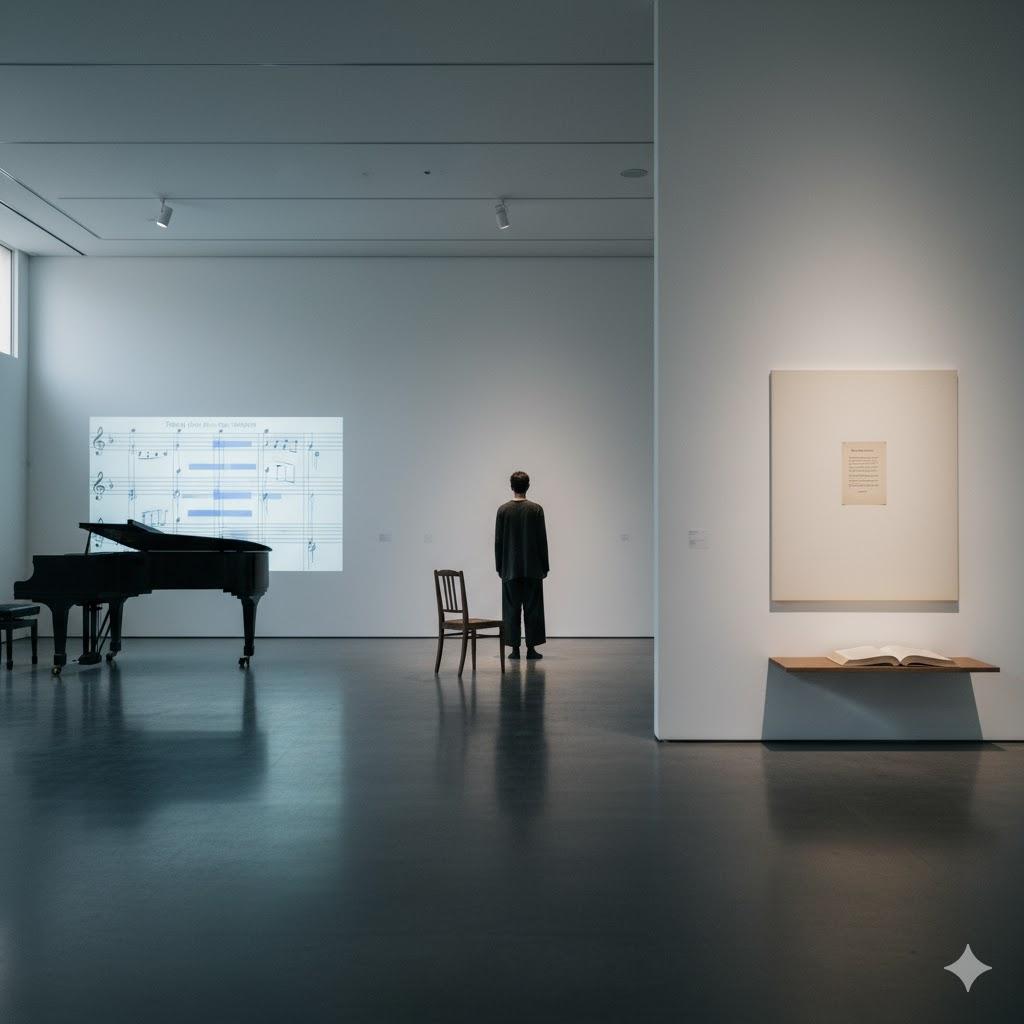
Minimalism
Minimalism refers to the understanding of reducing anything to its most essential elements. In everyday language, the concept is commonly used to describe structures that are “stripped of the superfluous,” “reduced to their essence,” or “simplified.” Originating from observations by art critics, this approach has over time evolved into a theoretical tool applicable across numerous fields—from literature and music to architecture, design, technology, and daily life—not limited solely to artworks.
EN
Nazlı Kemerkaya

Dieter Rams
Dieter Rams (20 May 1932, Wiesbaden, Germany) is a German industrial designer and academic. He is best known for his work with the consumer products company Braun and the furniture company Vitsœ. Recognized as one of the most important representatives of functionalist design, Rams left a profound mark on the design world through his philosophy of “Weniger, aber besser” (Less but better) and his “Ten Principles for Good Design.” His designs stand out for their simplicity, usability and aesthetic
EN
Yağmur Yıldız Parıltı
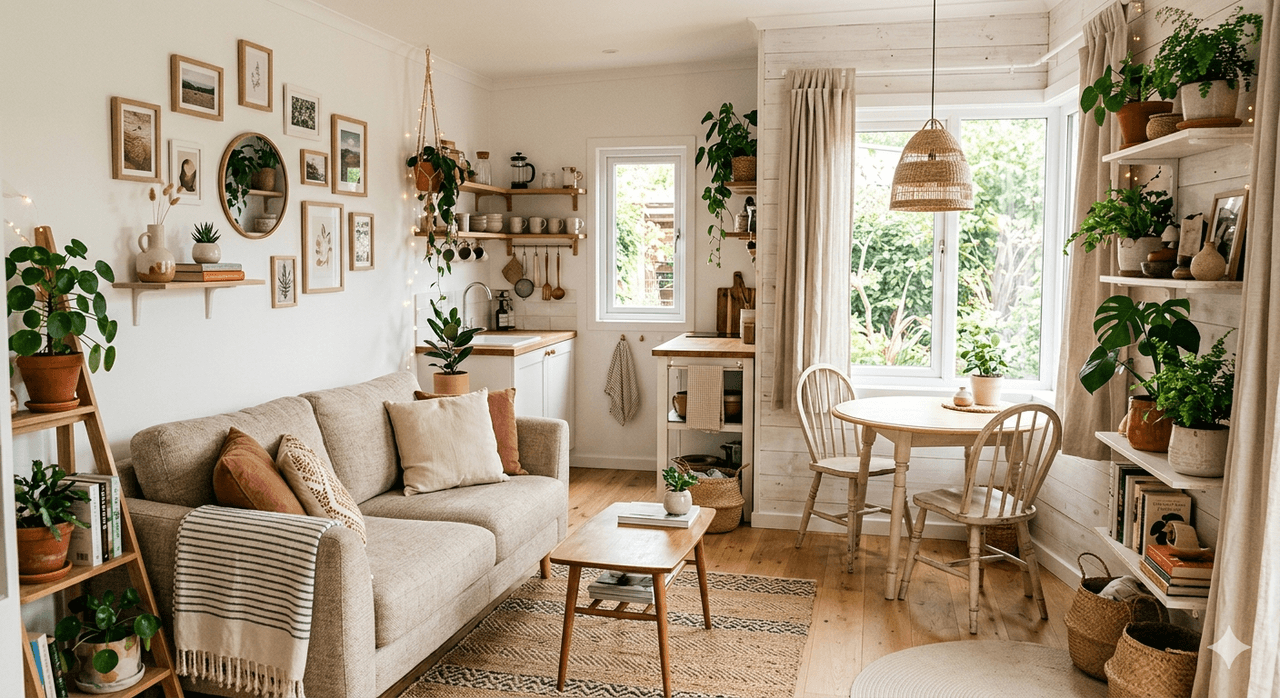
Small Home Decoration
Small home decoration is an interior design approach that integrates principles of aesthetics, functionality, and spatial efficiency in living areas with limited square footage. This decorative philosophy has gained importance due to increasing urbanization, rising living costs, and changing lifestyles, emphasizing simple and functional spatial arrangements. The conceptual foundation of small home decoration lies in the minimalist approach that emerged in the mid-20th century. Minimalism aims to
ENHavin Oğul