

`mimari` Related Article Results
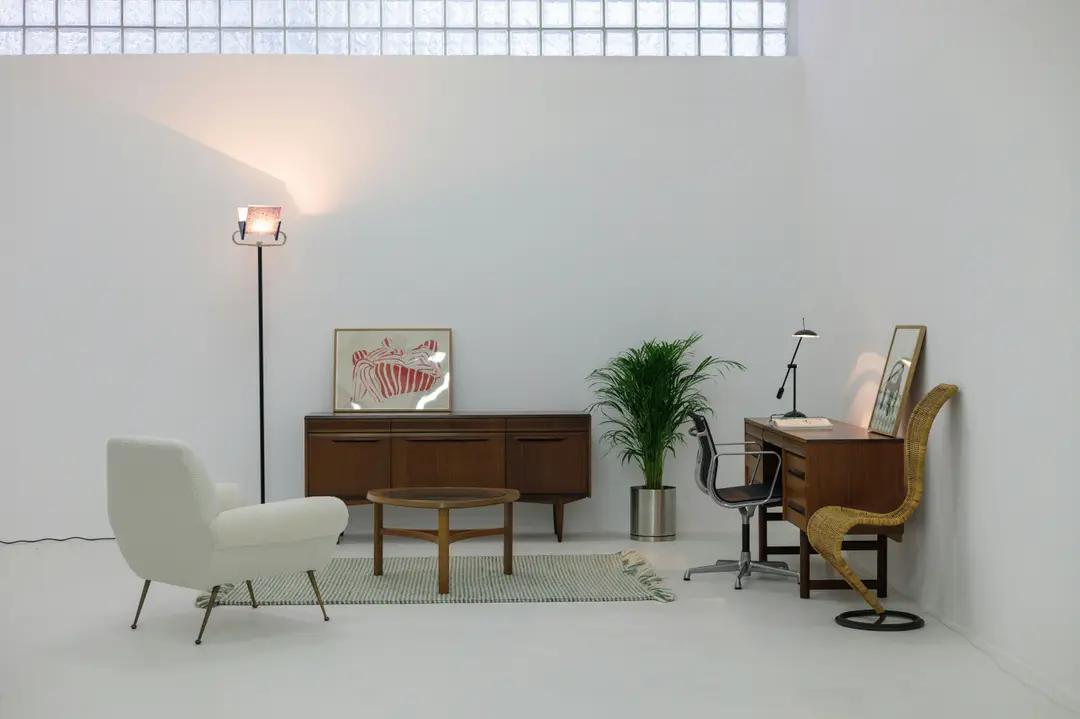
Mid-Century Modern
Mid-Century Modern is an art, architecture, and design movement that developed during the mid-20th century, particularly from the 1940s to the 1960s. Shaped by industrialization, technological progress, and the post-war reconstruction period, this movement is characterized by principles of functionality, simplicity, and suitability for contemporary lifestyles. Rejecting excessive ornamentation in aesthetics, it represents an approach that combines clean forms, natural materials, and the possibil
EN
Nazlı Kemerkaya
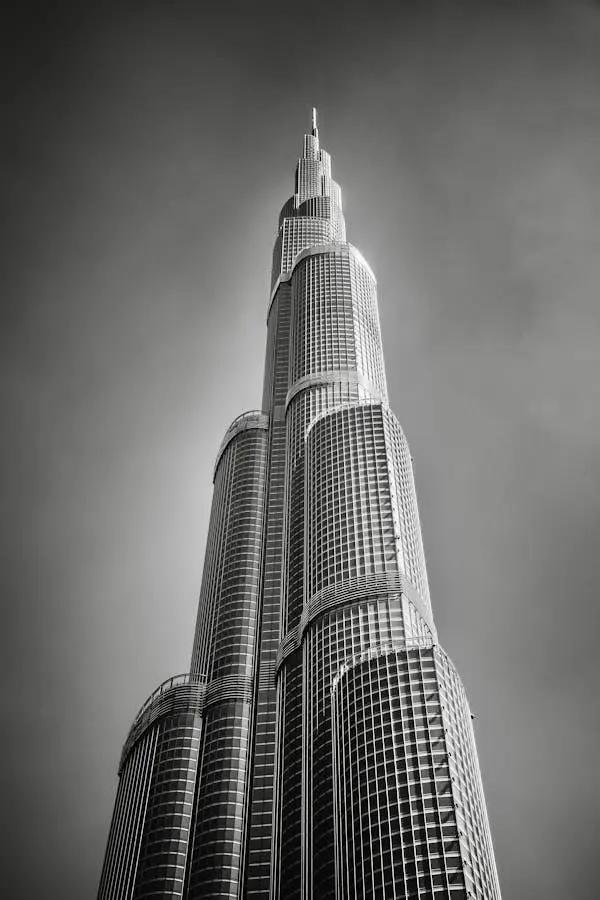
Burj Khalifa
Burj Khalifa is not only a symbol of Dubai but also a study that pushes the boundaries of contemporary architecture and engineering. At a height of 828 meters (2,716.5 feet), the world's tallest building, Burj Khalifa, stands out not only for its physical dimensions but also for its innovative design, sustainability solutions, and excellent engineering touches. This work is more than just a structure for a city; it has become a symbol representing Dubai's modernization process, economic growth,
EN
Caner Sefa Koçyiğit
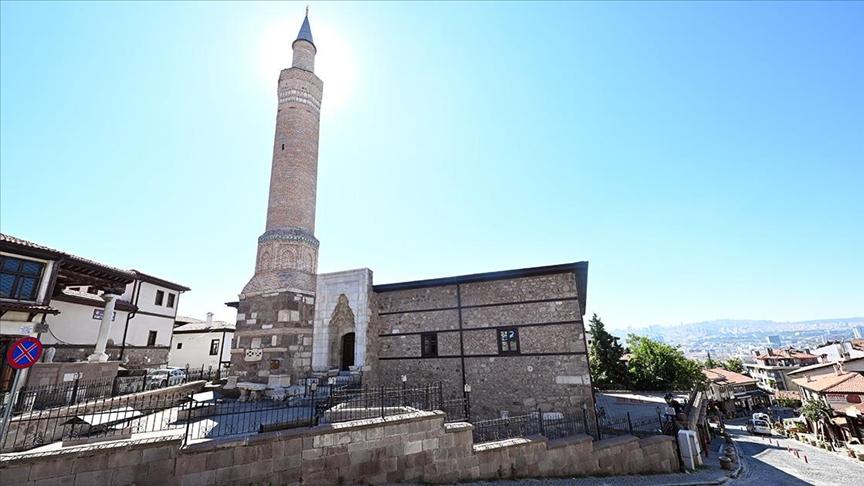
Arslanhane (Ahi Şerafettin) Camii
Arslanhane (Ahi Şerafettin) Camii is one of the significant examples of medieval Anatolian wooden column-and-beam mosques, located in the Ulus-Samanpazarı neighborhood of the Altındağ district of Ankara. Built in the 13th century by the Ahi brotherhood, the mosque was inscribed on the UNESCO World Heritage List in 2023. Situated at the southern end of Ankara Castle, it is also known as Arslanhane due to the presence of an ancient lion statue. History Although no definitive foundation inscription
EN
Emir Cengiz Çulha
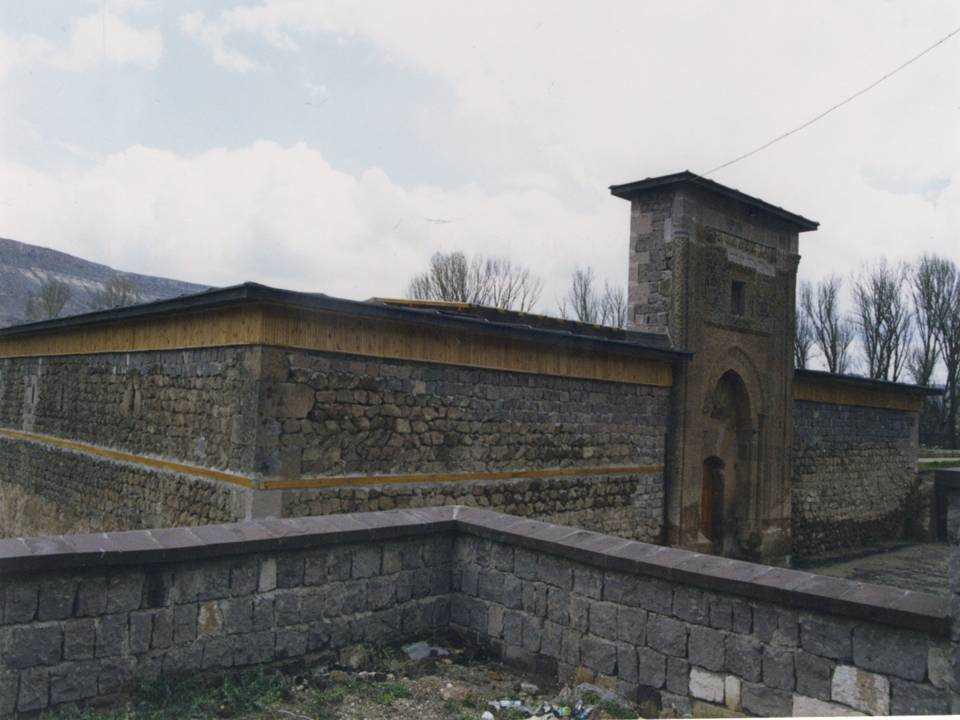
Taşkınpaşa Medresesi
Taşkınpaşa Medresesi is a historical medrese structure located in the center of Taşkınpaşa Village, in the Ürgüp district of Nevşehir, alongside the Ürgüp-Soğanlı road. It is generally accepted to have been constructed in the mid-14th century during the period of the Karamanids. Location The medrese is situated approximately 20 km south of the Ürgüp district center, in the center of Taşkınpaşa Village. The structure is integrated into the settlement fabric and maintains spatial relationships wit
EN
Ayşe Gül Bora
Panorama 1326 Bursa Conquest Museum
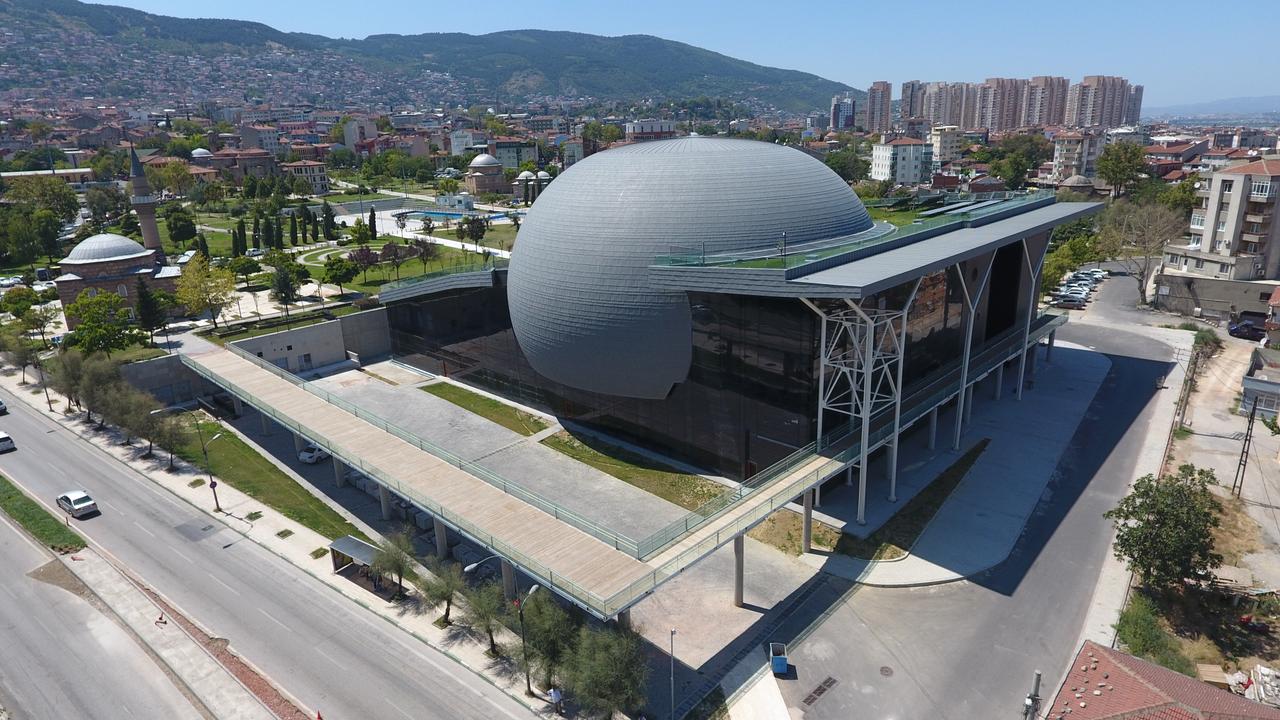
Panorama 1326 Bursa Conquest Museum is a museum established to vividly recreate the conquest of Bursa on 6 April 1326 through a panoramic narrative. Located in the Bursa district of Osmangazi, the museum is a cultural institution that presents the conquest event to visitors through a 360-degree panoramic painting and various exhibition spaces. The museum aims to convey the founding period of the Ottoman State and the historical development of Bursa using visual and technological storytelling met
EN
Edanur Yavuz

Hamur Kümbeti
Stone buildings passed down from the past tell us how people lived in ancient times and what they valued. In our province of Ağrı, the Hamur Kümbeti is a particularly unique structure that, like a time machine, transports us back approximately 200 years. Let us explore together the secrets of this fascinating stone construction! Where Is the Hamur Kümbeti? Hamur Kümbeti is located in the Hamur district of Ağrı, from which it takes its name. It stands at the center of an ancient cemetery, directl
EN
Ömer Keleş
 Ya
YaYapım
Köken Türkçe kökenli bir kelime olup, "yap-" fiil köküne türetme eki olan "+(ı)m" ilave edilmesiyle yeni olarak oluşturulmuştur. Kullanım Alanları Genel: İnşaat, mimari ve endüstri sektörlerinde bir malın veya yapının meydana getirilmesi anlamında kullanılır. Sinema ve Televizyon: Bir görsel-işitsel eserin çekim, hazırlık ve ortaya çıkış sürecinin tamamını, diğer bir deyişle prodüksiyonu ifade etmek için tercih edilir. Biyoloji: Organizmalardaki özümleme (anabolizma) süreçlerini nitelemek için k
TR
Aykut Laçın
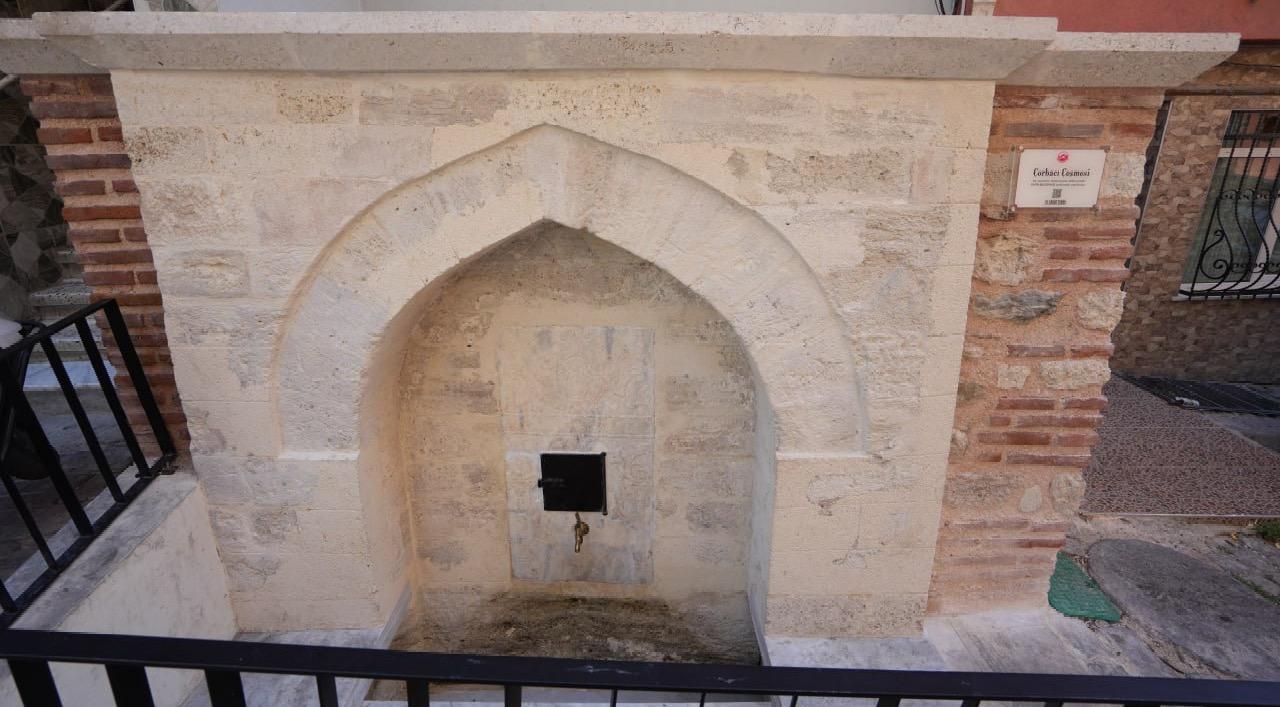
Çorbacı Çeşmesi - İstanbul
Çorbacı Çeşmesi; İstanbul ili, Fatih ilçesi, Balat semtinde yer alan tarihi bir su yapısıdır. Yapı, bulunduğu sokağa adını veren Çorbacı Çeşmesi Sokağı üzerinde konumlanmaktadır.【1】 Osmanlı kültürel mirasının bir parçası olan bu eser, Kültür Envanteri'nde kayıtlı olup günümüzde erişilebilir ve işlevsel durumdadır.【2】 Tarihçe ve Dönem Özellikleri Çeşmenin üzerinde bir kitabe bulunmaması sebebiyle yapım tarihi ve banisi kesin olarak saptanamamaktadır. Ancak yapısal unsurları ve mimari üslubu incel
TRMuhammed Musab Kardaş
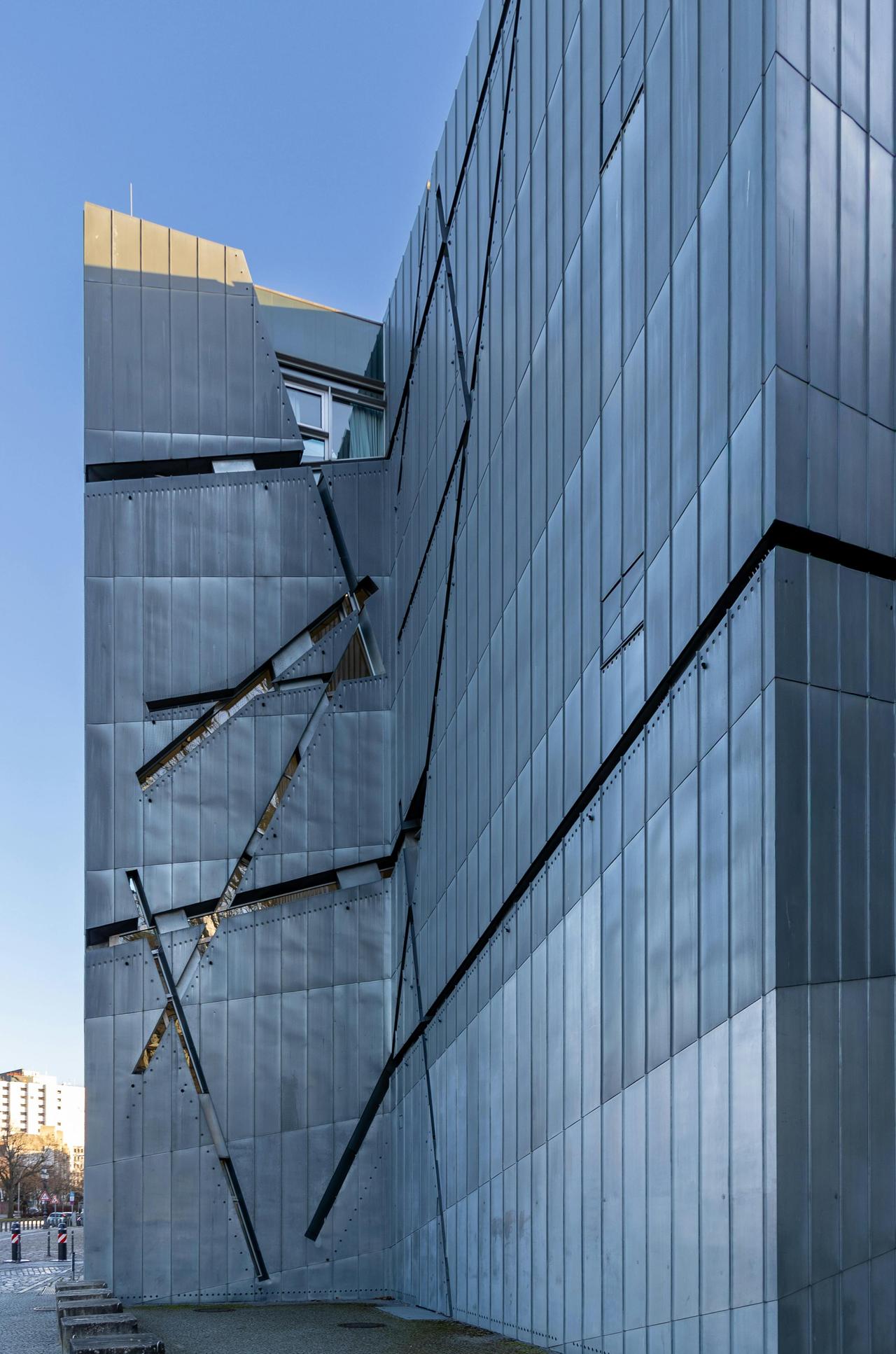
Berlin Yahudi Müzesi
Berlin Yahudi Müzesi, Alman mimar Daniel Libeskind tarafından tasarlanan ve Yahudi tarihini, kolektif belleği ve Alman-Yahudi ilişkilerini mekânsal anlatım aracılığıyla ele alan bir müze yapısıdır. Yapı, Daniel Libeskind'in 1988 yılında düzenlenen uluslararası mimari yarışmayı kazanan projesi temel alınarak tasarlanmış; 1992 yılında başlayan inşa sürecinin tamamlanmasının ardından 2001 yılında ziyarete açılmıştır.【1】 Müze tasarımında kırık geometriler, boşluklar, çizgisellik, ışık kullanımı ve d
TR
mesude zor
MiMimari
Köken Mimari kelimesi, Arapça √ˁmr kökünden türeyen miˁmār (معمار, “inşa eden, yapı kuran, imar eden kişi”) sözcüğüyle ilişkilidir. Bu kökten, meslek ve nitelik bildiren yapı üzerinden miˁmārī (معماري) biçimi oluşmuştur. Kelime, Farsça’da görülen -i eki etkisiyle “mimarlığa ait, yapı tasarımıyla ilgili” anlamını kazanmıştır. Kullanım Alanları Mimarlık ve yapı tasarımı: Binaların planlanması, tasarlanması ve inşa edilmesi süreçlerini ifade eder. Sanat ve tasarım: Yapıların biçimsel özelliklerini,
TR
Gökhan Güller