

`military-technology` Related Article Results

KARGUFPV Kamikaze UAV
The KARGU FPV Kamikaze UAV is a next-generation mini unmanned aerial vehicle system developed by Defense Technologies Engineering and Trade Inc. (STM), featuring a First Person View (FPV) system and kamikaze attack capability. As the first member of STM’s FPV Kamikaze UAV family, KARGU FPV is specifically designed to generate high-precision strike effects against mobile or stationary targets in asymmetric threat environments. The platform draws on STM’s prior experience with mini UAVs and is equ
EN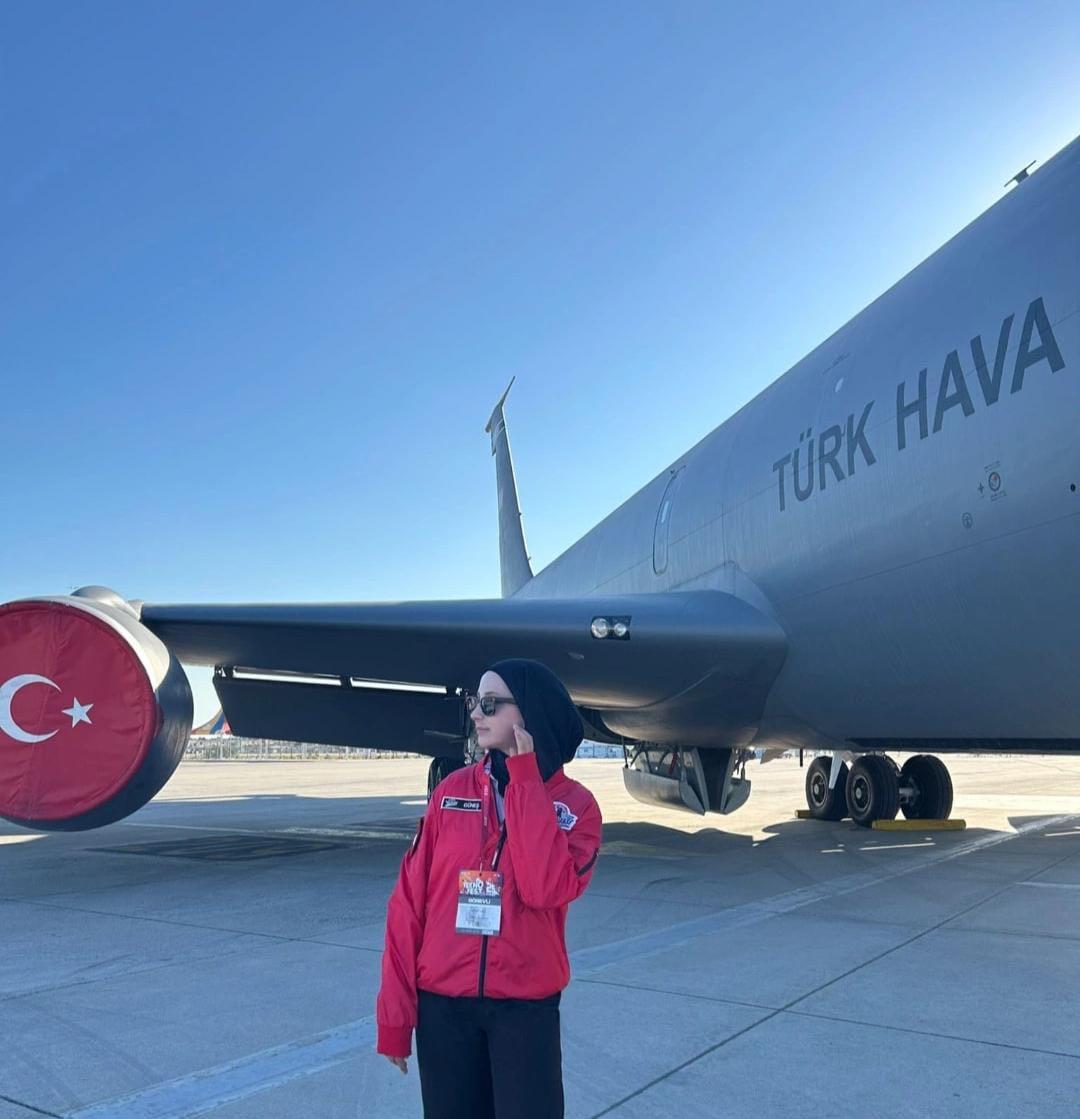
Ahsen Güneş
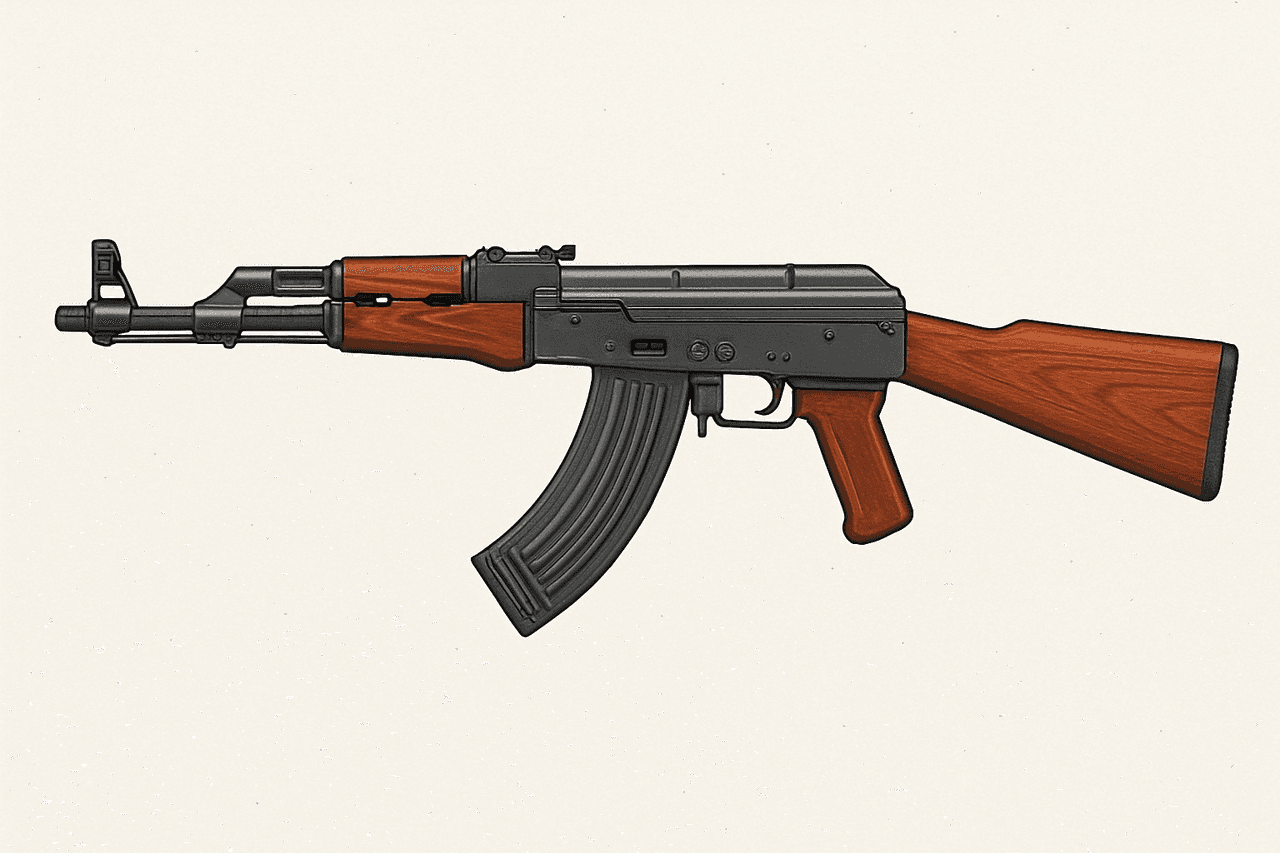
Kalashnikov (AK-47)
Known as the Kalashnikov, the AK-47 (Avtomat Kalashnikova 1947) is one of the most widely used infantry rifles of the 20th century. Its simple design cost effective production and ability to function under harsh conditions have led to its widespread adoption across the globe. Estimated to have over 100 million copies in circulation the AK-47 has drawn attention not only for its technical features but also as a symbolic instrument in various political and social contexts. The weapon was designed
EN
Cihat Demirel
 El
ElElectronic Warfare Systems
Electronic warfare (EW) encompasses a range of technological strategies and devices aimed at disrupting, deceiving, or misleading enemy electronic systems. EW systems utilize radio frequency (RF) or optical signals to impair or manipulate the functionality of adversarial systems. These systems are crucial for gaining strategic advantages on the battlefield and typically consist of two main components: Electronic Support (ES) and Electronic Countermeasures (ECM). Electronic Support (ES) Systems E
EN
Sema Nur Akdağ
InIntroduction and Development of Unmanned Underwater Vehicles in Türkiye's Defense Industry
Early Stages of Unmanned Underwater Vehicles The first water underwater vehicle was developed in Austria in 1864 by Luppis-Whitehead Automobile. This vehicle was a torpedo-shaped remotely controlled underwater vehicle. The first model resembling modern vehicles was the Poodle, designed by Dimitri Rebikoff in 1953. The first significant advancements in unmanned underwater vehicles were made by the British Royal Navy and USA Navy. Initially these vehicles had no autonomous movement capabilities an
EN
Umut Zaif

Military Tactical Communication Systems
Military tactical communication systems are integrated technological infrastructures that enable secure, uninterrupted, and simultaneous exchange of voice, data, and video between land, sea, and air platforms and command centers on the modern battlefield. These systems play a critical role in operational success by enhancing coordination between units, maximizing situational awareness, and streamlining command and control processes. Equipped with features such as advanced encryption, electronic
ENAhsen Güneş
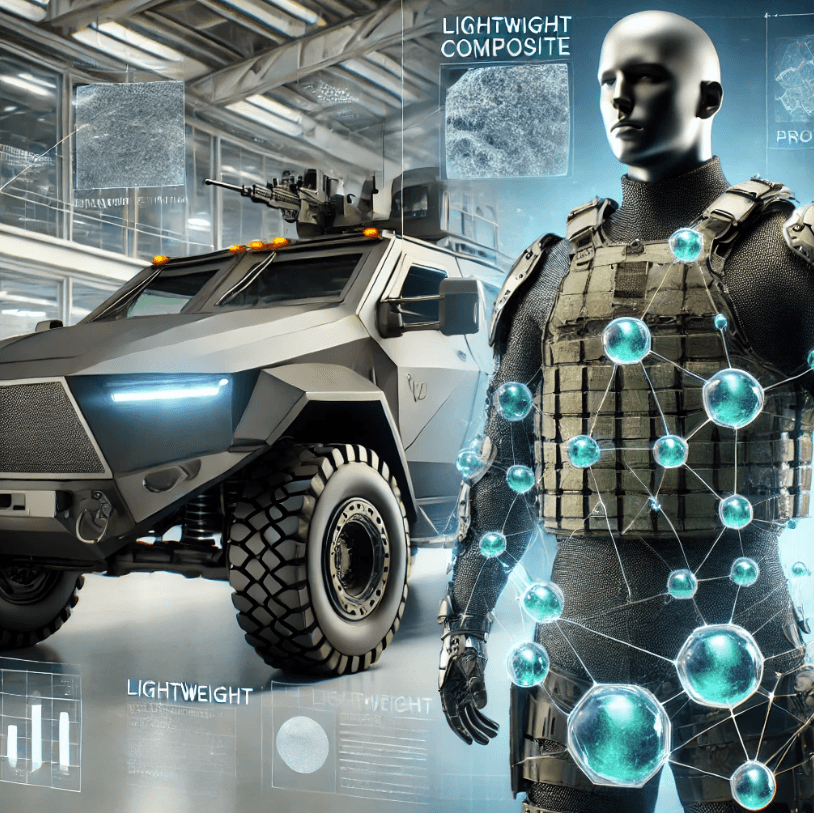
Nano Defense Applications
National defense applications refer to the use of nanotechnology—manipulating matter at the atomic and molecular scale (typically between 1 and 100 nanometers)—in military and national security contexts. At this scale, materials exhibit unique and superior physical, chemical, mechanical, optical, and electrical properties not observed in their bulk forms. The defense industry aims to leverage these novel properties to develop lighter, stronger, more durable, and multifunctional equipment, weapon
EN
Ahsen Karakaş

Defense Industry Policies
Defense industry is the collective industrial and technological activities that equip a state’s armed forces with modern systems and equipment to ensure national independence and security. The ability of states to sustain their sovereignty largely depends on the establishment and development of a self-reliant national defense industry. This sector not only enhances military capacity but also plays a critical role in achieving a country’s foreign policy objectives and determining its position wit
EN
Beyza Nur Türkü
InIntroduction and Development of Unmanned Underwater Vehicles in Türkiye's Defense Industry
Early Stages of Unmanned Underwater Vehicles The first underwater vehicle was developed in Austria in 1864 by Luppis-Whitehead Automobile. This vehicle was a remotely controlled torpedo-shaped underwater device. The first model resembling modern vehicles was the Poodle, designed by Dimitri Rebikoff in 1953. The first significant advances in unmanned underwater vehicles were made by the British Royal Navy and the US Navy. Initially these vehicles lacked autonomous movement capabilities and were c
EN
Umut Zaif
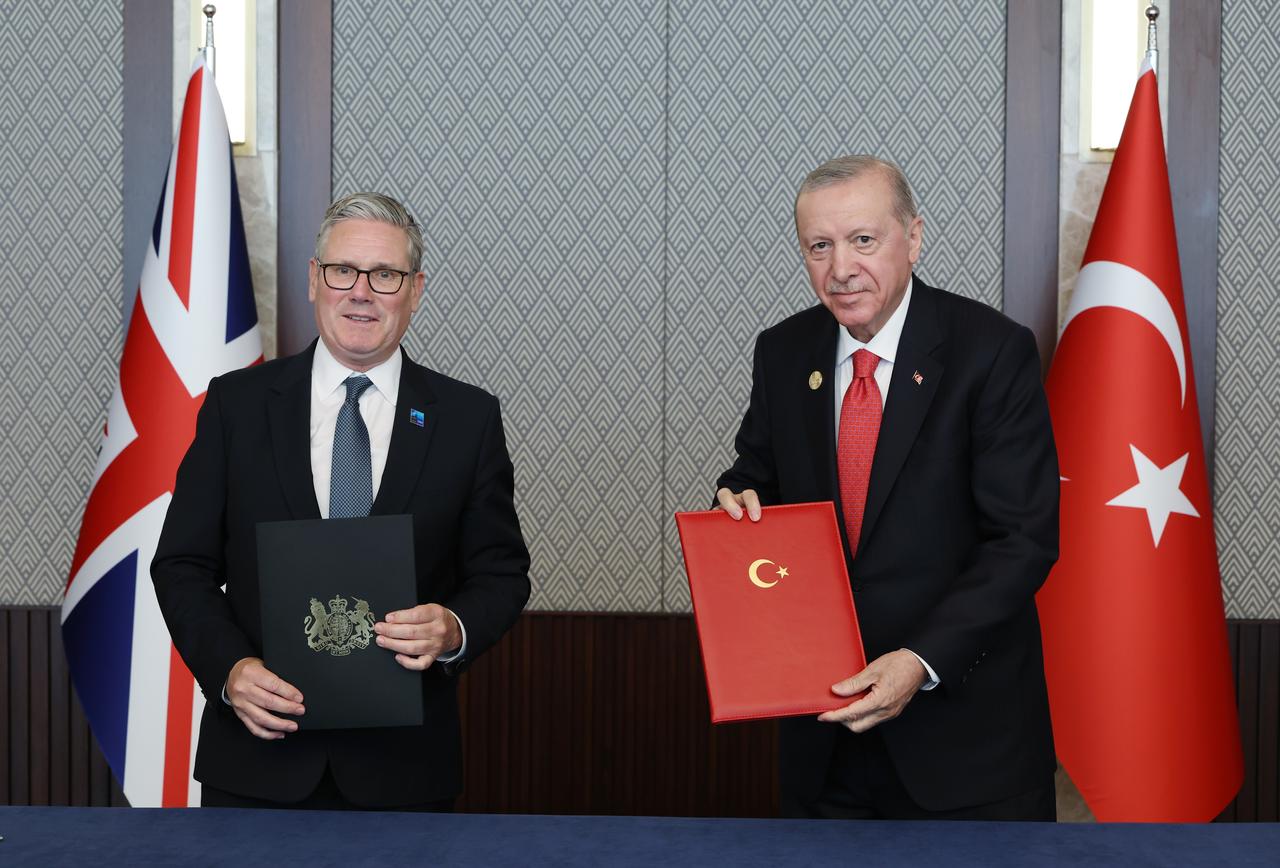
Türkiye-United Kingdom Security and Defense Partnership (2026)
A Security and Defense Partnership between the Republic of Türkiye and the United Kingdom of Great Britain and Northern Ireland, signed on 8 July 2026 on the margins of the 36th NATO Summit of Heads of State and Government held in Ankara. The document was signed following a bilateral meeting between President Recep Tayyip Erdoğan and UK Prime Minister Keir Starmer. Signing Process President Recep Tayyip Erdoğan continued his bilateral engagements within the framework of the 36th NATO Summit of H
EN
Edanur Karakoç
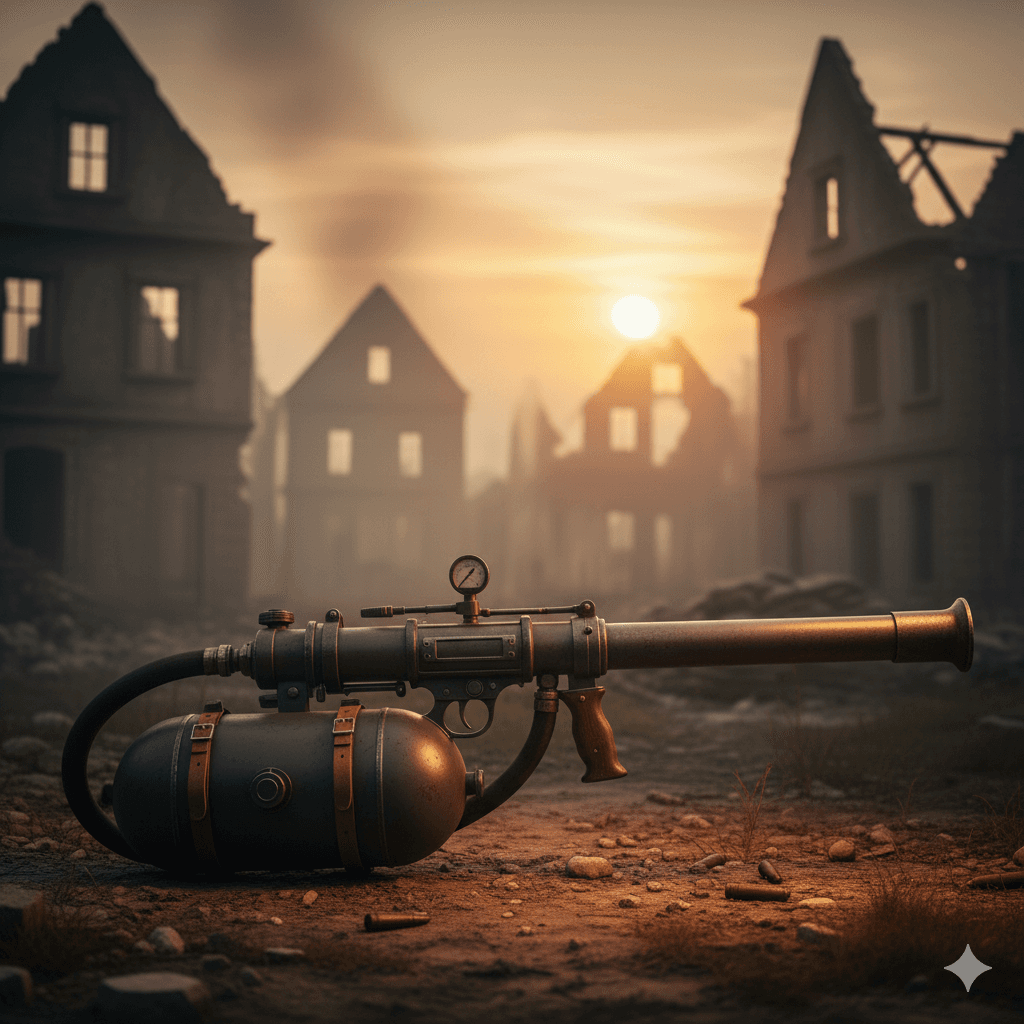
Flamethrower
The flamethrower was a portable flame weapon developed in Germany in the early 20th century and widely used during the First and Second World Wars. Designed by German engineer Richard Fiedler in 1901, this weapon operated on the principle of propelling fuel under high pressure and igniting it into flame. When first deployed in 1915 near Verdun its impact was profound not only technically but also psychologically. Second World War models reappeared on the battlefield and became notable weapons fo
EN
Yusuf Bilal Akkaya