

`metaphysics` Related Article Results
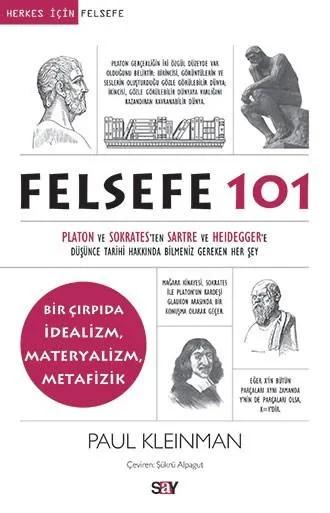
Philosophy 101 (Book)
Philosophy 101: A Basic Introduction to Ethics and Metaphysics from Plato and Socrates to the History of Thought, written by Paul Kleinman, is a work that explains the fundamental concepts and historical development of philosophy in simple language. Published in 2013 by Adams Media, the book aims to introduce the main figures, theories, and concepts of Western philosophy. Kleinman has created a guiding resource for newcomers to philosophy by presenting complex philosophical ideas in an accessibl
EN
Meryem Beyza Utkulu

Ibn Sina-Descartes Metaphysics (Book)
Avicenna-Descartes Metaphysics, authored by H. Ömer Özden and published by Dergâh Yayınları as part of its “Contemporary Islamic Thought” series, is a study that examines the interactions and comparisons between Islamic and Western philosophy within a metaphysical framework. The book aims to reveal the continuity and mutual influence of philosophical traditions across different civilizations by specifically comparing the metaphysical thought of Avicenna (980–1037) and René Descartes (1596–1650).
EN
Muhammed Samed Acar

Nothing With Eyes (Book)
Nothing That Has Eyes, by Zeynep Arkan, one of the original voices of contemporary Turkish poetry, is a collection of poems that interrogates the inner world of the individual, sensitivity toward social reality, and the metaphysical dimension of silence. The poet redefines the boundaries between being and meaning, innocence and domination, power and fragility through the language of poetry. The poems in this work possess a multilayered narrative that can be interpreted through both individual an
ENMuhammed Samed Acar
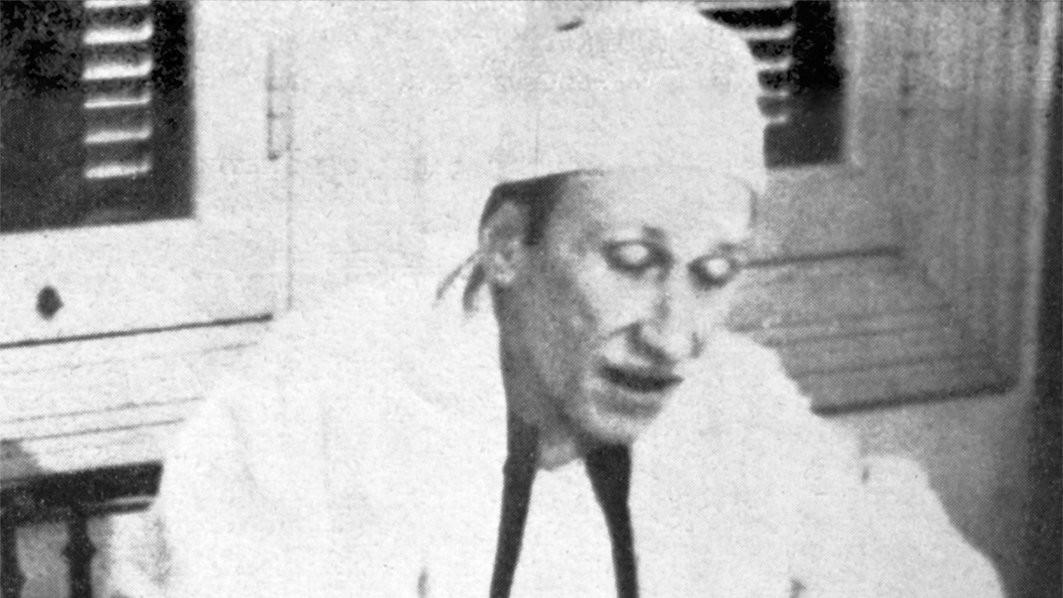
René Guénon (Abdulvahid Yahya)
René Jean-Marie-Joseph Guénon (1886–1951) was a French thinker regarded as one of the pioneers of the traditionalist current of thought in the first half of the 20th century. Raised in a Catholic family, he began his education in religious schools and spent his youth immersed in various intellectual and metaphysical circles such as spiritualism, Freemasonry and esotericism. In 1912, after embracing Islam, he adopted the name Abdulwahid Yahya and, following his initiation into the Shadhiliyya Suf
EN
Yusuf Bilal Akkaya
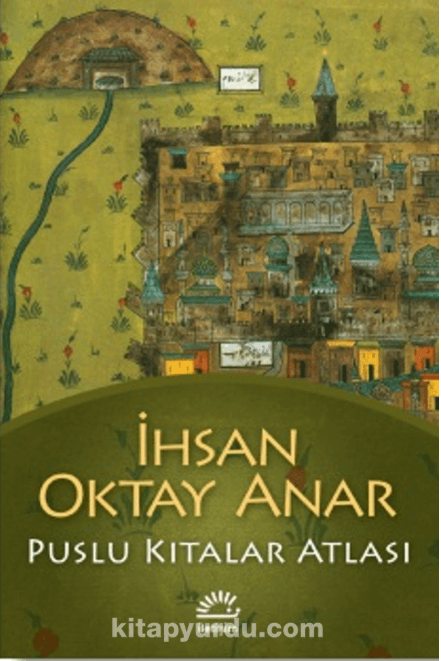
Atlas of Misty Continents (Book)
Puslu Kıtalar Atlası, İhsan Oktay Anar’ın karakteristik style, is recognized in Turkish literature as a work that unites imagination and reality. The novel transports its readers to 17th-century Istanbul under the Ottoman Empire, offering a world enriched with philosophical inquiries and fantastical elements. The author has crafted a multi-layered narrative that deeply examines the individual’s quest for truth and the complexity of human nature. Puslu Kıtalar Atlası " image-alternate="" image-el
EN
Ahsen Karakaş
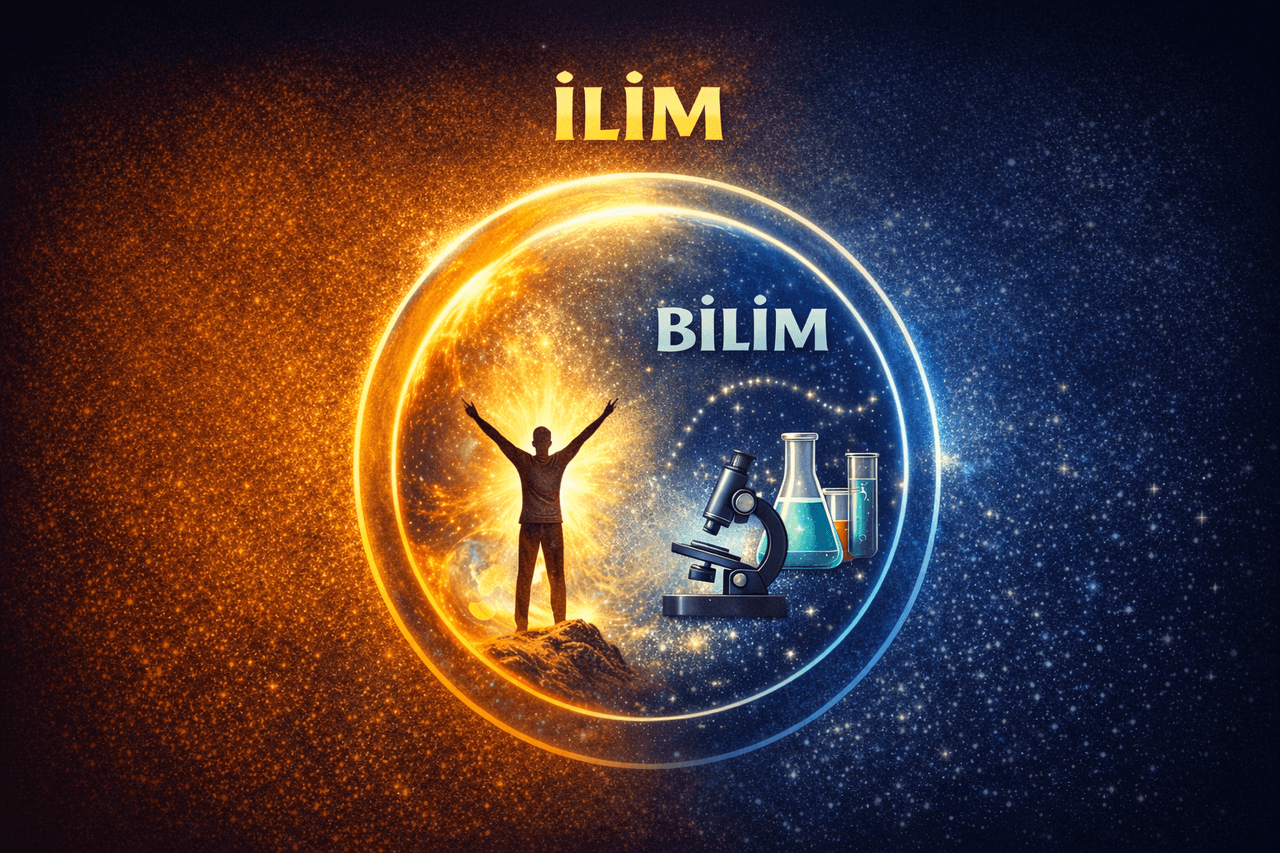
An Ancient Debate on the Unity of the Sciences: Is it Ilm or Bilim? Where Does Metaphysics Stand in This Distinction?
Religion and science debates frequently encounter the fundamental question: “What is ilm, what is science?” The nature of the relationship between these two concepts is not merely a terminological issue but directly affects how humans approach the universe knowledge and truth. The concept of ilm predominantly appears in classical and religious texts while the concept of science comes to the forefront in modern literature. This situation can create the impression of an inevitable opposition betwe
EN
Veysel Eliş

Escape from Simulation: The Truman Show and the Longing for Truth
“Within the human being, there is a call of love’s truth that no simulation can fully silence.” The Truman Show is a powerful metaphysical allegory that illustrates not only how modern humanity is enclosed by media alone but also how the ontological status of the human being is transformed in a world where representation has replaced reality. The film is often read in the context of television culture, the surveillance society, or media manipulation; yet these readings frequently miss the deeper
EN
Ali Ömer Yurddaş
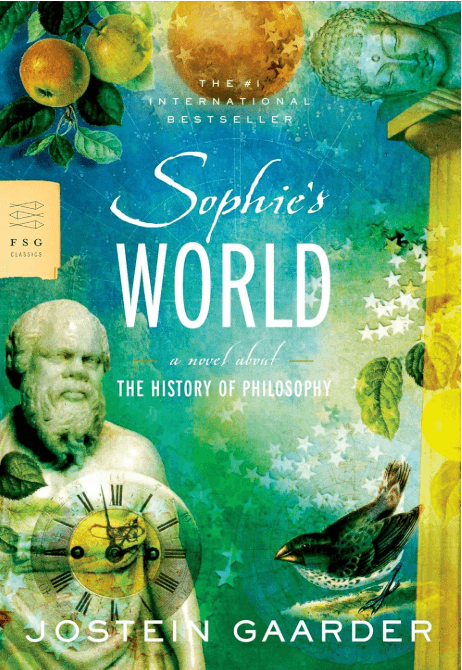
Sophie's World
Jostein Gaarder's Sophie's World is a novel that explores the fundamental concepts of philosophy, its historical development, and key thinkers within a narrative framework. First published in 1991, the book serves not only as a guide to the history of philosophy but also as a coming-of-age story about a young girl questioning her identity and the meaning of life. It is an educational text designed to make philosophical knowledge accessible, encouraging readers to think critically and question th
ENAhsen Karakaş
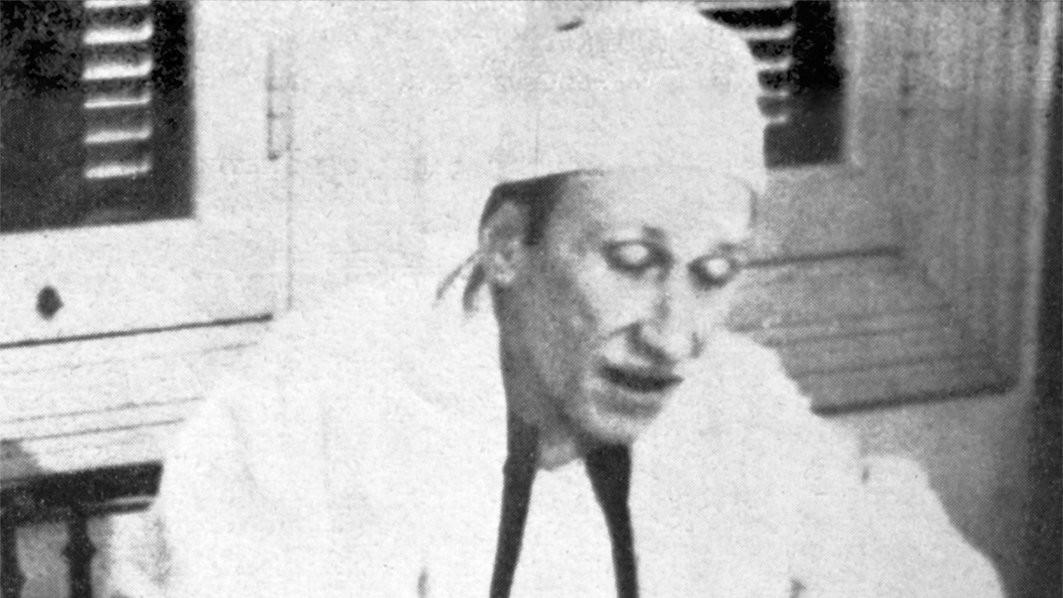
René Guénon (Abdulvahid Yahya)
René Jean-Marie-Joseph Guénon (1886–1951) was a French thinker regarded as one of the pioneers of the traditionalist current of thought in the first half of the 20th century. Raised in a Catholic family, he began his education in religious schools and spent his youth immersed in various intellectual and metaphysical circles such as spiritualism, Freemasonry, and esotericism. In 1912, after embracing Islam, he adopted the name "Abdulwahid Yahya" and, following his affiliation with the Shadhiliyya
EN
Yusuf Bilal Akkaya
 Ze
ZeZeno's Paradoxes
Zeno’s Paradoxes are a series of philosophical arguments developed by the philosopher Zeno, who lived in the 5th century BCE in the city of Elea in Southern Italy. These arguments reveal contradictions between common sense and logical analysis regarding the nature of motion, plurality, space, and time. In the history of philosophy, these paradoxes were designed to defend the monist doctrine of Parmenides, founder of the Eleatic School, who claimed that reality is “One,” unchanging, indivisible,
EN
Yunus Emre Yüce