

`metallurgy` Related Article Results
 Or
OrOre Analysis Techniques
Ore analysis techniques are essential in the mining and metallurgy sectors for understanding the composition and properties of ores. These analyses provide valuable information at every stage, from the discovery of ore deposits to extraction, beneficiation, and metal production processes. Accurate characterization of ores is a fundamental step not only for increasing the efficiency of mining operations but also for minimizing environmental impacts and maximizing economic value. Classification an
EN
Aslı Öncan
CrCreep
Creep is defined as the time-dependent plastic deformation of materials under constant temperature and constant load. This phenomenon is a critical damage mechanism in engineering components operating at high temperatures for extended periods. Creep deformation can be observed across a wide range of materials including metals, ceramics, and polymers, and plays a significant role in determining the service life of materials. Creep Curve and Stages A typical creep curve consists of three main stag
EN
Muzaffer Yalçın
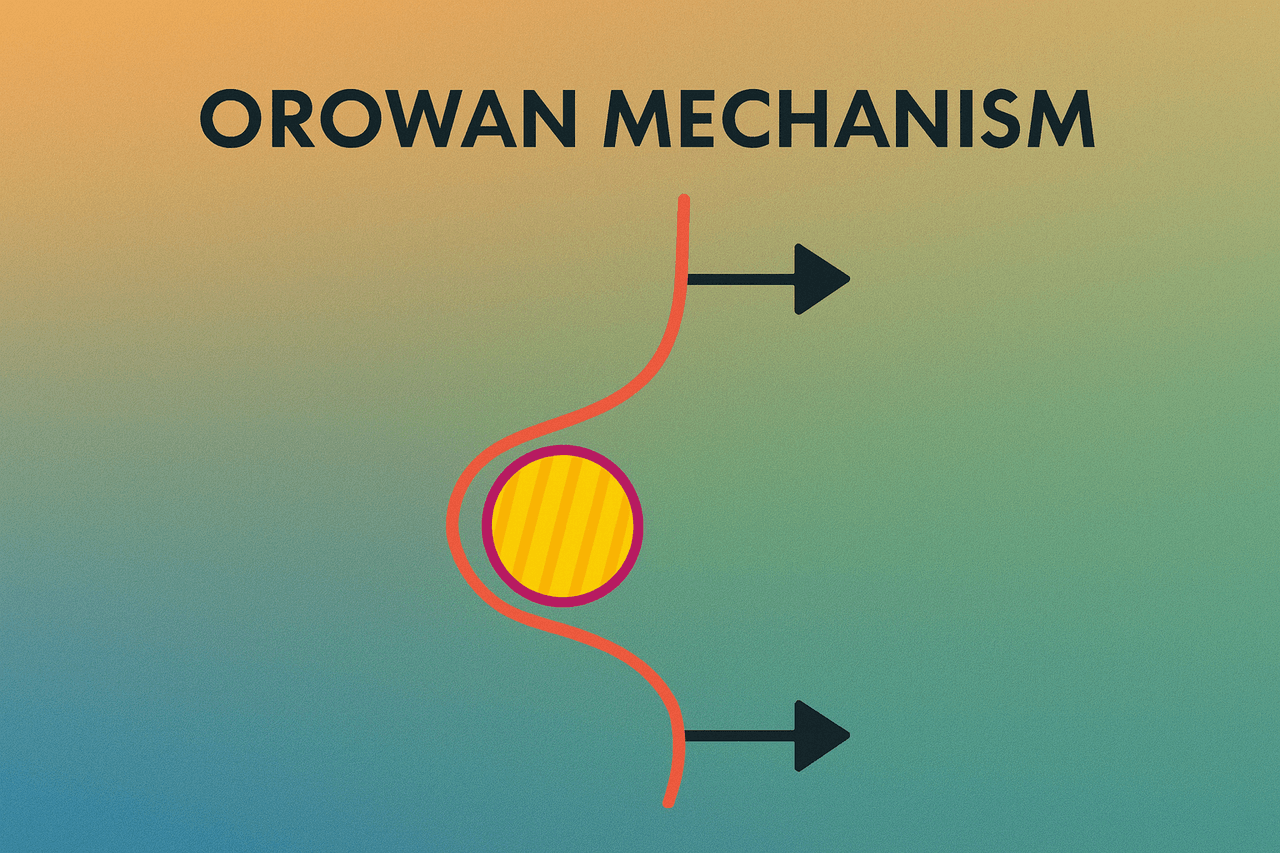
Orowan Mechanism
The Orowan mechanism is a dislocation behavior in materials science in which dislocations bypass obstacles they cannot cut through—namely, hard or non-shearable second-phase particles—by looping around them and continuing their path. This mechanism is named after Hungarian metallurgist Egon Orowan, who in the 1930s published seminal work explaining the presence of dislocations in crystals and their role in strengthening. The Orowan mechanism is one of the fundamental strengthening mechanisms tha
EN
Sude Altınçekiç
AfAfanasyevo Culture
The Afanasyevo Culture is an archaeological culture that flourished between 3500 and 2500 BCE in southern Siberia and the Altai Mountains region. This culture is particularly associated with early Indo-European communities and holds significant historical importance as it contains some of the earliest evidence of steppe nomadic life. Its advancements in horse domestication and metallurgy are especially notable. Discovery and Research The Afanasyevo Culture was discovered in the early 20th centur
EN
Esmanur Demir

Purification of Rare Earth Elements
Rare earth elements (REEs) purification is the process of separating the 15 lanthanide elements along with scandium and yttrium, which are commonly found together in nature and exhibit extremely similar chemical properties, into high-purity individual products suitable for high-technology applications. Although these elements occur in the Earth’s crust in abundance comparable to metals such as copper or lead, they are termed “rare” due to the difficulty of obtaining them in pure form. Scientific
EN
NAMIK YER

Hydrogen Embrittlement
Hydrogen embrittlement is the unexpected embrittlement of metallic materials caused by hydrogen penetrating into their interior. In other words, when metals absorb hydrogen atoms, they lose their ductility (capacity for elastic deformation) and become prone to cracking. This condition can lead to fracture at loads far below what the material would normally withstand. The severity of hydrogen embrittlement depends on the amount of hydrogen absorbed by the metal and its microstructure. Particularl
ENSude Altınçekiç

Dual Phase Steels
In modern metallurgy, achieving a combination of high strength and formability is a key objective. In this context, dual-phase steels are advanced steels that contain two distinct microstructural phases, offering a superior combination of high strength and adequate ductility. Since the late 1970s, the use of dual-phase steels has become widespread in the automotive industry, driven by the goal of producing lighter yet safer vehicles. Their high strength-to-weight ratio has made this material pop
ENSude Altınçekiç
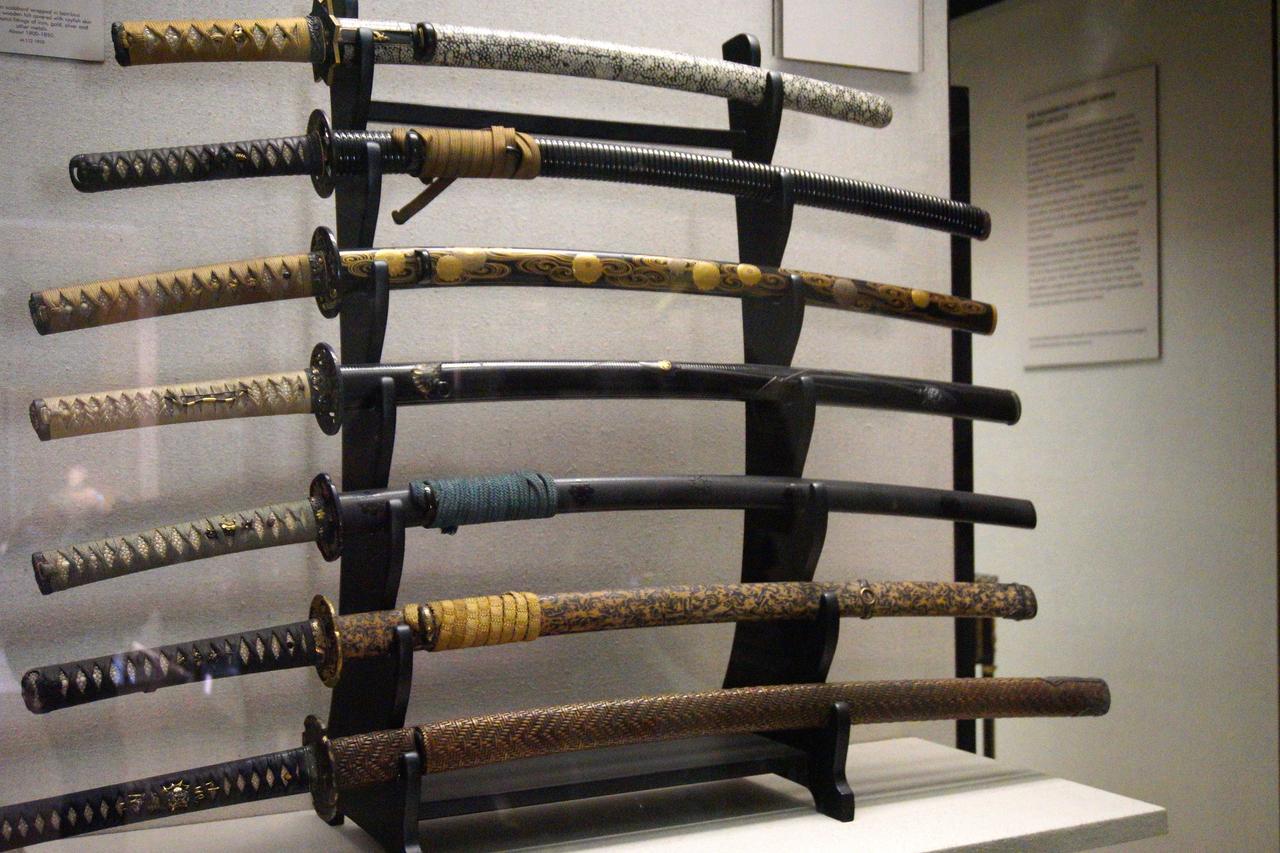
Katana
Katana is one of the most renowned and symbolic types of Japanese swords. It typically features a long, slightly curved, single-edged blade. Throughout history, it has held great significance both as a weapon of war and as a cultural symbol. During the Edo period (1603–1868) especially, the katana became the primary weapon of the samurai class and emerged as one of the most important examples of Japanese craftsmanship and aesthetic sensibility. Katana and Wakizashi (World History Encyclopedia) "
EN
Ömer Faruk Bilcan
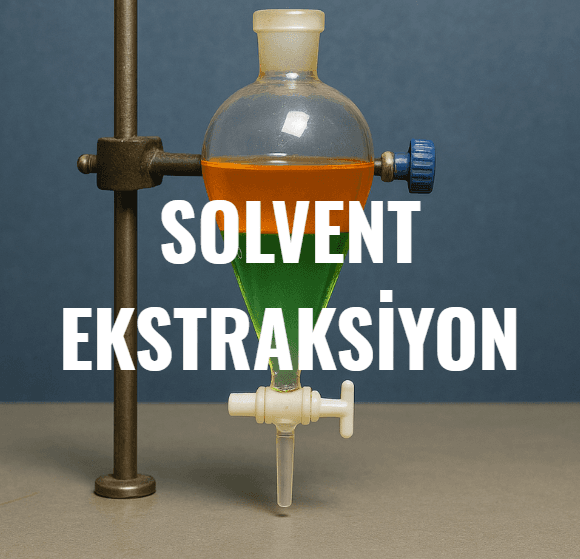
Solvent Extraction
Solvent extraction is a separation and purification method based on the transfer of a soluble component from one phase to another using a solvent. It is commonly employed to extract a target substance from a liquid mixture into another liquid phase. The solvent used in this process is a liquid that is partially or completely immiscible with the initial solution. Solvent extraction is widely applied in chemical, metallurgical, biotechnological, and food industries. In a solvent extraction process
ENMuzaffer Yalçın

Metallurgy
Metallurgy is a strategic scientific discipline that has evolved since the earliest periods of human history and plays a role in every stage of technological development, focusing on the production, processing, structure, and properties of metals and alloys. Controlling the microstructure of materials, achieving desired mechanical and physical properties, developing advanced manufacturing methods, and meeting sustainability goals all depend critically on metallurgy. Therefore, metallurgy is not
ENBurak Evren