

`memorymanagement` Related Article Results

Cryptomnesia
Cryptomnesia is the phenomenon in which a person completely forgets the source of information, an idea, or a work they previously encountered or learned, and experiences it as a new and original creation of their own mind. The term literally means "forgotten memory."【1】 It is a form of plagiarism, or appropriation, in which a writer, researcher, or individual thoroughly internalizes another person’s ideas, data, methods, or research outputs and mistakenly believes them to be their own.【2】 This c
EN
Kadriye Beyza Kirenci

The Psychology of Missed Opportunities
Almost everyone carries in their mind a scene they occasionally revisit—a word left unsaid, a step never taken, a question left unanswered. Even after years have passed, that moment remains alive in some corner of the mind, surfacing unexpectedly at random times. Why Does the Mind Remember What Wasn’t Done Rather Than What Was? People often feel regret not for what they did, but for what they did not do. Whatever the outcome of a decision we made, the mind tends to treat it as a “closed file.” B
EN
Ömer Said Aydın

Java Programming Language
Java is a multi-platform, object-oriented programming language developed by James Gosling at Sun Microsystems in 1995. It runs on billions of devices across a wide range of applications, from smartphone operating systems to enterprise software. It is widely used in developing mobile applications such as Spotify and Signal, Internet of Things (IoT) devices, and scalable enterprise systems. Unlike JavaScript, Java is a general-purpose, compiled and interpreted language designed for building large-
EN
Muhammed NAZLIER
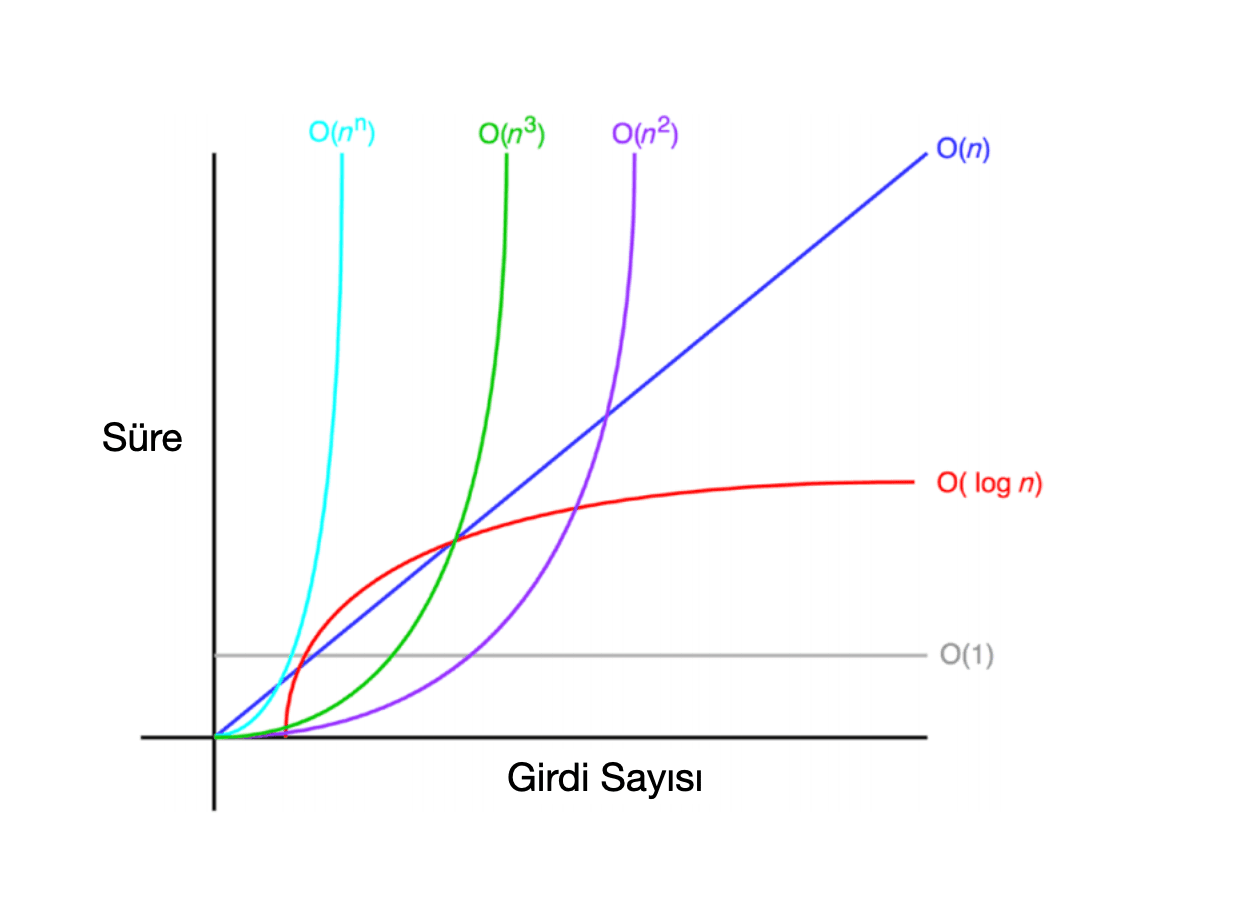
Algorithm Optimization and Performance Improvement Methods
To develop Successful software projects, it is not enough to have strong coding skills; the ability to optimize the performance of algorithms and software structures is also required. In software and computer engineering, performance improvements create direct impacts on the efficiency, cost, and sustainability of projects by implementing to do and algorithm optimizations. This article aims to examine the fundamentals of algorithm optimization, the techniques used, and the effects of these techn
EN
Tarık Abdullah Konuşkan
 Ma
MaMain Memory (RAM)
Main memory (RAM) is a type of memory that temporarily stores data and instructions requiring fast access by the processor (CPU) during computer operation. Its contents are erased when power is cut, and it supports both reading and writing. In computer systems, memory establishes a critical link between software and the processor by providing the information and commands needed by the CPU at high speed. RAM is defined as short-term memory used to hold programs and data actively in use while the
ENZeynep Aydın
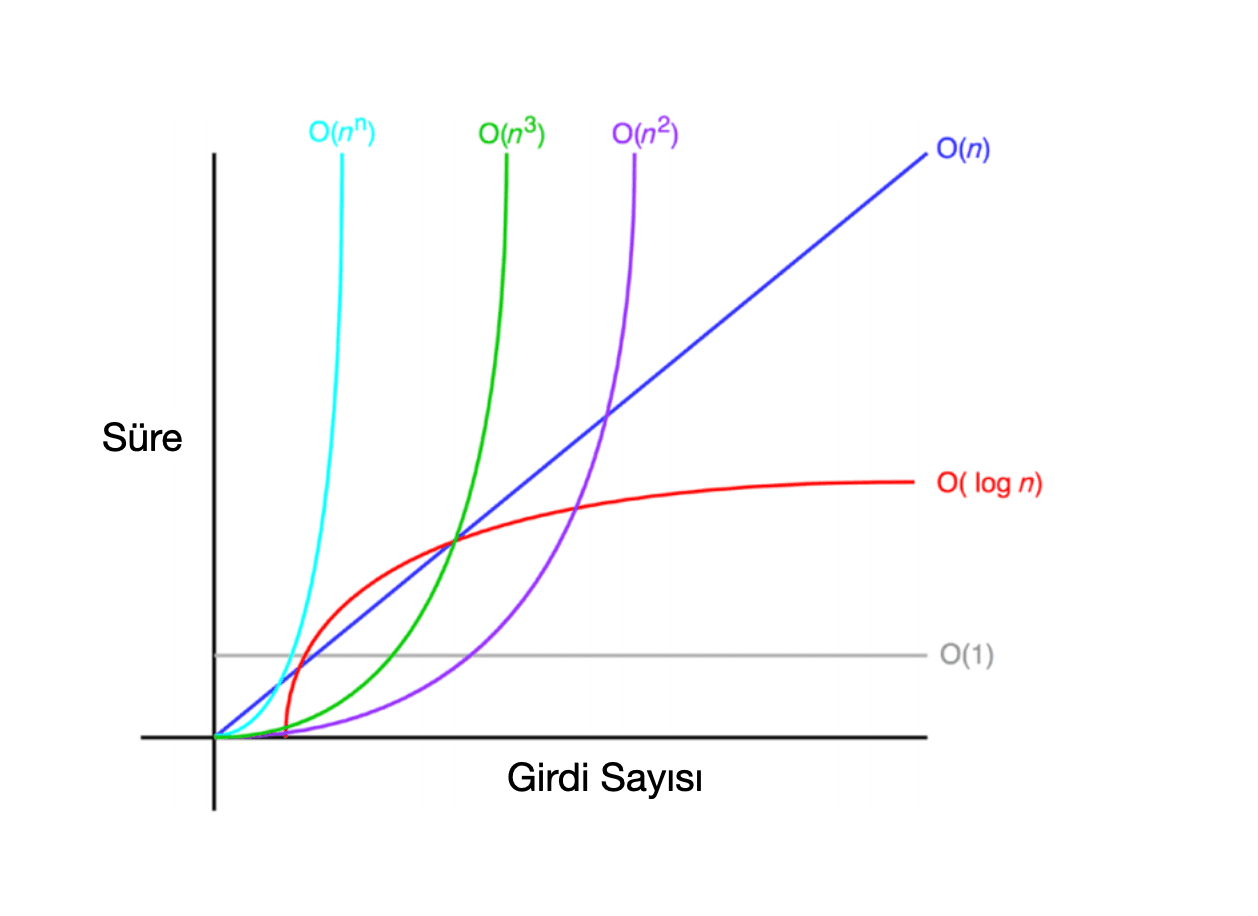
Algorithm Optimization and Performance Improvement Methods
Successful software projects require more than just strong coding skills; they also demand the ability to optimize the performance of algorithms and software structures. In software and computer engineering, performing performance improvements and algorithm optimizations directly impact a project’s efficiency, cost, and sustainability. This article aims to examine the fundamentals of algorithm optimization, the techniques used, and their effects on software performance. Fundamentals of Algorithm
ENTarık Abdullah Konuşkan
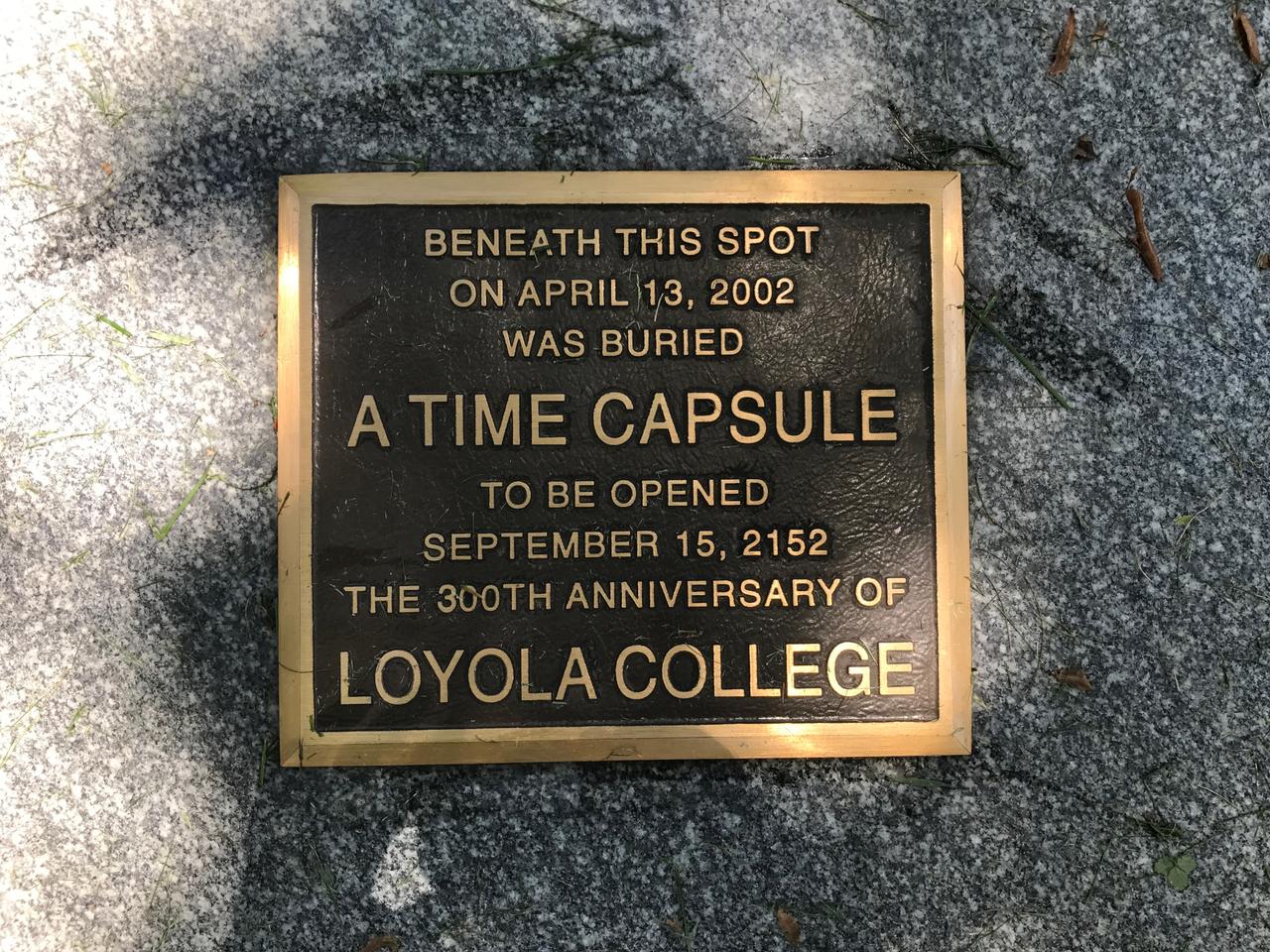
Time Capsule
Time capsule is a curated collection of documents and objects intentionally sealed to carry material and/or digital traces of a specific era into the future, often designed to be opened on a predetermined date. Although related to archives and museums, the deliberate design of sealing and opening, the strategy of accessibility (placement and marking), and the engineering choices made for longevity (materials, sealing, environmental conditions) distinguish capsules from other memory artifacts. Co
EN
Onur Çolak